Tag: Beginner Tips

  • Gym Buddy or Go Solo: Should You Train With a Partner?

    Gym Buddy or Go Solo: Should You Train With a Partner?

    Some people swear by training with a partner. Others prefer the focus and freedom of going solo. The truth is, both approaches work — but they suit different personalities, goals, and situations. Here’s how to decide what’s right for you.

    The Case for a Gym Buddy

    Accountability

    The number one benefit. When someone is waiting for you at the gym, you go. Research consistently shows that people who train with a partner have higher attendance rates than solo trainers. It’s harder to hit snooze when your friend is already in the car park. and with a partner for 1-2 sessions (accountability and heavy lifts). This gives you the best of both worlds.

    Whatever you choose, the most important thing is consistency. Find what works for you and stick with it. Search for gyms with a welcoming community on GymPal.

  • Post-Workout Recovery: What to Do in the 24 Hours After a Gym Session

    Post-Workout Recovery: What to Do in the 24 Hours After a Gym Session

    You’ve finished your workout. Well done. But what you do in the next 24 hours is just as important as what you did in the gym. Recovery is where your body actually builds strength, repairs tissue, and adapts to the stress you just put it through.

    Cool Down Properly

    Don’t just stop. Spend 5-10 minutes at low intensity — walk on the treadmill, cycle gently, or row at an easy pace. This gradually reduces your heart rate and helps clear metabolic waste from your muscles.

    Stretch What You Worked

    Target the muscle groups you just trained with 30-60 second static stretches. Focus on major areas: hamstrings, quads, hip flexors, chest, and shoulders. This improves flexibility and may reduce next-day soreness.

    Rehydrate

    You’ve lost fluid through sweat. Drink 500-750ml of water in the first 30 minutes after training. If it was a particularly intense or long session (60+ minutes), consider an electrolyte drink to replace sodium and potassium.

    First Hour (30-60 Minutes)

    Eat Protein and Carbs

    The “anabolic window” isn’t as narrow as once thought, but eating within an hour of training is still optimal. Aim for 20-40g protein plus some carbohydrates. Practical options:

    • Chicken breast with rice and vegetables
    • Protein shake with a banana
    • Greek yoghurt with berries and granola
    • Eggs on toast
    • Tinned tuna with pasta

    The protein supports muscle repair. The carbohydrates replenish glycogen stores so you have energy for your next session.

    Hours 1-6

    Keep Moving

    Don’t sit at a desk for the rest of the day. Light movement — a short walk, gentle housework, taking the stairs — keeps blood flowing to your muscles and aids recovery. A 10-15 minute walk makes a real difference. See also: UK Bootcamp Fitness Classes: Your Complete Guide. See also: How to Offer Nutrition Coaching at Your Gym Without Hiring a.

    Stay Hydrated

    Continue drinking water throughout the day. A good target: 2-3 litres total per day, more if you trained hard or it’s warm.

    Hours 6-12: Sleep

    Sleep is the single most important factor in recovery. During deep sleep, your body releases growth hormone, repairs muscle tissue, and consolidates motor learning (important if you’re learning new exercises).

    • Aim for 7-9 hours
    • Keep the room cool (16-19 degrees)
    • Avoid screens for 30-60 minutes before bed
    • Avoid caffeine after 2 PM if you trained in the evening

    Hours 12-24: The Next Day

    Active Recovery

    A rest day doesn’t mean doing nothing. Light activity — a 20-30 minute walk, gentle swimming, yoga, or an easy cycle — promotes blood flow and reduces muscle soreness. Intensity should be 3-4 out of 10.

    Foam Rolling

    5-10 minutes of foam rolling on sore areas can reduce DOMS (delayed onset muscle soreness) and improve range of motion. Focus on the muscles you trained yesterday.

    Eat Well Again

    Your muscles are still repairing the day after training. Continue eating protein with every meal and aim for a balanced diet rich in vegetables, whole grains, and healthy fats.

    When You’re Still Sore After 48 Hours

    DOMS typically peaks 24-48 hours after exercise and fades by 72 hours. If you’re still significantly sore after 3 days, you may have overtrained. Next session, reduce volume or intensity by 20-30%.

    Find gyms with recovery facilities (sauna, steam room, pool) on GymPal. And for gym owners — make sure your GymPal listing mentions recovery facilities. Members increasingly look for these when choosing a gym.

  • How to Negotiate a Better Gym Membership Deal in the UK

    How to Negotiate a Better Gym Membership Deal in the UK

    Here’s something most gyms don’t advertise: their membership prices are often negotiable. Especially in competitive UK markets where three or four gyms are fighting for the same customers within a one-mile radius. Yet most people simply pay the advertised rate without asking for a better deal. — gyms are desperate to replace the New Year members who’ve already quit.

  • Summer (June-August) — members cancel to exercise outdoors. Gyms want to fill the gap.
  • When a competitor opens nearby — gyms will match or beat rival pricing to keep you.
  • Quiet times of day — off-peak memberships are 30-50% cheaper at most gyms.

What to Negotiate On

Monthly Rate

The most obvious target. If the advertised price is £30/month, ask: “Is there any flexibility on that?” or “I’m considering [competitor] at £25/month — can you match that?” Many gym managers have authority to offer £5-10/month discounts to close a sale.

Joining Fee

This is the easiest thing to get waived. Joining fees range from £0 to £200 and cost the gym nothing — they’re pure profit. “Can you waive the joining fee?” works surprisingly often. If they say no, ask for 50% off.

Free Extras

If they won’t budge on price, ask for add-ons: a free personal training session, complimentary guest passes, access to premium areas (pool, sauna), or a free month trial period.

Contract Length

If they’re pushing a 12-month contract, ask for a 3-month or rolling monthly instead. Flexibility has real value — you’re not locked in if your circumstances change. See also: How to Choose the Right Gym Management Software for Your UK .

The Script

You don’t need to be a master negotiator. Try this approach:

  • “I’m interested in joining, but I’ve been looking at [competitor] too. They’re offering [price/deal]. Is there anything you can do on price to make this work?”
  • If they say no: “What about waiving the joining fee? That would help me decide today.”
  • If still no: “Can you throw in a free PT session or a month free? I’d sign up right now.”
  • Final offer: “Let me think about it. I’ll check [competitor] and come back if you can do a better deal.” Walk away. Many gyms will call you back with a better offer.

Red Flags: When Not to Join

  • High-pressure sales tactics (“this offer expires today”)
  • Long contracts with no cooling-off period explanation
  • Unclear cancellation terms
  • Refusal to let you try before you buy

A good gym wants you as a long-term member, not a trapped one. Compare gyms, negotiate with confidence, and use GymPal to find the best options in your area.

For Gym Owners: Pricing Transparency Wins

Consumers hate hidden fees and negotiation games. The gyms winning long-term members are the ones with transparent, fair pricing:

  • Published prices — no “call for a quote” games
  • Simple tiers — 2-3 clear options (basic, standard, premium)
  • No joining fees — budget chains have proven this works
  • Easy cancellation — rolling monthly builds trust
  • Clear listing on GymPal — publish your real prices on your listing so members know exactly what they’ll pay

Find and compare real gym prices in your area on GymPal.

  • Strength Training for Beginners: How to Start Lifting Weights at Any UK Gym

    Strength Training for Beginners: How to Start Lifting Weights at Any UK Gym

    Strength training is no longer just for bodybuilders. The NHS, WHO, and every major health authority now recommend resistance training at least twice a week for adults of all ages. It builds bone density, improves metabolic health, reduces injury risk, and makes everyday life easier — from carrying shopping to playing with your kids. According to Sport England Active Lives survey

    But if you’ve never lifted weights before, walking into a gym full of barbells and machines can feel overwhelming. Here’s your no-nonsense guide to getting started. According to ukactive State of the UK Fitness Industry report

    Why Strength Training Matters

    • Bone health: Weight-bearing exercise stimulates bone growth, reducing osteoporosis risk
    • Metabolism: Muscle tissue burns more calories at rest than fat tissue
    • Mental health: Studies show strength training reduces symptoms of anxiety and depression
    • Longevity: Grip strength and muscle mass are among the strongest predictors of healthy ageing
    • Functional fitness: Carrying suitcases, lifting children, climbing stairs — all easier with strength
    • Injury prevention: Strong muscles protect joints and improve posture

    The 5 Exercises Every Beginner Needs

    You don’t need 20 different exercises. Five fundamental movements cover everything:

    1. Squat

    Works: quads, glutes, hamstrings, core. Start with bodyweight, progress to goblet squat (holding a dumbbell at chest), then barbell back squat.

    2. Deadlift

    Works: hamstrings, glutes, lower back, core, grip. Start with light dumbbells or a kettlebell. Focus on hip hinge mechanics before touching a barbell.

    3. Press (Overhead)

    Works: shoulders, triceps, upper chest, core. Start with dumbbells, progress to barbell. Seated version is easier for beginners.

    4. Pull (Row or Pull-up)

    Works: back, biceps, rear shoulders. Start with seated cable rows or dumbbell rows. Inverted rows (using a bar at waist height) are a great stepping stone to pull-ups.

    5. Push (Press-up or Bench Press)

    Works: chest, shoulders, triceps. Start with press-ups (knees or wall if needed), progress to bench press with dumbbells, then barbell.

    Your First 4 Weeks: A Simple Plan

    Train 3 times per week, with at least one rest day between sessions. Each session:

    • Warm up: 5 minutes light cardio + dynamic stretches
    • Squat: 3 sets of 8-12 reps
    • Push (press-up or bench): 3 sets of 8-12 reps
    • Pull (row): 3 sets of 8-12 reps
    • Deadlift: 3 sets of 8-12 reps
    • Overhead press: 3 sets of 8-12 reps
    • Cool down: 5 minutes stretching

    Total session time: 40-50 minutes. That’s it. Don’t overcomplicate it.

    Common Beginner Mistakes

    • Going too heavy too soon. Start lighter than you think. Perfect form beats heavy weight every time.
    • Skipping leg day. Your legs are the biggest muscles in your body. Training them burns the most calories and builds the most functional strength.
    • Not resting enough between sets. 60-90 seconds for beginners. More rest for heavy compounds.
    • Comparing yourself to others. The only person you’re competing with is who you were last week.
    • Changing your programme every week. Stick with a programme for at least 4-6 weeks before changing anything.

    What to Eat Around Your Workouts

    You don’t need protein shakes or supplements to start. Focus on basics:

    • Eat a meal 1-2 hours before training (carbs for energy, protein for muscle support)
    • Stay hydrated throughout your session
    • Eat protein with every meal (chicken, fish, eggs, tofu, lentils, Greek yoghurt)
    • Don’t dramatically cut calories while starting strength training — your body needs fuel

    Ready to start? Find a gym near you with a free weights area on GymPal. Most gyms offer a free induction where staff will show you how to use the equipment safely.

    For Gym Owners: Attracting Beginner Lifters

    Beginners are your biggest growth opportunity — but they need support to feel confident:

    • Offer free technique workshops — 30-minute group sessions covering the basics of squat, deadlift, and bench
    • Create a beginner-friendly zone — lighter dumbbells, clear space, visible exercise guides on the wall
    • Train your staff to approach newcomers — a friendly “need any help with that exercise?” goes a long way
    • Highlight your facilities on GymPal — mention your free weights area, Olympic platforms, and beginner support on your listing

    Strength training is for everyone. Find the right gym, start light, and build gradually. Search beginner-friendly gyms on GymPal today.

  • Outdoor Bootcamps and Park Fitness: The UK’s Growing Outdoor Training Scene

    Outdoor Bootcamps and Park Fitness: The UK’s Growing Outdoor Training Scene

    When the British weather cooperates, there’s nothing quite like training outdoors. And increasingly, UK fitness enthusiasts are taking their workouts outside the gym entirely — joining outdoor bootcamps, park fitness groups, and green-space training sessions that cost a fraction of indoor gym membership. is the biggest name, operating in parks across the UK.

    Parkrun

    Free, weekly 5K runs in parks across the UK every Saturday at 9 AM. Not a bootcamp, but the gateway drug to outdoor fitness for millions of Brits. Over 7 million people have completed a parkrun. Just register online, print your barcode, and turn up.

    Outdoor Yoga and Pilates

    Summer-only in most of the UK (May-September), but increasingly popular. Many yoga studios move sessions to parks during warmer months. Free or donation-based sessions are common in major cities.

    NHS and Council “Green Gym” Programmes

    Many local councils and the NHS run free outdoor fitness sessions, particularly in areas with high health inequality. These are gentle, inclusive, and designed for complete beginners. Search your council’s website for details.

    What You Need to Get Started

    • Trainers with good grip — grass and mud are your new floor. Trail running shoes work well.
    • Layered clothing — UK weather changes fast. A base layer, mid-layer, and waterproof shell cover most conditions.
    • Water bottle — hydration matters outdoors just as much as indoors.
    • Gloves (winter) — frozen fingers make press-ups miserable.
    • A mat (optional) — for ground-based exercises. Some bootcamps provide these.

    Best UK Cities for Outdoor Fitness

    • London: Massive scene. Try Parliament Hill, Hyde Park, Clapham Common, or Greenwich Park.
    • Manchester: Platt Fields, Heaton Park, and Castlefield all host regular bootcamps.
    • Bristol: The Downs, Ashton Court, and Leigh Woods offer incredible outdoor training spaces.
    • Edinburgh: Arthur’s Seat, the Meadows, and Portobello beach for sand sprints.
    • Brighton: Beach workouts, the Level, and Preston Park. Year-round thanks to the milder climate.

    Use GymPal to find outdoor fitness groups and bootcamps near you.

    For Gym Owners: Outdoor Training as a Summer Revenue Stream

    Running outdoor sessions in summer can attract new members and give existing ones variety:

    • Use your car park or nearby green space — no facility rental needed
    • Offer free taster sessions — bring people in, convert them to indoor memberships for winter
    • Partner with local parks — many councils welcome organised fitness activities
    • Promote on GymPal — list your outdoor sessions on your listing as a seasonal offering

    Outdoor fitness isn’t a replacement for the gym — it’s a complement. Mix indoor and outdoor training for the best of both worlds. Search for options near you on GymPal.

  • How to Get the Most Out of Personal Training Sessions at Your Gym

    How to Get the Most Out of Personal Training Sessions at Your Gym

    Hiring a personal trainer is one of the best investments you can make in your fitness journey. But it’s also one of the most expensive — typical PT rates in the UK range from £30 to £80 per session. So how do you make sure you’re getting real value for that money?. Specialists should have additional qualifications in areas like strength and conditioning, nutrition, or rehabilitation.

  • Ask about their approach. Good trainers will explain their methodology. If someone promises unrealistic results or pushes supplements, that’s a red flag.
  • During Your Sessions

    Between Sessions

    One or two PT sessions a week isn’t enough on its own. What you do between sessions matters just as much.

    How to Tell if Your PT Is Working

    Results take time, but you should see measurable progress within 4-6 weeks:

    If you’re not seeing any progress after 6 weeks, have an honest conversation with your trainer. A good one will adjust the programme. If they’re defensive or dismissive, it might be time to find someone new.

    Find qualified personal trainers and PT-friendly gyms on GymPal.

    For Gym Owners: Building a Profitable PT Business

    Personal training is one of the highest-margin revenue streams for UK gyms. Here’s how to maximise it:

    The right personal trainer can transform your fitness. Search for PTs and gyms with coaching services on GymPal and invest in yourself.

  • Student Gym Memberships: How to Get the Best Deal at UK Universities

    Student Gym Memberships: How to Get the Best Deal at UK Universities

    University is one of the best times to build a fitness habit. Most UK universities have on-campus gyms with heavily subsidised rates for students, and the surrounding area is usually packed with commercial gyms competing for student memberships. According to Sport England Active Lives survey

    But with so many options, how do you find the best deal? Here’s your complete guide to student gym memberships in the UK. According to ukactive State of the UK Fitness Industry report

    University Gyms: The Default Option

    Most UK universities have their own sports facilities, and they’re often excellent. Think £10-25/month for full access to the gym, swimming pool, sports halls, and group fitness classes. Some universities include gym access in tuition fees or offer it at a deeply discounted annual rate.

    Pros

    • Cheapest option in most cases
    • On campus — no travel time
    • Often includes pool, courts, and classes
    • Student-only environment (less intimidating for beginners)
    • Flexible around lecture timetables (long opening hours)

    Cons

    • Can be very busy during peak hours (especially January)
    • Equipment may not be as extensive as commercial gyms
    • Some university gyms close during holidays
    • Limited specialist equipment (Olympic lifting platforms, etc.)

    Commercial Gyms With Student Discounts

    Many UK gym chains offer student pricing, especially those near university campuses:

    PureGym

    Offers student discount codes via UNiDAYS and Student Beans. Typical student rate: £14-18/month (vs standard £15-25). No contract, 24/7 access, and locations near most UK universities.

    The Gym Group

    Similar to PureGym with student discounts available. Prices start from around £10.99/month in some areas. 24/7 access and no contract.

    Council Leisure Centres

    Often overlooked, but many council-run leisure centres offer student pay-as-you-go rates and flexible memberships. You’ll get pool access, group classes, and gym floor — usually for less than commercial chains.

    How to Get the Best Deal

    • Check UNiDAYS, Student Beans, and Totum — all three list current gym discount codes
    • Ask about annual memberships — paying upfront for the year is often cheaper than monthly rolling
    • Look for off-peak deals — if your timetable allows daytime workouts, off-peak memberships are significantly cheaper
    • Consider sharing a membership — some gyms offer “buddy” or “couple” discounts that work for flatmates
    • Don’t forget NUS Extra / Totum card — accepted at many independent gyms for 10-20% off
    • Ask about summer deals — gyms near universities often run discounted summer memberships when students leave

    Budget Breakdown: What Students Typically Pay

    • University gym: £10-25/month or £100-200/year
    • Budget chain (with student discount): £14-20/month
    • Council leisure centre: £15-30/month (often includes pool)
    • Mid-range gym: £25-45/month (with student discount)
    • Pay-as-you-go: £5-10 per session (good if you go less than 3 times per week)

    Tips for Staying Consistent at University

    • Go between lectures — the quietest times are usually 10 AM – 3 PM
    • Find a gym buddy — your flatmate, course mate, or society member. You’re more likely to stick with it.
    • Join a sports society — many university sports clubs include gym access or training sessions
    • Use the gym when you’re stressed — exercise is one of the best ways to manage exam and deadline pressure
    • Don’t worry about January — it’s the busiest month. By February, the crowds thin out.

    Use GymPal to compare gyms near your university — filter by price, facilities, and student discounts to find the best deal.

    For Gym Owners: Attracting Student Members

    Students are a massive, often underserved market. Here’s how to reach them:

    • Offer genuine student pricing — not a token £2 off. Students compare deals carefully.
    • Be on UNiDAYS and Student Beans — this is where students look for discounts
    • Create flexible terms — no 12-month contracts. Students want monthly rolling or term-time-only deals.
    • Partner with university sports societies — offer group rates or sponsor events
    • Keep your GymPal listing updated — mention student discounts on your listing so students find you when searching near campus

    Whether you’re a fresher looking for your first gym or a returning student wanting a better deal, GymPal helps you find and compare the best student gym options in your area.

  • Climbing and Bouldering Gyms in the UK: A Complete Beginner’s Guide

    Climbing and Bouldering Gyms in the UK: A Complete Beginner’s Guide

    Bouldering and climbing have exploded in popularity across the UK. Ten years ago, climbing was a niche sport. Today, there are over 400 indoor climbing and bouldering centres nationwide, and the sport got a massive boost from its inclusion in the 2020 Olympics.

    If you’ve never set foot in a climbing gym, here’s everything you need to know to get started. without ropes, over thick crash mats. You don’t need a partner, harness, or any specialist knowledge to start. Just rock up, hire some shoes, and climb.

    Roped climbing (sometimes called “top rope” or “lead climbing”) involves taller walls (10-20 metres) and requires a harness, rope, and a belay partner. Most climbing centres offer both, but bouldering is where almost everyone starts.

    What to Expect at a Climbing Gym

    • Walls covered in colourful holds — each colour represents a different route or “problem” at a specific difficulty level
    • Thick crash mats — designed to cushion falls from bouldering height
    • Shoe hire — climbing shoes are tight-fitting with grippy rubber soles. Most centres hire them for £3-5
    • Chalk bags — magnesium chalk keeps your hands dry. You can hire or buy one.
    • Training areas — fingerboards, campus boards, and hangboards for building grip strength
    • Cafe area — climbing centres are social spaces. Expect good coffee and a relaxed vibe.

    Cost of Climbing Gyms in the UK

    • Adult entry (bouldering): £8-15 per session
    • Shoe hire: £3-5
    • Monthly membership: £40-70/month (unlimited climbing)
    • Student concession: usually £2-3 off per session
    • Intro courses: £25-50 for a beginner session with instruction

    Compared to a standard gym membership (£10-50/month), climbing can be pricier per visit. But monthly memberships at climbing centres are competitive, especially if you go 2-3 times per week.

    Is Climbing a Good Workout?

    Absolutely. Climbing engages your entire body — arms, shoulders, back, core, legs, and forearms. A one-hour bouldering session can burn 400-700 calories. It builds functional strength, grip endurance, flexibility, and problem-solving skills (each route is like a physical puzzle).

    Many climbers supplement with traditional gym training for strength and conditioning. The two complement each other perfectly.

    Getting Started: Tips for Your First Visit

    • Book a taster session — most centres offer 60-90 minute beginner sessions with an instructor. The best way to start.
    • Wear comfortable, stretchy clothing — leggings or joggers and a t-shirt. Nothing too baggy.
    • Start with easy routes — centres use the V-grade or Font system. V0/VB (very easy) is where to begin.
    • Learn to fall safely — your taster session will cover this. It’s not scary once you know the technique.
    • Don’t compare yourself to others — climbing has a remarkably supportive community. Everyone remembers being a beginner.
    • Rest between attempts — climbing is intense. 3-5 minutes rest between problems is normal.

    Finding a Climbing Gym Near You

    Major UK climbing chains include The Climbing Hangar, Boulder Central, Depot Climbing, and VauxWall, plus dozens of excellent independent centres. Use GymPal to search for climbing and bouldering gyms in your area, compare prices, and read reviews.

    For Gym Owners: Should You Add a Climbing Wall?

    If you have the ceiling height (minimum 4 metres for bouldering), adding a climbing wall can be a smart diversification. Climbers are a dedicated, passionate audience who often pay premium rates and become long-term members.

    • Start small — a traverse wall (horizontal climbing along a wall) requires less height and investment
    • Partner with route setters — good route setting is what keeps climbers coming back
    • Offer intro sessions — bring in new climbers who might not join a traditional gym
    • Cross-promote — climbers need strength training too. Offer combined memberships.

    Whether you’re looking for a new fitness challenge or a different type of social workout, climbing is worth trying. Search for climbing gyms on GymPal and book a taster session this week.

  • How to Cancel a Gym Membership in the UK: Your Rights Explained

    How to Cancel a Gym Membership in the UK: Your Rights Explained

    Want to cancel your gym membership? You’re not alone. Around 30% of UK gym members cancel within the first three months, and many more consider it but don’t know how — or worry about hidden fees and complicated processes. Regulations 2013, you have a 14-day cooling-off period for any gym contract signed online, over the phone, or away from the gym’s premises (e.g., a pop-up stand in a shopping centre). You can cancel within 14 days for a full refund — no questions asked.

    Fixed-Term Contracts

    If you signed a fixed-term contract (e.g., 12 months), you’re generally committed for the full term. However, the gym must have made the contract terms clear before you signed. If they didn’t, or if the terms are unfair, you may have grounds to cancel early.

    Rolling Monthly Contracts

    Most budget gyms now offer rolling monthly contracts. These can usually be cancelled at any time with 30 days’ notice. PureGym, The Gym Group, and Anytime Fitness all operate this way. Check your specific terms — but if it’s monthly rolling, you should be free to leave relatively quickly.

    Step-by-Step: How to Cancel

    • Check your contract. Find out what type of membership you have and what the cancellation terms say.
    • Put it in writing. Always cancel in writing (email is fine). Keep a copy. Verbal cancellations are harder to prove.
    • Give the required notice. Most gyms require 30 days. Check your contract for the exact period.
    • Request written confirmation. Ask the gym to confirm your cancellation and the date your payments will stop.
    • Cancel your direct debit. After the notice period, cancel the direct debit with your bank. Don’t do this before the notice period ends or you may be billed as overdue.
    • Keep records. Save all emails, letters, and confirmation numbers in case of disputes.

    Common Gym Cancellation Problems (And How to Handle Them)

    “You can only cancel in person”

    This is increasingly rare but still happens. While gyms can request in-person cancellation, they cannot refuse a written cancellation (email or letter). If they insist, cite the Competition and Markets Authority (CMA) guidance and escalate if needed.

    “You owe a cancellation fee”

    Fixed-term contracts may charge an early exit fee. However, the fee must be proportionate and clearly stated in your original contract. If it wasn’t disclosed, challenge it. For rolling contracts, there should be no cancellation fee — just the final month’s payment.

    “Your direct debit is managed by a third party”

    Some gyms use companies like Debitsuccess or Harlands to manage payments. This doesn’t change your rights. Cancel in writing with the gym, and cancel the direct debit after the notice period. The third party cannot continue charging you once you’ve given proper notice to the gym.

    “You’re still in your minimum term”

    If you genuinely can’t use the gym (injury, relocation, financial hardship), write to the gym explaining the situation. Many will agree to early termination on compassionate grounds. If they refuse, contact Citizens Advice for support.

    When to Escalate

    If a gym refuses to accept your cancellation or continues charging after you’ve given proper notice:

    • Contact Citizens Advice — free consumer guidance at citizensadvice.org.uk
    • File a complaint with Trading Standards — via the Citizens Advice consumer helpline
    • Contact your bank — dispute unauthorised direct debit payments under the Direct Debit Guarantee
    • Leave a review — share your experience on GymPal to warn others

    Before You Cancel: Consider Your Options

    Before cancelling, think about why you want to leave. Is it the cost? The location? The atmosphere? Sometimes a simple fix — switching to a different gym, downgrading your membership, or changing to off-peak hours — can save you money and keep you training.

    Use GymPal to compare gyms near you. There might be a better option that suits your budget, schedule, and goals — no cancellation required.

    For Gym Owners: Make Cancellation Easy

    This might sound counterintuitive, but easy cancellations build trust and improve retention long-term. Gyms that make it hard to leave get terrible reviews — and bad reviews kill new member acquisition.

    • Offer a simple online cancellation process — no phone calls, no in-person visits required
    • Be transparent about fees — clear, upfront contract terms prevent disputes
    • Offer a pause option — some members want to freeze, not cancel. A 1-3 month pause keeps them as paying customers.
    • Ask for feedback — a quick exit survey tells you why people leave and how to improve
    • Claim your GymPal listing — keep your listing updated so potential members see your transparent policies

    Cancelling a gym membership should be straightforward. Know your rights, follow the process, and don’t let anyone tell you otherwise. And if you’re simply looking for a better gym, start your search on GymPal.

  • Women-Only Gyms in the UK: Your Complete Guide to Finding the Right Space

    Women-Only Gyms in the UK: Your Complete Guide to Finding the Right Space

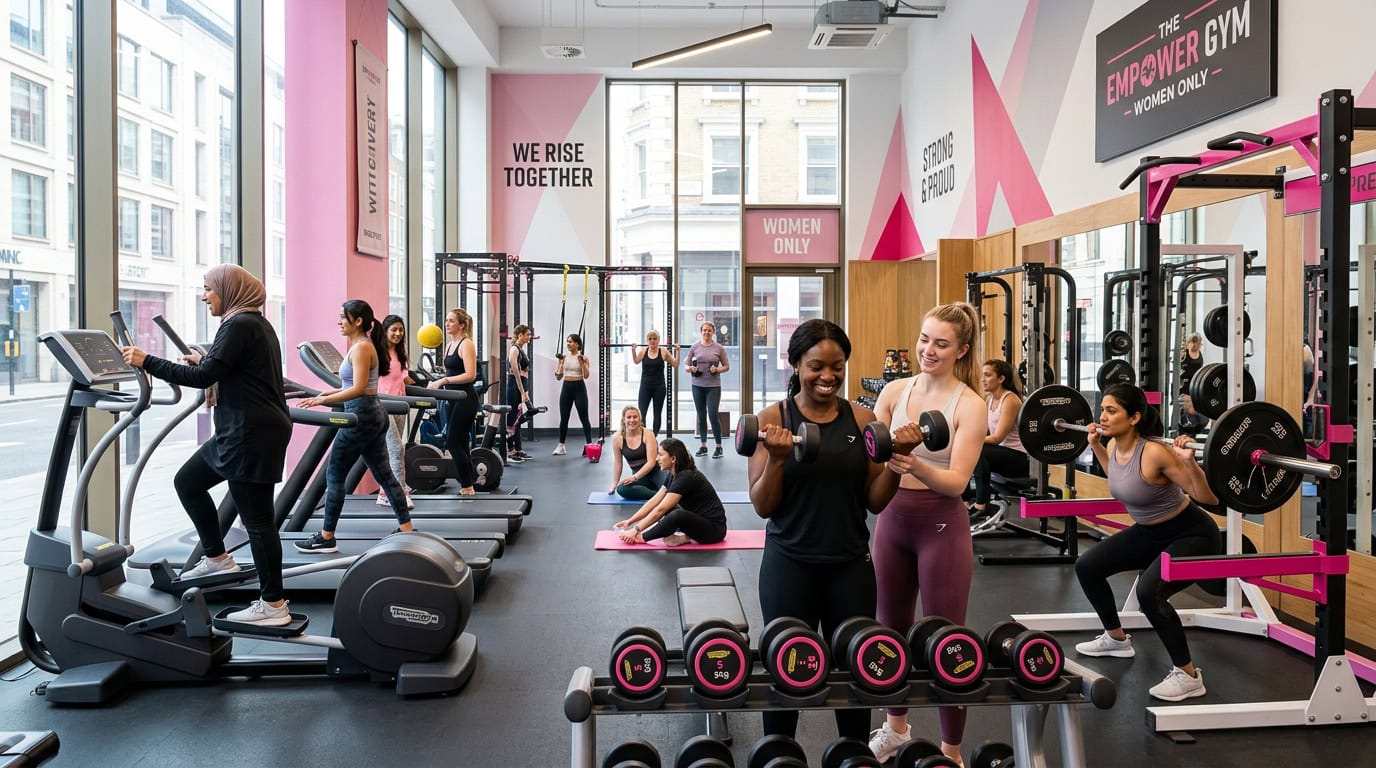
    For many women, walking into a mixed-gym weights area can feel intimidating. The staring, the unsolicited advice, the feeling of being watched — it’s real, and it puts millions of UK women off strength training entirely. Enter women-only gyms and women-only gym zones: spaces designed so women can train in comfort, confidence, and privacy. According to Sport England Active Lives survey

    Here’s your complete guide to women-only gym options across the UK.

    Why Women-Only Gyms Exist

    A This Girl Can campaign survey found that 39% of UK women feel too self-conscious to exercise in public. Cultural, religious, and personal reasons all play a role. Women-only spaces remove these barriers entirely, creating an environment where women can focus on their workout without feeling judged. According to NHS physical activity guidelines

    These spaces aren’t about segregating anyone — they’re about opening doors. Many women who start in women-only sections eventually move into the main gym floor once they’ve built confidence.

    Types of Women-Only Gym Options in the UK

    1. Dedicated Women-Only Gyms

    Entire facilities designed exclusively for women. These are usually independently owned and offer a full range of equipment, classes, and personal training. Examples include Curves (over 60 UK locations), and independent studios in most major cities.

    2. Women-Only Zones Within Mixed Gyms

    Many larger gyms now offer dedicated women-only sections — separate areas with their own equipment, often in a quieter part of the building. PureGym, David Lloyd, and several council-run leisure centres have introduced these in recent years.

    3. Women-Only Sessions

    Some gyms designate specific hours where certain areas (usually the pool, studio, or entire gym floor) are women-only. This is common in council leisure centres and community gyms, particularly in areas with diverse populations.

    4. Women-Focused Studios

    Not strictly women-only, but designed with women as the primary audience. Think barre studios, women-focused bootcamps, and female-run personal training studios. The vibe is welcoming and the programming considers women’s specific fitness needs.

    What to Expect

    • Equipment: Full range — cardio, free weights, resistance machines, functional training. Some women-only gyms use hydraulic resistance machines (like Curves) for a circuit-style workout.
    • Classes: Often women-focused: barre, dance fitness, yoga, pilates, HIIT designed for female bodies.
    • Atmosphere: Supportive, non-judgemental, community-driven. You’ll find women of all ages, shapes, and fitness levels.
    • Staff: Predominantly female coaches and personal trainers.
    • Changing rooms: Often cleaner and better-maintained than mixed facilities (a common theme in reviews).

    How to Find Women-Only Gyms Near You

    Use GymPal to search for gyms in your area and look for women-only sections or dedicated facilities. You can filter by amenities and read reviews from other women to find the right fit.

    Tips for your search:

    • Search for “women-only gym” plus your city name
    • Check if local PureGym or David Lloyd locations have women-only zones
    • Ask at your local leisure centre about women-only session times
    • Look for female-run PT studios — they often offer small-group training in a women-friendly environment

    For Gym Owners: Adding a Women-Only Section

    Adding a women-only zone is one of the smartest investments a UK gym owner can make. Women make up roughly 50% of the population but are significantly underrepresented in gym memberships, especially in the free weights area. Here’s why you should consider it:

    • Untapped market — millions of women want to exercise but feel uncomfortable in mixed spaces
    • Higher retention — women who feel comfortable in your gym are more likely to stay long-term
    • Word-of-mouth — women recommend gyms they feel safe and comfortable in to their friends
    • Cultural sensitivity — in diverse communities, women-only access can be essential for reaching certain demographics
    • Low setup cost — you don’t need a huge space. A partitioned area with basic equipment is enough to start

    Make sure your GymPal listing clearly states if you offer women-only facilities — this is one of the most searched-for features on the platform.

    The Bottom Line

    Every woman deserves to feel comfortable working out. Whether you choose a dedicated women-only gym, a women’s section in a mixed facility, or simply a gym with a welcoming culture, the important thing is finding a space where you can focus on your fitness — not on how others perceive you. Start your search on GymPal today.