Blog

  • How to Use Instagram to Fill Your UK Gym With New Members

    How to Use Instagram to Fill Your UK Gym With New Members

    How to Use <a href="https://askgympal.co.uk/blog/instagram-grow-gym-membership-without-paid-ads/" target="_blank" rel="dofollow" >Instagram</a> to Fill Your UK Gym With New <a href="https://askgympal.co.uk/blog/gym-renovation-refurbishment-without-losing-members/" target="_blank" rel="dofollow" >Members</a>

  • Bio: Three lines maximum. Who you are, where you are, what makes you different. Include a call to action.
  • Link: Use a link-in-bio tool (Linktree, Later, or Beacons) to direct people to your free trial signup, pricing page, or website
  • Story highlights: Create covers for Tours, Classes, Results, Member Reviews, and FAQs

Think of it this way: if someone stumbles across your profile, can they understand within five seconds what your gym is, where it is, and how to join? If not, your profile needs work.

The Content Strategy That Actually Works

Most gym Instagram accounts make the same mistake: posting only motivational quotes and stock fitness images. That content gets scrolled past. Here is what actually drives engagement and sign-ups:

1. Behind-the-Scenes Content

People want to see the real gym — not curated stock photos. Post content that shows the authentic experience:

  • Coach setting up for a class
  • New equipment being unboxed
  • Members mid-workout (with their permission)
  • The gym before opening — empty and pristine
  • Staff introductions and personality

This type of content builds trust. It shows potential members what it is actually like to be part of your community.

2. Member Transformation Stories

Nothing sells a gym like real results. Ask willing members to share their journey — their starting point, what training at your gym has done for them, and a before-and-after photo. These posts consistently generate the highest engagement and are the most shared.

Always get written permission before posting member content. A simple message or form is enough.

3. Educational Content

Position your coaches as experts. Short form video content performing well right now includes:

  • “3 exercises for lower back pain” (Reels)
  • “How to do a proper squat” (tutorial format)
  • “What to eat before your morning workout” (carousel post)
  • “Common mistakes in the deadlift” (Reels with voiceover)

Educational content gets saved and shared — both of which boost your reach in Instagram’s algorithm.

4. Class Previews and Timetable Teasers

Give people a reason to visit. Post short clips of your classes in action — a HIIT session, a spin class, a yoga flow. Add text overlay with the class name, day, and time. This is particularly effective in Instagram Stories, where you can add a direct link to book.

5. Community and Culture Posts

Show that your gym is more than equipment and floorspace:

  • Member social events and charity workouts
  • Competition preparation and results
  • Team challenges and leaderboards
  • Staff celebrations and milestones

This content appeals to people looking for a gym community — and that is a growing market in the UK.

Reels, Carousels, and Stories: What to Post Where

Different content formats serve different purposes. Here is how to allocate your effort:

Format Best For Frequency
Reels Reach and discovery — tutorials, workouts, transformations 3–4 per week
Carousels Education and saves — tips, guides, myth-busting 1–2 per week
Stories Engagement and urgency — daily life, polls, class updates Daily (3–5 frames)
Single posts Brand aesthetics — gym photos, announcements 1–2 per week

Reels are your primary growth engine. Instagram actively pushes Reels to non-followers, which means every Reel is an opportunity to reach someone who has never heard of your gym. Focus here first.

Hashtags and Discovery: A UK-Focused Approach

Do not spam 30 generic hashtags hoping for the best. Use a targeted strategy:

  • Location tags: Always tag your city or area (e.g. #BristolGym, #ManchesterFitness, #LeedsGym)
  • Niche tags: Use tags specific to your offering (#CrossFitBristol, #WomensGymLondon, #PersonalTrainingBirmingham)
  • Size mix: Combine small tags (under 10k posts, less competition) with medium tags (10k–100k) for the best visibility
  • Branded tag: Create a unique hashtag for your gym and encourage members to use it

Instagram now recommends using 3–5 highly relevant hashtags rather than the old maximum of 30. Quality over quantity.

Converting Followers Into Members

Followers do not pay the rent — members do. Here is how to turn your Instagram audience into paying members:

Add a Clear Call to Action in Every Post

Every post should answer the question: “What do I want someone to do after seeing this?” Common CTAs include:

  • “Link in bio for your free trial”
  • “DM us ‘JOIN’ to get started”
  • “Save this post for your next session”
  • “Tag a friend who needs to see this”

Use Instagram Ads Strategically

You do not need a huge budget. Even £5–10 per day on a well-targeted ad can drive free trial sign-ups. Target by:

  • Location (5–10 mile radius around your gym)
  • Interests (fitness, gym, weight training, wellness)
  • Age (typically 18–45 for gym memberships)

Boost your best-performing organic posts rather than creating separate ad content. If a Reel got high engagement from locals, put a small budget behind it with a “Free Trial” CTA.

Respond to Every DM and Comment

When someone comments on your post or sends a DM, they are showing interest. Respond quickly and helpfully. Many gym owners lose potential members simply by being slow to reply. Aim to respond to DMs within two hours during business hours.

How GymPal Complements Your Instagram Strategy

Instagram is great for awareness, but it is not the only place potential members look. People searching for “gyms near me” on Google are further down the funnel — they are ready to make a decision. That is where being listed on a fitness directory makes a difference.

GymPal puts your gym in front of thousands of UK fitness seekers who are actively comparing gyms in your area. Combined with a strong Instagram presence, you cover both discovery channels: social media for inspiration and search for decision-making.

If your gym is not yet listed, claim your free listing on GymPal — it takes minutes and gives you another channel to attract members who are ready to join.

Measuring What Matters

Do not obsess over follower count. These are the metrics that actually indicate whether your Instagram is driving business:

Metric Why It Matters
Saves per post High saves = content people find valuable (algorithm boost)
Shares per post Shares extend your reach to new audiences
DMs received Direct inquiries = warm leads
Link clicks (bio) People visiting your website or trial page
Story replies Engagement from your most active audience
Free trial sign-ups from Instagram The ultimate conversion metric — track this with UTM links

Use a free UTM link (Google’s URL builder) in your bio to track exactly how many website visits and trial sign-ups come from Instagram.

The Bottom Line

Instagram is not a luxury for UK gym owners — it is a necessity. The platform gives you direct access to your local community, and with a consistent content strategy focused on authenticity, education, and community, you can build an audience that translates into real members.

Start with what you have. Film a Reel on your phone today. Share a member story. Post a class timetable update to Stories. Small, consistent actions on Instagram compound over weeks and months into a steady stream of new enquiries.


Looking for more ways to get discovered by local fitness seekers? Claim your free GymPal listing and appear in front of thousands of UK gym-goers actively searching for their next gym. Pair it with your Instagram strategy for maximum visibility.


Is your gym listed on GymPal? Over 10,000 UK fitness businesses are in our directory. Claim your free listing in 5 minutes — and start getting discovered by local fitness seekers today.

  • CrossFit Gyms in the UK: What to Expect Before Your First Class

    CrossFit Gyms in the UK: What to Expect Before Your First Class


    CrossFit Gyms in the UK: What to Expect Before Your First Class

    What Is CrossFit — and Why Is It Everywhere?

    If you have walked past a gym recently and seen people flipping tyres, swinging from ropes, and lifting barbells at speed to the sound of blaring music, chances are you have spotted a CrossFit box. CrossFit has grown from a niche American fitness movement into one of the most popular training styles in the UK, with over 1,000 affiliated boxes across the country. WOD (Workout of the Day) 10–20 minutes The main event — a high-intensity workout combining multiple movements Cool-down 5 minutes Stretching and mobility to aid recovery

    The WOD is what CrossFit is famous for. It might be “for time” (complete the work as fast as possible) or “AMRAP” (as many rounds as possible in a set time). Every day is different — you will rarely do the same workout twice.

    What Makes CrossFit Gyms Different from Regular Gyms

    If you have only trained in commercial gyms, stepping into a CrossFit box is a noticeably different experience. Here are the key differences:

    1. Classes, Not Solo Training

    CrossFit is coach-led and group-based. You do not wander around doing your own thing — every session is structured, timed, and guided by a qualified coach. This is a huge advantage for beginners who want direction but do not want to pay for one-to-one personal training.

    2. Community Atmosphere

    CrossFit boxes are famous for their community spirit. Members cheer each other on, the last person to finish a WOD gets the loudest applause, and social events are common. For many members, the community is what keeps them coming back as much as the workouts themselves.

    3>Minimal Machines

    You will not find rows of treadmills, weight machines, or isolation equipment. Instead, expect barbells, kettlebells, pull-up rigs, rowing machines, rope climbs, plyo boxes, and rings. The focus is on functional, compound movements that engage multiple muscle groups simultaneously.

    4. Coaching and Technique First

    Reputable CrossFit gyms in the UK require newcomers to complete a “fundamentals” or “on-ramp” course before joining regular classes. This typically runs for two to four sessions and covers the basic movements, terminology, and safety protocols. Good boxes will not let you lift heavy until you have demonstrated proper form.

    Is CrossFit Right for You?

    CrossFit is not for everyone — and that is fine. Here is an honest breakdown of who it suits and who might prefer a different approach:

    You Will Love CrossFit If… You Might Prefer a Regular Gym If…
    You enjoy group training and motivation from others You prefer training alone at your own pace
    You want structured, coach-led sessions You like designing your own programmes
    You want to improve overall fitness, not just aesthetics You are focused on bodybuilding or powerlifting
    You enjoy variety and dislike repetitive routines You prefer a consistent, predictable training split
    You are competitive (with yourself or others) You find competition stressful or demotivating
    You value community and social connection You just want to get in, train, and get out

    How Much Does CrossFit Cost in the UK?

    CrossFit is generally more expensive than budget gym memberships like PureGym (£10–20/month), but it is important to understand what you are paying for. CrossFit memberships typically include:

    • Unlimited coached classes
    • Programmed workouts (no planning required)
    • Coaching and technique correction in every session
    • A supportive community environment

    Typical UK CrossFit pricing:

    Membership Type Typical Monthly Cost
    Unlimited classes £90–£150
    Limited (3 classes/week) £65–£90
    Drop-in (single session) £10–£15
    On-ramp/fundamentals course £50–£150 (one-off)

    Pricing varies significantly by location — London boxes tend to be at the higher end, while boxes in smaller towns and cities often charge less. Many offer free trial classes so you can experience a session before committing.

    Finding a Good CrossFit Box Near You

    Not all CrossFit gyms are created equal. When you are choosing a box, look for these quality indicators:

    • Qualified coaches — at minimum, a CrossFit Level 1 Trainer certificate. Look for additional qualifications in weightlifting, gymnastics, or physiotherapy.
    • On-ramp programme — a proper fundamentals course for beginners is a sign of a responsible gym.
    • Scaling options — every workout should be scalable to your ability level. If a coach only offers one version, that is a red flag.
    • Clean, well-maintained equipment — barbells, rigs, and flooring should be in good condition.
    • Positive culture — visit during a class and observe. Are members encouraging each other? Does the coach pay attention to everyone, not just the fittest?

    If you are searching for CrossFit boxes in your area, GymPal lists thousands of UK gyms including CrossFit affiliates. You can filter by location, read what other members have said, and find the right box for your fitness level and budget.

    CrossFit Terminology You Will Hear

    Every subculture has its own language. Here is a quick cheat sheet for your first class:

    Term Meaning
    Box A CrossFit gym (they call them boxes, not gyms)
    WOD Workout of the Day — the main workout in each class
    AMRAP As Many Rounds (or Reps) As Possible in a set time
    EMOM Every Minute On the Minute — start a set at the top of each minute
    RX Doing the workout as prescribed (full weight and movement standards)
    Scaled Modified version of the workout to match your ability
    Chipper A WOD with multiple movements done sequentially
    Hero WOD A workout named after a fallen soldier or first responder — typically very challenging
    Box Jump Jumping onto a raised platform (not jumping rope!)

    What to Bring to Your First Class

    • Comfortable training clothes — anything you can move freely in
    • Flat-soled trainers — Converse, Vans, or dedicated lifting shoes work better than running shoes for lifting
    • Water bottle — you will sweat. A lot.
    • Towel — optional but recommended
    • An open mind — you will be learning new movements. Embrace being a beginner.

    The Bottom Line

    CrossFit offers something that many traditional gyms do not: a structured, coached, community-driven fitness experience that pushes you to improve across all areas of fitness. It is not perfect — quality varies between boxes, and it is not the cheapest option — but for the right person, it can be genuinely transformative.

    The best way to find out if CrossFit is for you is to try it. Book a free trial at a local box, go with realistic expectations, and give yourself permission to be terrible at it. Everyone starts somewhere — and in CrossFit, your first day is celebrated, not judged.


    Ready to find a CrossFit box near you? Search GymPal to browse UK CrossFit gyms, read member reviews, and compare pricing. Your next workout is just a search away.


  • How to Get More Google Reviews for Your UK Gym (And Why They Matter More Than You Think)

    How to Get More Google Reviews for Your UK Gym (And Why They Matter More Than You Think)

    How to Get More Google Reviews for Your UK Gym carry more weight

    If your profile is thin in any of these areas, you are losing potential members before they even see your website.

    Seven Proven Strategies to Generate More Reviews

    1. Ask at the Right Moment

    Timing is everything. The best time to ask for a review is when a member is feeling positive about their experience. Natural trigger points include:

    • After they hit a personal milestone (first pull-up, completing a programme)
    • At the end of their first month (they have enough experience to give meaningful feedback)
    • After a positive interaction with staff (a great class, helpful PT session)
    • When they renew their membership

    A simple, genuine request works best: “Hey, really glad you are enjoying the gym. If you have a spare minute, a Google review would mean a lot to us — it helps other people find us too.”

    2. Make It Ridiculously Easy

    Do not make members search for your Google Business Profile. Create a direct review link and put it everywhere:

    • QR codes on reception desks and changing room mirrors
    • A link in your email signature
    • Automated SMS or email after key milestones
    • A button on your website

    You can generate your direct link by searching for your gym on Google Maps, clicking “Share,” then copying the URL. Add /reviews to the end of your Google Business Profile URL for a direct review prompt.

    3. Train Your Staff to Ask

    Your front desk team and personal trainers have more face-to-face contact with members than anyone. Brief them on the importance of reviews and give them a simple script. Make it part of the culture, not a KPI. When a member thanks a trainer for a great session, the natural response should include a gentle ask.

    4. Run a Review Drive (Without Incentives)

    Google’s policies prohibit incentivising reviews with discounts or freebies. However, you can absolutely run a time-limited “review drive” using legitimate channels:

    • Announce it on your social media channels
    • Put up signage in the gym
    • Send an email to your member database explaining why reviews matter

    Frame it around community: “Help us grow so we can invest more in the equipment and facilities you love.” People respond to that.

    5. Reply to Every Single Review

    This is non-negotiable. Replying to reviews — both positive and negative — signals that you are an active, engaged business. For positive reviews, thank the member and reference something specific they mentioned. For negative reviews, acknowledge the concern, explain how you are addressing it, and invite them to discuss it privately.

    Bonus: responding to reviews actually improves your local SEO ranking, which means your gym shows up higher in “near me” searches.

    6. Leverage Your Social Proof Across Platforms

    Google is the primary review platform, but do not neglect others. Facebook, Trustpilot, and fitness-specific platforms all contribute to your overall online presence. Embed review snippets on your website. Share standout reviews on Instagram Stories. The more visible your reputation, the more trustworthy you appear.

    This is where being listed on fitness directories gives you another advantage. A presence on GymPal, for example, puts your gym in front of people actively searching for fitness options in your area — and your Google reviews reinforce the decision to visit.

    7. Create a System, Not a One-Off Push

    The most successful gyms treat review generation as an ongoing process, not a quarterly campaign. Build it into your operations:

    • Add “ask for review” to your onboarding checklist for new members
    • Include review requests in your monthly member email
    • Track your review count and average rating monthly
    • Celebrate review milestones with your team

    Reviews and Directory Listings: A Powerful Combination

    Google reviews and directory listings like GymPal work together to build a complete online presence. Here is how:

    Channel Role
    Google Business Profile Primary discovery engine — shows up in Maps and local search
    Fitness directories (e.g. GymPal) Targeted audience — people specifically looking for gyms, with filters for facilities, location, and price
    Social media Brand building and community engagement
    Your website Conversion hub — where browsers become visitors

    If your gym is not yet listed on GymPal, you are missing out on a growing audience of UK fitness seekers. Claim your free listing — it takes minutes and puts you in front of thousands of potential members who are ready to find their next gym.

    How to Handle Negative Reviews

    No gym is immune to negative feedback. The odd one- or two-star review is actually normal and can even enhance credibility (perfect five-star ratings with hundreds of reviews look suspicious). What matters is how you handle it.

    • Respond within 24 hours — speed shows you care
    • Stay professional — never get defensive or argumentative
    • Acknowledge the issue — validate their experience
    • Offer a resolution — invite them to contact you directly
    • Follow up — if the issue is resolved, a positive update can transform a negative review into a redemption story

    Prospective members read your negative reviews as much as your positive ones. They are looking to see whether you are the kind of business that listens and improves.

    Track Your Progress

    Set up a simple monthly review of your Google Business Profile metrics:

    • Total number of reviews
    • Average star rating
    • Number of new reviews this month
    • Response rate and average response time
    • Top keywords mentioned in reviews

    Free tools like Google’s own Business Profile dashboard provide all of this data. Review it monthly and adjust your approach based on what is working.

    The Bottom Line

    In an industry where the big chains dominate search results with sheer scale, independent UK gyms have a genuine competitive advantage: authenticity. Your members are not anonymous numbers — they are people who chose your gym for a reason. Channel that loyalty into reviews, and you will build an online reputation that no marketing budget can buy.

    Start today. Ask one member. Share one QR code. Reply to one review. Small, consistent actions compound into a reputation that drives new members through your door.


    Already listed on GymPal? Make sure your profile is up to date with your latest facilities, class schedule, and contact details. Not listed yet? Claim your free GymPal listing and reach thousands of UK fitness seekers looking for exactly what you offer.


    Is your gym listed on GymPal? Over 10,000 UK fitness businesses are in our directory. Claim your free listing in 5 minutes — and start getting discovered by local fitness seekers today.
  • How Recovery Days Can Speed Up Your Fitness Progress

    How Recovery Days Can Speed Up Your Fitness Progress


    How Recovery Days Can Speed Up Your Fitness Progress

    Why Skipping Rest Days Is Holding You Back

    If you are hitting the gym six or seven days a week and wondering why your progress has stalled, the answer might be simpler than you think: you are not recovering enough. Rest days are not a sign of weakness — they are where the real gains happen. According to ukactive State of the UK Fitness Industry report

    When you train, you create microscopic tears in your muscle fibres. It is during rest that your body repairs those tears, building muscle that is stronger and more resilient than before. Without adequate recovery, you are constantly breaking down without ever giving your body the chance to rebuild.

    The Science Behind Recovery

    Exercise triggers an inflammatory response in your body. This is completely normal and actually necessary for growth. However, chronic inflammation from overtraining can flip from productive to destructive. Studies published in the Journal of Strength and Conditioning Research show that muscles need 48 to 72 hours to fully recover after an intense session.

    During recovery, your body is busy:

    • Repairing muscle tissue — satellite cells activate to patch up damaged fibres
    • Replenishing glycogen stores — your muscles refuel their energy reserves
    • Releasing growth hormone — particularly during deep sleep, which drives muscle development
    • Reducing cortisol levels — chronic stress hormone that breaks down muscle tissue

    Signs You Need More Recovery Time

    Your body is remarkably good at telling you when something is off — if you know what to look for. Watch for these common red flags:

    Symptom What It Means
    Persistent muscle soreness lasting 3+ days Delayed onset muscle soreness (DOMS) that will not shift
    Plateaued lifts or declining performance Your muscles have not recovered enough to handle the same load
    Disrupted sleep patterns Overtraining elevates cortisol, making restful sleep harder
    Frequent minor illnesses or nagging injuries Your immune system is suppressed from chronic stress
    Mood changes or low motivation Mental burnout often mirrors physical overtraining

    If you are ticking two or more of these boxes, it is time to rethink your schedule.

    How to Structure Your Recovery Days

    A proper recovery day does not mean collapsing on the sofa. Active recovery keeps blood flowing to your muscles without adding stress. Here is how to make the most of your days off:

    1. Light Movement

    A 20 to 30-minute walk, gentle swim, or easy cycle gets your blood circulating and helps flush out metabolic waste from your muscles. Yoga and stretching are also excellent options — many UK gyms now offer dedicated recovery or mobility classes.

    2. Prioritise Sleep

    This is non-negotiable. Aim for seven to nine hours per night. During deep sleep, your body releases the majority of its human growth hormone (HGH). Poor sleep directly undermines everything you do in the gym.

    3. Nutrition and Hydration

    Recovery days are when you should be fuelling up. Focus on lean protein to support muscle repair, complex carbohydrates to replenish glycogen, and plenty of water. A common mistake is drastically cutting calories on rest days — your body needs those nutrients to rebuild.

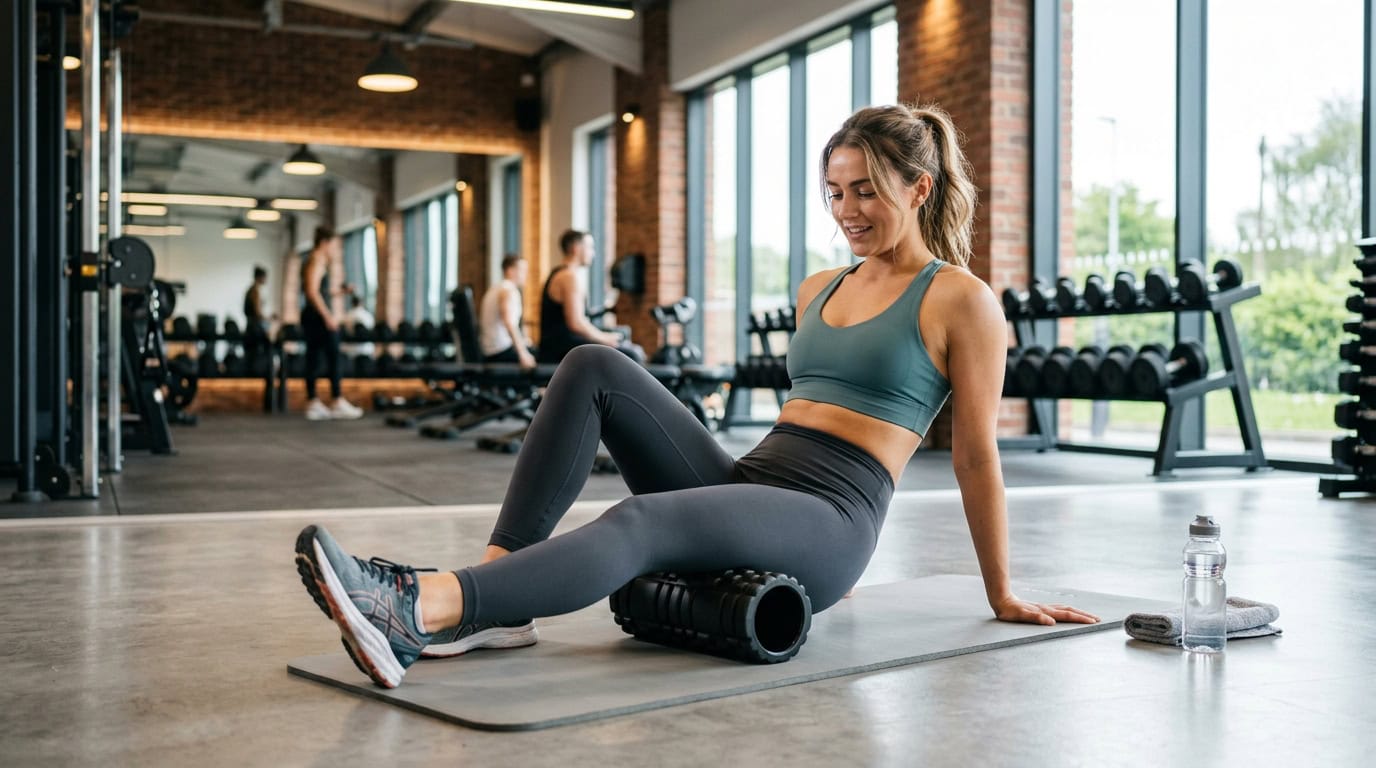
    4. Foam Rolling and Self-Myofascial Release

    Spend 10 to 15 minutes with a foam roller targeting major muscle groups. This helps break up fascial adhesions, improves range of motion, and can reduce next-day soreness by up to 30% according to research from the International Journal of Sports Physical Therapy.

    5. Contrast Therapy

    Alternating between hot and cold exposure — such as a warm shower followed by 30 seconds of cold water — can improve circulation and reduce inflammation. Some UK gyms now offer ice baths and saunas, which take this to the next level.

    Sample Training Week with Built-In Recovery

    Here is a balanced weekly structure that works for most intermediate lifters:

    Day Activity Intensity
    Monday Strength training (upper body) High
    Tuesday Strength training (lower body) High
    Wednesday Active recovery (walk, yoga, swimming) Low
    Thursday Strength training (push/pull or full body) High
    Friday Cardio or conditioning Moderate
    Saturday Full rest or light outdoor activity Very low
    Sunday Strength training (accessory work or weak points) Moderate

    Notice that even within this schedule, there are two lighter days. The exact split will depend on your goals, but the principle remains: you grow when you rest, not when you train.

    Finding the Right Gym for a Balanced Training Approach

    Not all gyms support a smart recovery strategy. The best facilities offer more than just heavy weights — they provide the equipment and space you need for mobility work, stretching, and active recovery. When you are searching for your ideal gym, look for ones with dedicated stretching areas, recovery-focused classes, and even sauna or pool access.

    If you are looking for a gym in the UK that fits your training style — whether you want a hardcore lifting environment or a more balanced wellness-focused space — GymPal makes it easy to compare options near you. You can browse thousands of UK gyms, filter by facilities, and read what other members have to say. It is the simplest way to find a gym that supports both your training and your recovery.

    The Bottom Line

    More is not always better. In fitness, the quality of your recovery directly determines the quality of your results. By scheduling proper rest days, eating well, sleeping enough, and incorporating active recovery, you will actually progress faster than if you trained every single day.

    Your muscles grow outside the gym. Give them the environment they need to do their job — and you will see the difference in your next session.


    Looking for a gym that supports your whole fitness journey? Search GymPal to find UK gyms with recovery facilities, flexible membership options, and everything you need to train smart.


  • The Rise of Women-Only Gyms in the UK: Why This Niche Is Booming (And How Gym Owners Can Tap In)

    The Rise of Women-Only Gyms in the UK: Why This Niche Is Booming (And How Gym Owners Can Tap In)

    Women-Only Gyms Are Having a Moment — And It’s Not a Passing Trend

    Walk into any women-only fitness studio across the UK right now and you’ll feel it immediately: the energy is different. There’s no waiting for the squat rack, no ego lifting, no uncomfortable stares. Just women — from complete beginners to seasoned athletes — training in an environment designed entirely around their needs. with mindful offerings (yoga, Pilates, barre) and strength-focused sessions. Variety keeps members engaged and coming back.

    4. Leverage Member Stories

    Nothing sells a women-only gym like the experiences of real members. Encourage testimonials, share transformation stories (with permission), and create content around your community. Authenticity resonates strongly in this space.

    5. Partner with Local Businesses

    Connect with local women’s health practitioners, wellness brands, and community groups. Cross-promotion with complementary businesses — physios, nutritionists, activewear shops — can drive new members through your doors.

    The Bottom Line

    Women-only gyms aren’t a niche sideline — they’re a growing sector of the UK fitness industry with strong fundamentals. High retention, passionate communities, and underserved markets across the country make this one of the most compelling opportunities for gym owners right now.

    If you’re running a women-only gym or thinking about starting one, make sure you’re visible to the people looking for you. Claim your free listing on GymPal today and start connecting with members who are actively searching for exactly what you offer.

  • Gym Etiquette 101: The Unwritten Rules Every New Member Should Know

    Gym Etiquette 101: The Unwritten Rules Every New Member Should Know

    First Day Nerves? Here Is How to Fit Right In

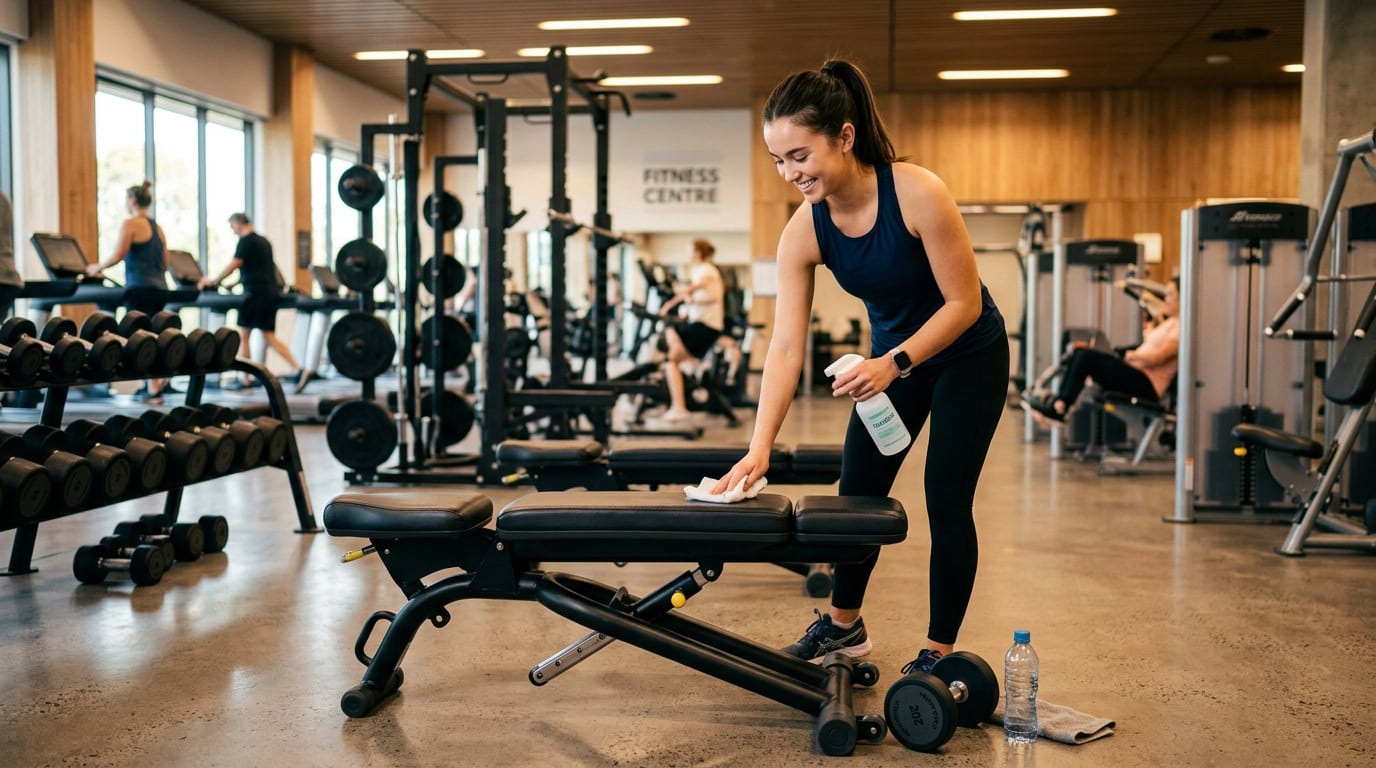
    Walking into a gym for the first time can feel overwhelming. There is the unfamiliar equipment, the confident regulars who seem to know exactly what they are doing, and the nagging worry that you might do something wrong. for a reason. After using a bench, machine, or mat, give it a quick wipe down.

    Nobody wants to sit in someone else is sweat. It takes five seconds and shows respect for the next person. Most gyms have cleaning stations dotted around the floor — if you cannot spot one, ask at reception.

    2. Do Not Hog the Machines

    Gym floors get busy, especially during peak hours (typically 5–7pm on weekdays). If someone is waiting for the machine you are using, let them work in with you between sets, or finish up and move on.

    Here is what to avoid:

    • Spending 30 minutes on a single machine while scrolling through your phone
    • Sitting on equipment between sets when someone is clearly waiting
    • Using multiple machines simultaneously (supersetting) during busy hours
    • Leaving your towel or water bottle on a bench to “reserve” it while you wander off

    3. Re-Rack Your Weights

    This one frustrates regular gym-goers more than almost anything else. When you have finished with dumbbells, kettlebells, or plates, put them back where you found them. Not only is it courteous, but it also prevents trips and injuries.

    If you are unsure where something goes, look at the weight racks — they are usually organised by size. When in doubt, ask a staff member rather than leaving weights on the floor.

    4. Keep Your Phone Calls Off the Gym Floor

    If you need to take a call, step into the lobby, changing room, or a designated quiet area. Nobody wants to hear your phone conversation while they are trying to focus on their workout.

    That said, using your phone for music, tracking your workout, or filming your form (if the gym allows it) is perfectly fine. Just be mindful of where you are pointing your camera — always check that nobody is in the background before you hit record.

    5. Respect Personal Space

    Gyms can get crowded, and you will sometimes need to work out near other people. A few simple rules:

    • Choose a spot away from others when picking where to do your floor exercises, stretching, or circuits
    • Avoid working out directly in front of the dumbbell rack — it blocks access for everyon

      … [OUTPUT TRUNCATED – 504867 chars omitted out of 554867 total] …

      s.

      Should I choose a treadmill or road running for cardio?

      I’ve often wondered which is better for cardio: running on a treadmill or hitting the road. They both have their perks, and picking one depends on what suits your routine and goals. Here’s how they compare side by side:

      Aspect Treadmill Running Road Running
      Setting Controlled indoors with no weather worries. Fresh air and the thrill of outdoor scenery.
      Surface Flat and cushioned, ideal for joints. Varied terrain, like pavements, grass, or trails.
      Metrics Tracking Tracks speed, distance, and calories with precision. Less automated but fitness watches or apps can help.
      Adaptability Great for keeping pace or interval workouts constant. Adapts to uneven paths and weather changes.
      Convenience Available anytime, rain or shine. Perfect for gym-goers. Can double as a commute or an adventure.
      Enjoyment Can feel repetitive, but music or TV helps. Fresh surroundings keep things interesting.
      Joint Impact Lower impact, thanks to the cushioned belt. More strain on knees and ankles from harder surfaces.

      Both are great options. One offers controlled workouts, the other adventure.

      Strength Training Alternatives

      Building strength doesn’t need fancy machines or a gym membership. With just a few simple tools and your own body, you can get stronger anywhere.

      What are effective bodyweight exercises for strength?

      Bodyweight exercises are great for building strength and need no equipment. They fit into any schedule and work for all fitness levels.

      1. Push-ups strengthen your chest, arms, and shoulders. Modify by doing them on your knees or against a wall if you’re new to it. Increase difficulty with clap push-ups or slower movements.
      2. Squats target your legs, glutes, and core while improving mobility. Add a jump at the top to make it more intense or hold the squat longer for extra burn.
      3. Lunges enhance balance and leg strength. Step forward or backward in place, or walk across a room to add variety.
      4. Planks build strong core muscles and improve posture over time. Try side planks or mix in shoulder taps to challenge yourself.
      5. Burpees combine cardio with full-body strength training in one move. They boost stamina quickly but can be scaled down by removing the jump if needed.
      6. Bridges engage your glutes, lower back, and hamstrings effectively. Lift one leg off the ground during the movement for more intensity.
      7. Mountain climbers blend core activation with cardio bursts that torch calories fast while engaging multiple muscle groups at once.

      These exercises help maximise physical activity anywhere!

      How can resistance bands and weights improve strength training?

      Resistance bands make strength training flexible and fun. They give variable resistance, so I can adjust the intensity as I get stronger. These lightweight tools fit in a bag, making them handy for both home workouts and gym sessions.

      Using them improves flexibility and strengthens my core without needing heavy equipment.

      Free weights like dumbbells or kettlebells target specific muscles better than machines do. Lifting heavier over time boosts muscle growth and bone density, reducing risks of osteoporosis later in life.

      Combining these with resistance bands adds variety to prevent boredom while keeping progress steady.

      Outdoor Fitness Activities

      Fresh air and open spaces make outdoor workouts feel less like a chore. Get moving, explore nature, and let fitness come naturally.

      Young adults engaged in an outdoor cardio fitness session in a park.

      How can hiking and trail running boost fitness?

      Hiking and trail running challenge the body in fresh ways. The changing terrain strengthens muscles, improves balance, and increases stamina. Climbing hills and tackling natural obstacles make the heart work harder, improving cardiovascular health.

      I always feel my lungs working more as I breathe deeper in clean outdoor air.

      These activities torch calories too, aiding weight management. Hiking helps bones stay stronger due to the weight-bearing nature of walking trails. Plus, being outdoors lifts my mood and eases stress through sunlight and peaceful surroundings.

      Group hikes also add motivation by creating social connections.

      Cycling offers another exciting way to improve fitness while exploring beautiful areas across the UK!

      Why is cycling great for fitness and exploration?

      Cycling keeps me fit while letting me explore new areas. Riding outside improves heart health and lowers my risk of disease. Every ride burns calories, helping with weight loss goals.

      Long rides build leg strength and boost endurance too.

      Breathing in fresh air beats stuffy gyms any day. I love how cycling gives me a chance to see green spaces or join local events supported by businesses nearby. Using a tracker adds excitement as I monitor distance, speed, and my progress during each trip.

      This makes workouts fun yet effective! Let’s shift gears now into outdoor fitness activities like hiking and running trails for even more ways to stay active outdoors!

      Building Motivation and Sustainable Habits

      Set small goals that you can smash, instead of aiming for the moon. Find activities you love, and exercise won’t feel like a chore!

      How do I set achievable fitness goals?

      Setting fitness goals is key to progress. Goals keep me motivated and focused.

      1. Start with a clear aim. I decide if I want to lose weight, build strength, or improve endurance. Defining the purpose helps me stay on track.
      2. Write it down. I jot my goal on paper or a fitness app. This makes it real and easier to follow.
      3. Be specific with targets. Instead of saying “get fitter,” I may aim to jog 5 km in 30 minutes or lift 10 kg weights by December.
      4. Focus on one at a time. Trying to do too much can be distracting. For example, if my focus is weight loss, I might prioritise cardio routines over other exercises.
      5. Set deadlines for each goal. Timelines push me into action and help measure success.
      6. Use technology for tracking progress. Wearable gadgets like smartwatches count my steps and monitor heart rate during workouts.
      7. Break big goals into smaller steps. If aiming for a marathon, first run shorter distances regularly before increasing miles weekly.
      8. Celebrate small victories along the way! Reaching even minor milestones boosts motivation and joy in exercise routines.
      9. Adjust based on results but stay realistic about limits; pushing too fast leads to burnout or injury.
      10. Seek help from apps or personal trainers if stuck; they personalise plans using data such as performance history or physical needs!

      How can I find joy in my fitness routine?

      I make fitness fun by trying activities I enjoy, like dance or drumming workouts. The music lifts my mood and keeps me moving without feeling bored. Virtual reality cardio also feels like playing a game, not exercising.

      Group classes with cool lighting and live stats create energy and motivation. Outdoor options, such as hiking or cycling, let me explore new views while staying active. Socialising at gym cafés adds a nice touch after workouts too!

      Outdoor fitness gets even better under the next section on hiking and trail running for boosted physical health!

      For More Fitness Options and Tips Visit GymPal

      I always like finding helpful websites for fitness. GymPal makes it so easy to explore different types of exercise and find gyms near you with their comprehensive directory, with over 10,000 fitness venues

      They are also in the process of launching their new AI assistant called Flex to help you with all things fitness

      Final Word

      Fitness can be fun, varied, and effective without sticking to a treadmill. From dance classes to hiking trails, there’s something for everyone. Each option helps build strength, endurance, or joy in its own way.

      Why not try a new activity this week? Explore what suits you best and make fitness part of your lifestyle!

      FAQs

      1. What are some fitness options in the UK beyond running on a treadmill?

      The UK offers plenty of alternative workouts. You can try high-intensity interval training, outdoor boot camps, or even join local cycling groups. For something different, look into yoga studios or rock climbing centres.

      2. How can I choose the right workout for my fitness goals?

      Think about what you want to achieve: better physical fitness, improving your physique, or boosting stamina as a runner. Explore activities that match your goals and test them out until one clicks.

      3. Are there popular brands in the UK promoting health and fitness?

      Yes, many brands focus on health and fitness here. Look at gyms like PureGym or boutique studios offering specialised classes like Barry’s Bootcamp for high-intensity sessions.

      4. Is high-intensity interval training suitable for beginners?

      It can be! Start with shorter intervals at lower intensity levels to build up strength and endurance over time without overwhelming yourself early on.

  • How to Price Your Gym Memberships Competitively in the UK (Without Undervaluing Your Services)

    How to Price Your Gym Memberships Competitively in the UK (Without Undervaluing Your Services)

    Finding the Sweet Spot Between Affordable and Profitable

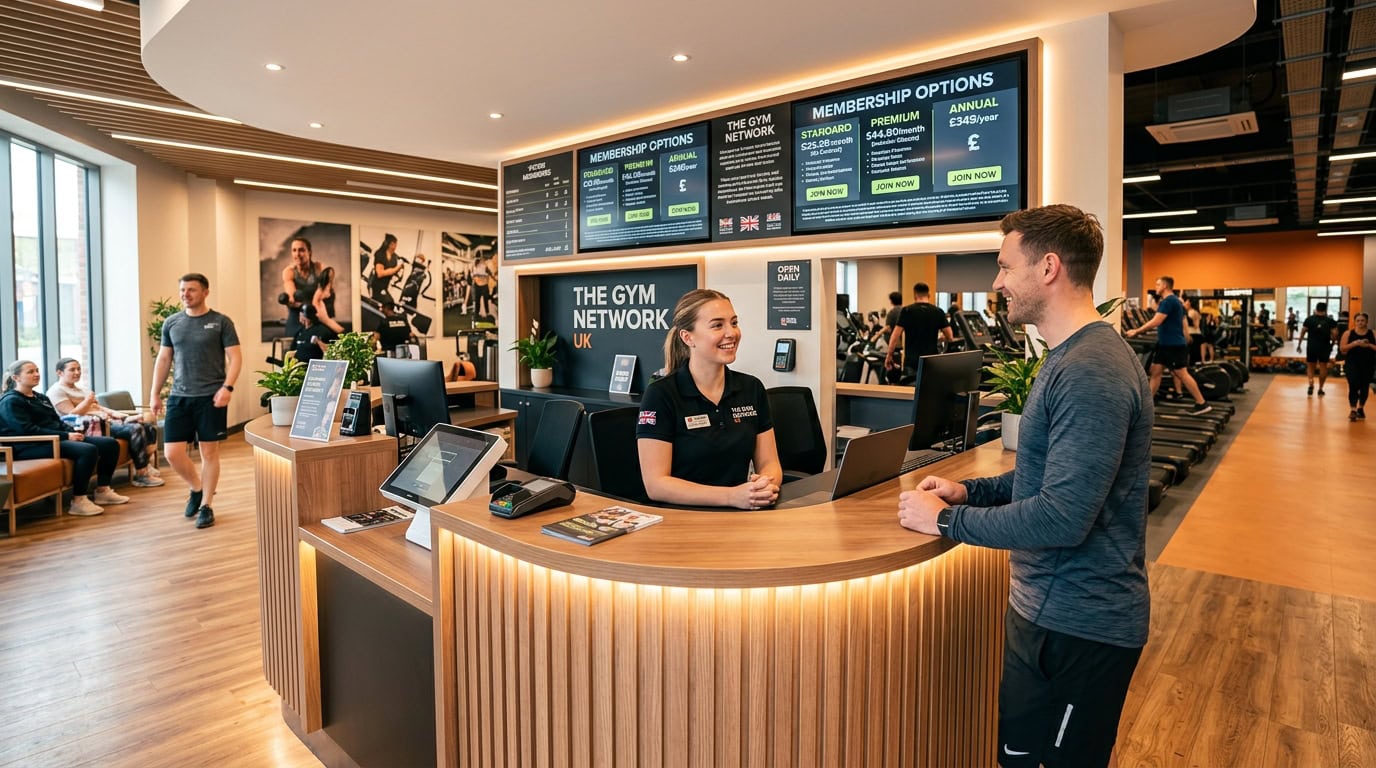
    Pricing your gym memberships is one of the most consequential decisions you will make as a UK gym owner. Set your rates too high and you risk pricing out your local market. Set them too low and you undermine your revenue, your brand perception, and your ability to invest back into the facility. — typically £20–£35/month

  • Mid-range independent gyms — typically £35–£60/month
  • Premium or specialist facilities — typically £60–£120+/month
  • But do not stop at monthly fees. Check what is included in each tier: classes, personal training discounts, pool access, parking, locker hire, and flexible contracts. A £45/month membership that includes unlimited classes and no joining fee can represent better value than a £30/month option with hidden costs.

    You can compare gyms and their offerings in your area on GymPal — the UK fitness directory that helps people discover gyms near them. If your gym is listed, make sure your pricing and facilities are up to date so potential members can see the value you offer.

    Calculate Your True Costs First

    Competitive pricing is not the same as the cheapest pricing. You need to understand your floor — the minimum price that covers your costs and leaves room for reinvestment.

    Fixed Costs (Monthly)

    Variable Costs

    Divide your total monthly costs by your target membership number. That gives you your break-even rate per member. Your pricing must sit comfortably above this figure.

    Tiered Pricing: Give Members Options

    A single membership price works for some gyms, but a tiered structure gives you more flexibility and attracts a wider range of members. Consider offering:

    1. Off-Peak Membership

    Access during quieter hours (e.g., 6am–10am, 2pm–4pm). This is ideal for shift workers, retirees, and freelancers. Price it 20–30% below your standard rate. You fill empty capacity at minimal extra cost.

    2. Standard Membership

    Full access during all opening hours, gym floor only. This is your core offering and should be priced competitively against local alternatives.

    3>Premium Membership

    Everything in standard plus unlimited classes, guest passes, and priority booking. Some gyms add perks like free parking, locker hire, or a monthly personal training session. Price this at 40–60% above standard.

    Tiered pricing lets members self-select based on their budget and usage. It also creates an upgrade path — members who start on off-peak often move to standard or premium as their commitment grows.

    The Psychology of Gym Pricing

    Anchor Higher, Offer Lower

    List your premium tier first on your website and marketing materials. When members see the premium price, the standard option feels more reasonable — a well-established pricing principle called price anchoring.

    Avoid Rounding Down Too Aggressively

    £39.99 is not necessarily better than £40. For premium services, round numbers (e.g., £50, £75) can actually signal higher quality and reduce the perception of a “budget” brand.

    Annual Commitment Discounts

    Offer 10–15% off for annual upfront payment. This improves your cash flow and reduces member churn. Just make sure the discount is genuine — members will compare your monthly equivalent against your standard rate.

    Joining Fees: Use Them Strategically

    A joining fee (typically £20–£50) creates a psychological commitment that reduces early drop-off. But be transparent about it. Hidden joining fees discovered at checkout are a fast route to bad reviews and lost sign-ups. Some gyms waive the joining fee during promotional periods to drive acquisition.

    Review and Adjust Regularly

    Your pricing should not be set-and-forget. Review it at least twice a year and consider adjustments when:

    When you do increase prices, communicate the reason clearly. Members are far more accepting of price rises when they understand the value behind them — new equipment, extended hours, or improved facilities.

    Get Discovered by the Right Members

    Competitive pricing only works if potential members can find you and compare what you offer. GymPal is the UK directory connecting gyms with people actively searching for fitness services. With over 10,000 businesses already listed, it is where gym-goers go to discover, compare, and choose their next gym.

    If you have not claimed your GymPal listing yet, you are missing out on a free channel for member acquisition. Find out why listing your business on GymPal matters and get started today.

    Key Takeaways


    Is your gym listed on GymPal? Over 10,000 UK fitness businesses are in our directory. Claim your free listing in 5 minutes — and start getting discovered by local fitness seekers today.

  • How to Choose the Right Gym for Weight Training: A Complete Guide for UK Beginners

    How to Choose the Right Gym for Weight Training: A Complete Guide for UK Beginners

    Starting Your Weight Training Journey in the UK

    If you’ve decided to start weight training, congratulations — you’re about to begin one of the most rewarding fitness journeys you can take. But with over 7,000 gyms across the UK, finding the right one for your goals can feel overwhelming. This guide will walk you through everything you need to consider before signing up..

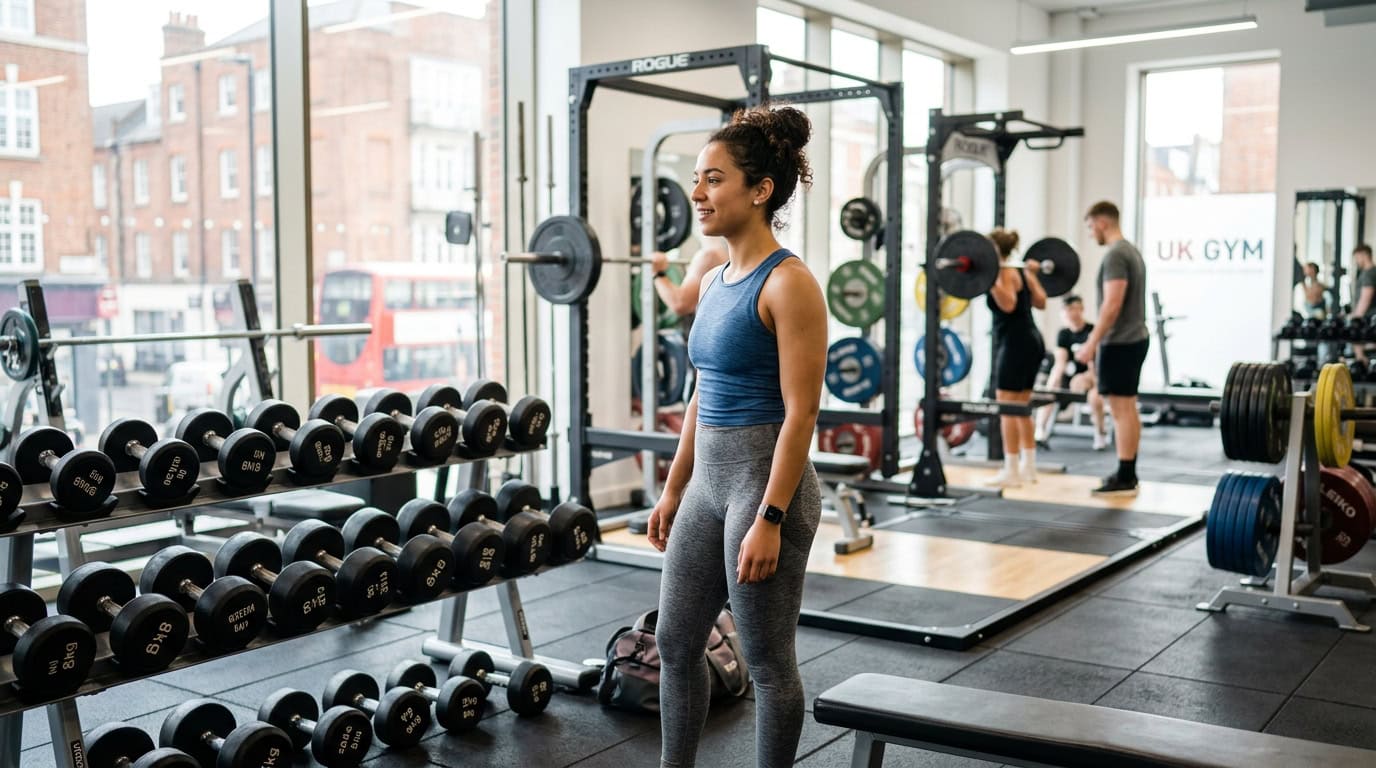
  • Flat, incline, and decline benches — you’ll need all three for a well-rounded programme.
  • Cable machine — essential for isolation exercises and accessory work.
  • Nice-to-Haves

    Gym Size vs Equipment Quality

    Don’t assume bigger is always better. Many large chain gyms prioritise cardio machines and have surprisingly limited free weight areas. Conversely, some smaller independent gyms pack an impressive amount of lifting equipment into a compact space. When visiting a gym, pay attention to:

    Gym Culture: The Intangibles That Matter

    Lifting-Friendly Atmosphere

    The best gyms for weight training have a culture that supports it. Look for:

    Women-Friendly Weight Areas

    If you’re a woman starting weight training, feeling comfortable in the weights area is crucial. Many UK gyms now have dedicated women’s lifting areas or at least a balanced mix of genders in the free weight section. Look for gyms that actively promote women’s strength training through classes or community groups.

    Staff Expertise: Why It Makes a Difference

    Good gym staff can accelerate your progress significantly. When choosing a gym, consider:

    A gym with knowledgeable staff is worth paying a premium for, especially in your first year of training.

    Location and Opening Hours

    Consistency is the key to progress in weight training, and convenience drives consistency. Choose a gym that:

    Budget Considerations for Weight Training

    What You’re Actually Paying For

    When comparing gym prices, focus on the equipment and facilities that matter for your goals. A £20/month budget gym with excellent free weights is better value than a £90/month premium gym with amazing pool facilities you’ll never use.

    Hidden Costs to Watch

    Questions to Ask on Your Gym Visit

    Before signing anything, ask these questions:

    1. How many squat racks and bench stations do you have?
    2. What’s the heaviest dumbbell available?
    3. Is chalk allowed?
    4. Can I deadlift here?
    5. What’s included in the induction?
    6. How busy does the free weight area get at [your preferred time]?
    7. What’s your cancellation policy?

    How GymPal Helps You Find the Right Gym

    Searching for the perfect gym doesn’t have to mean visiting a dozen websites. GymPal lists over 10,000 UK gyms and fitness centres with details about facilities, locations, and member reviews — all in one place. You can search by area, filter by gym type, and compare options side by side.

    Whether you’re looking for a dedicated strength training facility in Manchester, a budget-friendly gym with good free weights in Birmingham, or a women-friendly lifting space in London, GymPal makes it easy to find the right fit.

    Start your search at askgympal.co.uk — it’s completely free to browse, and you might just discover the perfect gym for your weight training journey.

    Key Takeaways

  • Your First Week at the Gym: A Day-by-Day Plan for Beginners

    Your First Week at the Gym: A Day-by-Day Plan for Beginners

    Walking into a gym for the first time can feel overwhelming. Machines you do not recognise, people who look like they belong there, and a schedule you are not sure how to fill. But everyone starts somewhere — and having a clear plan for your first week makes all the difference. to keep your body moving without strain

  • Stay hydrated and eat a balanced meal with protein
  • Consider doing some gentle stretching at home
  • Day 3: Full-Body Machine Circuit

    Now that you know the layout, it is time to try some machines. Resistance machines are ideal for beginners because they guide your movement and reduce the risk of injury.

    A simple circuit (2 rounds):

    1. Leg press — 10–12 reps (light weight)
    2. Chest press — 10–12 reps
    3. Lat pulldown — 10–12 reps
    4. Seated row — 10–12 reps
    5. Leg curl — 10–12 reps

    Rest for 60 seconds between each exercise. Start with the lightest weight and focus on getting the movement right before adding load.

    Finish with:

    Duration:

    35–45 minutes.

    Day 4: Rest and Reflect

    Another rest day. Use this time to reflect on how you are feeling:

    Day 5: Upper Body Focus + Cardio

    Splitting your sessions by body part helps you target muscles more effectively without spending hours in the gym.

    Workout:

    1. Dumbbell bicep curls — 2 sets of 10 reps
    2. Tricep pushdown (cable machine) — 2 sets of 10 reps
    3. Shoulder press (machine or light dumbbells) — 2 sets of 10 reps
    4. Press-ups — 2 sets of as many as you can manage (knees on the floor is absolutely fine)

    Cardio finisher:

    Duration:

    35–40 minutes.

    Day 6: Lower Body Focus

    Leg day does not have to be intimidating. Keep it simple and controlled.

    Workout:

    1. Goblet squat — hold a single light dumbbell at your chest, 2 sets of 10 reps
    2. Leg press — 2 sets of 12 reps
    3. Walking lunges — 2 sets of 8 per leg (bodyweight is fine to start)
    4. Calf raises — 2 sets of 15 reps (use a step or the leg press machine)

    Finish with:

    Duration:

    35–40 minutes.

    Day 7: Active Recovery

    Congratulations — you have made it through your first week. Day seven is about recovery and celebration.

    What to do:

    Common Beginner Mistakes to Avoid

    Planning Your Second Week and Beyond

    Now that the first week is behind you, you can start gradually increasing intensity. Add a little more weight, try a new machine, or extend your cardio by a few minutes. The key is progressive overload — small, consistent increases that challenge your body just enough to adapt.

    If you are thinking about personal training but are not sure where to start, GymPal lists gyms across the UK with details on their facilities, classes, and trainer availability. You can filter by location, budget, and the type of gym that suits your goals — whether that is a budget-friendly chain, a boutique studio, or a specialist facility.

    Finding the Right Gym for You

    Your first week sets the tone for your entire fitness journey, and having the right gym makes a massive difference. If you are still looking or considering a switch, explore gyms on GymPal to find options near you. You can compare prices, read real reviews, and discover gyms you might not have known existed — all in one place.

    The hardest part is showing up. Once you are through the door, everything else gets easier. See you in the gym.

    Quick Reference: Your First Week at a Glance

    Day Focus Duration
    Day 1 Orientation + light cardio 20–30 min
    Day 2 Rest — light walk + stretch 15–20 min
    Day 3 Full-body machine circuit 35–45 min
    Day 4 Rest — reflect and plan —
    Day 5 Upper body + cardio finisher 35–40 min
    Day 6 Lower body focus 35–40 min
    Day 7 Active recovery + reflection 20 min

    Looking for more beginner-friendly tips? Visit GymPal to find UK gyms with inductions, personal trainers, and beginner programmes designed to help you start strong.

  • 24-Hour Gyms in the UK: Who Is Open When You Need Them

    24-Hour Gyms in the UK: Who Is Open When You Need Them

    Whether you are clocking off a night shift at 6am, squeezing in a session before the rest of the world wakes up, or you simply cannot face a packed gym at 6pm, the appeal of a 24-hour gym is undeniable. Flexible gym access is no longer a niche perk — it has become a mainstream expectation for millions of UK fitness-goers. (see ukactive State of the UK Fitness Industry report. According to Sport England Active Lives survey

    But not all gyms are created equal when it comes to opening hours. Some advertise “extended hours” that still do not quite reach midnight. Others hand you a key fob and genuinely mean it when they say 24/7. So who is actually open when you need them?

    This guide breaks it all down.

    Why Demand for 24-Hour Gyms Is Growing in the UK

    The traditional 9-to-5 is fading fast. With more people working flexible hours, shift patterns, and remote schedules, the gym industry has had to keep pace.

    There are a few groups driving the demand for round-the-clock gym access:

    • Shift workers — nurses, paramedics, factory workers, warehouse staff, and hospitality workers whose days do not follow a conventional schedule
    • Busy professionals — people who work long hours and can only realistically train early in the morning or late at night
    • Early birds — those who find a 5am session the best way to start the day, mentally and physically
    • Night owls — people who are simply more energised in the evening and do not want to rush to beat closing time
    • Parents — those who can only train once the kids are in bed

    For all of these people, a gym that closes at 10pm is a gym they cannot always use. That is a real barrier to staying consistent — and consistency is everything when it comes to fitness results.

    The Major 24-Hour Gym Chains in the UK

    Here is a look at the big players offering 24/7 or late-night access across the UK.

    Anytime Fitness

    True 24/7 access. Anytime Fitness lives up to its name. Members receive a key fob that allows them to enter any Anytime Fitness club, anywhere in the world, at any time of day or night. With hundreds of UK locations, it is one of the most reliable choices for genuine round-the-clock access.

    Expect a clean, well-equipped space with cardio machines, free weights, and functional training areas. Staff are present during staffed hours, but the facility remains accessible outside of those times.

    Price range: Approximately £30–£45/month depending on location.

    PureGym

    Varies by location, many are 24/7. PureGym is the UK’s largest gym chain by membership, and a significant number of its clubs offer 24/7 access. However, not all do — so it is worth checking your specific branch before assuming.

    PureGym offers a no-contract model that is popular with people who want flexibility. Equipment is solid, the spaces are generally modern, and the pricing is competitive.

    Price range: From around £20–£35/month.

    The Gym Group

    Many locations open 24/7. The Gym Group positions itself as a budget-friendly alternative with no-contract memberships and 24/7 access at a large number of its UK clubs. Like PureGym, availability varies by site, so it is worth confirming your local branch’s hours.

    A straightforward gym experience with solid equipment and a no-frills approach that suits people who just want to get in, train hard, and get out.

    Price range: From around £15–£25/month.

    Snap Fitness

    24/7 key fob access. Snap Fitness operates a similar model to Anytime Fitness — members get a fob that lets them into the club at any hour. It is a smaller chain in the UK but growing, with clubs typically offering a good range of equipment in a clean, compact space. See also: How to Use Google Business Profile to Get More Local Gym Mem.

    Price range: Approximately £25–£40/month.

    JD Gyms

    Extended hours at many locations. JD Gyms does not always advertise itself as 24/7, but many locations have significantly extended hours — often open until midnight or later. If you need a late-night option but do not need 3am access, JD Gyms is worth checking.

    Equipment quality tends to be high, and the facilities often include functional training areas, classes, and more.

    Price range: From around £20–£30/month.

    Energie Fitness

    24/7 at selected clubs. Energie Fitness is a franchise-based chain with a growing number of clubs offering 24/7 access. Quality can vary between locations given the franchise model, but many clubs are modern and well-equipped.

    Price range: Approximately £25–£40/month.

    What to Look for in a 24-Hour Gym

    Not all 24/7 gyms are the same. Before you sign up, consider:

    • Safety features — Are there CCTV cameras throughout? Is there an emergency call system? A good 24/7 gym takes security seriously, especially during unstaffed hours.
    • Access method — Key fob access is the standard for most 24-hour gyms. Make sure you understand how entry works outside of staffed hours.
    • Equipment availability — Does the equipment meet your needs? Check whether the gym has free weights, squat racks, cardio machines, and any specialist kit you rely on.
    • Contract terms — Many 24-hour gyms offer no-contract or rolling monthly memberships. Check what you are signing up for before committing.
    • Parking and location — If you are training at 2am, is the gym easy to get to? Is there safe, accessible parking or good transport links nearby?

    How to Find a 24-Hour Gym Near You

    Searching online for “24 hour gym near me UK” will give you a starting point, but it can be hard to compare options, check real opening hours, and filter by what matters to you.

    GymPal is a UK fitness directory that makes this search easier. You can search for gyms in your area, filter by the features that matter to you — including opening hours — and find options that actually fit your schedule.

    Whether you are a nurse finishing a night shift, a parent with a narrow training window, or someone who just works better at unconventional hours, GymPal helps you find the gym that works around your life rather than the other way around.

    Search for 24-hour gyms near you on GymPal →

    Tips for Making the Most of Off-Peak Gym Time

    If you do find a 24-hour gym that suits you, here are a few ways to make the most of training outside the rush:

    • Take advantage of the quiet. Off-peak hours mean no queues for equipment, no waiting for a squat rack, and more space to focus.
    • Plan your session in advance. When you are training alone at an unusual hour, having a clear plan helps you stay focused and safe.
    • Prioritise compound movements. If you are new to training unsupervised, stick to exercises you know well and feel confident performing without a spotter.
    • Stay hydrated. It sounds basic, but it is easy to forget when you are the only one in the building.
    • Let someone know. If you are heading to the gym in the early hours, it is a good habit to let a friend or family member know where you are.

    Final Thoughts

    The UK gym landscape has genuinely evolved to meet the needs of people with non-traditional schedules. Whether you need full 24/7 access or simply want a gym with later closing times, there are strong options across every budget.

    The key is finding the right fit for your location, your routine, and your budget — and that starts with knowing what is available near you.

    Use GymPal to find 24-hour gyms in your area →