Stoptober is back, and this October millions of people across the UK will stub out their last cigarette and try to make it stick. If you’re one of them, here’s something that doesn’t get talked about enough: quitting smoking and getting into a fitness routine are the two best things you can do at the same time, because each one makes the other easier.
Your lungs start repairing almost immediately, your resting heart rate drops, and the money you’d have spent on a 20-a-day habit is suddenly sitting in your current account looking for a new job. A gym membership is a pretty good candidate.
This guide looks at what actually happens to your body when you quit, how exercise speeds up the recovery, what it’ll cost you (spoiler: a lot less than smoking), and how to ease yourself into a gym routine even if you’ve never set foot in one before.
What Happens to Your Body When You Quit (and Why Exercise Helps)
Within 20 minutes of your last cigarette, your heart rate starts to settle. After 12 hours, carbon monoxide levels in your blood drop back to normal, which means your blood can carry oxygen properly again — this is the bit that matters most for anyone thinking about getting active. Within a few weeks, circulation and lung function noticeably improve, and most new quitters report they can walk, jog or climb stairs without getting as breathless as before.
The NHS’s Better Health quit smoking service sets a target of 28 smoke-free days, because if you make it that far you’re around five times more likely to quit for good. Pairing those 28 days with regular movement isn’t just a nice-to-have — light cardio genuinely reduces nicotine cravings and takes the edge off the irritability that derails a lot of quit attempts in week two.
It works both ways too. Smokers often avoid exercise because they get out of breath fast and assume the gym “isn’t for them yet.” Once the carbon monoxide clears and lung capacity starts recovering, that barrier drops away quickly, usually faster than people expect.
Nicotine Withdrawal and Workouts: What to Actually Expect
Nobody enjoys the first week of quitting, and it’s worth being honest about that rather than pretending exercise makes it painless. Cravings tend to peak around day three, sleep can be patchy for the first fortnight, and some people notice their appetite picks up as the body readjusts without nicotine suppressing it. None of this is a sign that quitting “isn’t working” — it’s the standard withdrawal timeline, and it passes.
Exercise helps specifically with the craving side of things. A 10-15 minute walk or a short burst on a bike or rower has been shown to blunt the urge to smoke for up to an hour afterwards, which makes it a genuinely useful tool to reach for in the moment rather than just a long-term health upgrade. Keep workouts short and low-intensity in week one — this isn’t the week to chase a personal best. Your coordination, motivation and sleep are all in flux, and a gentle session you actually finish beats an ambitious one you abandon halfway through.
Hydration matters more than usual too. Nicotine affects appetite and fluid balance, and a lot of new quitters mistake dehydration for hunger or a craving. Carrying a water bottle to the gym and sipping through a session is a small habit that quietly makes the whole month easier.
The Money You Save: Cigarettes vs a Gym Membership
A 20-a-day habit in the UK now costs most smokers somewhere around £16-£18 a day depending on the brand, which works out to roughly £500-£550 a month. A no-frills UK gym membership — think PureGym, The Gym Group or your local council leisure centre — typically runs £20-£35 a month. Even a well-equipped independent gym with classes included rarely tops £60-£80 a month.
Put plainly: redirecting even a third of what you were spending on cigarettes covers a decent gym membership with room left over for trainers, a protein shake, or a cheeky post-workout coffee. It’s one of the few life changes where the “cost” column and the “benefit” column are both moving in your favour at the same time.
Starting From Zero: You Don’t Need to Be Fit First
One of the biggest myths about joining a gym after quitting smoking is that you need a baseline level of fitness to get started. You don’t. Walking, then brisk walking, then light jogging is a perfectly good on-ramp, and it’s exactly how structured beginner programmes are designed to work. If running is the eventual goal, a staged plan like Couch to 5K is built for people starting from precisely this point — lungs that are improving week by week rather than already match-fit.
The key is pacing yourself against your own recovery, not against anyone else in the room. Breathlessness that would have floored you a month into smoking will ease noticeably by week three or four of being smoke-free, so don’t judge week one as a verdict on how this is going to go.
Feeling Nervous About Walking Into a Gym? That’s Normal
If quitting smoking is already a big enough change for one month, the thought of also joining a gym for the first time can feel like too much at once. That nervousness has a name — gym anxiety, or “gymtimidation” — and it’s extremely common among people starting out, not just ex-smokers. Most of it comes from not knowing how equipment works or worrying everyone’s watching, and there are concrete ways to get past it, covered in detail in this guide to beating gym anxiety in the UK.
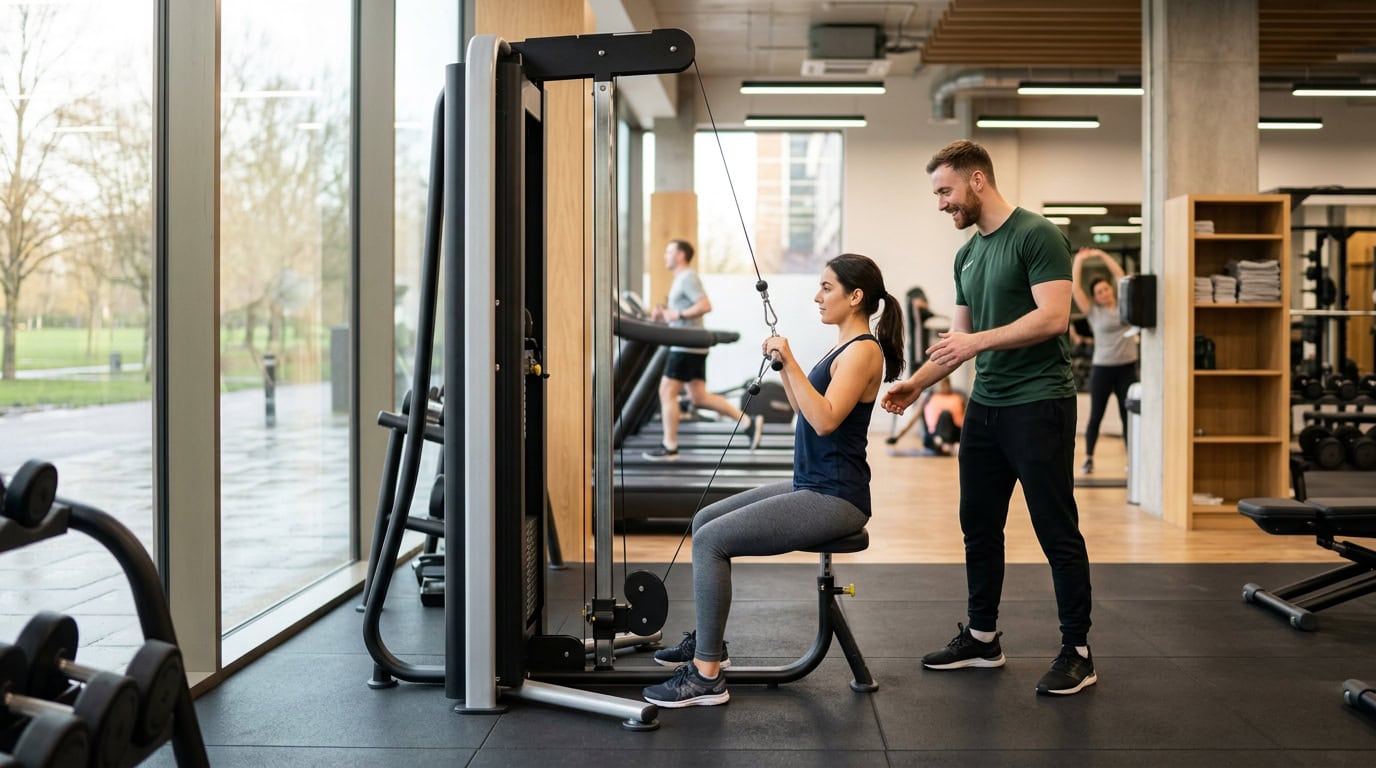
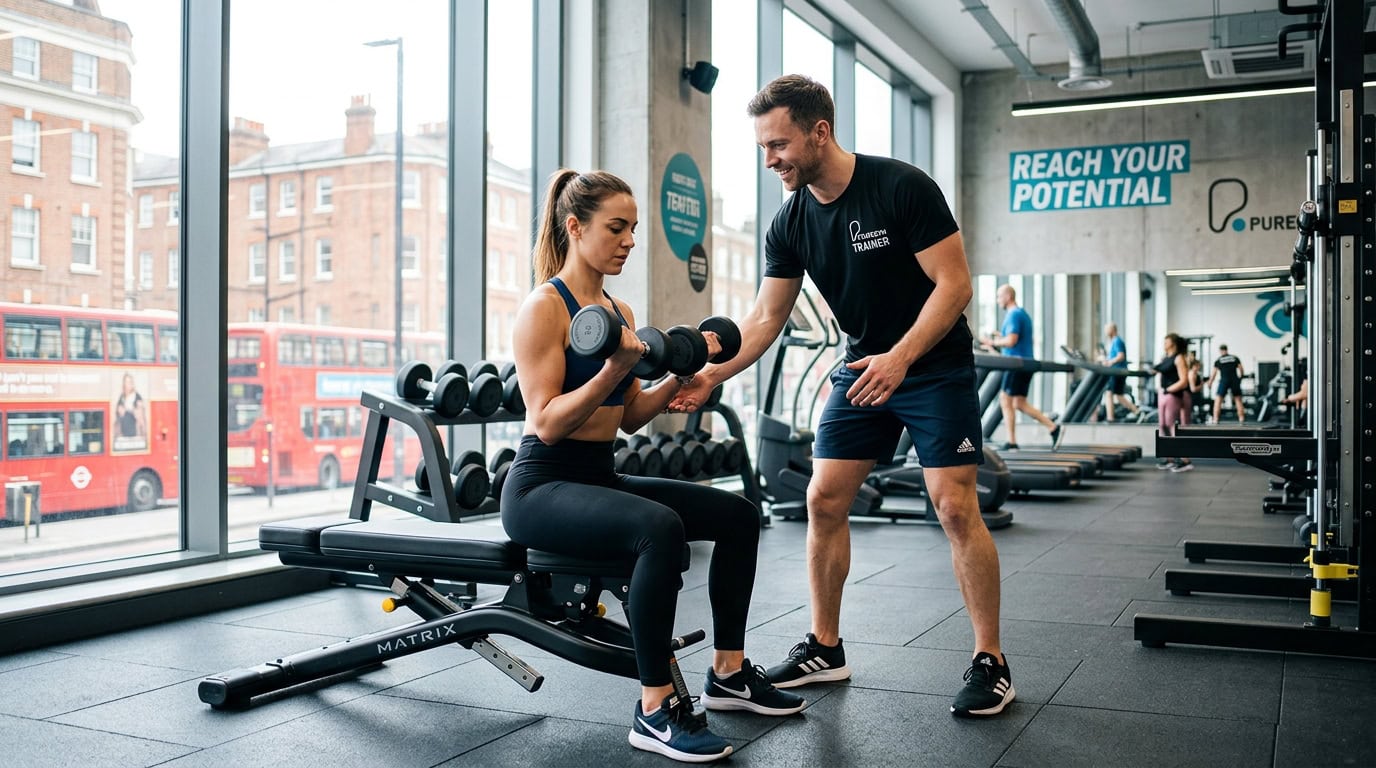
A practical shortcut: book an induction session. Every UK gym worth joining offers one, usually free, where a member of staff walks you through the kit before you’re expected to use it alone. It flattens the learning curve and means your first proper visit doesn’t double as your first time touching a cable machine.
Finding the Right Gym for Your Stoptober Reset
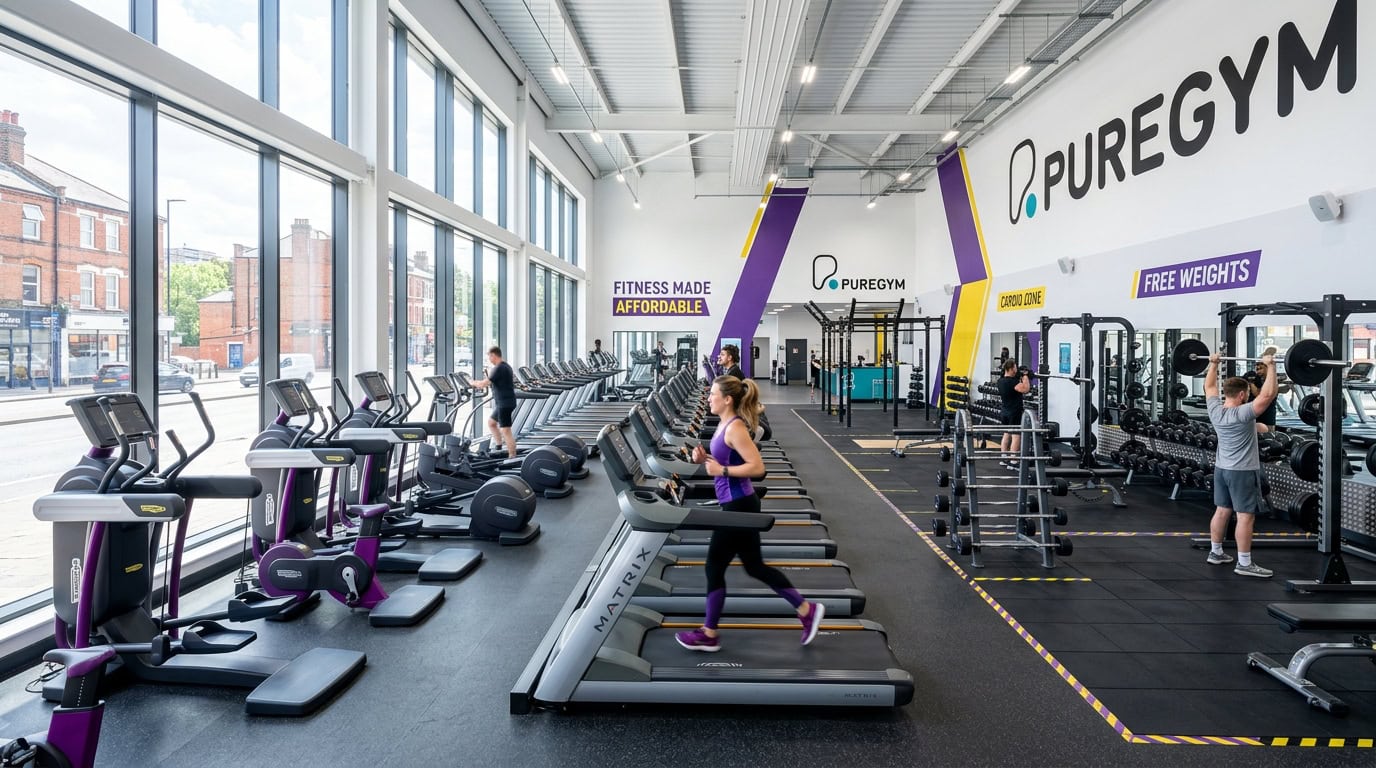
Not every gym suits every quitter. Some people do better with the structure of group classes and a bit of social accountability; others want to put headphones in, do their own thing on a treadmill, and leave. Think about what’s realistically going to keep you coming back in November and December, not just what sounds appealing on 1 October — motivation naturally dips once the novelty wears off, so build in low-effort consistency from day one rather than relying on willpower alone.
Location matters more than people admit. A gym that’s a 20-minute drive away gets skipped on tired days in a way a gym five minutes from home doesn’t. This is exactly the kind of decision a proper gym-choosing checklist is built to help with — weighing up location, opening hours, contract length and facilities before you commit to anything.
If you’d rather skip the spreadsheet entirely, GymPal’s gym finder at askgympal.co.uk lets you search UK gyms by postcode, filter by the facilities and class types that matter to you, and compare real options near you in a couple of minutes — handy when you’re trying to turn a Stoptober resolution into an actual booked induction before the motivation fades.
A Simple First-Month Plan
You don’t need a complicated programme for your first few weeks — you need something you’ll actually do. A structure that works well for people coming off cigarettes looks roughly like this:
Week 1: Three sessions, 15-20 minutes each, all low-intensity — brisk walking, a gentle bike, or a light swim if your gym has a pool. The goal is simply showing up and building the routine, not pushing hard.
Week 2: Same three sessions, slightly longer (20-25 minutes), and introduce some basic resistance work — bodyweight squats, a few machines, or a beginner induction if you haven’t had one yet. Cravings are usually easing by now, so energy levels start to climb.
Weeks 3-4: Add a fourth session if it feels manageable, start mixing in some light jogging intervals if running is a goal, and pay attention to how much easier stairs, hills and general daily activity feel compared to week one. This is usually when people notice the biggest jump in how they feel, not just how they perform.
By the time Stoptober ends on 31 October, the aim isn’t to be “fit” — it’s to have a routine that’s bedded in enough to survive the darker evenings and colder weather of November without much resistance.
Staying Smoke-Free (and Active) Beyond October
Stoptober is deliberately 31 days long because habits take roughly that long to start feeling automatic rather than effortful. The same applies to a new gym routine. The people who stick with both past November tend to do a few things in common: they pick a gym that’s genuinely convenient, they set a modest schedule (two or three sessions a week beats an ambitious five that quietly collapses), and they track small wins — first full flight of stairs without wheezing, first 5-minute jog, first week they didn’t think about a cigarette at all.
None of this needs to be dramatic. Replacing a habit that was costing your health and your bank balance with one that’s rebuilding both is, frankly, one of the better trades available to anyone this month.
Your Move This Stoptober
Quitting smoking and starting at the gym both get easier when you do them together — your lungs improve faster, your cravings are easier to manage, and the money you’re no longer spending on cigarettes can go straight into a membership that’s actively helping you feel better. Pick a gym that’s close enough to actually use, book an induction, and give yourself the same 28-day grace period the NHS recommends for quitting. Search nearby options on GymPal, book a visit, and make this the October the habit finally sticks — on both fronts.