Blog

  • How Independent Gyms Can Compete With Big Chain Gyms in the UK

    How Independent Gyms Can Compete With Big Chain Gyms in the UK

    Running an independent gym in the UK is no small feat. You’re up against massive chains with seven-figure marketing budgets, nationwide brand recognition, and the kind of buying power that keeps equipment costs low and membership prices aggressive. But here’s the thing — independent gyms have advantages that no corporate chain can replicate, and more UK fitness seekers are actively looking for exactly what you offer. that give members options and increase your revenue per member without needing to discount your core offering.

    4. Turn Your Members Into Your Marketing Team

    Word of mouth has always been the most powerful tool for independent gyms, and social media has supercharged it. Encourage your members to share their workouts, progress, and gym experience online. Make your gym Instagram-worthy — not with flashy décor, but with genuine energy, supportive culture, and results worth celebrating.

    • Run a referral programme that rewards existing members for bringing friends.
    • Create shareable moments — member transformations, gym challenges, charity events.
    • Feature your members on your own social channels (with their permission). People love being recognised, and it shows prospects that real people train at your gym.

    5. Make the First Visit Count

    First impressions are everything. When a potential member walks through your door — whether for a tour, a trial session, or a taster class — they’re deciding if this is a place they want to spend several hours a week. Make it count.

    • Greet everyone personally. A friendly face at the front desk beats a barcode scanner every time.
    • Offer a proper induction. Don’t just point at the equipment. Show them around, ask about their goals, and suggest a starting plan. This builds trust and dramatically improves conversion from trial to membership.
    • Follow up. A quick message after their first visit asking how it went shows you care and keeps the conversation going.

    6. Get Found by the Right People

    This deserves its own spotlight because it’s where most independent gyms fall short. You can have the best gym in your town, but if nobody knows you exist, you’re losing members to the chain that spent £50,000 on a billboard down the road.

    Getting listed on GymPal is one of the fastest ways to change that. GymPal is a UK fitness directory that connects gyms, studios, and personal trainers with people actively searching for fitness services in their area. With over 10,000 businesses already listed, it’s a platform that potential members are already using to find their next gym.

    Claiming your listing is free, takes just a few minutes, and gives you:

    • Visibility to local fitness seekers browsing for gyms in your area
    • A direct channel for enquiries and communication with interested prospects
    • The option to upgrade to a priority listing on GymPal’s AI chatbot for just £9/month — cheaper than any other advertising channel

    For independent gyms with limited marketing budgets, this kind of targeted visibility is invaluable. Head to askgympal.co.uk to claim your listing today.

    The Bottom Line

    Independent gyms don’t need to outspend the chains. They need to out-care them, out-expert them, and out-local them. Focus on delivering an experience that no corporate gym can replicate, make sure people can actually find you online, and price your offering with confidence. The UK fitness market is big enough for both models — and the demand for independent, community-driven gyms has never been stronger.

    Ready to get your gym in front of more local fitness seekers? Claim your free GymPal listing and start connecting with people who are actively looking for a gym just like yours.


    Is your gym listed on GymPal? Over 10,000 UK fitness businesses are in our directory. Claim your free listing in 5 minutes — and start getting discovered by local fitness seekers today.


  • Why Rest Days Are Non-Negotiable: The Science Behind Recovery and Muscle Growth

    Why Rest Days Are Non-Negotiable: The Science Behind Recovery and Muscle Growth

    If you’re hitting the gym five, six or even seven days a week and wondering why your progress has stalled, the answer might not be more training — it might be more rest. Rest days are one of the most underrated elements of any fitness programme, yet they’re essential for muscle repair, injury prevention, and long-term motivation. and testosterone (repair)

  • Reduces systemic inflammation built up from repeated training
  • Consolidates neuromuscular adaptations — your nervous system literally “learns” the movements

Skip the rest and you’re essentially tearing down without ever rebuilding.

How Many Rest Days Do You Need?

There’s no single answer, but most UK-based fitness professionals recommend at least one to two full rest days per week. Here’s a rough guide based on training intensity:

  • Beginners (0–6 months): 2–3 rest days per week. Your body is adapting to entirely new stresses.
  • Intermediate (6–24 months): 1–2 rest days per week, with at least one deload week every 6–8 weeks.
  • Advanced (2+ years): 1 rest day per week minimum, plus scheduled deload periods. Even elite athletes programme recovery.

If you’re consistently feeling fatigued, sore for days on end, or seeing your performance plateau, that’s your body telling you to ease off.

Active Recovery vs. Full Rest

Not all rest days need to mean sitting on the sofa. Active recovery — light movement that gets blood flowing without taxing your muscles — can actually speed up the repair process. Good options include:

  • A brisk 20–30 minute walk
  • Gentle yoga or mobility stretching
  • Swimming at a relaxed pace
  • Light cycling
  • Foam rolling and targeted stretching

The key is keeping your heart rate low and avoiding anything that leaves you sore afterwards. Think of it as lubricating the joints and flushing out waste products, not burning calories.

Signs You’re Not Resting Enough

Overtraining syndrome is real and can set your progress back by weeks or months. Watch out for these warning signs:

  • Persistent soreness — muscles that never fully recover between sessions
  • Stalled strength gains — you can’t increase your weights or reps despite consistent effort
  • Poor sleep — ironically, overtraining can disrupt the very sleep you need for recovery
  • Mood changes — irritability, lack of motivation, or feeling “flat”
  • Frequent illness — a suppressed immune system is a classic overtraining symptom
  • Elevated resting heart rate — check yours first thing in the morning; a rise of 5–10 bpm can indicate inadequate recovery

If more than two of these sound familiar, schedule a full week of reduced training or complete rest.

Nutrition on Rest Days Matters Too

A common mistake is slashing calories on rest days because you’re not burning as much. Don’t. Your body needs protein, carbohydrates and healthy fats to repair tissue and replenish energy stores. In fact, your protein requirements remain just as high on rest days as they do on training days.

Aim for:

  • 1.6–2.2g of protein per kg of bodyweight spread across meals
  • Plenty of hydrating fluids — water, herbal teas, electrolyte drinks if you sweat heavily
  • Complex carbohydrates like oats, sweet potatoes and brown rice to refuel glycogen
  • Anti-inflammatory foods — oily fish, berries, leafy greens, nuts and seeds

Making Rest Work for Your Schedule

The best rest day is the one you actually take. Plan your week so that rest days are built into your routine rather than something you squeeze in when you feel broken. A popular split for UK gym-goers training four days a week looks like this:

  • Monday: Upper body
  • Tuesday: Lower body
  • Wednesday: Rest or active recovery
  • Thursday: Push / pull
  • Friday: Full body or cardio
  • Saturday: Rest
  • Sunday: Rest or light activity

The exact split matters less than the consistency. Pick something sustainable and stick with it for at least eight weeks before reassessing.

Find the Right Gym for a Balanced Programme

A good rest day strategy only works if your training days are equally well-planned. That starts with choosing a gym that suits your goals, schedule and budget. Whether you need 24-hour access for early-morning sessions, a well-equipped free weights area, or recovery facilities like a sauna and stretch zone, GymPal makes it easy to search and compare gyms across the UK.

GymPal lists thousands of fitness facilities — from budget-friendly chains to boutique studios — with details on equipment, opening hours, pricing and member reviews. It’s the quickest way to find a gym that fits your life, so you can train hard on your training days and actually enjoy your rest days.

The Bottom Line

Rest isn’t laziness — it’s where the magic happens. Every personal trainer, physio and sports scientist worth listening to will tell you the same thing: you don’t get fitter while you train, you get fitter while you recover from training. So next time you feel guilty about skipping a session, remember that your rest day might be the most productive thing you do all week.

Train hard, recover harder, and use tools like GymPal to find the perfect gym for your fitness journey.

  • Gym Anxiety: How to Overcome Gymtimidation and Feel Confident Working Out

    Gym Anxiety: How to Overcome Gymtimidation and Feel Confident Working Out

    If the thought of walking into a gym makes your stomach flip, you are not alone. Studies suggest that around half of all UK adults experience some form of gym anxiety — that uneasy feeling that everyone is watching, judging, or miles ahead of you in fitness. (see NHS exercise and mental wellbeing guidance. According to NHS exercise guidelines

    It even has a name: “gymtimidation”. And it is one of the biggest barriers stopping people from starting — or sticking with — a fitness routine.

    The good news? Gym anxiety is entirely normal, usually unfounded, and absolutely manageable. Here is how to beat it.

    Why Gym Anxiety Happens

    Gym anxiety usually stems from a handful of common worries:

    • Fear of being judged: Worrying that people will stare at you because you are new, using equipment wrong, or not as fit as others.
    • Not knowing what to do: Walking in without a plan feels overwhelming. Machines look complicated. Free weights areas can feel like exclusive clubs.
    • Comparing yourself to others: Social media has warped what “normal” fitness looks like. Comparing your day one to someone else’s year five is a losing game.
    • Feeling out of place: Maybe you think gyms are not “for you” — that you need to be in shape before you can show up.

    None of these reflect reality. Most gym-goers are focused on their own workout and genuinely uninterested in what anyone else is doing.

    8 Practical Ways to Overcome Gym Anxiety

    1. Visit Before You Sign Up

    Most UK gyms offer a free tour or trial pass. Use it. Walking through the space when there is no pressure to work out helps you learn the layout, see the equipment, and get a feel for the atmosphere. You can use GymPal to find gyms near you, read reviews, and compare facilities before you ever set foot inside.

    2. Go at Off-Peak Hours

    Gyms are busiest between 5pm and 8pm on weekdays. If your schedule allows, try early morning, late evening, or mid-morning on weekends. Fewer people means less pressure, more equipment availability, and a calmer environment to find your feet.

    3. Have a Plan Before You Walk In

    One of the biggest anxiety triggers is standing in the middle of the gym not knowing what to do next. Spend five minutes before each visit writing down your exercises, sets, and reps. Even a simple three-exercise circuit is better than wandering aimlessly. There are plenty of free beginner programmes online, or ask the gym staff for an induction — it is usually free.

    4. Start With Machines, Then Progress

    Resistance machines are more intuitive than free weights because they guide your movement path. Start with leg press, chest press, lat pulldown, and seated row. Once you build confidence and basic strength, you can transition to dumbbells and barbells at your own pace.

    5. Wear What Makes You Comfortable

    You do not need designer gymwear. Wear whatever lets you move freely and feel like yourself. A comfortable t-shirt and joggers are perfectly fine. The right gear is whatever gets you through the door.

    6. Use Headphones

    Headphones are the universal gym signal for “I am in my own world.” They help create a personal bubble, block out background noise, and let you focus on your workout and your music. They also make you feel less self-conscious about sounds — whether that is heavy breathing or the clank of weights.

    7. Remember Everyone Was a Beginner Once

    That person bench pressing 100kg? They started somewhere too. The regulars you see are not judging you — most of them remember what it felt like to be new. In fact, the gym community in the UK is generally friendly and supportive. If you are unsure about an exercise or a machine, ask a member of staff. That is literally what they are there for.

    8. Bring a Friend

    Having a workout partner instantly halves the anxiety. You have someone to talk to, someone to figure out equipment with, and someone who makes the whole experience feel less daunting. If your friends are not into fitness, consider a group class — the structured format and social element can be a great way to ease in.

    What Gym Owners Can Do to Help

    If you run a gym, you should know that gymtimidation is costing you members. Here are a few things that make a real difference:

    • Clear signage and instructions on every machine
    • Proper inductions for all new members, not just those who ask
    • A welcoming culture — train staff to approach and assist newcomers
    • Beginner-friendly sessions or zones where new members feel safe
    • List your gym on GymPal so potential members can find you, see your facilities, and feel prepared before their first visit. Claim your free listing at askgympal.co.uk

    The Bottom Line

    Gym anxiety is real, but it is also temporary. Every time you go, it gets a little easier. The hardest part is walking through the door that first time — and after that, it is just one workout at a time.

    Ready to find a gym where you feel at home? GymPal lists thousands of UK gyms, studios, and fitness centres with reviews, facilities, and pricing to help you choose the right fit. Because the best gym is the one you actually go to.

  • 24-Hour Gyms in the UK: Is Round-the-Clock Fitness Right for You?

    24-Hour Gyms in the UK: Is Round-the-Clock Fitness Right for You?

    Not everyone can squeeze in a workout between 9 and 5. Whether you’re an early bird who likes to train before dawn, a shift worker with an unpredictable schedule, or simply someone who prefers an empty gym, 24-hour gyms have become a game-changer for UK fitness enthusiasts. But are they really worth it? Let’s break down everything you need to know., members gain access using a key fob, PIN code, or smartphone app. You get full use of the equipment — cardio machines, free weights, resistance machines, and often functional training areas — at any time of day or night.

    Why 24-Hour Gyms Are Booming in the UK

    The UK has embraced the 24-hour gym model faster than almost anywhere else in Europe. Budget-friendly chains like PureGym, The Gym Group, and Anytime Fitness have expanded rapidly across cities, towns, and even smaller communities. Here’s why they’re so popular:

    • Flexible schedules: Shift workers, NHS staff, emergency services, and freelancers can train when it suits them.
    • Less crowding: Off-peak hours (late evening, early morning, overnight) mean shorter waits for equipment.
    • Lower costs: 24-hour gyms are often significantly cheaper than traditional health clubs, with memberships starting from around £15–£25 per month.
    • No pressure: If you’re new to the gym and feel self-conscious, training during quieter hours can be far less intimidating.

    Popular 24-Hour Gym Chains in the UK

    PureGym

    With over 350 locations across the UK, PureGym is the country’s largest gym chain. Most sites are open 24/7, and memberships are contract-free. Prices typically range from £15 to £30 per month depending on location. They offer a wide range of equipment, free classes, and a well-reviewed app for managing your membership.

    The Gym Group

    Another major player with 230+ locations, The Gym Group offers 24/7 access at most sites. Memberships start from around £18 per month. They’ve invested heavily in new equipment and now offer a mix of cardio, strength, functional training, and group classes.

    Anytime Fitness

    With a global presence and over 180 UK locations, Anytime Fitness gives members access to any of their gyms worldwide — ideal if you travel regularly. Memberships are slightly pricier, typically £30–£45 per month, but the global access and well-maintained facilities make it a strong option.

    Independent 24-Hour Gyms

    Don’t overlook independent gyms. Many local operators now offer 24-hour access and often provide a more personal touch, specialised equipment, and a stronger sense of community. You can discover highly-rated independent 24-hour gyms near you on GymPal.

    Pros and Cons of Training at a 24-Hour Gym

    The Advantages

    • Ultimate convenience: Train at 3am, 11pm, or whenever works for you.
    • Better value: Monthly fees are often half the price of premium gyms.
    • Shorter queues: Off-peak training means you can superset without getting in anyone’s way.
    • Consistency: A gym that’s always open removes the “it’s too late” excuse.

    Things to Consider

    • Limited supervision: Outside staffed hours, there may be no fitness instructors on the floor. If you’re a complete beginner, consider booking an induction during staffed times.
    • Fewer classes: Group classes are usually scheduled during staffed hours only.
    • Safety: Reputable 24-hour gyms have CCTV, emergency buttons, and sometimes security patrols, but it’s worth checking before you join — especially if you plan to train late at night.
    • Amenities vary: Some budget 24-hour gyms don’t have swimming pools, saunas, or sports halls.

    Tips for Making the Most of a 24-Hour Gym

    1. Book an induction first. Even if you’ve trained before, a quick orientation helps you find everything and learn the emergency procedures.
    2. Plan your sessions. Having a structured programme means you won’t waste time wandering around — especially useful during unstaffed hours when you can’t ask for help.
    3. Train off-peak when possible. Weekday mornings before 7am, late evenings after 9pm, and overnight sessions tend to be the quietest.
    4. Use the app. Most 24-hour gym chains have apps that show real-time occupancy, class timetables, and workout plans.
    5. Stay safe. Let someone know when you’re training late, keep your phone charged, and familiarise yourself with the gym’s emergency procedures.

    Is a 24-Hour Gym Right for You?

    If you value flexibility, affordability, and the freedom to train on your own terms, a 24-hour gym is hard to beat. They’re particularly well-suited to:

    • Shift workers and healthcare professionals
    • Students with irregular timetables
    • Self-conscious beginners who prefer quieter environments
    • Experienced lifters who want no-nonsense, anytime access
    • Anyone on a budget who doesn’t need luxury amenities

    On the other hand, if you rely heavily on group classes, personal training, or facilities like pools and saunas, a traditional health club or leisure centre may be a better fit.

    Find Your Nearest 24-Hour Gym

    Ready to find a 24-hour gym near you? GymPal lists thousands of gyms across the UK, including 24-hour facilities, independent gyms, and specialist training centres. Search by location, gym type, or amenities to find the perfect match for your fitness goals and schedule.

    Whether you’re an early riser, a night owl, or somewhere in between, there’s a gym out there that fits your life — not the other way around.

  • How to Spot a Quality Gym Before You Sign Up: A UK Gym-Goer’s Checklist

    How to Spot a Quality Gym Before You Sign Up: A UK Gym-Goer’s Checklist

    Choosing a gym is a big decision. Whether you’re a complete beginner or a seasoned lifter looking for a new spot, the gym you pick will shape your fitness journey. But with so many options across the UK — from budget chains to boutique studios — how do you separate the great gyms from the mediocre ones?

  • A range of dumbbells going up to at least 30kg for beginners, or 50kg+ for serious lifters
  • Well-maintained cardio machines (treadmills, rowers, bikes) that aren’t held together with gaffer tape
  • Cable machines with functioning pulleys and a full set of attachments
  • A functional training area with kettlebells, medicine balls, and resistance bands
  • If the gym looks well-stocked and everything appears to be in working order, that’s a strong sign the owners invest in their facility. Broken equipment that stays broken for weeks? That’s a red flag.

    2. Cleanliness and Maintenance

    This one might seem obvious, but you’d be surprised. Pay attention to these details during your visit:

    Cleanliness reflects how much a gym respects its members. If the basics aren’t maintained, you have to wonder what else is being neglected.

    3. Space and Layout

    Cramped gyms are frustrating. You shouldn’t have to wait 20 minutes for a rack or feel like you’re training in someone’s pocket. Consider:

    Visit during peak hours (typically 5–7pm on weekdays) to get an honest sense of how busy it gets. A gym that feels spacious at 2pm might be a completely different experience at 6pm.

    4. Staff and Atmosphere

    The people make the gym. A quality gym will have:

    If you feel intimidated the moment you walk through the door, that gym probably isn’t the right fit. The best gyms in the UK create an environment where everyone — from day-one beginners to competitive athletes — feels like they belong.

    5. Membership Terms and Hidden Costs

    Read the fine print before you sign. Here’s what to look out for:

    A transparent gym will be upfront about all costs. If you have to dig through pages of terms and conditions to find the real price, proceed with caution.

    6. Location and Opening Hours

    The best gym in the world is useless if you never go. Be realistic about convenience:

    Research consistently shows that gym proximity is one of the biggest factors in whether people actually stick to their fitness routine. Choose a gym that fits into your life, not one that requires a special expedition.

    7. Trial Before You Commit

    Most reputable gyms will offer some form of trial — whether it’s a free day pass, a week-long trial, or a pay-as-you-go option. Take advantage of this. One session tells you more than any brochure or website ever could.

    During your trial, pay attention to how you feel. Do you feel comfortable? Is the environment motivating? Can you see yourself coming here three or four times a week?

    Find the Right Gym for You

    Choosing a gym shouldn’t be a guessing game. With thousands of gyms across the UK — from independent local facilities to national chains — there’s a perfect fit for everyone. The key is knowing what to look for and not settling for less.

    Ready to find a quality gym near you? GymPal is the UK’s fitness directory that helps you discover, compare, and connect with gyms in your area. Whether you’re after a budget-friendly chain, a specialist strength gym, or a boutique studio, GymPal makes it easy to find the right match for your goals and your budget. Start your search at askgympal.co.uk.

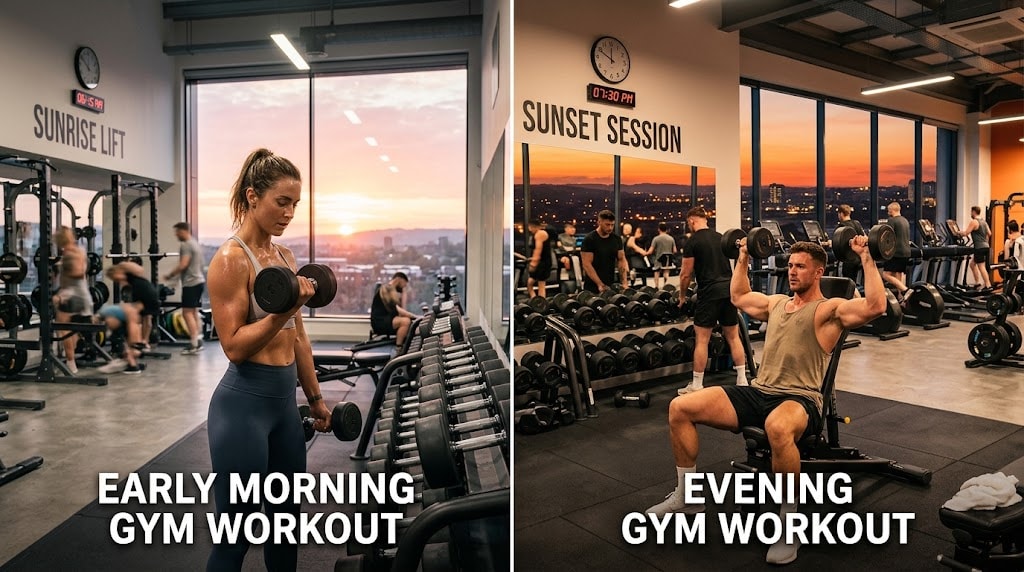
  • Morning vs Evening Workouts: What’s the Best Time to Train?

    Morning vs Evening Workouts: What’s the Best Time to Train?

    Ask any gym regular what the best time to train is and you’ll get a confident answer — usually tied to whatever time they personally prefer. But what does the science actually say about morning versus evening workouts? And does it really matter?

    Your body isn’t the same machine at 6 AM as it is at 6 PM. Core body temperature, hormone levels, energy stores, and even your motivation fluctuate throughout the day. Understanding these rhythms can help you pick the training window that gets you the best results — or at least stops you from dragging yourself through a session that feels like hard work for no reason.

    Morning Training: The 6 AM Brigade

    The Benefits

    Better habit formation. Studies consistently show that people who exercise in the morning are more likely to stick with it long-term. Getting it done before the day’s distractions pile up removes the “I’ll go later” excuse that often becomes “I’ll go tomorrow.”

    Better sleep quality. Morning exercisers tend to fall asleep faster and spend more time in deep sleep. A study published in Vascular Health and Risk Management found that participants who exercised at 7 AM slept longer and had better sleep cycles than those who exercised in the afternoon or evening.

    Appetite regulation. Morning exercise has been linked to reduced hunger throughout the day and better blood sugar control, particularly for people doing moderate-intensity cardio.

    The Drawbacks

    Cold muscles. Your core body temperature is at its lowest in the early morning. This means your muscles are literally colder and less flexible, which can increase injury risk if you skip a proper warm-up. A morning session needs at least 10 minutes of dynamic stretching before you touch a weight.

    Lower strength output. Research shows that peak strength and power tend to occur in the late afternoon. If you’re chasing personal records or doing heavy compound lifts, you might find the morning limits your top-end performance by 5–10%.

    Evening Training: The After-Work Crew

    The Benefits

    Peak physical performance. Your core temperature peaks between 4 PM and 7 PM, which correlates with optimal muscle function, faster reaction times, and better flexibility. Studies in the Journal of Sports Sciences show that strength, power, and endurance performance all tend to peak in the late afternoon or early evening.

    Stress relief. After a full day at work, an evening gym session can serve as a powerful stress buffer. Physical activity triggers endorphin release and helps clear cortisol (the stress hormone) from your system.

    Longer warm-up not needed. Because your body is already warm from moving around all day, you need less time to get ready for intense exercise.

    The Drawbacks

    Crowds. Between 5 PM and 8 PM is peak time at almost every UK gym. You’ll be fighting for benches, racks, and machines. If your gym gets packed, evening training can mean longer workouts simply because you’re waiting for equipment.

    Sleep disruption risk. Vigorous exercise within 2–3 hours of bedtime can make it harder to fall asleep for some people. If you’re training at 9 PM and struggling to sleep by 11 PM, the timing might be working against you.

    The motivation trap. After a long day, the sofa can look very appealing. Evening exercisers are more likely to skip sessions due to fatigue, social plans, or work overruns.

    What About Lunchtime Training?

    The midday session is the underrated middle ground. Your body is warm enough for a decent workout, the gym is usually quieter than evening peak, and it breaks up the workday effectively. The main downside is time pressure — most people have 45–60 minutes for lunch, which means a tight but focused session. If your gym is close to your workplace, lunchtime training can be surprisingly effective.

    Does It Actually Matter for Results?

    Here’s the honest answer: not as much as consistency does. A massive meta-analysis published in Sports Medicine found that while there are measurable differences in performance between morning and evening, the actual impact on long-term fitness outcomes is relatively small — provided you train consistently.

    The best time to train is the time you can stick to. If morning sessions fit your life, train in the morning. If evenings work better, train in the evening. The 5–10% performance difference between time slots is completely overshadowed by the difference between “training regularly” and “not training at all.”

    When Timing Does Matter

    There are a few situations where timing makes a real difference:

    • Competitive athletes training for events at specific times should practise at those times to optimise their circadian performance peak.
    • People with sleep issues should avoid high-intensity evening sessions close to bedtime.
    • Those doing fasted cardio for fat loss may benefit from morning sessions, though the evidence is mixed.
    • Strength athletes peaking for a competition should note that most powerlifting and weightlifting records are set in afternoon or evening sessions.

    Practical Tips for Both Camps

    If You Train in the Morning

    • Hydrate immediately upon waking — you lose significant water overnight
    • Do a longer warm-up (10–15 minutes of dynamic movements)
    • Eat a small carb-based snack 30 minutes before if you can (banana, toast, or oats)
    • Accept that your first few sessions might feel harder as your body adapts

    If You Train in the Evening

    • Finish your session at least 2–3 hours before bed
    • Plan your workout in advance so you don’t waste time deciding what to do
    • Have your gym bag packed and ready — reduce the friction between work and gym
    • Consider a pre-workout snack around 4 PM if you’re training at 6 PM

    Finding the Right Gym for Your Schedule

    Your ideal training time is also shaped by what’s available to you. If you’re a morning person, you need a gym that opens early. If evenings are your thing, extended hours or 24/7 access matters. Use GymPal to search for gyms near you that fit your schedule — whether that’s a 24-hour budget gym for early risers or a boutique studio with evening classes. A complete directory of UK gyms with real hours, reviews, and membership details makes it easier to find the right fit.

    The Bottom Line

    Morning training builds better habits and improves sleep. Evening training delivers better performance and fits naturally into most work schedules. Both work. The science says consistency beats timing every time — so pick the slot you can commit to, warm up properly, and get it done. The gym doesn’t care what time you show up. It only cares that you showed up.

  • Why Wellness Services Are the Secret to Keeping Gym Members Longer

    Why Wellness Services Are the Secret to Keeping Gym Members Longer

    UK gym owners are locked in a battle for members. Budget chains offer rock-bottom prices, boutique studios promise unique experiences, and online fitness keeps improving. So how do you stand out and — more importantly — keep the members you already have? and high-value to members who want to move better and feel less stiff.

    Consider running free “Mobility Monday” or “Stretch & Recover” sessions to build the habit.

    3. Nutrition Guidance

    You don’t need to hire a full-time nutritionist. Even simple offerings like meal prep workshops, healthy eating talks, or a monthly newsletter with nutrition tips can make a big difference. Many members quit the gym because they don’t see results — and diet is usually the missing piece.

    If you have the budget, partner with a registered nutritionist to offer discounted consultations to your members. The partnership adds credibility and gives members another reason to stay.

    4. Mental Health and Stress Management

    Mental wellbeing is a growing priority for UK consumers. Offering mindfulness sessions, yoga classes, or even a quiet “chill-out” space can differentiate your gym from every other facility on the high street.

    You don’t need to become a therapy centre. Something as simple as a dimly lit cool-down area with calming music and comfortable seating shows members you understand that fitness is about more than physical effort.

    5. Member Wellness Check-Ins

    This costs almost nothing but has a huge impact. Train your front desk team or personal trainers to do quick quarterly check-ins with members — not to sell anything, but to ask how they’re doing, whether they’re hitting their goals, and if there’s anything the gym could do better.

    This personal touch is something budget chains simply cannot offer at scale. It’s your competitive advantage as an independent or mid-sized gym.

    How to Get Started

    You don’t need to launch everything at once. Here’s a practical roadmap:

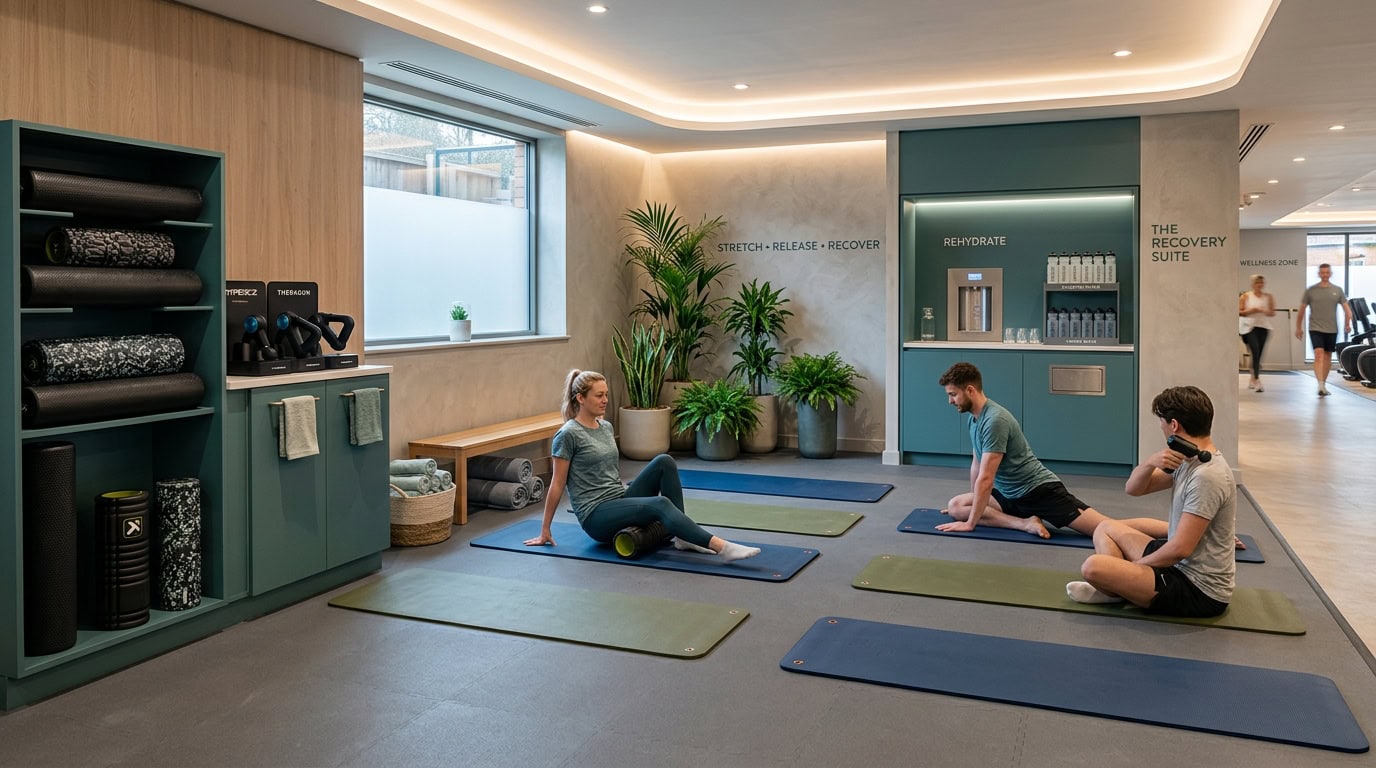
    1. Month 1: Set up a basic recovery zone with foam rollers, massage balls, and a stretching mat area. Cost: £200–£500.
    2. Month 2: Add a weekly mobility or stretch class to your timetable. Use existing PT staff if possible.
    3. Month 3: Launch a simple nutrition initiative — a healthy eating workshop or a printed guide available at reception.
    4. Month 4: Introduce quarterly member check-ins and gather feedback on what wellness services they’d value most.

    The Bottom Line

    In a market where anyone can offer cheap gym access, wellness is your edge. Members stay where they feel looked after — not just where the equipment is newest or the price is lowest. By investing in recovery, nutrition, mobility, and mental wellbeing, you build a gym that members don’t want to leave.

    Want more visibility for your gym? List your business on GymPal — the UK’s growing fitness directory connecting gyms with people actively searching for fitness services. It’s free to claim your listing and start reaching new members in your area. Find out more about listing your gym.


    Is your gym listed on GymPal? Over 10,000 UK fitness businesses are in our directory. Claim your free listing in 5 minutes — and start getting discovered by local fitness seekers today.
  • Best Budget Gyms in the UK: How to Find Affordable Fitness Near You

    Best Budget Gyms in the UK: How to Find Affordable Fitness Near You

    You Don’t Need an Expensive Gym to Get Fit

    There’s a common assumption that a good gym has to cost £50, £80, or even £100+ per month. In reality, the UK has a growing number of affordable gyms that offer everything you need — quality equipment, clean facilities, and flexible hours — at a fraction of the price.

  • Crowd levels: Visit during your preferred time slot to check how busy it gets
  • Cleanliness: A well-maintained gym is a sign of good management
  • Contract terms: No-contract options give you flexibility if your circumstances change
  • A quick way to compare is to search GymPal for gyms in your area. You can see what’s available, read profiles, and find options that match your budget.

    What You’re Missing (And Whether It Matters)

    Budget gyms typically don’t include:

    For most people, these extras are nice-to-haves rather than essentials. If your goal is to get stronger, fitter, or healthier, the equipment in a budget gym is all you need.

    Tips for Getting the Best Deal

    Start Your Search

    The best gym is the one you’ll actually go to. Start by searching your area on GymPal to see what’s available near you — from budget chains to independent gyms. Filter by location, read profiles, and find a gym that fits your budget and your goals.

    Getting fit doesn’t have to be expensive. It just has to be convenient.

  • Gym Owner Guide to Local SEO: How to Get Your Fitness Business Found on Google

    Gym Owner Guide to Local SEO: How to Get Your Fitness Business Found on Google

    Why Local SEO Matters for UK Gyms

    When someone in your area searches “gym near me” or “fitness classes in Manchester,” Google shows them a map pack with the top three local results. If your gym isn’t there, you’re invisible to people actively looking to join. Local SEO is how you change that — and most of it costs nothing but time.

  • Fill out every section: hours, address, phone, website, services
  • Add high-quality photos of your gym interior, exterior, and classes
  • 2. Get Listed on Fitness Directories

    Directory listings build what SEO professionals call “citations” — mentions of your gym name, address, and phone number across the web. The more consistent citations you have, the more Google trusts your business is real and relevant.

    GymPal is a UK-focused fitness directory with over 10,000 businesses listed. Claiming your free listing takes minutes and gives you another citation, another place for potential members to find you, and a backlink to your website.

    3. Encourage and Respond to Reviews

    Reviews are one of the strongest local ranking factors. A gym with 45 Google reviews will outrank one with 3 reviews almost every time. Here’s how to build them:

    4. Optimise Your Website for Local Keywords

    Your website should clearly signal where you are and what you offer. Include your city, neighbourhood, and postcode naturally in page titles, headings, and body text.

    Good examples:

    Each of your services can have its own page targeting a specific local keyword. A page about “crossfit-classes-bristol” will rank for people searching exactly that.

    5. Make Sure Your Website Loads Fast and Works on Mobile

    Over 60% of local searches happen on mobile phones. If your website takes more than a few seconds to load or the text is too small to read on a phone, potential members will bounce to a competitor. Google also uses mobile-friendliness as a ranking signal for local results.

    Quick wins:

    The Quickest Win: Claim Your GymPal Listing

    If you do one thing today, claim your free GymPal listing. It gives you a citation, a profile page with your gym details, and exposure to thousands of UK fitness seekers actively browsing for gyms in their area. The Pro plan at £9/month adds priority placement in GymPal’s AI chatbot — so when someone asks about gyms near them, your business comes first.

    Key Takeaways

    Local SEO isn’t a one-time task — it’s an ongoing process. But even small improvements compound over time. Start with the basics, be consistent, and you’ll see more enquiries from people in your area who are ready to train.

  • How to Choose the Right Type of Gym for Your Fitness Goals in the UK

    How to Choose the Right Type of Gym for Your Fitness Goals in the UK

    Not all gyms are created equal. Walk into a budget-friendly leisure centre and you’ll get a very different experience from a boutique HIIT studio or a CrossFit box. If you’re new to fitness — or just looking for a change — choosing the right type of gym can make or break your motivation.

    These are the most common gyms on UK high streets, and for good reason. Monthly memberships typically range from £15–£30, with no long-term contracts and 24/7 access in most locations.

    Best for:

    • Beginners who want affordable access to a wide range of equipment
    • People with unpredictable schedules who need flexible opening hours
    • Anyone who prefers to train alone at their own pace

    What you’ll find:

    A large open-plan space with cardio machines, fixed-weight resistance machines, a free weights area, and sometimes a functional training zone. Classes may be available but usually cost extra. Personal trainers operate independently on the gym floor.

    Watch out for:

    Peak times (5–7 pm on weekdays) can be very busy, especially in city-centre locations. Equipment availability can be limited during these hours.

    2. Premium Health Clubs (David Lloyd, Nuffield Health, Virgin Active)

    If you want more than just a place to lift weights, premium health clubs deliver a full wellness experience. Memberships range from £60–£120+ per month and often include pools, spa facilities, group classes, and creches.

    Best for:

    • Families who want a health and leisure destination
    • People who value swimming, sauna, and recovery facilities
    • Those who enjoy a wide variety of group fitness classes

    What you’ll find:

    State-of-the-art gym equipment, swimming pools, tennis and squash courts, steam rooms, saunas, and an extensive timetable of classes from yoga to spin to boxing. Many also have cafes and co-working spaces.

    Watch out for:

    The higher price tag. If you’re only using the gym floor twice a week, a budget gym might offer better value. Always check for joining fees and minimum contract terms.

    3. Boutique Fitness Studios (F45, Barry’s, 1Rebel, Kobox)

    Boutique studios focus on one specific type of training and do it exceptionally well. Sessions are typically 45–60 minutes, instructor-led, and designed to push you hard. Expect to pay £15–£25 per session or £100–£200 per month for unlimited access.

    Best for:

    • People who struggle with self-motivation and need structured sessions
    • Anyone looking for a social, community-driven workout
    • Experienced exercisers wanting to push their limits

    What you’ll find:

    A focused space designed for one training style — whether that’s high-intensity interval training, boxing, cycling, or Pilates. Classes are small, music is loud, and the energy is infectious. Many studios track your performance metrics so you can see progress over time.

    Watch out for:

    Limited variety. If you like mixing weight training with cardio and flexibility work, a boutique studio won’t cover all bases on its own. Consider pairing it with a budget gym membership for a well-rounded routine.

    4. CrossFit Boxes

    CrossFit is a training methodology, not just a gym type. Boxes (what CrossFit gyms are called) offer group classes built around functional movements — think Olympic lifting, gymnastics, and metabolic conditioning. Monthly memberships are typically £80–£150.

    Best for:

    • People who thrive in a competitive, team-oriented environment
    • Anyone wanting to build strength, power, and conditioning simultaneously
    • Those bored of traditional gym routines

    What you’ll find:

    An industrial-style space with pull-up rigs, barbells, kettlebells, rowing machines, and plenty of open floor space. Workouts are called WODs (Workout of the Day) and are scaled to all fitness levels. Coaching is included in every session.

    Watch out for:

    CrossFit has a steep learning curve for beginners. Most boxes require you to complete a fundamentals course before joining regular classes. The intensity can be high, so listen to your body and communicate with coaches about any limitations.

    5. Women-Only Gyms and Studios

    For many women, a female-only environment removes barriers to exercise — whether that’s gym anxiety, cultural preferences, or simply feeling more comfortable. These gyms range from small independent studios to larger chains.

    Best for:

    • Women who feel intimidated by mixed-gym environments
    • Those who prefer female instructors and a supportive community
    • Anyone interested in women-specific training programmes (pre/post-natal, menopause-friendly)

    What you’ll find:

    A welcoming space with a mix of cardio, strength, and functional equipment. Many offer group classes designed for women’s fitness goals, plus personal training and nutritional guidance.

    6. Independent and Speciality Gyms

    The UK has a thriving independent gym scene — from old-school bodybuilding gyms and powerlifting clubs to climbing walls, martial arts academies, and yoga shalas. These are often run by passionate owners who live and breathe their speciality.

    Best for:

    • People with a specific interest or sport they want to pursue seriously
    • Anyone who values expertise and a tight-knit community over shiny facilities
    • Those wanting to support local businesses

    What you’ll find:

    It varies wildly. A powerlifting gym might be a no-frills warehouse with competition-grade equipment. A climbing centre could have towering walls and a cafe. Martial arts gyms often have mats, bags, and a ring. The common thread: knowledgeable coaches and dedicated members.

    7. Leisure Centres and Council Gyms

    Run by local authorities or leisure trusts, these facilities offer affordable fitness with the added bonus of community programmes. Many have been modernised in recent years with refurbished gyms and new classes.

    Best for:

    • Families and older adults wanting affordable, accessible fitness
    • People who need swimming, badminton, or other sport facilities alongside the gym
    • Anyone on a tight budget or eligible for concessionary rates

    How to Choose the Right Gym for You

    Before you sign up, ask yourself these questions:

    1. What are your goals? Weight loss, strength building, general fitness, sport-specific training, or stress relief? Different gyms excel at different things.
    2. What’s your budget? Be honest about what you can sustain month to month. A gym you can afford is better than a premium one you cancel after two months.
    3. When will you train? Check opening hours and visit during your intended training times to gauge how busy it gets.
    4. Do you need guidance? If you’re unsure what to do in the gym, look for places with included coaching (CrossFit, boutique studios) or affordable personal training.
    5. How far are you willing to travel? Research shows that people who live within 10 minutes of their gym go significantly more often. Proximity matters.

    Finding Your Perfect Gym Match

    The UK fitness landscape is incredibly diverse, which is great news for consumers — but it also means more options to sift through. Whether you’re after a no-frills budget gym, a premium health club, a specialist training facility, or something in between, the right gym is out there waiting for you.

    Ready to find the right gym? Head to GymPal to search and compare gyms near you. Browse by type, facilities, location, and price to find your perfect match. It’s free to use and thousands of UK gyms are already listed.