Blog

  • Fitness After 50 UK: Strength, Balance and Staying Active

    Fitness After 50 UK: Strength, Balance and Staying Active

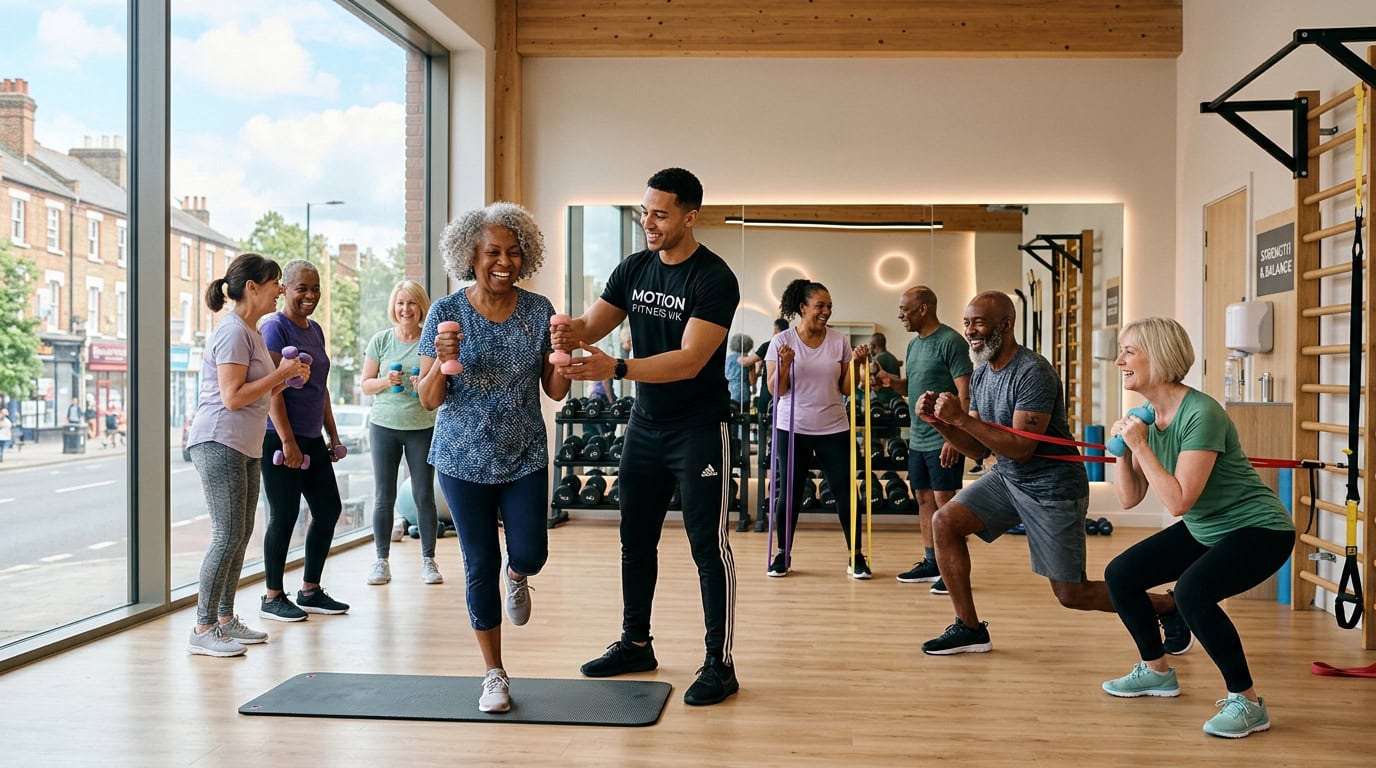
    Fifty used to be the age people quietly swapped squash for gardening. Not any more. Across the UK, gyms and leisure centres are seeing a steady rise in members in their 50s, 60s and beyond — people who’ve realised that strength, balance and stamina aren’t things you inevitably lose with age, but things you can actively protect, and in many cases rebuild from scratch.

    The science backs this up. Muscle mass naturally declines by around 3-8% per decade after the age of 30, and that rate speeds up again after 60 if you’re not doing anything to counter it — a process doctors call sarcopenia. But the flip side is just as encouraging: regular strength and balance work at 50, 60 or 70 can rebuild lost muscle, protect your joints, and dramatically cut your risk of the falls and fractures that cause so many hospital admissions in later life.

    This guide covers exactly what to focus on, what it’s likely to cost, how to get started without feeling out of place, and where to find the right gym, class or trainer near you. Whether you’ve been active your whole life or you’re returning to exercise after years away from it, the goal is the same: build a routine that keeps you strong, mobile and independent for decades to come.

    Why strength training becomes non-negotiable after 50

    Cardio gets most of the attention, but strength training is arguably the single most important thing you can do for your health in your 50s and beyond. Stronger muscles mean better balance, easier stairs, safer gardening, and a much lower risk of the falls that send so many older adults into A&E every year. It also protects bone density, which matters enormously for women in particular as oestrogen levels drop after the menopause.

    The NHS’s physical activity guidelines for older adults recommend muscle-strengthening activities on at least two days a week, alongside balance exercises for anyone at risk of falling. That doesn’t mean powerlifting — it means resistance bands, bodyweight moves, light dumbbells, or a properly supervised weights machine circuit, done consistently and with good form.

    Start with compound movements that mimic everyday life: sit-to-stand squats, step-ups onto a low box, seated rows, and modified push-ups against a wall or bench. Two or three sessions a week, with at least a day’s rest in between for recovery, is enough to see real strength gains within about eight weeks. Most UK gyms and leisure centres offer a free induction where an instructor will set weights and reps appropriate to your starting point — always worth booking rather than guessing your way through the weights floor.

    Protein matters more here than most people realise. As we age, our bodies become less efficient at using protein to build and repair muscle, so aim to spread protein across your meals — eggs, fish, chicken, lentils, Greek yoghurt — rather than loading it all into one dinner. Pairing that with your strength sessions gives your muscles what they actually need to adapt and grow stronger.

    Balance and fall prevention: the exercise most people skip

    Balance training doesn’t get the glory of a heavy squat personal best, but it’s just as important, and it’s the one thing most gym-goers under 40 never think about. Falls are one of the leading causes of injury-related hospital admissions among people over 65 in the UK, and the encouraging news is that balance is trainable at any age, often with surprisingly quick results.

    Simple exercises make a real difference: standing on one leg while brushing your teeth, heel-to-toe walking down a hallway, or gentle tai chi and yoga classes designed specifically for older bodies. Many UK leisure centres — including large operators like Better and Everyone Active — now run dedicated “steady and strong” or falls-prevention classes, often free or heavily subsidised through local council public health budgets. It’s always worth asking reception directly what’s available, since these classes aren’t always advertised prominently online.

    If you’ve had a fall recently, or you’re worried about your balance, your GP can also refer you to an NHS-funded falls prevention programme in many parts of the country, which typically combines strength, balance and confidence-building exercises over several weeks with a qualified instructor.

    Low-impact cardio that protects your joints

    High-impact running and jumping aren’t off the table after 50, but if you’ve got creaky knees, an old injury, or you’re simply easing back into exercise, low-impact cardio lets you build fitness without the pounding. Swimming for fitness is one of the best options going — it works your whole body, supports your joints in the water, and builds real cardiovascular fitness without the impact of pavement pounding, and most UK pools run quieter adult-only or over-50s sessions during the day if a full lane full of splashing children isn’t your idea of relaxing.

    Other solid low-impact options include stationary cycling, elliptical machines, brisk walking groups, and aqua aerobics classes, which are hugely popular with the over-50s crowd precisely because the water takes the strain off your joints while your muscles still have to work hard against the resistance. Rotate between two or three low-impact activities across the week and you’ll build genuine endurance without overloading any single joint, and you’ll be far less likely to get bored and quietly stop turning up.

    Getting started when it’s been a while

    Walking into a gym for the first time in years — or ever — is intimidating at any age, and it’s a genuine reason people put off starting altogether. If the thought of a room full of twenty-somethings on the squat rack fills you with dread, you’re far from alone, and there are practical ways to work through gym anxiety before it stops you getting started at all.

    Booking an induction session, visiting during quieter mid-morning hours, or choosing a smaller independent studio over a huge budget chain can all take the edge off that first visit. Most staff are used to helping people ease back into training and will happily walk you through equipment at your own pace rather than expecting you to already know your way around it.

    On cost, most council-run leisure centres offer concessionary or senior membership rates, often 20-30% cheaper than standard adult pricing, sometimes starting from around £25-£35 a month, with pay-as-you-go sessions typically £5-£8. Independent gyms and boutique studios tend to sit higher, but many run senior-specific class blocks at a discount. Some GPs can also refer eligible patients onto local authority “exercise on referral” schemes, which subsidise gym or leisure centre access for a set period — worth asking your surgery about if cost is the main barrier.

    Getting a programme built around your body

    Generic workout plans rarely account for old injuries, joint issues, or the simple fact that your recovery time isn’t what it was at 25. This is where a bit of personalised guidance really pays off. Working with a qualified personal trainer — even for just a handful of sessions to learn safe technique — can save you months of trial and error and help you avoid the overuse injuries that come from doing too much, too soon.

    Look specifically for trainers with experience working with older clients or a recognised qualification in exercise for older adults; many independent gyms and leisure centres list this as a specialism on their trainer profiles, and it’s worth asking directly rather than assuming every trainer has the relevant background. A good trainer will also build in mobility and recovery work, not just sets and reps, which matters more the further you get from your twenties.

    Recovery matters as much as the workout itself

    One of the biggest mistakes people make when they start training later in life is treating recovery as optional. Sleep, hydration and rest days aren’t a sign you’re not working hard enough — they’re the part of the process where your muscles actually repair and get stronger. Skimping on recovery is one of the fastest routes to a nagging injury that puts you off exercise altogether.

    Build at least one full rest day between strength sessions, stretch or foam-roll after cardio, and don’t ignore joint pain that lingers for more than a couple of days — get it checked rather than pushing through it. A slower, more sustainable build-up will get you further than an ambitious plan that has you sidelined with an injury by week three.

    Building a routine that actually sticks

    The best fitness plan after 50 isn’t the most intense one — it’s the one you’ll still be doing in five years. Aim for a realistic mix across the week: two strength sessions, one or two low-impact cardio sessions, and a bit of balance or mobility work most days, even if it’s just ten minutes while the kettle boils.

    Consistency matters more than intensity here. A gentle 30-minute swim three times a week, done reliably, will do more for your long-term health than an occasional brutal class you dread and skip half the time. If you’re not sure what’s available locally, searching GymPal’s directory of UK gyms, pools and studios is a quick way to compare facilities, class timetables and prices near you before committing to a membership.

    The takeaway

    Fifty isn’t a finish line for fitness — for a lot of people, it’s where things genuinely click into place, because you finally have the time and motivation to do it properly. Prioritise strength and balance work, keep your cardio joint-friendly, ease in gently if you’re new to it, fuel and rest properly, and don’t be afraid to get some professional guidance for the first few weeks.

    Ready to find the right gym, pool or studio near you? Search GymPal to compare facilities, classes and prices across the UK and find somewhere that suits exactly where you’re at, whatever your starting point.

  • How to Cancel a Gym Membership in the UK: Full Guide

    How to Cancel a Gym Membership in the UK: Full Guide

    Cancelling a gym membership sounds like it should take five minutes. Log in, hit cancel, done. In reality, plenty of UK gym-goers find themselves stuck: a 12-month contract with eight months left, a “notice period” nobody mentioned at sign-up, or a membership that auto-renewed while they weren’t looking. None of it is illegal, but a lot of it is avoidable if you know what you’re dealing with before you pick up the phone or fire off an email.

    Whether you’re moving house, tightening your budget, switching to a different gym, or just haven’t set foot in the place since January, this guide walks through exactly how gym cancellations work in the UK, what your rights are, and where people typically lose money without realising it.

    We’ll cover minimum-term contracts, cooling-off rights, cancelling for medical reasons, and the small print that catches people out most often.

    Check Your Notice Period Before You Do Anything Else

    Most UK gyms require written notice before a membership ends, and this applies even if you’re past your minimum contract term. It’s common to see 30-day notice periods, which means if you cancel today, you’re still liable for payments taken during that next month. Some contracts require notice to align with your billing date rather than the day you actually send it, which can quietly add an extra few weeks onto what you owe.

    Dig out your original signup confirmation or membership agreement — most gyms email this when you join, and it should also be available in your online account. Look specifically for the cancellation clause rather than assuming a phone call or gym-floor conversation counts. Many contracts require notice in writing (email is usually fine) to a specific address or through a specific online form, and verbal notice given to a receptionist often isn’t considered valid, even if you were told it “should be fine.”

    How Notice Periods Differ Across Gym Types

    Not all gyms handle cancellations the same way, and it’s worth knowing the general pattern before you assume your notice period matches a mate’s experience elsewhere.

    Budget chains typically run rolling monthly contracts with a short notice window, often around 30 days, and no minimum term to work through. Boutique studios — think reformer Pilates, cycling or boxing studios running on class packs or monthly memberships — often have stricter cancellation windows tied to their billing date, partly because they’re managing limited class capacity rather than open gym-floor access. Premium health clubs and staffed gyms with pools, spas and extensive class timetables are the most likely to run 6 or 12-month minimum terms, since the higher overheads of running that kind of facility are usually built into longer commitments.

    Council-run leisure centres sit slightly differently again. Many operate on simple monthly direct debits with minimal notice required, but they can also have specific admin processes (cancellation forms handed in at reception, for instance) that don’t apply elsewhere, so it’s worth checking with the centre directly rather than assuming standard consumer gym rules apply.

    Your Rights If You’re Still in a Minimum Term Contract

    Budget chains like PureGym and easyGym built their reputation on rolling monthly contracts with no minimum term, but plenty of gyms — particularly boutique studios, staffed health clubs, and premium chains — still lock members into 6 or 12-month agreements. If you’re comparing options for your next gym, it’s worth knowing that UK gym membership prices vary hugely depending on whether you’re paying for a no-contract budget gym or a contracted premium club, and the contract terms are often where the real cost difference shows up.

    If you’re still inside a minimum term, you’ll generally need to pay out the remainder of the contract or wait until it ends, unless one of the exceptions below applies. Some gyms allow you to “freeze” membership instead of cancelling outright, which pauses payments for illness, injury, pregnancy, or extended travel without breaking the contract — worth asking about before assuming cancellation is your only option.

    One thing you can legitimately push back on: unfair contract terms. If a gym significantly changes what you’re paying for mid-contract — hikes the price, closes facilities you were paying to use, or cuts opening hours — you have grounds to argue you should be released from the contract without penalty. This has been an established consumer protection principle in UK gym contracts for years, following action by the Office of Fair Trading against clubs using unreasonable lock-in terms.

    Cancelling Because of Injury, Illness or Financial Hardship

    Most reputable UK gyms will let you cancel or freeze a contract early if you have a genuine medical reason that prevents you from exercising — a serious injury, illness, surgery, or pregnancy, for example. You’ll typically need to provide evidence, usually a letter or note from a GP or other medical professional, confirming you’re unable to use the facilities. Send this in writing alongside your cancellation request and keep a copy for your own records.

    Redundancy or financial hardship is a greyer area. Some gyms will show flexibility, especially if you’ve been a long-standing member and ask directly rather than just stopping payments, but there’s no automatic legal right to cancel purely because you can no longer afford it. If cost is the issue, it’s often worth having an honest conversation with the gym first — some will offer a cheaper off-peak membership or a temporary freeze rather than lose you as a customer entirely, and if you do end up negotiating, it helps to know how to negotiate a better gym membership deal before that call.

    The Cooling-Off Period: Cancelling Within 14 Days

    If you signed up online, over the phone, or away from the gym’s premises (for example through a mail-order style promotion), UK consumer law gives you a 14-day cooling-off period during which you can cancel and get a full refund, no questions asked. This comes from the Consumer Contracts Regulations and applies to most distance and off-premises sales, not just gym memberships.

    It’s a narrower right than people assume, though. If you signed up in person at the gym itself, this 14-day right typically doesn’t apply in the same way, and if you’ve already started using the facilities during those 14 days, the gym may be entitled to charge you for the time you used before cancelling. Always confirm directly with the gym or check their published terms rather than assuming the cooling-off period covers your specific situation.

    According to Citizens Advice, you’ll normally have to pay the full cost of your contract if you cancel a gym membership early outside of these circumstances, so it’s worth reading the exceptions carefully before assuming you’re covered.

    Common Pitfalls That Cost People Money

    A few mistakes come up again and again with gym cancellations:

    • Assuming cancelling the direct debit is the same as cancelling the membership. It isn’t. Stopping payment without formally cancelling can leave you liable for missed payments plus admin or late fees, and it can also affect your credit file if the debt gets passed to a collections agency.
    • Missing the notice window by a few days. Because many gyms tie cancellation to your billing cycle, submitting notice even a day after the cut-off can mean paying for a full extra month.
    • Not getting confirmation in writing. Always ask for written confirmation that your cancellation has been processed and your final payment date. Keep it — it’s your evidence if a payment gets taken in error.
    • Auto-renewal on annual memberships. Some annual contracts auto-renew unless you cancel within a set window beforehand, often 30 days before the renewal date. Check this before you sign up to avoid a surprise year-two commitment.
    • Cancelling through the wrong channel. A cancellation emailed to a general enquiries inbox, or mentioned in passing to a personal trainer, can easily get lost. Use whichever channel the contract actually specifies — usually a member portal, a dedicated cancellations email, or a named form — and follow up if you don’t get a response within a few days.

    What to Do Once You’ve Cancelled

    Once your cancellation is confirmed, it’s worth deciding what comes next rather than just letting your fitness routine lapse. If cost was the reason you cancelled, a flexible no-contract budget gym might suit you better this time around — comparing chains like PureGym, The Gym Group and JD Gyms is a good starting point if a rolling monthly membership with no lock-in is what you’re after.

    If it was more about the gym itself — location, facilities, atmosphere, or class timetable — rather than the commitment, it’s worth taking more time over your next choice than your last one, especially around what the contract actually commits you to before you sign.

    The Bottom Line

    Cancelling a gym membership in the UK is rarely as simple as it should be, but it’s manageable once you know what to check: your notice period, whether you’re still in a minimum term, whether a medical or unfair-terms exception applies, and whether your original sign-up falls under the 14-day cooling-off rules. Read your contract properly, put everything in writing, and get confirmation before you consider the job done.

    And if the whole experience has put you off contracts altogether, that’s a good enough reason on its own to prioritise flexibility next time you join a gym. Use GymPal to find gyms near you with the membership terms that actually suit how you train.

  • How to Prepare Your Gym for the September Membership Surge

    How to Prepare Your Gym for the September Membership Surge

    If you run a gym in the UK, you already know that January isn’t the only month that matters. September brings its own rush — kids go back to school, holidays end, evenings start drawing in, and suddenly thousands of people who spent August on the beach or in the beer garden decide it’s time to sort themselves out. For independent gyms and studios, that’s a second bite at the New Year’s resolution cherry, and it’s one a lot of owners under-prepare for.

    The problem is that September sneaks up fast. You’re still dealing with summer’s quieter class attendance and skeleton staff rotas, and then in the space of two or three weeks enquiries triple. Gyms that treat September like any other month leave memberships on the table. Gyms that plan for it properly can turn the autumn reset into one of their strongest quarters of the year.

    It’s a pattern that plays out the same way in gyms from Leeds to Bristol to Southampton every year: quiet through most of August, a trickle of enquiries in the last week as the “back to school” adverts start, then a proper wave from the first Monday of September through to mid-October. If your systems, staff and offers aren’t ready for that wave before it arrives, you’ll spend the month firefighting instead of converting.

    Here’s how to get your gym ready for the surge before it hits, not after.

    Why September Rivals January for New Sign-Ups

    It’s not just anecdotal. Fitness participation across England has been climbing steadily, with 15.3 million adults now taking part in fitness activities — an increase of 921,000 on the previous year, according to Sport England’s Active Lives survey. A good chunk of that growth lands in the autumn months, as routines reset after the school holidays and people look for structure again before Christmas creeps up.

    Unlike January, September enquiries tend to be less impulsive and more committed — people aren’t riding a resolution high, they’re consciously rebuilding a routine they let slip over summer. That makes them a genuinely valuable cohort if you can convert them properly, because they’re less likely to vanish by half-term than a typical 1 January sign-up.

    There’s a second driver too: parents. Once the school run becomes part of the daily routine again, a lot of mums and dads suddenly have a predictable window mid-morning or after drop-off that they didn’t have during the summer holidays. If your gym has traditionally been quiet between 9am and midday, September and October are usually when that changes — so it’s worth planning your daytime class mix with that audience specifically in mind.

    Get Your Class Timetable Ready Before the Rush

    Nothing kills a promising September enquiry faster than a class that’s already full or a timetable that still looks like it’s built for August’s quiet patch. Before the surge hits, review which sessions sold out last fine autumn and make sure you’ve got the instructor cover to add capacity if demand spikes again this year.

    If you haven’t touched your schedule since summer, now’s the time. A well-planned gym class timetable that matches instructor availability to genuine demand will stop you either turning people away or paying for empty classes. Popular early-morning and 6pm slots fill first as commuters and parents settle back into routine, so weight your rota towards those windows for the first few weeks of term.

    It’s also worth checking your booking system can handle a wait list. A full class with a visible queue signals popularity to a hesitant new member; an app that just says “unavailable” loses them to the gym down the road.

    Don’t forget equipment either. If your cardio machines or squat racks were due maintenance over the quieter summer weeks, get it done in the final days of August. There’s nothing that undermines a new member’s first impression faster than half the treadmills carrying an “out of order” sign during their first proper session.

    Turn September Enquiries Into Long-Term Members

    Getting people through the door is only half the job — the real value of the September surge is in how many of those new joiners are still training in November. A shaky first fortnight is where most of the drop-off happens, so this is the moment to tighten up your onboarding rather than leave it to chance.

    A structured induction does more than tick a compliance box. Gyms with a proper gym induction process in place consistently see fewer cancellations in the first 90 days, because new members actually know how to use the equipment and feel like part of the place rather than a stranger with a fob. Book every September joiner in for a session with a trainer or coach within their first week — even 20 minutes makes a measurable difference to whether they come back a second time.

    Follow up by text or WhatsApp a few days after their first visit too. A simple “how did your first session go, anything you need help with?” costs nothing and catches the members who are one bad experience away from cancelling before Christmas even arrives.

    It’s worth putting a number on this. If your gym typically loses 15-20% of new joiners inside the first month, even a modest improvement to that figure from better onboarding is worth far more over a year than most single marketing campaigns — because you keep paying for those members’ monthly fees rather than paying again to replace them.

    Multiply Your Intake With Referrals, Not Just Ads

    September is expensive for paid advertising — every gym, PT and studio in the country is bidding for the same “back to fitness” searches, so your cost per lead climbs just as demand does. This is the month to lean on your existing members instead.

    Your current membership base has friends and colleagues who are also feeling that September reset urge. A well-timed gym referral scheme that actually rewards both sides — not just a discount buried in the small print — can bring in members at a fraction of what you’d spend chasing cold traffic. Run it as a specific “bring a mate back to fitness” campaign through September and October rather than a generic year-round offer; the seasonal framing makes it feel timely rather than like background noise.

    Price the Offer to Reward Commitment, Not Just Sign-Ups

    It’s tempting to slash your joining fee to nothing and hope volume makes up for it, but a heavily discounted September deal can attract exactly the kind of impulsive sign-up that cancels by November. A better approach is to keep the joining fee modest — say £15-£25 rather than waived entirely — but add genuine value on top: a free session with a trainer, a guest pass for the referral scheme above, or a locked-in rate for anyone who commits to a 6 or 12-month term.

    If you run tiered membership pricing, September is also a sensible time to nudge people towards your mid-tier plan rather than your cheapest one. Someone re-committing to fitness after a summer off is more receptive to paying for classes or off-peak perks than someone dragged in by a January ad, so don’t undersell what you offer just because it’s not 1 January.

    Staff Up Before You Need To, Not After

    The gyms that struggle most in September are the ones still running on summer holiday cover when the rush hits. If your reception desk is understaffed during peak enquiry hours, or your floor is short a coach during the after-work rush, you’ll lose sign-ups to poor first impressions no matter how good your facilities are.

    Map out your busiest historical September weeks and make sure your rota reflects it at least two weeks in advance — not the week it happens. Brief your whole team, not just sales staff, on any September offers or promotions running, because a confused answer at the front desk is enough to send a hesitant enquirer elsewhere. If you’re a smaller independent gym without a dedicated sales role, this is worth doing yourself for the first fortnight so you can see exactly where enquiries are dropping off.

    Consider extending your peak-hours cover for the first four to six weeks of term specifically, then scaling back once the initial wave settles into a steady routine. It’s a short-term cost, but a member who has a good, unrushed experience with staff in their first few visits is far more likely to still be training in the new year than one who felt like a number on a busy front desk.

    A lot of September’s demand starts as a search rather than a walk-in — people comparing options near home or their new commute before committing. Make sure your listing is accurate and complete wherever people are likely to look, including opening hours, class types and current offers, so you’re not losing enquiries simply because your information is out of date. You can claim your GymPal listing in a few minutes if you haven’t already, which keeps your gym visible to people actively searching for a new place to train in your area.

    The Bottom Line

    September rewards preparation more than almost any other month on the gym calendar. Sort your timetable and staffing before the enquiries land, tighten up your induction so new joiners actually stick around past half-term, and use referrals to bring in members without burning your marketing budget on inflated autumn ad costs. Do that, and the September surge stops being something that happens to your gym and starts being something you plan for and profit from.

  • Reformer Pilates UK: What It Is, What It Costs, and Where to Find a Studio

    Reformer Pilates UK: What It Is, What It Costs, and Where to Find a Studio

    There’s a new machine taking over UK fitness studios — and it’s not a treadmill. The Pilates reformer, a sliding carriage mounted on a spring-loaded frame, has gone from niche physiotherapy equipment to the workout of the moment. Boutique reformer studios are popping up in every major UK city, classes book out within minutes, and your social media feed is probably already full of clips of people gliding gracefully across those sleek wooden beds.

    But what actually is reformer Pilates? Is it worth the premium price tag? And how does it differ from a regular Pilates class? Whether you’re completely new to the world of Pilates or you’ve been doing mat classes for years, this guide covers everything you need to know before booking your first reformer session.

    Spoiler: it’s harder than it looks — and that’s exactly why people are obsessed with it.

    What Is a Pilates Reformer?

    The reformer is a piece of apparatus developed by Joseph Pilates himself in the early twentieth century. It consists of a padded carriage that slides along a track, connected to a set of springs that provide variable resistance. You push or pull the carriage using your feet, hands, or body weight while performing controlled movements — and the springs make the machine either assist or resist your effort depending on how they’re set up.

    This spring tension is what makes reformer Pilates unique. Unlike free weights or bodyweight exercises, the resistance is consistent throughout the entire range of motion. Your muscles work on both the push and the return, which means more time under tension and a genuinely different stimulus to anything you’ll find in a conventional gym.

    Modern reformers come in two main types: the traditional wooden Pilates reformer, associated with classical Pilates studios, and contemporary aluminium models — brands like Balanced Body, Stott, and Peak Pilates dominate the boutique market. The fundamentals are the same; the finish differs.

    Reformer Pilates vs Mat Pilates: What’s the Difference?

    Mat Pilates is done on the floor using your bodyweight, sometimes with small props like resistance bands or magic circles. It’s a brilliant starting point — accessible, affordable, and available in almost every leisure centre and gym in the country. But the reformer adds a new dimension.

    For anyone already familiar with what Pilates involves as a beginner, stepping onto the reformer is a logical next progression. The spring resistance allows the instructor to modify exercises so they’re actually easier in some cases (useful for rehabilitation or those with limited strength) and significantly harder in others. You can also access a far wider range of exercise positions — standing, kneeling, lying on your back or side, seated — which challenges balance and coordination in ways that mat work simply can’t replicate.

    That said, mat Pilates isn’t inferior. Many classical instructors argue it’s the foundation you need before touching a reformer. Most reformer studios in the UK will take complete beginners, but having some mat experience does help you understand cues like “neutral spine” and “ribcage placement” before you’re also navigating a moving carriage.

    Benefits of Reformer Pilates

    The reformer delivers results across a surprisingly wide range of fitness goals. Here’s what consistent practice tends to produce:

    Core strength — Every exercise on the reformer requires active stabilisation of the pelvis and spine. Unlike crunches or sit-ups, the movements are functional and integrated, meaning the strength you build translates directly to how you move in daily life.

    Improved posture — The reformer has a particular reputation for addressing the rounded shoulders and forward head posture that come from desk work. Sessions consistently target the posterior chain — glutes, hamstrings, mid-back — which helps counteract the effects of long hours sitting.

    Flexibility and mobility — The spring-assisted stretches on the reformer allow you to move into ranges you’d struggle to access independently. Regular practitioners typically notice significant improvements in hip mobility, spinal rotation, and hamstring length within a few months.

    Injury rehabilitation and prevention — Physiotherapists and sports medicine practitioners across the UK regularly use reformer Pilates as a rehabilitation tool for back pain, knee injuries, hip problems, and post-surgical recovery. The low-impact nature and variable resistance make it ideal for people who can’t do high-intensity exercise.

    Lean muscle tone — The slower, controlled movements under sustained spring tension create genuine muscular endurance. Regular reformer practitioners tend to develop long, defined muscles rather than bulk.

    According to research published via ukactive, mind-body disciplines like Pilates have seen some of the fastest participation growth in the UK fitness sector over the past five years — driven largely by the rise of boutique studio culture.

    How Much Does Reformer Pilates Cost in the UK?

    Here’s the honest answer: reformer Pilates isn’t cheap. But the price varies quite a bit depending on where you are and what format you choose.

    Group classes (typically 4–8 people per reformer) are the most accessible entry point. In London, expect to pay £25–£40 per class, with introductory offers often bringing this down to £10–£20 for your first few sessions. Outside London — in cities like Manchester, Leeds, Edinburgh, Bristol, and Birmingham — prices typically run £18–£30 per class.

    Semi-private classes (2–3 people sharing an instructor) sit at £40–£70 per session and allow for more personalised attention and faster progression.

    Private sessions (one-to-one) cost £60–£120 in London and £45–£90 elsewhere. These are especially valuable if you’re using reformer Pilates for injury rehabilitation or want to progress quickly.

    Membership packages are where the value lies. Most studios offer monthly memberships with a set number of classes included — four sessions a month for around £80–£120, or unlimited for £150–£250 depending on the studio. If you’re planning to go regularly, class packages (typically 10 or 20 sessions bought upfront at a discount) usually offer the best per-session rate.

    If you’re weighing up reformer Pilates against other fitness options, it helps to have a clear picture of what different types of UK gym memberships actually cost — some premium gyms now include reformer Pilates classes as part of an all-in membership, which can make the economics look very different.

    Is Reformer Pilates Right for You?

    Reformer Pilates suits a remarkably wide range of people — but it’s not for everyone in every context. Here’s a rough guide:

    You’ll love it if you:

    • Want a low-impact workout that genuinely builds strength and flexibility
    • Are recovering from an injury or managing chronic pain
    • Already do yoga, barre, or mat Pilates and want a new challenge
    • Find conventional gyms uninspiring or intimidating
    • Train for sport and want improved movement quality and injury resilience
    • Are postpartum and looking for a safe way to rebuild core strength

    It might not be your primary workout if you:

    • Want rapid cardiovascular fitness gains — reformer Pilates will raise your heart rate, but it’s not a cardio session
    • Are primarily focused on building maximal strength or muscle mass
    • Have a tight budget — at £20–£35 a class, it’s a significant commitment

    Many people find reformer Pilates works best as part of a balanced programme — two reformer sessions per week alongside running, swimming, or gym training covers both the strength-and-mobility base and the cardiovascular side.

    Reformer Pilates vs Barre: Which Is Right for You?

    This comparison comes up constantly in boutique fitness circles. Both are low-impact, both attract a similar demographic, and both are having a moment in UK cities. But they deliver quite different things.

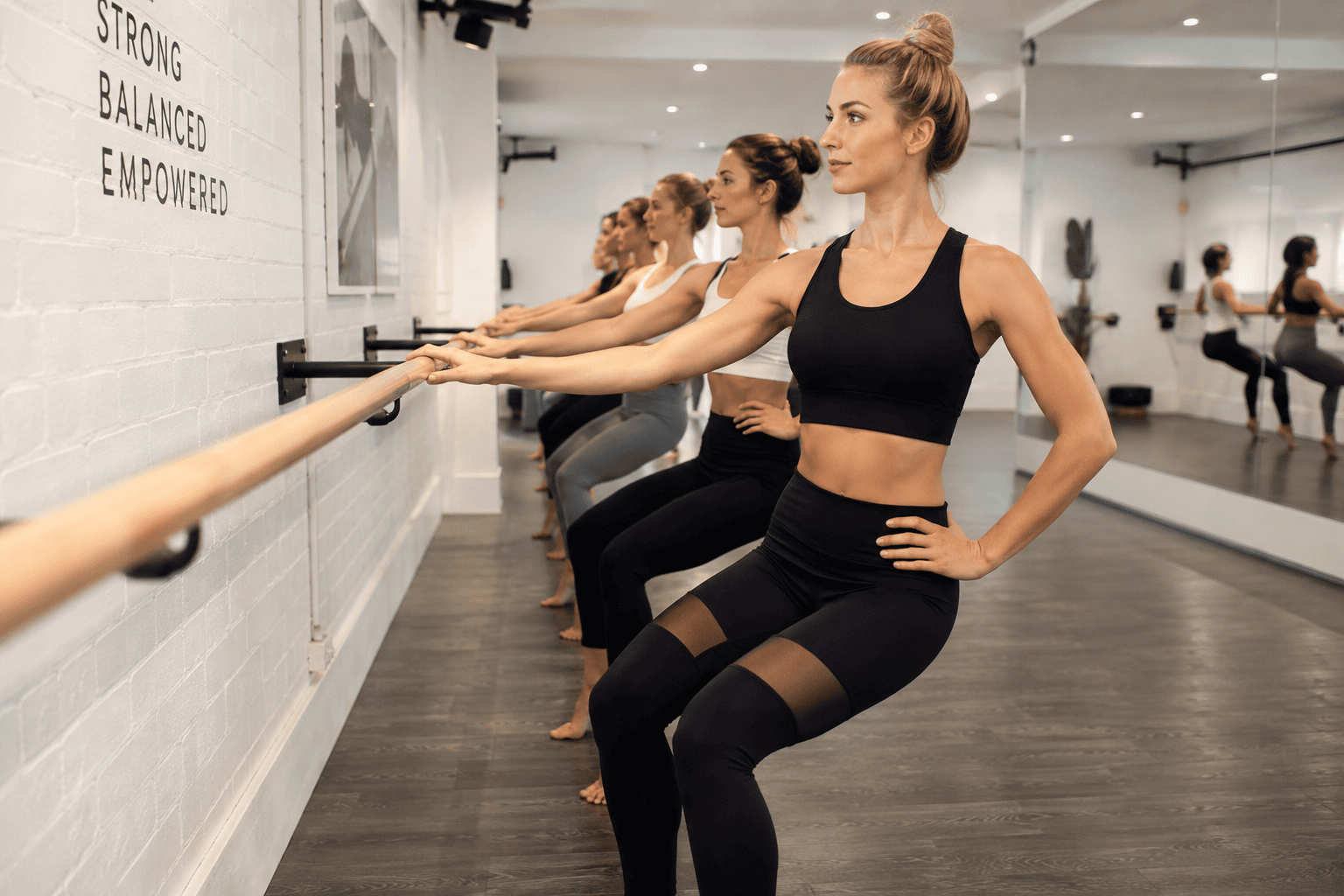
    Barre classes use ballet-inspired movements at a rail (the barre) to target the thighs, glutes, and core through small, high-repetition movements. They’re typically more cardio-intensive and more music-driven — the class atmosphere tends to feel more like a group workout than a mindful practice. If you’ve been curious about whether barre classes are worth it, the answer largely depends on what you want from a session.

    Reformer Pilates, by contrast, is slower, more technical, and more individually tailored — even in a group setting. The instructor pays more attention to your alignment and can adjust spring resistance for your specific level. If your goal is injury recovery, postural work, or deep core strength, reformer wins. If you want something higher-energy with a strong cardio element, barre has the edge.

    The good news: you don’t have to choose. Many boutique studios now offer both, and alternating between the two is a genuinely excellent approach to balanced fitness.

    What to Expect at Your First Reformer Pilates Class

    If you’ve never been on a reformer before, the machine can look a bit intimidating. Here’s what a typical first session looks like:

    You’ll arrive to find your reformer already set up (most studios adjust spring tension for you as a beginner). The instructor will walk you through basic carriage mechanics before the class begins, so you understand how to get on and off safely and what “pushing through the footbar” means.

    Most beginner and introductory classes move at a measured pace with lots of verbal cues. Expect to work through exercises lying on your back (supine), on your side, and in kneeling positions. The class will target the whole body — typically starting with footwork to warm up the legs, moving through core and glute work, then finishing with upper body and stretching.

    You’ll be sore the next day — possibly in muscles you didn’t know existed. The adductors (inner thighs), obliques, and serratus anterior (that muscle under your armpit) are common surprise casualties of a first reformer session. This is normal and eases significantly by your second or third class.

    Wear: fitted, stretchy clothing that won’t ride up when your legs are in the air. Grip socks are compulsory at almost every studio — most will sell pairs at reception if you forget.

    How to Find a Reformer Pilates Studio Near You

    Reformer studios are now available across the UK — not just in London. Major cities like Manchester, Edinburgh, Bristol, Leeds, Birmingham, and Cardiff all have well-established studios, and smaller towns are rapidly catching up.

    When choosing a studio, look for instructors with a full Pilates diploma (BASI, STOTT, Body Control Pilates, or similar) rather than a short reformer-only course. Good studios will also offer proper introductory sessions rather than throwing you straight into an all-levels class.

    GymPal lists Pilates studios across the UK, including reformer-specific venues — you can search by postcode or area to find what’s available near you, compare what each studio offers, and often find introductory deals in one place.

    Many leisure centres and council-run gyms are also beginning to invest in reformer equipment, which means sessions at a significantly lower price point than boutique studios. If budget is a factor, it’s worth searching specifically for council or leisure trust studios in your area before assuming reformer Pilates is out of reach financially.

    Final Thoughts

    Reformer Pilates has earned its moment. The combination of genuine results — strength, flexibility, posture, injury prevention — delivered in a low-impact, adaptable format puts it in rare company in the fitness world. Whether you’re a complete beginner, a regular gym-goer looking for something different, or someone coming back from injury, the reformer is worth your serious consideration.

    Yes, it costs more than a budget gym membership. Yes, you’ll feel completely baffled during your first class. But for most people who try it consistently, reformer Pilates becomes the workout they actually look forward to — and that, ultimately, is what sustainable fitness looks like.

    Find your nearest reformer Pilates studio on GymPal and filter by location to see introductory deals, class timetables, and studio details all in one place.

  • Calisthenics UK: Build Strength With Just Your Body Weight

    Calisthenics UK: Build Strength With Just Your Body Weight

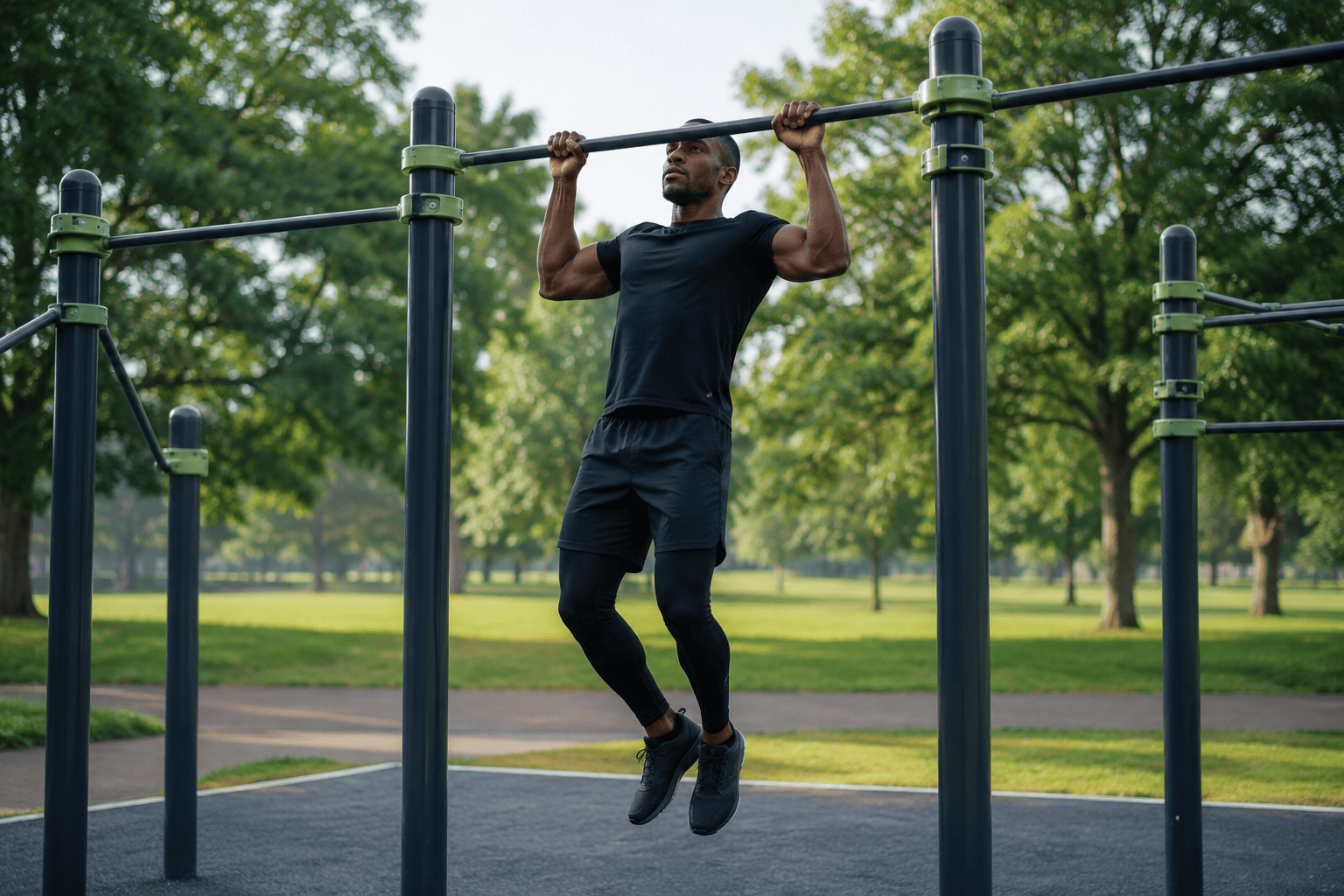
    There’s a fitness movement quietly taking over parks, playgrounds, and warehouse gyms across Britain — and it doesn’t involve a single dumbbell or cable machine. Calisthenics, the art of using your own bodyweight as resistance, has exploded in popularity across the UK. From outdoor rigs in London’s Victoria Park to dedicated calisthenics studios in Manchester and Glasgow, more and more people are discovering that the best gym equipment they’ll ever use is the one they were born with.

    But calisthenics is more than a budget alternative to the gym. It’s a complete training system that builds functional strength, flexibility, and body control in ways that traditional weightlifting often can’t match. The movements — pull-ups, dips, handstands, muscle-ups, levers — are visually impressive, deeply satisfying to master, and enormously effective at building muscle and athletic performance.

    This guide covers everything you need to know about getting started with calisthenics in the UK: what it is, why it’s worth doing, the best exercises to begin with, how to progress, and where to find calisthenics-friendly spaces near you.

    What Is Calisthenics?

    Calisthenics (pronounced “cal-is-then-ics”) comes from the Greek words for “beauty” and “strength.” At its core, it’s physical training that uses your bodyweight instead of external weights. Think of it as the opposite of going to a weights room — there’s no barbell to load, no machine to adjust. Just you, gravity, and a bar to hang from.

    The range of exercises is enormous. At the beginner end, you’ve got push-ups, squats, and lunges — movements most people are familiar with. As you progress, you unlock more demanding skills: dips, pull-ups, pistol squats, and handstand push-ups. At the elite end sits the stuff that makes gym-goers stop and stare: the human flag, the planche, the front lever, and the muscle-up.

    What makes calisthenics different from simply “doing press-ups in your living room” is the structured skill progression. You’re always working toward the next level — adding reps, increasing difficulty, or mastering a new movement. That progression keeps training engaging in a way that mindlessly adding weight to a barbell often doesn’t. You’re not just getting stronger; you’re genuinely developing new physical skills.

    Why Calisthenics Is Booming in the UK

    A decade ago, calisthenics in the UK was a niche pursuit — the domain of gymnastics coaches and people who trained in parks because they couldn’t afford a gym. Today, it’s mainstream. Search for calisthenics on YouTube and you’ll find British content creators with millions of followers. Dedicated calisthenics parks have sprung up in cities from Bristol to Edinburgh. And specialist calisthenics gyms — often called “street workout gyms” or “movement gyms” — are opening across the country.

    Several factors are driving this. First, cost. A calisthenics workout requires nothing more than a bar — and many parks have them for free. In a period when gym memberships, personal training sessions, and group classes have all risen in price, zero-cost outdoor training has real appeal.

    Second, accessibility. You can train alone, in silence, with no membership card, no locker, and no induction session. For the growing number of people who find traditional gym environments uncomfortable — the kind of anxiety that can stop someone from ever walking through the door — training outside with your own bodyweight is often the gateway back into fitness. The feeling of gymtimidation is very real, and calisthenics removes that barrier entirely by shifting training to an environment where the rules are entirely your own.

    Third, and perhaps most importantly: results. Despite carrying none of the prestige of heavy barbell training, calisthenics builds serious muscle. A well-executed pull-up recruits the same latissimus dorsi, biceps, and rear deltoids as a cable row. Dips load the triceps and pectorals effectively. Ring push-ups create chest muscle activation that flat bench press often can’t match. The science is clear: bodyweight resistance training produces comparable hypertrophy to free weight training when progressive overload is applied systematically.

    The Best Calisthenics Exercises for Beginners

    If you’re new to calisthenics, resist the urge to attempt a muscle-up in the first week. The foundation is a small set of compound movements that build the strength and body awareness you’ll need for more advanced skills later.

    Push-ups — The foundational pushing movement. Start with regular push-ups; if those are too hard, use an elevated surface. Once you can do 3 sets of 20 with good form, progress to diamond push-ups or archer push-ups.

    Dead hangs and scapular pulls — Before you attempt a pull-up, spend time simply hanging from a bar and learning to control your shoulder blades. Scapular pulls — depressing your shoulder blades while hanging, without bending your elbows — are the single most important precursor to a proper pull-up. They also protect your shoulders.

    Bodyweight rows — If pull-ups aren’t possible yet, horizontal rows under a low bar or using gymnastics rings are the best way to build pulling strength. They train the same muscles in a less demanding position and progress quickly.

    Squats and split squats — Lower body strength tends to advance faster in calisthenics. Standard bodyweight squats progress to Bulgarian split squats, then eventually to pistol squats — single-leg squats that test strength, balance, and mobility simultaneously.

    Dips — On parallel bars, dips are one of the most effective upper body pushing exercises in all of calisthenics. Keep your torso upright to bias the triceps, or lean forward slightly for more chest involvement. If full dips aren’t possible yet, bench dips let you build the required strength.

    Hollow body hold — This is the core of calisthenics, literally and figuratively. The slightly curved, arms-extended body position is the foundation of skills like the front lever, planche, and muscle-up. Spend a few minutes every session working this hold and you’re building the right movement patterns from the very start.

    How to Progress: The First Six Months

    The most common mistake beginners make is trying to skip ahead. Calisthenics rewards patience and systematic progression above almost everything else. Here’s a simple framework for your first six months:

    Months 1–2: Build a foundation. Three sessions per week, roughly 45 minutes each. Focus entirely on push-up progressions, scapular work, bodyweight rows, and squats. Aim for 3–4 sets of each exercise, pushing close to failure. Add a hollow body hold at the end of each session.

    Months 3–4: Begin pull-up work. If you can do 5 or more pull-ups, move them to a central part of your programme. If not, continue with negatives (jumping to the bar and lowering yourself slowly over 3–5 seconds) and assisted variations. Introduce dips once your push-up foundation is solid.

    Months 5–6: Begin skill work alongside strength training. The L-sit — a controlled static hold with legs parallel to the ground — is an excellent first skill that develops hip flexors and triceps simultaneously. Handstand work against a wall can also begin here, starting with face-to-wall holds to develop shoulder stability and body alignment.

    By the end of six months of consistent training, most people are genuinely surprised by how much their physique has changed — and how much stronger they feel in everyday activities like carrying shopping, climbing stairs, or picking things up. Calisthenics develops real-world strength in a way that machine-based gym training often doesn’t.

    Calisthenics Parks, Gyms, and Outdoor Rigs in the UK

    One of the best things about calisthenics is that you can do it almost anywhere. But having access to quality equipment genuinely accelerates progress — and the UK now has more options than ever.

    Outdoor calisthenics parks: These have proliferated across UK cities over the past five years. Look for parks with outdoor fitness equipment — pull-up bars, dip bars, and sometimes more advanced structures like monkey bars and parallel bars. London has excellent provision, with permanent rigs at Clapham Common, Hackney Marshes, and several parks in East London. Birmingham’s Cannon Hill Park, Leeds’ Woodhouse Moor, Manchester’s Platt Fields Park, and Glasgow’s Kelvingrove Park all have usable setups. Many councils have added these facilities following Sport England’s investment in outdoor physical activity infrastructure.

    Dedicated calisthenics gyms: A new breed of gym has emerged specifically for bodyweight and calisthenics training. These spaces typically feature high-quality gymnastics rings, wall bars, parallettes, and coaching from experienced practitioners. They’re small, focused, and usually very welcoming to beginners. Cities including London, Manchester, Bristol, Leeds, and Glasgow now have at least one dedicated calisthenics gym. Monthly membership typically runs between £40 and £80, which compares favourably with larger chain gyms.

    Standard gyms with functional training areas: Many traditional gyms have added functional training zones in recent years — spaces with pull-up rigs, dip stations, and gymnastics rings that work perfectly for calisthenics training. Functional fitness gyms across the UK tend to be particularly well-equipped for bodyweight work, often offering rig space, rings, and open floor alongside the usual barbell setup.

    Outdoor bootcamp and movement classes: If you want some structure and coaching to kickstart your calisthenics journey, many outdoor bootcamp classes in the UK incorporate substantial bodyweight work — push-ups, burpees, dips on benches, and squat variations — and provide a community-based entry point while you build your solo practice.

    GymPal lets you search for gyms and fitness spaces near you across the UK, including functional training centres and specialist movement gyms that cater to calisthenics enthusiasts.

    Calisthenics and Weight Loss: What to Expect

    A question that comes up constantly: is calisthenics effective for weight loss? The honest answer is yes — but the mechanism might be different from what you expect.

    Calisthenics isn’t primarily a calorie-burning activity the way a long run or spin session might be. But it builds lean muscle mass, and muscle mass raises your resting metabolic rate. A person carrying more muscle burns more calories at rest, throughout the day, even when sitting at a desk. Over months and years, that compounds significantly.

    The more immediate effect is compositional. People who do calisthenics consistently tend to lose body fat and gain muscle simultaneously, particularly in the first year. The lean, defined look that many gym-goers chase is essentially this combination — and calisthenics is remarkably effective at producing it without the need for extensive cardio or restrictive dieting.

    The NHS recommends at least 150 minutes of moderate-intensity activity per week for adults, alongside muscle-strengthening activities on two or more days. A well-structured calisthenics programme covers both elements — the movement builds cardiovascular endurance and the resistance elements strengthen muscles — which is one reason it’s increasingly recommended by health professionals.

    Is Calisthenics Right for You?

    Calisthenics works for almost anyone — but it’s particularly well-suited to certain kinds of people.

    If you’re someone who’s been put off joining a traditional gym — whether that’s anxiety about using equipment correctly, uncertainty about what to do, or simply finding the environment uncomfortable — then training outside with your bodyweight, or in a small specialist calisthenics gym with a welcoming community, can be a genuine turning point.

    If you already train but feel stuck or bored with the same machines and routines, calisthenics provides an entirely new category of challenges and skills to pursue. The planche, the human flag, the muscle-up — these are goals that can sustain motivation for years without requiring any additional kit or gym upgrades.

    If you’re time-pressed or travel frequently for work, calisthenics is the most portable form of strength training that exists. All you need is a bar — and in most UK towns, there’s one in the local park.

    And if you’re starting completely from scratch, calisthenics offers one of the most accessible and lowest-cost ways to begin building strength, coordination, and physical confidence. It scales from absolute beginner to elite athlete without ever requiring you to change gyms or buy new equipment.

    Your First Steps This Week

    Here’s what to do to get started right now:

    1. Find a local bar. Walk to your nearest park and see if there’s a pull-up bar or outdoor fitness rig. Most towns and cities now have at least one. GymPal can help you find gyms and outdoor fitness spaces near you.
    2. Test your baseline. How many push-ups can you do with good form? Can you hang from a bar for 30 seconds? Can you do a deep bodyweight squat with your heels flat? These are your starting points — and they’ll look very different in six months.
    3. Follow a structured programme. Apps like Calisthenics Ally and coaches on YouTube such as Tom Merrick provide free, well-structured beginner programmes. Don’t improvise from day one — a programme keeps you progressing efficiently.
    4. Be patient with skills. The advanced movements take months or years to develop. That’s not a warning; it’s part of the appeal. You’re building something real and lasting.
    5. Consider an introductory session. Many calisthenics gyms offer one-off coaching sessions or beginner workshops. An hour with an experienced coach can save you months of inefficient practice and ingrained bad habits.

    The Bottom Line

    Calisthenics is one of the most complete, sustainable, and accessible forms of strength training available to UK gym-goers. It doesn’t require expensive equipment, a monthly membership, or any prior experience. Done consistently, it produces real muscle, genuine athleticism, and a set of physical skills that are deeply satisfying to develop over time.

    Whether you start in your local park, in a dedicated movement gym, or simply on your living room floor, the key is consistency and progressive challenge. Start where you are, build systematically, and trust the process — because in six months, you’ll barely recognise what your body is capable of.

    GymPal lists gyms, functional fitness centres, and outdoor spaces right across the UK. Search your area on GymPal to find a calisthenics-friendly spot near you and get started today.

  • Aqua Aerobics UK: Why Water Workouts Are Having a Major Moment

    Aqua Aerobics UK: Why Water Workouts Are Having a Major Moment

    You’ve probably walked past the aqua aerobics class at your local leisure centre a hundred times. Maybe you’ve glanced through the window, seen a group of people bouncing around in the shallow end, and moved on without giving it a second thought. That, it turns out, would be a mistake — because aqua aerobics is one of the most effective and underrated workouts available in the UK, and it’s quietly winning over a much wider audience than most people expect.

    The old stereotype — that water workouts are only for older adults doing gentle movement — is well past its sell-by date. Modern aqua aerobics classes are properly challenging, high-energy sessions that burn significant calories, build real muscular endurance, and offer cardiovascular conditioning you’d struggle to match on a treadmill. The fact that they do all of this without grinding your joints is a bonus, not a compromise.

    Whether you’re coming back from injury, looking for a lower-impact addition to your training, or simply trying something new, here’s everything you need to know about aqua aerobics in the UK — what it involves, what it costs, who it’s for, and how to find your nearest class.

    What Exactly Is Aqua Aerobics?

    Aqua aerobics — also called water aerobics or aqua fitness — is a form of aerobic exercise performed in a swimming pool, typically in the shallow end so you don’t need to know how to swim. You’ll follow a class led by an instructor on poolside, working through a sequence of movements that get your heart rate up, strengthen your muscles, and improve your flexibility — all while your body is submerged in water.

    The water provides natural resistance in every direction, which means your muscles work harder than they would doing the same movements on land. At the same time, buoyancy supports up to 90% of your body weight, removing the joint impact that makes high-intensity exercise tough for many people. It’s this combination — serious workout, minimal stress on joints — that makes aqua aerobics so effective and so accessible.

    Classes usually run for 45–60 minutes and are held in leisure centres, hotel pools, and dedicated aquatic fitness studios across the UK. You don’t need to be a confident swimmer; most sessions stay in chest-to-waist-depth water throughout.

    Why Aqua Aerobics Is Booming Right Now

    Aqua aerobics has quietly shaken off its “just for older adults” reputation and is attracting a much wider crowd. Here’s what’s driving the surge in UK participation.

    It’s genuinely hard work

    The buoyancy illusion fools first-timers every time. You step into the pool thinking it’ll be easy, and ten minutes in you’re working harder than you expected. Water resistance is roughly 12 times greater than air resistance, so even slow movements recruit significant muscle effort. A 60-minute aqua aerobics class burns between 400 and 600 calories depending on intensity and your body weight — comparable to a brisk jog, without any of the impact.

    It’s perfect for injury recovery and chronic conditions

    The NHS recommends aquatic exercise for people managing arthritis, lower back pain, and joint conditions because the water eliminates the compressive forces that make land-based exercise painful. According to Swim England’s Aqua Fitness programme, regular water-based exercise improves cardiovascular fitness, muscular strength, and flexibility while reducing the risk of exercise-related injury — a combination that’s difficult to find in any other single activity.

    Beyond rehabilitation, aqua aerobics suits anyone who finds high-impact workouts hard on their knees, hips, or back. That includes postnatal women returning to exercise, people carrying extra weight who find floor-based classes uncomfortable, and older adults who want to stay active without risking falls or joint flare-ups.

    The social element hits different

    There’s something about exercising in a group in a pool that creates a different kind of atmosphere to a gym floor. Classes tend to be relaxed, chatty, and fun — participants are there because they enjoy it, not because they feel obligated. Many UK leisure centres report that aqua aerobics classes have some of the highest retention rates of any group fitness format, with regulars attending weekly for years.

    What to Expect in Your First Aqua Aerobics Class

    If you’ve never tried a water fitness class before, here’s what the session will typically look like.

    Warm-up (5–10 minutes): You’ll start with gentle movements to get the blood flowing — walking laps through the water, shoulder rolls, and some light leg swings. The resistance of the water means even this warming-up phase is working your body.

    Main set (35–45 minutes): The instructor will lead you through sequences of movements that target your cardiovascular system and major muscle groups. Expect jogging on the spot, jumping jacks (called “tuck jumps” in water), cross-country ski movements, punching and kicking motions, and a lot of core engagement. Many classes use foam pool noodles, dumbbells, or resistance gloves to add extra intensity.

    Cool-down and stretch (5–10 minutes): The session ends with slower movements and stretches to bring your heart rate down. The warm water makes this stretch section more effective than a chilly gym studio — your muscles relax far more easily.

    Wear a swimsuit rather than gym kit, and bring a towel and a drink of water. Despite being in a pool, you’ll still sweat and need to stay hydrated. Most venues have changing facilities, and many have a pool café or juice bar nearby.

    How Much Do Aqua Aerobics Classes Cost in the UK?

    Costs vary significantly depending on where you go, but aqua aerobics is generally one of the most affordable group fitness options available. If you’re weighing this up against a standard gym membership, it’s worth comparing your full UK gym membership costs for 2026 — aqua fitness is often included in local authority leisure centre memberships at no extra charge.

    • Local authority leisure centres: £4–£8 per drop-in class, or included in memberships from £25–£45/month
    • Private leisure clubs (David Lloyd, Nuffield, Virgin Active): Included in memberships from £60–£120/month
    • Specialist aqua fitness studios: £12–£20 per session, with block booking discounts typically bringing it to £9–£15
    • Hotel pools: Varies widely; often £8–£15 per session for non-members

    The most accessible entry point is your local council-run leisure centre. Almost every town in the UK has one, and they’re required to offer affordable classes to the community. Many run concession rates for over-60s, people on Universal Credit, or those with disabilities — often reducing the drop-in price to £2–£4.

    Is Aqua Aerobics the Same as Swimming for Fitness?

    Not quite. While both take place in a pool, they use the water very differently. If you’ve been drawn to swimming for fitness, you’ll know that lane swimming focuses on cardiovascular endurance through repetitive strokes — it’s rhythmic, meditative, and highly technique-dependent. Aqua aerobics, by contrast, is about performing structured exercise movements while standing or moving through the water. You don’t need any swimming technique at all.

    The two complement each other well. Some UK leisure centre regulars swim lengths two or three times a week and attend aqua aerobics once a week, getting cardiovascular endurance from their lane sessions and muscular conditioning and social engagement from the aqua class. Others start with aqua aerobics because it’s lower pressure than swimming — there’s no technique to learn, no need to put your face in the water, and no requirement to keep pace with other swimmers.

    Who Is Aqua Aerobics Best Suited For?

    Honestly? More people than you’d think. The format particularly suits:

    • People returning from injury — especially knee, hip, back, and ankle issues
    • Postnatal women — aqua aerobics is often cleared earlier in recovery than floor-based exercise
    • Older adults — fall risk is virtually eliminated, and the social aspect is genuinely valuable
    • People with arthritis, fibromyalgia, or MS — warm water reduces pain and stiffness during exercise
    • Beginners who find gym floors intimidating — there’s no pressure to perform, and you’re partially hidden by the water
    • Runners and cyclists — as a cross-training option to maintain fitness during injury or rest periods
    • Anyone who genuinely enjoys water — motivation is half the battle, and if the pool is your happy place, this is your workout

    It’s not the best primary training method if your goals are building significant muscle mass, training for a specific sport, or achieving very high cardiovascular outputs. But as a regular component of a varied fitness routine, or as a standalone activity if land-based exercise is difficult, it’s genuinely excellent. If you’re looking for other gentle but effective low-impact formats, Pilates is another brilliant low-impact option that pairs very well with aqua aerobics as a weekly combination.

    Tips for Getting the Most Out of Aqua Aerobics

    Push against the water, don’t just float through it. The resistance only works if you apply force. Engage your core, keep movements controlled and deliberate, and match the instructor’s energy rather than just going through the motions.

    Try a few different instructors. Like any group fitness format, the quality of the session depends heavily on the person leading it. A great aqua aerobics instructor brings energy, clear cueing, good music, and adapts movements for different abilities in the class. If your first session feels flat, try another time slot or venue before writing it off.

    Go regularly. Once a week won’t move the needle much. Two to three sessions a week will deliver noticeable improvements in cardiovascular fitness, muscle tone, and joint mobility within six to eight weeks.

    Stay hydrated. You don’t feel yourself sweating in water, but you are. Bring a water bottle poolside and sip before and after the session.

    Ask about different class formats. Some popular aqua aerobics formats you might see on the timetable include Aquafit, Hydro Aerobics, AquaSpin (water-based cycling using submerged bikes), and Deep Water Running. Don’t assume all aqua classes are the same — they can vary quite a bit in intensity and approach.

    How to Find Aqua Aerobics Classes Near You

    GymPal makes it easy to find aquatic fitness venues across the UK — browse swimming and aquatic fitness venues near you to find local pools and leisure centres running water fitness classes. You can check facilities, find contact details, and book directly.

    When you find a venue, it’s worth asking a few questions before your first visit:

    • What’s the water temperature? Aqua aerobics works best in pools heated to 28–32°C. Cooler pools are fine for lane swimming but can be uncomfortable for slower aqua movements.
    • Is the class suitable for non-swimmers? (Almost always yes, but worth confirming)
    • Is equipment provided, or do you need to bring anything?
    • Can you drop in for a single session, or do you need to book in advance?
    • Are there multiple class levels? Some venues offer beginners, intermediate, and advanced sessions.

    Most UK leisure centres post their class timetables online, and many allow you to book via app or web portal. Your local council website is usually the quickest way to find what’s on at your nearest leisure centre.

    The Bottom Line

    Aqua aerobics is one of those workouts that defies its own reputation. It’s harder than it looks, more effective than most people assume, and genuinely enjoyable in a way that keeps people coming back for years. If you’ve been putting off trying it because you assumed it wasn’t for you, it might be time to reconsider.

    Find your nearest aquatic fitness venue on GymPal, check the timetable, and give it a go. You might be surprised how good a proper water workout can feel — and how much you want to go back.

  • Wild Swimming UK: The Complete Beginner’s Guide

    Wild Swimming UK: The Complete Beginner’s Guide

    There’s a moment, just as you lower yourself into a cool British river or lake for the first time, when your body decides it absolutely does NOT want to be there. Your breathing quickens. Your skin prickles. Your brain fires off a rapid series of complaints. And then — if you hold your nerve — something extraordinary happens. Your body adapts, your breathing slows, and you feel more alive than you have in months.

    Wild swimming — swimming in natural, unchlorinated bodies of water — has exploded in popularity across the UK. From the Lake District to the Cornish coast, the Scottish lochs to the chalk streams of Hampshire, more Britons are trading the chlorinated lane for open water than at any point in living memory. You don’t need to be a cold-water zealot or an endurance athlete to get started. You just need the right kit, a solid understanding of safety, and the courage to get your feet wet.

    This guide covers everything you need to know before taking the plunge — what wild swimming actually is, why it’s worth the discomfort, how to stay safe, what to wear, and where to find the best spots across the UK.

    What Is Wild Swimming (and How Is It Different from Pool Swimming)?

    Wild swimming is any swimming that takes place in natural, outdoor water: lakes, rivers, reservoirs, the sea, and even waterfalls and quarry pools. It’s deliberately unstructured — no lane ropes, no chlorine, no turning at the wall. Just you, the water, and whatever the British weather decides to throw at you that morning.

    The term is sometimes used interchangeably with “open water swimming,” though open water tends to refer to organised events in natural water — triathlons, charity swims, sporting competitions — while wild swimming usually means self-led dips out in the countryside or along the coast.

    The practical differences from pool swimming are significant:

    • Temperature: UK wild swimming water ranges from around 4°C in winter to 20°C in a warm August. Even in peak summer, most UK lakes sit at 14–18°C — considerably colder than the 28°C of your local leisure centre pool.
    • Currents and hazards: Rivers can carry strong flows; tides complicate sea swimming; underwater obstacles exist where you can’t see them.
    • No lifeguard: You are entirely responsible for your own safety. This isn’t scary — it’s just a fact that changes how you prepare.
    • Mental challenge: Cold water shock is a real physiological response, not just discomfort. Understanding it before you get in is non-negotiable.

    The Health Benefits: Why Wild Swimming Is Worth the Cold

    Wild swimming’s popularity isn’t just cultural. According to Sport England’s Active Lives research, swimming remains one of the most participated-in physical activities in the UK — and the shift to outdoor, natural water has accelerated dramatically over recent years as people chase benefits that go beyond fitness.

    The physical gains are substantial. A single open water session combines full-body cardiovascular effort with the extra metabolic demand of cold water acclimatisation — your body burns additional calories simply maintaining its core temperature. The low-impact nature of swimming means it’s suitable for people recovering from injury, managing joint pain, or returning to exercise after a long break.

    The mental health case is even more compelling. Research has documented cases where regular cold water swimming significantly reduced symptoms of depression and anxiety. The combination of cold water, natural surroundings, and physical exertion produces a powerful cocktail of endorphins, adrenaline, and dopamine that many wild swimmers describe as more intense than any gym-based high. Even a 10-minute dip in a Derbyshire reservoir can reset stress levels in a way that an hour of indoor cardio rarely manages.

    Regular cold water exposure is also linked to better sleep, potentially improved immune function, and enhanced cardiovascular conditioning. Wild swimmers frequently cite sleep quality as one of the biggest unexpected payoffs — the body’s post-swim recovery process seems to promote deeper, more restorative rest. And for anyone who already knows that [swimming for fitness](https://askgympal.co.uk/blog/swimming-for-fitness-uk/) is one of the most efficient full-body workouts available, the open water version simply turns the intensity dial up a notch.

    Essential Safety: What Every Beginner Must Know Before Getting In

    Wild swimming is genuinely safe when approached correctly — and genuinely dangerous when it isn’t. The Royal National Lifeboat Institution responds to thousands of UK water incidents every year, and the majority involve people who underestimated conditions or went in without preparation. These rules are non-negotiable:

    Never swim alone as a beginner. Bring a friend, join an organised group (more on that below), or at minimum tell someone exactly where you’re going and when you’ll be back.

    Cold water shock is the biggest killer. When you enter cold water quickly, your body gasps involuntarily — and if your face is underwater, that gasp can drown you within seconds. Always enter slowly: wade in up to your chest before submerging your face, giving your body several minutes to adapt. Never jump or dive into cold water you haven’t acclimatised to.

    Know your exit before you enter. Survey the bank, shore or pool edge before you get in. Slippery rocks and steep banks are much harder to judge once you’re cold, breathless, and your hands have gone numb.

    Check water quality before you go. Pollution in UK rivers and coastal waters is a serious concern. The Environment Agency’s Swimfo database rates water quality at designated bathing spots across England — check it before swimming anywhere new. Avoid spots near farm drainage outflows, sewage overflows, or immediately after heavy rainfall.

    Carry a tow float. A brightly coloured inflatable tow float clips around your waist and keeps you visible to boats and other water users. It provides a rest aid and dramatically increases your visibility. They cost £15–25 and are non-negotiable once you swim regularly.

    Know when to get out. Shivering in the water is your body’s warning sign. When serious, uncontrollable shivering starts, get out. Hypothermia is a risk even in August if you push past your body’s tolerance.

    What to Wear: A Wild Swimming Kit Guide

    You don’t need a great deal of expensive kit to start — but the wrong choices (or no kit at all) make an already cold experience genuinely miserable. Here’s what’s worth investing in from day one:

    Wetsuit (recommended for most UK waters): A 3mm or 4mm full wetsuit won’t eliminate the cold — you’ll still feel it vividly — but it buys you significantly more time in the water before your body starts shutting down. Many outdoor activity centres near popular swimming spots offer wetsuit hire if you don’t want to buy before you know you’re committed.

    Swim hat: A neoprene swimming hat or thick silicone cap is essential — you lose a disproportionate amount of body heat through your head. Many experienced wild swimmers double up with a standard latex cap underneath for extra insulation.

    Open water goggles: Standard pool goggles often leak in choppy conditions or when diving. Open water-specific goggles have a wider sealing surface and UV tinting for bright outdoor conditions.

    Changing robe: Possibly the most impactful UK wild swimming innovation of the last decade. A thick changing robe lets you strip off and dress in a car park, on a beach, or beside a reservoir without freezing in the process. They run £90–200, but virtually every regular wild swimmer in the country uses one. The post-swim warmth they provide is genuinely transformative.

    Neoprene gloves and socks: Optional in summer, close to essential when the water drops below 12°C. Cold hands lose motor function quickly — neoprene gloves can extend a comfortable swim by 15–20 minutes in colder conditions.

    Where to Wild Swim in the UK: The Best Areas to Explore

    The UK is genuinely blessed with wild swimming opportunities. Here are some of the most celebrated areas, from beginner-friendly lakes to more adventurous coastal spots:

    Lake District, Cumbria: Windermere, Ullswater, and Coniston Water are the most accessible entry points, but dozens of smaller tarns reward those willing to walk. The Lakes offer some of the finest freshwater swimming in Europe — clear water, relatively easy access points, and well-established swimming communities at nearly every main body of water.

    Dartmoor, Devon: The River Dart has carved out a series of pools and gorges that attract swimmers from across the country. Spitchwick Common on the East Dart is one of England’s most popular wild swimming spots — accessible, well-signed, and stunning in warm weather.

    Peak District, Derbyshire: Ladybower Reservoir and the River Derwent are the headline acts, though access can vary — always check landowner permissions carefully before getting in. The Monsal Trail area also has river pools worth exploring.

    Scottish Lochs: Loch Lomond, Loch Morlich near Aviemore, and countless Highland lochs offer spectacular swims. Scottish water temperatures are unforgiving even in August, so a wetsuit here moves from optional to essential.

    Cornwall and Devon coasts: Sea swimming along the South West Coast Path puts iconic coves and beaches within reach. Water quality is generally better in the far west, away from larger towns. The Fal Estuary and Helford River are particular favourites for those who prefer calmer water.

    Thames Valley: The upper Thames around Wallingford, Abingdon, and Lechlade has a long wild swimming tradition. The region is also home to some excellent [outdoor lidos](https://askgympal.co.uk/blog/outdoor-lidos-uk-guide-open-air-pools/) if you want the open-air experience with the reassurance of lifeguards and a designated swimming area.

    Joining a Wild Swimming Group: The Fastest Route to Confidence

    The quickest route to confident, safe wild swimming is joining a local group. The UK has thousands of them — most are free to join and operate through Facebook, Meetup, or WhatsApp. Swim England affiliated open water clubs exist in most counties and run organised sessions with appropriate safety provision.

    Experienced members carry the local knowledge that no guide can replicate: where the good entry points are, which sections of river to avoid after rain, where currents run strongest, and which spots are worth the trek. That accumulated knowledge is worth more than any kit purchase.

    Wild swimming communities are also famously welcoming and social — one of the sport’s underrated draws. Groups typically meet year-round, including on grey January mornings when the water is at its coldest and the post-swim euphoria is at its most extreme. The shared misery (and shared triumph) creates a particular kind of friendship.

    If you’re brand new to swimming altogether — rather than just new to open water — building your confidence in a pool first is absolutely the right move. [Adult swimming lessons](https://askgympal.co.uk/blog/adult-swimming-lessons-uk/) are far more widely available than most people assume, with most leisure centres running beginner courses for adults at around £50–80 for a six-session block. The technique and water confidence you gain transfers directly to open water.

    Understanding Afterdrop: The Danger People Don’t Expect

    Afterdrop catches beginners out regularly and is the most misunderstood phenomenon in cold water swimming. Here’s what happens: when you exit cold water, your core temperature continues to fall for up to 40 minutes after you’ve left the water, as cold blood from your extremities recirculates to your core. This is why you can feel fine immediately after a swim and then feel dramatically worse 20 minutes later — sometimes frighteningly so.

    The practical implication is counterintuitive: warm up before you get dressed. Get into your changing robe, have a hot drink, and let your body temperature stabilise before you start dressing or driving. Never rush straight into a car and drive home immediately after a cold water swim — sit, warm up, and wait for the afterdrop to pass.

    Eating something before your swim also matters more than most beginners realise. Your blood sugar affects how quickly your body can generate heat in recovery — going into cold water on an empty stomach slows your warming time and increases risk during the afterdrop phase.

    Ready to Get Started? Find Swimming Venues Near You

    Wild swimming spots require research, careful water quality checks, and good local knowledge. For organised, structured swimming — outdoor pools, lidos, leisure centre pools where you can build fitness and technique before heading outdoors — GymPal searches thousands of UK swimming venues, filterable by location and facility type, so you can find the right option wherever you are in the country.

    Whether you’re looking for a pool to build your swimming base, an outdoor lido for the open-air experience with lifeguard cover, or an aquatics centre with coaching on offer, GymPal covers the full range of UK swimming facilities. Start there, build your confidence, and then take it outside.

    The cold water is waiting. And it’s worth every second of the discomfort.

  • Gym Anxiety UK: How to Beat Gymtimidation and Actually Enjoy Your Workouts

    Gym Anxiety UK: How to Beat Gymtimidation and Actually Enjoy Your Workouts

    You walk up to the gym door, grab the handle, and freeze. The weight section is packed. Everyone looks like they know exactly what they’re doing. You imagine every head turning as you walk in and fumble with an unfamiliar machine. So you turn around, get back in your car, and tell yourself you’ll try again next week.

    If that sounds familiar, you’re far from alone. Gym anxiety — sometimes called gymtimidation — is one of the most common reasons people in the UK avoid exercise despite genuinely wanting to get fit. A 2023 survey found that nearly half of British adults feel self-conscious in gym environments, and it’s not just beginners who experience it. Even seasoned gym-goers can hit walls of self-doubt when they change gyms, try new equipment, or return after a break.

    The good news? Gym anxiety is completely normal, it’s manageable, and there are practical steps that really work. This guide cuts through the faff and gives you a realistic, judgment-free path to walking through those doors with confidence — and actually enjoying what’s on the other side.

    What Is Gym Anxiety and Why Is It So Common?

    Gym anxiety sits at the intersection of social anxiety and performance pressure. You’re in an unfamiliar environment with unspoken rules, surrounded by people who all seem more experienced, and you’re being asked to do physically demanding things in front of them. That’s a recipe for nerves even for the most outgoing among us.

    There are a few specific fears that tend to drive gymtimidation:

    • Being judged for your appearance — worrying that your body shape, fitness level, or workout clothes will attract negative attention
    • Looking incompetent — not knowing how to use the machines or worrying you’ll do exercises wrong
    • Taking up space — feeling like you don’t “belong” in certain areas (the free weights section is notorious for this)
    • Being too slow or too unfit — anxiety that you’ll struggle with weights or cardio that others find easy
    • Social awkwardness — not knowing the etiquette, whether to talk to people, or what to do between sets

    Understanding why you feel anxious is the first step to doing something about it. For most people, gym anxiety isn’t about the gym itself — it’s about a perceived audience that’s far more critical than the real one.

    The Truth About What Other Gym-Goers Are Thinking

    Here’s the thing that nearly every experienced gym member will tell you: nobody is watching you as closely as you think they are. Most people in the gym are almost entirely focused on their own workout. They’re counting reps, watching their form in the mirror, thinking about what they’re having for tea, or listening to a podcast. The critical audience in your head simply doesn’t exist in the room.

    Research consistently shows that we vastly overestimate how much attention others pay to us — this is known as the spotlight effect. We’re the main character in our own story, so we assume everyone else has noticed us too. They haven’t. The person on the treadmill next to you genuinely isn’t clocking your pace.

    It’s also worth knowing that most regular gym-goers have a lot of respect for people who show up and give it a go. Starting is the hardest part, and the fitness community — particularly in smaller independent gyms — tends to be far more welcoming than newcomers expect.

    Choosing the Right Gym for Your Confidence Level

    Not all gyms are created equal when it comes to atmosphere, and picking the right environment for where you are right now can make an enormous difference to how quickly your confidence grows.

    Large commercial chains — your PureGyms, your Sports Directs, your JD Gyms — can feel overwhelming for newcomers. They’re busy, the equipment is spread across huge floors, and staff aren’t always on hand to help. They’re great value once you’re comfortable, but they’re not always the best starting point.

    Consider these alternatives:

    • Smaller independent gyms — often have a tighter community feel, staff who actually know your name, and a less intimidating vibe overall
    • Boutique fitness studios — focused on one type of workout (cycling, boxing, yoga), which means a defined class structure that leaves less room for uncertainty
    • Women-only gyms — if mixed-sex spaces make you particularly uncomfortable, women-only gyms across the UK offer a completely different atmosphere that many members describe as instantly less intimidating
    • Council leisure centres — often quieter than commercial chains, more diverse in terms of who’s using them, and frequently have staff on the gym floor

    GymPal makes it easy to search for gyms near you and filter by type, facilities, and price — so you can find a space that genuinely suits your situation rather than just defaulting to the nearest big-name chain.

    Your First Week: A Realistic Plan to Build Gym Confidence

    One of the biggest mistakes anxious gym newcomers make is trying to wing it. Walking in with no plan guarantees you’ll spend half your time standing around not knowing what to do next — and that dead time is when anxiety floods in. Go in with a plan and you’ll be too focused on what you’re doing to worry about anyone else.

    Before you go:

    • Visit the gym’s website or app and check the floor plan if available
    • Aim for off-peak times (mid-morning on weekdays is typically quiet)
    • Write down a simple workout — three or four exercises is plenty to start
    • YouTube the exercises beforehand so you’re not learning from scratch on the floor

    Your first session:

    • Arrive a few minutes early and ask a member of staff for a quick induction if you haven’t had one
    • Stick to the cardio machines for the first session if you need to — there’s zero shame in a solid treadmill or bike session while you get used to the space
    • Take your time, focus on your own kit, and remind yourself nobody’s watching

    Sessions two and three:

    • Gradually add one new piece of equipment per session
    • Try a class — the structure takes the guesswork out of what you should be doing, and instructors are there to help

    If you want a proper programme from day one, working with a personal trainer for even two or three sessions can transform your confidence. Knowing that you’re doing things correctly — form, weights, timing — is one of the fastest ways to stop feeling like a fraud. Our guide to finding a personal trainer in the UK covers what to look for and how much to expect to pay.

    Low-Pressure Classes That Are Perfect for Anxious Beginners

    Group fitness classes can feel terrifying before you try them and surprisingly brilliant once you’re in one. The instructor tells you what to do, everyone’s too busy keeping up to judge anyone else, and the music takes the edge off any social awkwardness. They’re one of the quickest routes out of gymtimidation.

    The best classes for people managing anxiety tend to be the ones with a slower pace and a focus on form rather than performance:

    • Pilates — low-impact, technique-focused, and typically welcoming of complete beginners. If you haven’t tried it, our beginner’s guide to Pilates in the UK explains what to expect from your first class and what you’ll actually need
    • Yoga — similarly paced, with most classes explicitly encouraging beginners to modify poses and go at their own speed
    • Aqua aerobics — often unfairly written off as “just for older adults,” it’s a great low-impact option in an environment where nobody can really see what you’re doing from the waist down
    • Les Mills BodyPump or similar barbell classes — follow-along format, everyone’s facing the front, and you can start with an empty bar while you learn the moves

    According to Sport England’s Active Lives Survey, group exercise participation has risen significantly since 2020, with women in particular citing the social element and structured format as key motivators. You won’t be the only one using a class as a stepping stone to solo training.

    Long-Term Habits That Keep the Nerves at Bay

    Building gym confidence isn’t a one-session fix — it’s a gradual process, and there will be days when the anxiety creeps back in. That’s completely normal. The goal isn’t to feel zero nerves forever; it’s to build enough familiarity that the nerves no longer stop you from going.

    A few habits that make a real difference over time:

    • Go consistently — anxiety fades fast when the gym becomes a familiar routine rather than an unknown quantity. Three times a week is enough to make it feel like your second home within a month
    • Pick a gym you actually like — this sounds obvious, but plenty of people sign up to the most convenient or cheapest option without checking whether the atmosphere suits them. You’re far more likely to go back somewhere that feels good
    • Make one small connection — you don’t need gym friends to enjoy the gym, but a nod to the receptionist or a regular hello to someone you always see on the same session creates a tiny thread of belonging that matters more than it sounds
    • Track your progress — being able to see that you’re lifting more, going faster, or recovering quicker than you were three months ago gives you something concrete to focus on beyond how you look or how others might perceive you
    • Let go of perfection — skipping a session, using lighter weights, leaving early because you’re tired: none of it matters. Showing up imperfectly is infinitely better than not showing up at all

    Finding the Right Gym Makes All the Difference

    Gymtimidation is real, but it’s not permanent. The majority of people who push through those first few awkward sessions end up genuinely loving the gym — and wondering what took them so long. The trick is giving yourself the best possible conditions to succeed: the right gym, a clear plan, and a bit of self-compassion when things don’t go perfectly.

    Start by finding a gym that suits where you are right now, not where you think you should be. GymPal lists thousands of gyms across the UK — from large commercial chains to intimate independent studios — so you can search by location, filter by type, and find somewhere that actually sounds welcoming before you ever step inside. Head to askgympal.co.uk to find gyms near you and take the first step on your own terms.

  • HIIT Classes UK: What to Expect, What It Costs, and How to Find One Near You

    HIIT Classes UK: What to Expect, What It Costs, and How to Find One Near You

    Walk into any UK gym or fitness studio right now and you’ll find it: a room full of people doing burpees, box jumps and battle ropes to thumping music, looking like they’re one minute from collapse — and absolutely loving it. HIIT classes have become one of the most popular group fitness formats in Britain, and for very good reason.

    They deliver real results in a short amount of time, they require zero equipment knowledge, and the group energy makes you push harder than you ever would alone on a treadmill. Yet if you’ve never tried one, the prospect can feel genuinely intimidating. What actually goes on in there? Do you need to already be fit? Will everyone be staring at you when you’re gasping after the first set?

    This guide covers everything you need to walk into your first HIIT class in the UK feeling prepared rather than panicked — what to expect, what you’ll pay, and how to find the right class near you.

    What Actually Happens in a HIIT Class?

    HIIT — short for High Intensity Interval Training — is built around short bursts of hard effort followed by brief rest periods. That structure is what makes it so effective: you push your cardiovascular system hard, recover just enough to go again, and repeat. A typical class runs 30 to 45 minutes, which is a huge part of the appeal. You’re not slogging through an hour on the treadmill. You’re working smarter.

    The format varies between studios, but the core structure stays the same: work intervals followed by rest intervals. A typical UK HIIT class looks something like this:

    • Warm-up (5 minutes): Dynamic stretching, light cardio, mobility work to prime your body and reduce injury risk.
    • Main workout (25–35 minutes): Multiple rounds of exercises performed at high intensity. A common format is 40 seconds of work followed by 20 seconds of rest, cycling through eight to ten different movements per round.
    • Cool-down (5 minutes): Static stretches to bring your heart rate down and begin recovery.

    The exercises themselves vary by studio and instructor. Expect bodyweight movements (burpees, jump squats, mountain climbers), plyometrics (box jumps, lateral bounds), and sometimes kit-based exercises using dumbbells, kettlebells, resistance bands or rowing machines.

    F45 classes use functional training circuits with a mix of cardio and resistance. Barry’s Bootcamp — which has UK studios in London, Manchester and Edinburgh — splits sessions between treadmill sprints and floor work. Your local gym’s HIIT class might be simpler, but equally effective. The common thread is this: you’re expected to work at 80–90% of your maximum effort during work intervals. If you feel fine at the end of a work period, you weren’t pushing hard enough.

    How Fit Do You Need to Be?

    Here’s the honest answer: you don’t need to be fit to start HIIT. You need to be fit enough to walk through the door.

    HIIT classes are designed to be scalable. Every exercise has a lower-impact modification. Can’t do a burpee yet? Step out instead of jumping. Can’t do jump squats? Do regular squats. Can’t keep up with the pace? Slow down slightly. Good instructors make this explicit at the start of every class.

    What you will find hard — especially in your first few sessions — is the cardiovascular intensity. Your lungs and heart will be working harder than you’re used to, and that’s genuinely uncomfortable. That discomfort is temporary and it’s the mechanism by which HIIT works. Within three or four sessions, your body adapts remarkably quickly.

    A few sensible rules for session one:

    • Don’t go all-out. Aim for a 7/10 effort, not 10/10. You don’t know the exercises yet and your body needs time to learn the movements properly.
    • Tell your instructor it’s your first time. They’ll watch your form and offer modifications without you needing to ask.
    • Eat something beforehand. Not a full meal — a banana or small snack about an hour before works well. Running on empty in a high-intensity class is miserable.
    • Drink during rest intervals. The sessions are short but the sweat output is significant.

    If you have any underlying health conditions — particularly cardiac or orthopaedic — check with your GP before starting a high-intensity programme. The NHS recommends that adults aim for 75 minutes of vigorous activity per week, and HIIT counts towards that target. Two or three HIIT sessions per week easily gets you there.

    What Does a HIIT Class Cost in the UK?

    Pricing varies considerably depending on where you go. Understanding your options helps you find something that fits both your schedule and your budget — and there’s a much wider range than most people realise.

    Gym-based HIIT classes are the most affordable route. If you’re already a member at PureGym, The Gym Group, or JD Gyms, HIIT classes are typically included at no extra charge. These chains run at roughly £20–£35 per month, which — as the breakdown of UK gym membership costs in 2026 makes clear — represents genuinely strong value for unlimited group fitness sessions.

    Boutique HIIT studios charge a premium. Expect to pay:

    • Drop-in class: £18–£30
    • Monthly class pack (8–12 classes): £80–£150
    • Unlimited monthly membership: £100–£200

    Studios like F45 and Barry’s Bootcamp sit at the top of that range in UK cities. The production quality is higher — better equipment, pumping sound systems, instructors who perform as much as they coach — but you’re paying for that experience.

    Online and hybrid options have expanded significantly since 2020. Apps like Les Mills On Demand (£17.99/month) and popular YouTube channels from UK-based trainers offer solid HIIT workouts you can do at home. These lack the group energy that makes in-studio HIIT so effective, but they’re a useful low-commitment starting point.

    For most people beginning their HIIT journey, the smart move is to use your existing gym membership first. Once you know you genuinely enjoy the format, then consider whether upgrading to a boutique studio is worth the extra spend.

    HIIT vs Bootcamp: What’s the Difference?

    People often use HIIT and bootcamp interchangeably. They’re not quite the same thing, and knowing the difference helps you choose the right class.

    HIIT is a training methodology built on precise work-to-rest ratios. It’s primarily cardiovascular, though modern HIIT classes increasingly blend in resistance work. The defining characteristic is structured intervals: tracked work and rest periods, often displayed on-screen or called out by the instructor.

    Bootcamp is a broader group fitness style inspired by military training. It tends to involve longer, more varied work periods, less strict timing, and sometimes outdoor settings. The goal is general conditioning and functional fitness rather than heart rate manipulation specifically.

    In practice, many bootcamp sessions use HIIT principles — and many HIIT classes use bootcamp-style exercises. If you’re drawn to the results-focused, high-energy atmosphere of both, they’re more complementary than competing. The evidence on bootcamp training for weight loss suggests the calorie burn and metabolic effects overlap significantly with HIIT. The format that suits you depends on whether you prefer the structured timing of interval training or the more varied, instinctive feel of bootcamp.

    Both work. The best one is the one you’ll actually keep turning up for.

    Getting the Most From Your First Few Sessions

    HIIT is effective, but it’s also demanding. Here’s how to get results without getting injured or burning out early on.

    Don’t train HIIT every day. Two to three sessions per week is the sweet spot for most people. Your body needs recovery time between intense sessions — that’s when the adaptation actually happens. Fill the gaps with lower-intensity movement: a walk, a swim, or yoga gives you active recovery without adding physiological stress.

    Prioritise form before intensity. In your first few sessions, focus on getting movements right before going as fast or heavy as possible. A controlled burpee is more valuable than a fast, sloppy one — and in high-intensity environments, poor form is how people pick up avoidable injuries.

    Track how you feel, not just what you did. One of the genuinely satisfying things about HIIT is how quickly you improve. Your first session might feel absolutely horrific. By week four, you’ll be going harder during the rest breaks than you were during work intervals three weeks ago. Keeping a brief note after each session — even just a 1–10 effort rating — lets you see that progress clearly.

    Fuel and recover properly. Post-session nutrition matters. HIIT depletes muscle glycogen significantly. Eating something with protein and carbohydrates within 30–60 minutes of finishing helps recovery and reduces next-day soreness.

    If you want personalised guidance on exercise form or a programme built specifically around your goals, working with a personal trainer in the UK can make a substantial difference — especially in those early sessions when technique matters most.

    How to Find a HIIT Class Near You

    The UK has an enormous range of HIIT options — from national gym chains with classes included in membership to boutique studios, independent fitness spaces, and outdoor formats. The challenge is knowing what’s available near you and how to compare what’s on offer.

    GymPal is the UK’s largest fitness venue finder, with thousands of gyms, studios, bootcamp venues and fitness spaces you can search by location. Whether you’re after a budget gym with HIIT classes included, a premium studio with state-of-the-art equipment, or something closer to home, GymPal makes it straightforward to compare your options and find somewhere worth joining.

    When you’re evaluating a studio or gym, look for:

    • Class size: Smaller classes (under 20 people) mean more instructor attention and better form feedback — important when you’re starting out.
    • Instructor qualifications: A good HIIT instructor should hold a Level 3 Personal Training qualification or an accredited group fitness certification.
    • Free trial: Most boutique studios offer a first class free or heavily discounted. Use it. Don’t commit to a membership without trying the class first.
    • Timetable flexibility: HIIT’s 30–45 minute format is one of its biggest selling points. Check that the schedule has slots that genuinely fit your week before you sign up.

    The Bottom Line

    HIIT classes work — the evidence is solid, the format is time-efficient, and the group energy makes you push harder than most people ever manage training alone. You don’t need to be fit to start; you just need to show up and be willing to feel uncomfortable for half an hour.

    The UK has no shortage of options, from budget-friendly gym HIIT classes included in a basic membership to premium boutique experiences that turn exercise into an event. Start with what’s accessible and affordable, build the habit, and upgrade when it makes sense.

    Search for gyms and fitness studios near you on GymPal — find HIIT classes, bootcamps, and group fitness venues across the UK, all in one place.

  • Barre Classes UK: What to Expect, What It Costs, and Whether It’s Worth It

    Barre Classes UK: What to Expect, What It Costs, and Whether It’s Worth It

    If you’ve scrolled past “barre” on a gym timetable and wondered what on earth it involves, you’re not alone. The name suggests something to do with ballet — and you’d be right — but barre classes aren’t just for retired dancers or those who spent their childhood in a tutu. They’re one of the fastest-growing fitness formats in the UK, and for good reason.

    Barre is a full-body workout that combines elements of ballet, Pilates, and yoga. Classes are low-impact but surprisingly intense — you’ll spend a lot of time holding positions at a horizontal bar while your legs shake in ways you didn’t think possible. The movements are small and controlled, targeting muscles that traditional gym work often misses entirely.

    Whether you’re looking for a gentler alternative to bootcamp, something to complement your strength training, or simply a fresh challenge, this guide covers everything you need to know before your first session — from what happens in the room to how much it’ll cost across the UK.

    What Actually Happens in a Barre Class?

    Walk into any barre studio across the UK and you’ll likely find a horizontal bar fixed to a mirrored wall, a sprung or cushioned floor, and a group of people warming up with light weights or resistance bands. The atmosphere is calm but focused — less like a gym floor, more like a dance studio with fitness-class energy.

    A typical class runs for 45–60 minutes and follows a loosely consistent structure:

    • Warm-up (5–10 minutes): Light cardio and dynamic stretching to prepare joints and raise the heart rate
    • Upper body work (10 minutes): Tricep dips, press-ups, and small weighted arm movements — think 1–2kg dumbbells held for longer than feels reasonable
    • Barre work (20–25 minutes): The core of the session. You’ll use the barre for balance while working through plié squats, arabesques, relevés, and the infamous “seat work” targeting the glutes
    • Core section (10 minutes): Mat-based abdominal work, often influenced by Pilates principles
    • Cool-down and stretch (5–10 minutes): Deep work for the hips, hamstrings, and thoracic spine

    What surprises most first-timers is the intensity of the isometric holds. You’re not jumping, sprinting, or lifting heavy — but holding a plié at 90 degrees for three minutes will make your legs burn in a way that running doesn’t come close to replicating. The small, sustained movements create genuine muscular fatigue, and you’ll often find yourself shaking well before the exercise changes.

    Instructors cue everything to music, and sessions have a rhythm to them — more choreographed than a standard gym class, but nowhere near as technically demanding as an actual ballet lesson. No prior dance experience is needed or expected.

    Barre vs Pilates vs Yoga: What’s Actually Different?

    These three disciplines get lumped together constantly, but each has a genuinely distinct focus.

    Pilates centres on deep core stabilisation. Movement ranges are small and controlled, with particular attention to the muscles that support the spine and pelvis. If you’ve ever tried reformer Pilates, you’ll know the emphasis on alignment and spinal articulation — it’s methodical, deliberate, and highly effective for postural correction.

    Yoga prioritises flexibility, breathwork, and mindfulness. While you’ll definitely build strength — especially in the upper body and core — yoga is fundamentally about range of motion and the mind-body connection. The pacing is different, the intention is different, and the spiritual dimension (depending on the style) is unique to it.

    Barre sits somewhere in between. It has Pilates’ attention to alignment and small-range movements, yoga’s emphasis on mind-muscle connection, and its own distinct element: sustained, low-movement muscle fatigue at the barre. Sessions also tend to have considerably more energy — pumping playlist over ambient music, quicker transitions, and a slightly cardio-adjacent finish.

    If you’re trying to decide between the three: want core stability and posture? Pilates. Want flexibility and stress relief? Yoga. Want to feel your thighs tremble in a completely new way while listening to Beyoncé? Barre.

    How Much Do Barre Classes Cost in the UK?

    Pricing varies significantly depending on whether you’re going to a dedicated barre studio or a general gym with barre on the timetable.

    Dedicated barre studios — like Barrecore (London, with studios in Chelsea, Fitzrovia, and Chiswick), The Barre Class (Edinburgh), or Frame (London) — typically charge:

    • £18–£28 per drop-in class
    • £90–£160/month for unlimited membership packages
    • Introductory offers around £30–£50 for the first two weeks unlimited

    Independent studios and boutique gyms offering barre as part of a wider timetable:

    • Often included in standard gym membership (£30–£60/month)
    • Drop-in rates of £10–£18 if you’re not a member

    Leisure centres — a significantly more affordable option. Many local authority gyms in Birmingham, Leeds, Sheffield, Bristol, and Manchester now include barre variants on their class schedules as part of a general membership (£25–£45/month).

    Online barre is widely available too, with platforms like Alo Moves and YouTube channels offering subscription content from around £10/month — useful for home practice, though you’ll miss the instructor corrections that matter most when you’re starting out.

    What to Wear to Your First Barre Class

    Barre has a few specific kit requirements that set it apart from most gym classes.

    Grip socks are almost universally required. They prevent sliding during mat work and on polished studio floors. Most studios sell them for £8–£15 if you arrive without them — it’s worth buying a pair to keep in your gym bag regardless.

    Fitted, stretchy clothing works best. Leggings or fitted joggers with a vest or long-sleeved top are ideal. Avoid baggy clothing — instructors need to see your alignment and positioning to give accurate corrections, and loose fabric masks whether your hips are square or your knees are tracking correctly.

    What not to wear: Running trainers. Barre is done in socks or flat ballet-style shoes, not thick-soled trainers. And resist the urge to bring a full gym bag onto the studio floor — most studios have lockers in a separate changing area.

    The Health Benefits of Barre: What the Research Shows

    Barre enthusiasts talk about improved posture, stronger core, better balance, and increased flexibility — and the research broadly supports these claims.

    A 2018 study in the Journal of Strength and Conditioning Research found that barre participants showed significant improvements in balance, muscular endurance, and lower-body flexibility over an eight-week period — results comparable to those seen in Pilates groups. The low-impact nature makes it particularly suitable for people returning from injury, those in later stages of pregnancy, or anyone for whom high-impact exercise is problematic.

    According to Sport England’s Active Lives data, women remain underrepresented in gym-based strength and conditioning activities. Formats like barre — which don’t require prior experience, heavy equipment, or a particular body type — consistently show higher engagement among women who wouldn’t otherwise identify as “gym people.”

    That said, barre is not a complete fitness solution in isolation. It builds impressive muscular endurance and flexibility, but cardiovascular conditioning requires additional aerobic work. And if building muscle mass is a primary goal, pairing barre with some form of strength training for women will deliver significantly better results than barre alone.

    What to Look for in a Good Barre Class

    Not all barre classes are equal. If your first experience is poorly taught, you might write off the format before it’s had a fair chance.

    Signs of a quality class:

    • Small class sizes — more than 20 people and individual form corrections become impossible
    • Proper alignment instruction — a good instructor will talk you through neutral spine, anterior pelvic tilt, and exactly where you should feel each exercise
    • Modifications at every level — every movement should have an easier and harder variation; if the instructor assumes everyone can do the same thing, find a different class
    • A real cool-down — barre loads muscles in unusual ranges of motion; skipping the stretch is a reliable route to next-day soreness in places you didn’t know existed

    Things to be wary of:

    • Studios growing class sizes to 25–30 to offset rent costs — quality drops sharply past 18
    • Instructors with online-only certifications who haven’t learned hands-on corrections
    • Classes labelled “barre-inspired” that are really aerobics classes with a ballet soundtrack

    How to Find Barre Classes Near You in the UK

    Dedicated barre studios are concentrated in London, Manchester, Edinburgh, Brighton, and Bristol, but smaller UK towns are increasingly well-served by independent studios and leisure centres expanding their timetables.

    The simplest way to find barre classes nearby is to search on GymPal — you can filter by fitness type across thousands of UK venues, compare prices, and see what’s available in your area without ringing round every studio in town.

    Don’t overlook leisure centres. Local authority gyms often charge a fraction of what boutique barre studios do, and the class quality can be genuinely high — especially in cities where councils have invested in broader fitness programming. If you’re in Yorkshire, the Midlands, or the North West, many leisure trusts run excellent group exercise timetables for under £40/month all-in.

    Is Barre Worth Trying?

    For most people: yes — with realistic expectations about what it does and doesn’t deliver.

    Barre is an excellent choice if you want a low-impact workout that genuinely challenges your muscular endurance; if you’re working on posture and flexibility; if you find high-intensity classes hard on your joints; or if you simply want a change from the weights floor. It’s not the right primary format if cardiovascular fitness or significant muscle mass are your main goals — for those, you’ll need to supplement.

    The first class is almost always harder than expected. The shake is very real. But it’s also oddly satisfying, and most people who try barre find themselves back the following week. Give it three or four sessions before making a judgement — the first one is mostly spent figuring out which way to face.

    Use GymPal to find barre studios and fitness venues across the UK — filter by class type, location, and price to find the right fit without the guesswork.

    Adam Hall writes about fitness venues, class types, and UK gym culture for GymPal.