Blog

  • What to Wear to the Gym: A UK Beginner’s Kit Guide

    What to Wear to the Gym: A UK Beginner’s Kit Guide

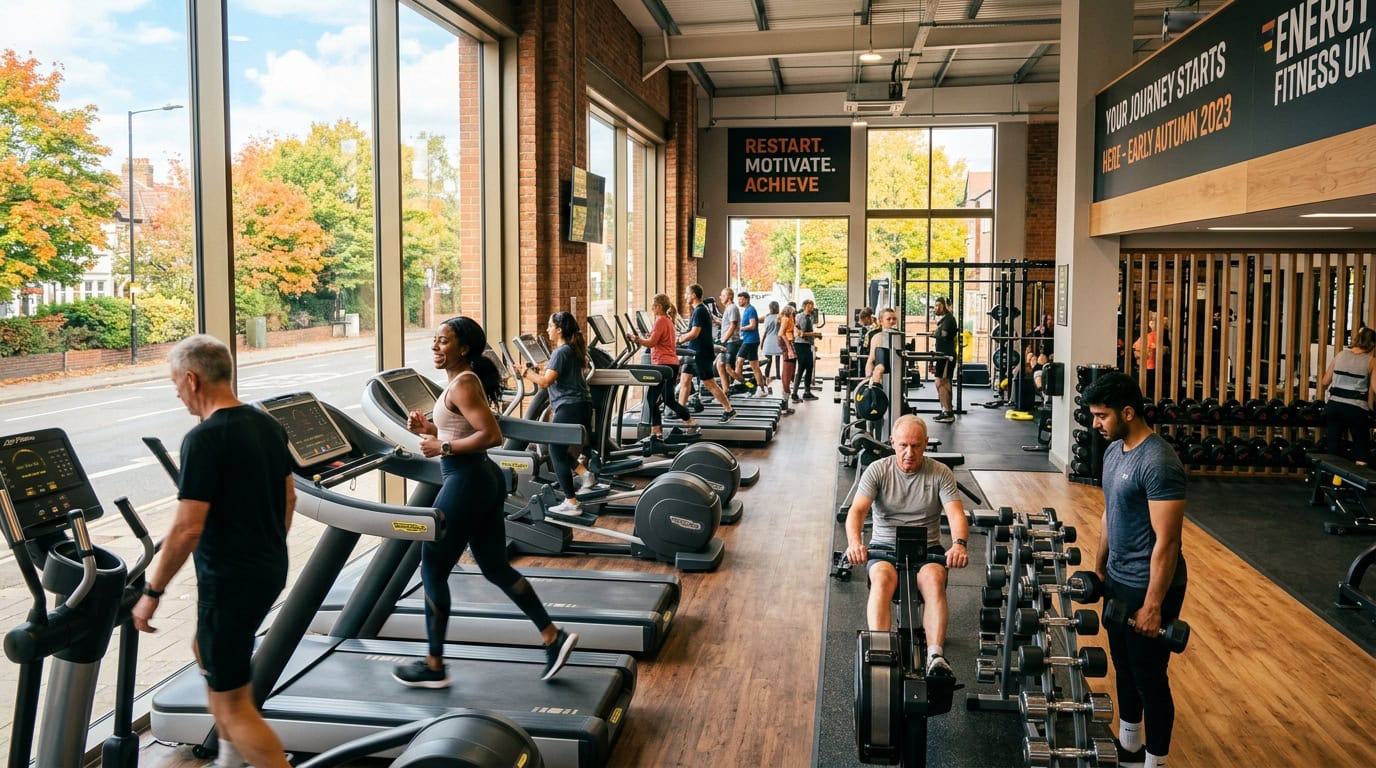
    You’ve booked your first gym session, sorted your membership, and now you’re staring into your wardrobe wondering if your old school PE kit still counts. It doesn’t. Turning up in the wrong gear is one of the fastest ways to feel out of place on your first visit — and one of the easiest things to fix before you even walk through the door.

    The good news is that gym kit doesn’t need to be expensive or complicated. You need a handful of items that do their job well, fit properly, and won’t leave you self-conscious mid-set. This guide breaks down exactly what to wear, what to pack, and what you can safely skip when you’re just starting out at a UK gym.

    Whether you’ve joined a budget chain, a boutique studio, or your local council leisure centre, the basics below will see you right for almost any type of session. None of it requires guesswork or a big spend up front — just a bit of planning before your first visit so you can walk in focused on the workout rather than worrying about what you’ve got on.

    Tops: Breathable Over Baggy

    A cotton t-shirt feels like the obvious choice, but cotton soaks up sweat and stays wet, which gets uncomfortable fast once you’re twenty minutes into a session. Look for tops made from polyester, nylon, or blended “technical” fabrics — they’re designed to wick moisture away from your skin and dry much faster between sets.

    Fit matters more than brand. A top that’s too loose can catch on gym equipment (cable machines and pull-up bars are the usual culprits), while something too tight restricts movement during stretches and overhead lifts. A relaxed, fitted t-shirt or vest is the safest starting point. Layering with a lightweight zip-up is handy for cold car parks and warm-up walks to the gym, since most UK gym floors run warm once the heating and body heat from other members kick in.

    Bottoms, Socks and Trainers: Getting the Basics Right

    For weights and general gym floor work, joggers or leggings with a bit of stretch give you full range of motion for squats, lunges, and floor exercises. Shorts work just as well and tend to be cooler if you run hot during cardio. The main thing to avoid is anything with loose drawstrings that could get caught in machines, or jeans-style denim that restricts your hips and knees. If your gym runs group classes, check whether the studio has specific requirements — some Pilates and yoga studios ask for fitted (not baggy) bottoms so instructors can check your form and alignment properly.

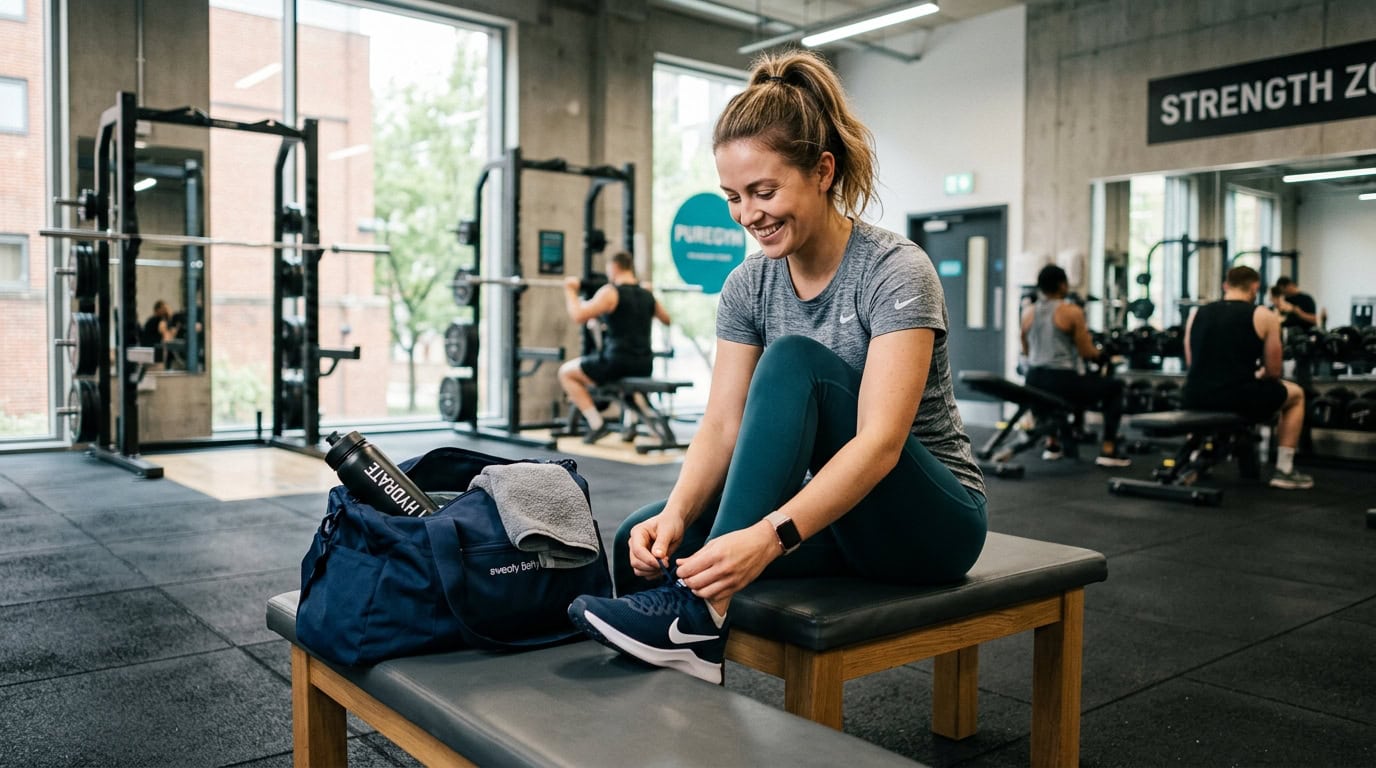
    Trainers are the single most important piece of gym kit, and it’s where beginners most often get it wrong. Running shoes have soft, cushioned soles built for forward motion — they’re not ideal for lifting weights, where you want a flatter, more stable base under your feet. Fashion trainers, meanwhile, often lack the grip and support needed for lateral movements in classes. For general gym use covering weights, cardio machines, and classes, a cross-training shoe is the best all-rounder. You don’t need to spend a fortune; a well-reviewed pair from a sports retailer in the £40-£70 range will comfortably last a year or more of regular use. Getting this right early also matters for injury prevention — the NHS’s guidance on gym safety flags appropriate footwear as one of the simplest ways to avoid strains and slips on gym floors.

    Don’t overlook socks. Thin cotton socks bunch up inside trainers and cause blisters within a single session, especially once your feet start sweating on cardio machines. Sports socks made from a cotton-polyester blend, ideally with some cushioning at the heel and ball of the foot, are worth the extra couple of pounds. If you’re planning to use a leisure centre gym that’s attached to a swimming pool, pack a separate pair of flip-flops for the changing room floor and showers — most UK leisure centres strongly recommend this for hygiene reasons.

    Budget Breakdown: What a Starter Kit Actually Costs

    One of the biggest myths about gym kit is that you need to spend big to get started. Here’s a realistic breakdown for outfitting yourself from scratch at a UK sports retailer:

    • Two technical t-shirts or vests — £10-£20 each
    • One pair of leggings or joggers, plus a pair of shorts — £15-£25 each
    • Cross-training trainers — £40-£70
    • Sports socks (multipack) — £8-£12 for five pairs
    • Gym bag — £15-£25, or use something you already own
    • Water bottle and padlock — £5-£10 combined

    All told, you’re looking at roughly £110-£180 for a complete starter kit, and that’s before any sales or own-brand ranges, which can bring it down further. Compare that to a typical monthly membership and it’s a small one-off cost relative to what you’ll spend on the gym itself over a year. Own-brand ranges from the major UK sports retailers are perfectly good quality for beginners — you don’t need premium branded kit to get a proper workout in.

    Matching Kit to the Type of Session

    Not every visit calls for the same outfit. If you’re spending most of your time on cardio machines, breathable, lightweight kit and trainers with good cushioning will keep you comfortable over longer sessions. Strength training on the weights floor benefits from flatter-soled trainers and slightly looser bottoms that won’t restrict your hips during squats and deadlifts. Group classes vary the most — HIIT and circuit classes need kit that copes with fast direction changes, while studio-based classes like Pilates or barre often work best in fitted layers so instructors can see your form. If you’re not sure what a class involves before you book, a quick call to the gym or a look at the class description on their booking system will usually tell you.

    What Goes in Your Gym Bag (and What You Can Skip)

    Beyond what you’re wearing, a few extras make your first few sessions run smoother:

    • A water bottle — most UK gyms have refill stations, so you don’t need to buy drinks on site.
    • A small towel — many gyms require one for hygiene reasons, especially on shared benches and mats.
    • A padlock — if your gym uses coin-free lockers, you’ll usually need your own lock.
    • Deodorant and a spare top — useful if you’re heading straight from the gym to work or elsewhere.
    • Headphones — not essential, but they help if you’re feeling a bit self-conscious and want to focus inward rather than on who’s watching. Plenty of people walking in for the first time feel that way, and it fades fast once you’ve settled into a routine — our guide to beating gymtimidation has more on that if nerves are holding you back from booking your first visit.

    It’s just as useful to know what you can leave off the shopping list. Lifting gloves, wrist wraps, resistance bands, and gym-specific supplements can all wait — most gyms provide the equipment you need to get started, and specialist kit is far easier to choose once you know which exercises you actually enjoy. The same goes for a top-of-the-range gym bag or a smartwatch; a rucksack you already own will do the job just fine for the first month. Technical fabrics do need slightly different laundry care to hold up, though: wash on cold or lukewarm, skip the fabric softener (it clogs the fibres that wick moisture away), and air dry where possible rather than tumble drying, which breaks down the elastane in leggings over time.

    If you’re still weighing up which gym to join in the first place, it’s worth sorting that before you start buying kit around a specific type of workout. Our checklist for choosing a gym in the UK covers what to check on a tour, from equipment condition to class timetables, so you don’t end up with kit suited to a gym that isn’t right for you.

    Settling In Once You’re Kitted Out

    Once you’ve got the basics sorted, the rest comes down to confidence rather than kit. New members often worry about looking out of place, but most regulars are far too focused on their own session to notice what anyone else is wearing. Knowing a few of the unwritten rules helps too — our guide to UK gym etiquette covers things like re-racking weights and wiping down machines, which are the small habits that help you blend in from day one.

    Give yourself a couple of sessions to work out what actually suits your body and your workout style before buying anything else. Kit preferences are personal, and what works for the person on the next treadmill might not work for you.

    Final Thoughts

    Getting dressed for the gym isn’t complicated once you strip it back to the basics: breathable layers, bottoms that let you move, and trainers built for the gym floor rather than the pavement. Everything else is optional extras you can add as you go.

    If you haven’t found your gym yet, search GymPal to compare facilities, opening hours, and membership prices near you, so you can walk in on day one already feeling like you belong.
  • How to Choose a Gym in the UK: The Full Checklist

    How to Choose a Gym in the UK: The Full Checklist

    Signing up for a gym membership feels like a simple decision until you’re three months into a contract with a gym that’s always packed at the one time you can actually train, or a 40-minute drive from home on the days you’re too tired to bother. Choosing the wrong gym is one of the quickest ways to kill a fitness habit before it’s even started.

    The good news is that picking the right one isn’t complicated once you know what actually matters. It’s rarely about finding the flashiest facility or the cheapest monthly rate — it’s about matching a gym to how, when and why you actually train. This checklist walks through everything worth checking before you hand over your card details, from the practical stuff like opening hours to the easy-to-miss details buried in the contract.

    Whether you’re a total beginner joining your first gym or switching after a bad experience elsewhere, working through this list properly will save you money, hassle, and a cancelled direct debit down the line.

    Location and Opening Hours Matter More Than You Think

    The single biggest predictor of whether you’ll actually use a gym membership is how much friction stands between you and the front door. Research on exercise adherence consistently shows that convenience beats almost every other factor — a slightly worse gym five minutes away will get used far more than a brilliant one that’s a 25-minute commute in the wrong direction.

    Think honestly about your real routine, not your aspirational one. If you’re a before-work trainer, check the gym actually opens early enough — some independent studios don’t unlock the doors until 7am, which is useless if you need to be showered and at your desk by 8.30. If you train after work, check evening closing times too, especially on Fridays when hours often get cut short. And if shift work or unpredictable hours are part of your life, a 24-hour gym or one with staffed late access is worth prioritising over one with a nicer studio but a 9pm curfew.

    Read the Contract Before You Sign

    This is the step most people skip, and it’s the one that causes the most regret. UK gym contracts vary wildly — some are rolling monthly agreements you can walk away from with 30 days’ notice, others lock you in for 12 months with early-exit fees that can run into hundreds of pounds.

    Before signing anything, find out the minimum contract length, the notice period required to cancel, whether fees increase partway through the term, and what happens if you need to pause membership for injury, pregnancy or moving away. If you’ve been burned by a gym contract before, it’s worth reading through how to cancel a gym membership in the UK first, so you know exactly what red flags to look for in the small print this time round.

    It’s also worth knowing your rights as a consumer. Under UK consumer protection rules, contract terms have to be fair and clearly explained — if a gym is vague or evasive when you ask about cancellation terms, that’s a warning sign in itself, not just an inconvenience.

    Check the Kit, Classes and Capacity

    A gym can look impressive in photos and still be a nightmare to actually train in if it’s overcrowded during the hours you need it. Visit at the time of day you’d realistically go — not on a quiet Tuesday afternoon when a sales rep books your tour for 11am on purpose.

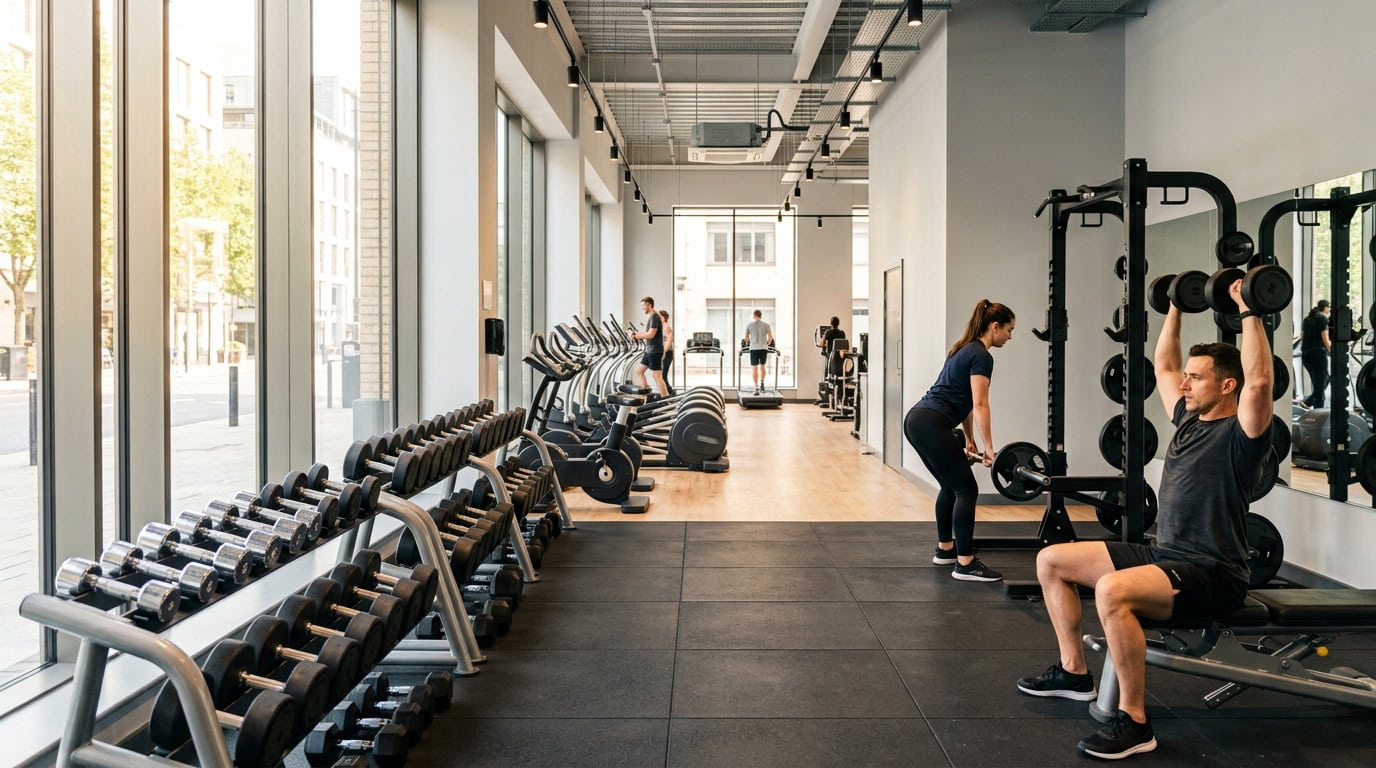
    Walk the floor and check whether there’s more than one or two of the equipment you’ll use most (squat racks and benches are the classic bottleneck), whether the cardio machines are well maintained rather than half out of order, and whether the class timetable actually fits your schedule rather than just looking full on paper. If group classes are a big part of why you’re joining, ask whether you need to book ahead and how far in advance spots fill up — some popular HIIT and spin classes in busier UK cities sell out days in advance.

    This isn’t just anecdotal. Gym-based training — classes, weight sessions and general fitness work — has been one of the fastest-growing forms of exercise in the UK in recent years, according to Sport England’s Active Lives survey. That rising demand is exactly why capacity checks matter more now than they did a few years ago — a gym that had plenty of free equipment in 2023 might be considerably busier today.

    Check Hygiene, Safety and Staffing

    It’s easy to overlook this until it’s a problem, but cleanliness and staffing standards vary more between UK gyms than most people expect. On your visit, check whether wipes and sanitiser stations are actually stocked and used, whether the changing rooms and showers look properly maintained rather than just mopped for the tour, and whether the free weights area gets tidied regularly or turns into a pile of loose plates by mid-afternoon.

    Staffing matters just as much as equipment. Ask whether there’s always a trained member of staff on the gym floor during opening hours, not just at the front desk, and whether new members get any kind of induction covering how to use the kit safely. This matters even more if you’re carrying an injury or returning to exercise after a break — a gym with genuinely qualified, visible staff will spot bad form before it becomes a pulled muscle, while an unstaffed budget gym leaves you entirely on your own. Neither approach is automatically wrong, but you should know which one you’re signing up for.

    Trial Before You Commit

    Almost every UK gym offers some kind of free day pass or trial period, and it’s worth using it properly rather than just wandering round for ten minutes. Do an actual workout, use the changing rooms, try to find a spare bit of kit during a busy slot, and pay attention to the atmosphere — is it welcoming, or does it feel like a space built for people who already know exactly what they’re doing?

    If you’re new to gyms altogether, that first visit can feel intimidating, and that’s completely normal. Knowing a bit about gym etiquette in the UK before you walk in — things like re-racking weights and not hogging equipment between sets — takes a surprising amount of the anxiety out of a trial visit, because you’ll spend less energy worrying about doing the wrong thing and more time actually judging whether the gym suits you.

    Understand What You’re Actually Paying For

    Gym pricing in the UK spans a huge range, from budget chains charging under £20 a month to premium clubs well over £100, and the cheapest option on paper isn’t always the best value once you factor in what’s included. Some memberships cover every class and facility; others charge extra for classes, towels, parking or even locker use.

    Before comparing prices between gyms, it helps to know roughly what you should expect to pay for the tier of gym you’re looking at — UK gym membership prices vary a lot by region and gym type, so a price that looks steep in a small town might be entirely normal in central London. Work out what you’ll actually use — if you’ll never touch the spa or the classes, don’t pay a premium for them.

    It’s also worth factoring in joining fees, which some gyms waive during promotional periods, and whether there’s a cheaper off-peak membership if you can train outside the 5–8pm rush. Demand, and sometimes pricing, at popular gyms can shift with the seasons too, particularly around January and September when sign-ups spike.

    Compare Your Options Properly Before You Decide

    Most people end up joining whichever gym happens to be nearest or whichever one a friend recommends, without ever actually comparing what else is available nearby. That’s understandable — trawling through individual gym websites, calling round for prices and trying to work out which ones actually have availability for the classes you want is tedious and time-consuming.

    This is exactly the kind of decision GymPal is built for. Instead of guessing, you can search for gyms near you, filter by facilities, class types and price range, and see real listings side by side rather than relying on whichever gym has the biggest marketing budget. If you already know roughly what you’re after — a 24-hour gym, a strong free weights area, a specific class — searching on GymPal is a much faster way to shortlist genuine options than working through search results one gym website at a time.

    Trust Your Gut on Trial Day

    After you’ve ticked off contracts, pricing, equipment and hours, there’s one last check that’s harder to quantify but just as important: how does the place actually feel? Staff who greet you rather than ignore you, members who look like they’re genuinely enjoying themselves rather than just enduring it, and a general sense of being looked after rather than upsold — these things are hard to fake on a single visit, and they’re usually the difference between a membership you stick with and one you cancel by March.

    Choosing a gym properly takes an extra hour or two upfront, but it’s an hour or two that can save you months of an unused direct debit and a habit that never quite gets going. Work through the checklist, trust what you see on trial day, and you’ll end up somewhere you’re actually excited to train — which, at the end of the day, is the whole point.

  • Creatine for Beginners: The UK Gym-Goer’s Guide

    Creatine for Beginners: The UK Gym-Goer’s Guide

    Walk past the supplements shelf in any Boots, Holland & Barrett or independent gym shop and you’ll see it: creatine monohydrate, usually in a plain white tub, usually one of the cheapest things on the shelf. It’s also, according to decades of research, one of the only supplements that reliably does what it says on the label. And yet plenty of UK gym-goers still steer clear of it, put off by old myths about kidney damage, bloating, or the vague sense that it’s “for bodybuilders.”

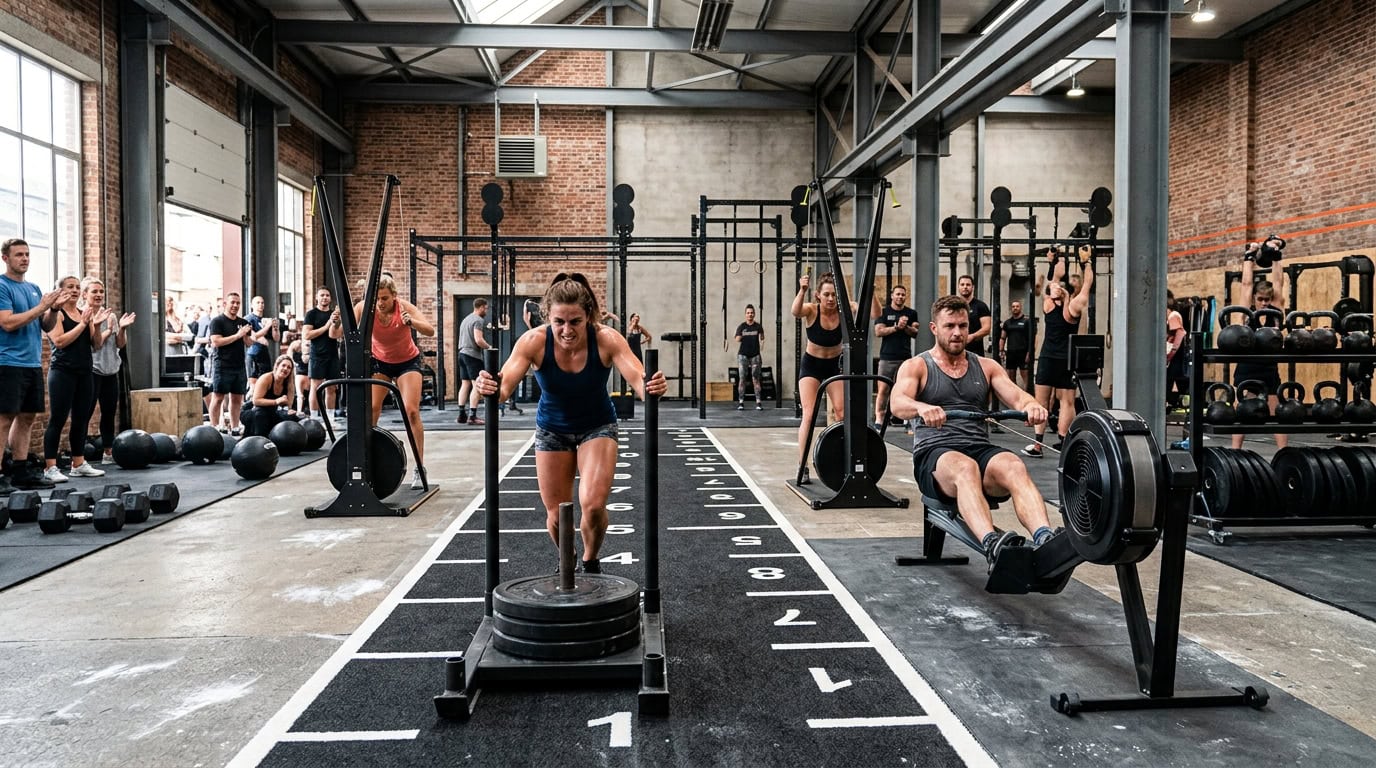
    That’s a shame, because creatine is one of the simplest, cheapest and best-studied ways to get more out of your training, whether you’re lifting weights three times a week, doing HYROX training, or just trying to hold onto muscle as you get older. It’s not magic, and it won’t fix a poor diet or inconsistent training, but used properly it gives you a genuine, measurable edge.

    This guide covers what creatine actually does, how much to take, which product to buy, and the myths worth ignoring — all with UK prices, UK products, and no nonsense.

    What Creatine Actually Does

    Creatine is a compound your body already makes, mostly stored in your muscles, where it helps regenerate ATP — the energy your muscles burn through fastest during short, intense efforts like a heavy squat, a sprint finish, or the last few reps of a set. Your body produces some naturally (around 1g a day) and you get a bit more from red meat and fish, but most people’s muscle stores sit well below saturation.

    Supplementing with creatine tops up those stores, meaning you can produce energy for high-intensity efforts slightly faster and for slightly longer. In practice, that usually shows up as being able to squeeze out one or two extra reps, recover a little quicker between sets, and — over weeks and months — build strength and muscle faster than training alone.

    It’s worth being clear about what it isn’t. Creatine isn’t a stimulant, it won’t help your 5k time much, and it isn’t a fat burner. It’s a strength and power tool, first and foremost.

    Vegetarians and vegans tend to see the biggest jump in benefit, simply because their baseline muscle creatine stores are usually lower — most dietary creatine comes from meat and fish, so anyone who’s cut those out has more “headroom” to fill. The supplement itself is lab-made rather than animal-derived, so it’s suitable regardless of diet.

    Who Actually Benefits Most?

    Creatine’s biggest wins are for anyone doing repeated short, intense efforts: weightlifting, sprinting, HYROX-style hybrid events, rugby, football, or CrossFit-style circuits. If your training involves heavy sets of 1-12 reps, sprint intervals, or explosive movements, you’re squarely in the group most likely to notice a difference.

    It’s also one of the better-studied supplements for older adults. Combined with resistance training, creatine has been shown to help preserve muscle mass and strength as part of healthy ageing — useful to know if you’re training to stay strong and independent rather than chasing a personal best. Endurance athletes running long, steady-state sessions will notice far less benefit, since that kind of effort relies on a different energy system entirely.

    Does It Actually Work? What the Research Says

    Creatine monohydrate is, by a wide margin, the most heavily researched sports supplement in existence, with hundreds of controlled trials behind it. The International Society of Sports Nutrition’s position stand on creatine supplementation concludes it’s not only effective for increasing high-intensity exercise capacity and lean body mass, but also one of the safest supplements currently available, including for long-term use in healthy people.

    That’s a stronger evidence base than almost anything else sold as a “fitness supplement” — most fat burners, BCAAs and pre-workout blends don’t come close. If you’re going to spend money on one supplement this year, the research says creatine is the one that’s actually worth it.

    How Much Should You Take?

    You’ve got two options, and neither is complicated.

    Straight to maintenance: Take 3-5g of creatine monohydrate every day, with no loading phase. Your muscle stores build up gradually over three to four weeks until they’re saturated. This is the approach most people should use — it’s simpler, gentler on the stomach, and gets you to the same place.

    Loading phase: Take 20g a day (split into 4 doses of 5g) for five to seven days, then drop to a 3-5g daily maintenance dose. This saturates your muscles faster — useful if you’ve got an event or a training block starting in a couple of weeks — but it’s more likely to cause mild bloating in the loading week.

    Timing matters less than people think. Taking it before or after training, with a meal, or on rest days all work — consistency is what matters, not the exact hour on the clock. There’s no need to cycle off it either; the “you need breaks or your body stops producing its own” idea isn’t supported by the evidence.

    Which Product to Actually Buy in the UK

    Stick to plain creatine monohydrate — ideally Creapure-certified, which is a German-manufactured, independently tested form that guarantees purity. You do not need “advanced” formulas like creatine HCL, buffered creatine (Kre-Alkalyn), or creatine ethyl ester — none of them have been shown to outperform monohydrate despite costing two or three times as much.

    On UK prices, a 250g tub of plain creatine monohydrate (enough for roughly 80-100 days at a 3g dose) typically costs £8-£15 from retailers like MyProtein, Bulk, or Holland & Barrett. That works out to roughly 10-15p a day — genuinely one of the cheapest things you can do for your training. Avoid flavoured or “pre-mixed” creatine drinks and pricier proprietary blends; you’re paying extra for marketing, not results.

    It mixes into water, juice or a protein shake without much fuss — it doesn’t dissolve perfectly, so a bit of settling at the bottom of the glass is normal, not a sign anything’s wrong.

    A Few Quick Questions People Always Ask

    Do I need to cycle off it? No — there’s no evidence that continuous, long-term use causes your body to stop producing its own creatine or reduces the supplement’s effectiveness over time.

    Can I take it with a pre-workout or caffeine? Yes, there’s no meaningful interaction. Some older studies suggested caffeine might blunt creatine’s effects slightly, but more recent, better-designed research hasn’t backed that up.

    Does it cause hair loss? This one traces back to a single small study that found a rise in a hormone loosely linked to hair loss, with no study since actually confirming creatine causes hair loss in practice. If you’re already prone to male pattern baldness it’s a reasonable thing to keep an eye on, but it’s far from settled science.

    Will it make me bulky if I don’t want that? No — creatine on its own doesn’t build noticeable muscle. Any size change comes from the training you do alongside it, and strength training tends to build visible muscle far more slowly than people expect.

    Common Myths, Sorted From Real Concerns

    The kidney damage myth is the big one, and it’s largely traced back to studies involving people who already had pre-existing kidney disease, not healthy adults. For people with normal kidney function, long-term creatine use at standard doses hasn’t been shown to cause harm. If you do have a diagnosed kidney condition, or you’re on medication that affects kidney function, it’s worth a quick chat with your GP before starting, same as with any supplement.

    Water retention is real but misunderstood — creatine draws water into your muscle cells (not under your skin), which can add a small amount to the number on the scale but isn’t the “puffy” bloating people imagine. Digestive discomfort is the most common actual side effect, usually from taking too much in one go during a loading phase; splitting doses or skipping loading altogether sorts it out for most people.

    If you’re also weighing up other supplements, it’s worth knowing which supplements are actually worth your money as a beginner — creatine and a decent protein intake will get you further than most of what’s on that shelf.

    Get the Bigger Lever Right First

    Creatine works best as a small edge on top of solid fundamentals, not a substitute for them. If your training is inconsistent or your diet’s a mess, no supplement is going to compensate for that. It’s worth checking you’re already covering the basics: eating enough protein across the day is the bigger lever for most beginners, and if you’re unsure where you stand, it’s worth working out how much protein you actually need before you start layering supplements on top.

    Don’t Skip Recovery

    Recovery matters just as much. Creatine helps you train harder and recover slightly faster between sets, but it doesn’t replace sleep or rest days — getting those right is what actually lets the extra training capacity translate into real strength gains, and it’s worth reading up on rest and recovery for UK gym-goers if that side of your routine needs work.

    Who Should Be Cautious

    Creatine is well-tolerated by most healthy adults, but a few groups should think twice or check with a doctor first: anyone with existing kidney or liver conditions, pregnant or breastfeeding women (simply due to a lack of research in this group, not evidence of harm), and under-18s, where research is more limited. If you’re on any regular medication and unsure, a quick word with a pharmacist or GP costs nothing and settles any doubt.

    The Bottom Line

    Creatine monohydrate is cheap, well-researched, and does what it claims for most people who lift weights, do HIIT, or train for strength and power. Start with 3-5g a day, stick to plain Creapure monohydrate, don’t overthink the timing, and give it a month before judging results. It’s one of the few supplement aisles where the science backs up the hype.

    Of course, no supplement makes up for training in the wrong environment — if your current gym doesn’t have the free weights, coaching or atmosphere to back up your new routine, it might be worth a change. You can search hundreds of UK gyms, from budget chains to independent strength-focused studios, on GymPal to find one that actually fits how you train.

  • Outdoor Bootcamps UK: What to Expect and What They Cost

    Outdoor Bootcamps UK: What to Expect and What They Cost

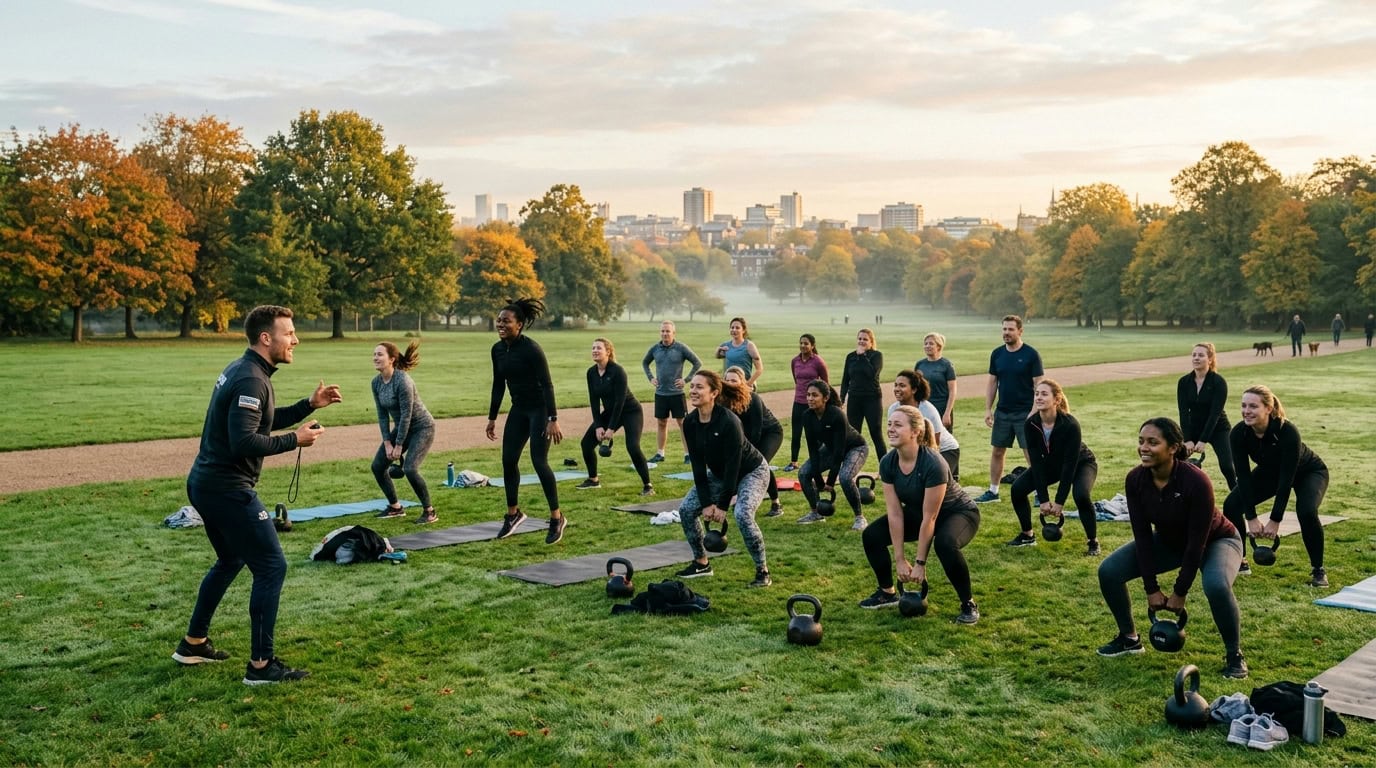
    If your idea of exercise doesn’t involve a squat rack, a bootcamp might be exactly what you’re after. Outdoor fitness bootcamps have quietly become one of the fastest-growing ways Brits are getting fit, blending military-inspired drills, circuit training and a healthy dose of mud with the kind of group energy a solo treadmill session just can’t match. You’ll find sessions running in parks from Bristol to Bradford, usually before work, at lunchtime, or on weekend mornings when everyone else is still in bed.

    But bootcamps aren’t for everyone, and they’re not all run the same way. Some are polished, well-insured operations with qualified instructors and progressive programming. Others are a bloke with a whistle and a bag of cones. Before you hand over your card details for a block booking, it’s worth knowing what you’re actually signing up for.

    This guide covers what a typical session looks like, who actually runs them, what it costs across the UK, what to bring, and how to spot a bootcamp that’s actually worth your time and money.

    What Actually Happens at a Bootcamp Session

    A standard UK bootcamp runs 45 to 60 minutes and follows a circuit format: a warm-up, several rounds of exercises performed in stations or intervals, and a cool-down. Expect a mix of bodyweight moves (press-ups, burpees, lunges), kettlebells or sandbags, sprint intervals, and partner drills like resistance-band rows or tyre flips if the venue has the kit. Good instructors scale everything up or down depending on who’s turned up that day, so a total beginner and a half-marathon runner can train side by side without either of them being short-changed.

    A typical circuit might rotate through six or eight stations: box jumps or step-ups, battle rope waves, sandbag carries, resistance-band rows, sprint shuttles between cones, and a core finisher like plank holds or mountain climbers. Instructors usually run 30-to-45-second work intervals with short rests, so the whole session feels less like “exercise” and more like it’s over before you’ve had time to dread it. Some operators build in a running warm-up loop around the park first, both to raise the heart rate and to make use of the space before the equipment-based stations start.

    Who Actually Runs Bootcamps in the UK

    The bootcamp scene in the UK ranges from national franchises to independent local operators. British Military Fitness (BMF) is probably the best-known name, running instructor-led outdoor sessions in parks across London, Manchester, Birmingham and beyond, with a format built around military-style circuit drills. Alongside the big franchises, most towns have at least one independent PT or small team running park-based bootcamps, often advertised through local Facebook groups or word of mouth rather than glossy marketing. Some gyms and studios also run “bootcamp” as an indoor class format using the same interval-and-circuit structure without the mud, which is worth knowing if you like the training style but not the British weather.

    Independent operators are often cheaper and more flexible than franchises, but the quality varies far more — which is exactly why checking qualifications and insurance (covered further down) matters more here than it would when signing up to a well-established chain.

    Most sessions are held outdoors year-round, rain or shine, which is part of the appeal but also the catch — you will get wet, muddy and cold at some point between October and March. Some operators move indoors to a sports hall or gym studio during the worst of winter, so it’s worth asking about their wet-weather policy before you commit to a multi-week pass.

    How Much Do UK Bootcamps Cost

    Pricing varies more than you’d expect for what’s essentially a park and some cones. As a rough guide across the UK in 2026:

    • Pay-as-you-go drop-in: £8–£15 per session
    • Weekly membership (2–3 sessions a week): £30–£55 per month
    • Unlimited monthly membership: £60–£100 per month
    • Block bookings (6–12 weeks, common for “transformation” style camps): £120–£300 upfront

    London and the South East sit at the top end of that range, while sessions in smaller towns and cities across the North and Midlands tend to land closer to £8–£12 a session. Many operators also offer a free trial session, which is worth taking up before you commit to anything longer than a single class — it’s the fastest way to judge coaching quality and group size.

    Bootcamp vs Gym: Which Suits You Better

    Bootcamps and traditional gyms solve different problems, and plenty of people end up doing both. A gym gives you control — train at 6am or 9pm, follow your own programme, and skip the small talk. A bootcamp gives you structure, accountability and a coach shouting your name when you want to stop three burpees early, which for a lot of people is the difference between a habit that sticks and a gym membership that quietly lapses in February.

    If you’re drawn to the high-intensity, no-equipment-needed style of training but want the option of doing it indoors when the weather turns, it’s worth comparing bootcamps against HIIT classes, which run on a similar interval-based format but happen in a studio with more consistent programming week to week.

    What to Wear and Bring

    Because most bootcamps happen outdoors regardless of season, kit matters more here than at your average gym class. A few essentials:

    • Trail or off-road trainers with decent grip — road running shoes slip on wet grass and mud
    • Layers you can strip off once you’ve warmed up, rather than one thick coat
    • A waterproof outer layer for autumn and winter sessions — this isn’t optional if you’re training through a British winter
    • A towel and a change of clothes for the drive or walk home, especially if there’s no changing facility on site
    • A reusable water bottle — most parks don’t have taps nearby

    Gloves are worth packing between November and February too, particularly if kettlebells or battle ropes are part of the programme — cold hands and heavy grip work don’t mix well.

    Injury Prevention and Staying Safe Outdoors

    Bootcamp injuries usually come from two things: uneven ground and going too hard, too soon. Grass hides tree roots, rabbit holes and uneven camber that a treadmill never will, so a proper ankle warm-up and a scan of the terrain before any sprint drill is worth the extra thirty seconds. Beginners are also the most likely group to push through fatigue in a group setting purely because everyone else seems to be coping fine — a good instructor will actively check in on new faces rather than assuming silence means everything’s fine.

    If you’re returning from a long break or managing an existing niggle, it’s worth having a quiet word with the instructor before the session starts rather than during the middle of a circuit. Most reputable operators will happily scale exercises down or suggest a lower-impact alternative on the spot — box step-ups instead of jump squats, or a plank hold instead of full burpees, for example.

    Finding a Reputable, Well-Run Bootcamp

    Not every bootcamp is run to the same standard, so a bit of due diligence before you pay for a block booking saves both money and injuries. Check that instructors hold a recognised qualification (Level 2 or 3 Gym Instructor/Personal Trainer as a minimum) and that the operator carries public liability insurance — any legitimate business will confirm this without hesitation if you ask. It’s also worth watching a session from the sidelines first: a well-run camp keeps group sizes manageable enough that the coach can actually see and correct everyone’s form, rather than just shouting motivational phrases from the front.

    If bodyweight training is what draws you to bootcamps in the first place, it’s worth reading up on calisthenics training as well, since many of the same movement patterns — press-ups, pull-ups, squats — form the backbone of most bootcamp programming, just with a coach and a group around you instead of a solo session in the park. GymPal’s directory is a straightforward way to compare bootcamps, ratings and prices in your area at askgympal.co.uk before you commit to anything.

    Bootcamp Fitness Tests and Challenges

    Plenty of bootcamp operators build towards a periodic fitness test or timed challenge — think a set circuit against the clock, repeated every 6 to 8 weeks so members can track progress. It’s a genuinely useful way to see improvement that the mirror doesn’t always show. If you enjoy that competitive, benchmark-driven side of training, it’s worth also looking at HYROX, the UK’s fastest-growing fitness race, which has become a natural next step for a lot of bootcamp regulars who want a bigger event to train towards.

    According to the NHS’s physical activity guidelines for adults, most people should aim for at least 150 minutes of moderate activity or 75 minutes of vigorous activity a week, plus strength work on two or more days — a twice-weekly bootcamp habit gets you a long way towards both targets in one go.

    Is a Bootcamp Right for You?

    Bootcamps work best for people who thrive on group energy, need a coach to push them past the point they’d normally stop, and don’t mind training outdoors in all weathers. If you’d rather train at your own pace, indoors, on your own schedule, a standard gym membership is probably the better fit — though there’s nothing stopping you from doing both.

    Either way, the best way to find out is to turn up to a free trial session near you. Search GymPal to compare bootcamps, gyms and fitness classes in your area, check real reviews, and book a taster before you commit to a membership.

  • How Much Protein Do You Really Need? UK Guide

    How Much Protein Do You Really Need? UK Guide

    Ask five people at your gym how much protein they eat and you’ll get five different answers, most of them wrong. Some are convinced they need a shake within nine minutes of finishing their last set or the workout “doesn’t count.” Others are quietly getting nowhere near enough, living on toast and hoping their muscles fill in the gaps.

    The truth sits in a much less dramatic place than the supplement aisle would have you believe. Your protein needs depend on your bodyweight, how much you train, and what you’re training for — not on whatever a tub of powder promises on the label.

    Here’s a proper, UK-specific breakdown of how much protein you actually need, when to eat it, and how to hit your numbers without spending a fortune at the supplement shop.

    How much protein do you actually need?

    The UK Government’s official reference intake is 0.75g of protein per kilogram of bodyweight per day for the general adult population — roughly 56g for the average man and 45g for the average woman. That figure is designed to prevent deficiency in a sedentary person, not to support anyone who’s regularly lifting weights, running, or turning up to a HIIT class three times a week.

    If you train regularly, the research consensus is considerably higher: somewhere between 1.4g and 2.0g per kilogram of bodyweight daily. For a 75kg gym-goer training four or five times a week, that’s roughly 105g to 150g of protein a day, spread across meals rather than crammed into one sitting.

    A few practical benchmarks:

    • General fitness / 2-3 sessions a week: around 1.2-1.4g per kg
    • Building muscle / regular strength training: around 1.6-2.0g per kg
    • Cutting calories while trying to keep muscle: aim for the higher end, 1.8-2.2g per kg, since protein helps protect lean mass during a deficit

    You don’t need to weigh every meal to get in the right zone. A rough mental model works fine: a palm-sized portion of protein-dense food at each main meal, plus a snack or two, usually gets an active adult into their target range without any spreadsheet involved.

    It’s also worth remembering that these numbers are a target to aim towards, not a strict daily quota you need to hit to the gram. If you land within 10-15g either side of your target most days, you’re doing everything that matters. The gym-goers who get frustrated and give up on tracking altogether are usually the ones who treated an estimate as an exact science in the first place.

    Does protein timing actually matter?

    The “anabolic window” myth — the idea that you must eat protein within 30 minutes of finishing a workout or you lose all the benefit — has been thoroughly debunked. What actually matters is your total protein intake across the day and how evenly it’s spread.

    Eating 20-40g of protein every three to four hours does more for muscle building than one enormous 100g feed in the evening, simply because your body can only use so much at once for muscle repair. If you’re keen to get the timing details right around a session, the guidance in what to eat after a workout covers the practical side of pre- and post-session meals in more depth.

    For most people training after work or first thing in the morning, the simplest approach is to have a protein-containing meal or snack within a couple of hours either side of training, then carry on eating normally for the rest of the day. That’s it. No stopwatch required.

    The best UK protein sources (and what they cost)

    Whole foods should do most of the heavy lifting, both nutritionally and for your wallet. Supplements are a convenience, not a requirement.

    • Eggs — around 6g of protein each, roughly 30p a large egg from most UK supermarkets
    • Chicken breast — about 31g per 100g cooked, one of the cheapest protein-per-pound options going
    • Greek yoghurt — typically 10g per 100g, and a genuinely underrated breakfast or snack option
    • Tinned fish — mackerel and tuna both deliver 20g+ per 100g and keep in the cupboard for months
    • Beans, lentils and pulses — cheap, high in fibre, and a solid protein source, particularly useful if you’re cutting back on meat
    • Cottage cheese — roughly 12g per 100g and a good evening option since it’s slow-digesting

    The NHS Eatwell Guide groups beans, pulses, fish, eggs and meat together as a core food group for good reason — the Eatwell Guide recommends varying your sources across the week rather than relying on one type of protein, which also happens to be the cheapest way to eat well since you’re not paying a premium for any single ingredient.

    Whey or plant-based protein powder has its place — it’s convenient, cheap per gram compared with meat, and useful if you genuinely struggle to hit your numbers through food alone. But it’s a top-up, not a foundation. If your diet is 90% shakes and bars, you’re likely missing out on the fibre, micronutrients, and general satisfaction that come from actual meals.

    Matching protein to your training goal

    How much you need shifts depending on what you’re actually trying to achieve at the gym.

    If you’re focused on building strength and size, protein intake matters alongside progressive overload — lifting heavier over time is still what drives the adaptation, protein just supplies the raw material to repair and grow. Anyone working through a structured lifting programme, including the growing number of women taking up barbell training, will find the guidance in strength training for women in the UK a useful companion to getting the nutrition side right.

    If your goal is fat loss, protein becomes even more important, not less. It’s the most satiating macronutrient, meaning it keeps you fuller for longer on fewer calories, and it helps preserve the muscle you’ve already built while you’re in a deficit. Cutting protein to “save calories” is one of the more common mistakes people make when trying to lean out — it usually backfires by leaving you hungrier and losing muscle alongside fat.

    If you’re mainly doing cardio or classes rather than lifting, your needs sit a little lower than a dedicated strength athlete’s, but you’ll still benefit from more than the bare government minimum, particularly for recovery between sessions.

    Age plays a role too. Protein needs don’t drop off as you get older — if anything, the research points the other way. Adults over 40 tend to need slightly more protein relative to bodyweight to maintain the same amount of muscle, since the body becomes a little less efficient at using it for repair. That’s one more reason to treat protein as a habit worth building for the long term rather than something to think about only when you’re chasing a specific goal.

    Common protein mistakes worth avoiding

    A few habits crop up again and again among UK gym-goers trying to get their protein sorted:

    • Overdoing it at the expense of everything else. More protein than your target won’t build muscle any faster once you’re already in range — it just displaces the carbs and fats you need for energy and hormone health.
    • Skipping breakfast protein. Toast and jam leaves you running a deficit before the day’s even started. Eggs, yoghurt, or a shake with porridge closes that gap fast.
    • Relying entirely on bars and shakes. Convenient, but expensive over time and easy to over-rely on at the cost of a more balanced diet.
    • Not accounting for training days versus rest days. Your protein needs don’t drop much on rest days — that’s when a lot of the actual muscle repair happens, so it’s not the day to slack off.

    Recovery deserves more attention than most gym-goers give it, and protein is only one part of that picture alongside sleep and rest days. The broader habits covered in rest and recovery for UK gym-goers pair well with getting your nutrition dialled in, since the two work together rather than in isolation.

    Building a protein routine that actually sticks

    The gym-goers who hit their protein targets consistently aren’t the ones with the most complicated meal plans — they’re the ones who’ve made it boring and repeatable. A go-to breakfast, a couple of lunch options they rotate through, and one reliable evening meal covers most of the week without any decision fatigue.

    Batch-cooking chicken or a big pot of lentils on a Sunday, keeping boiled eggs in the fridge, and having a tub of yoghurt on hand for a quick top-up all go a long way. None of it needs to be exciting to work.

    Where the gym itself can help is bigger than most people realise — a venue with a decent changing room fridge, a café selling proper food rather than just crisps and energy drinks, or classes timed so you can eat properly beforehand all make consistency easier. If you’re weighing up whether your current gym supports your goals or it’s time for a change, you can compare facilities and reviews for gyms near you on GymPal to find somewhere that actually fits how you train and eat.

    The bottom line

    Most active adults in the UK should be aiming for somewhere between 1.4g and 2.0g of protein per kilogram of bodyweight a day, spread across three or four meals rather than loaded into one. Whole foods should do most of the work, timing matters far less than total daily intake, and your needs don’t disappear on rest days.

    Get the basics right consistently and the rest — whether that’s building muscle, losing fat, or just recovering better between sessions — tends to follow. And if you’re still looking for a gym that makes it easier to train and eat well in the same routine, search GymPal for options near you.

  • Wearable Tech & Member Engagement: UK Gym Owner Guide

    Wearable Tech & Member Engagement: UK Gym Owner Guide

    Walk into most UK gyms in 2026 and you’ll see them everywhere: Apple Watches on the treadmill, Whoop bands under wristwraps, Garmins clocking heart rate zones mid-class. Members are already tracking their own training. The gyms that are winning on retention are the ones using that same data to make the member experience feel personal, rather than leaving it locked inside someone’s phone.

    That matters more than ever. Membership numbers across the UK are climbing, but growth in sign-ups doesn’t automatically mean growth in loyalty. New members who don’t feel seen after week three still cancel in month two, wearable or not.

    This guide is about closing that gap: how to use the fitness data your members are already generating to keep them coming back, without needing an enterprise IT budget or a data science team.

    Why wearable data is now a retention tool, not a gimmick

    Five years ago, wearables were a personal fitness accessory that had nothing to do with the gym floor. That’s changed. In-club heart rate systems like MYZONE, Polar and Wexer are now common in group exercise studios, and most cardio equipment brands (Technogym, Life Fitness, Matrix) sync directly with Apple Health, Garmin Connect and Fitbit. The data trail a member leaves behind — heart rate zones, calories, session frequency, sleep and recovery scores — is a live picture of how engaged they actually are, not just how often they tap in at reception.

    That distinction matters for retention, especially with membership growing across the sector — ukactive’s UK Health and Fitness Market Report 2026 recorded a record 18% of the population now holding a membership, with total club visits up 10% year on year. A member who checks in three times a week but whose wearable shows steadily dropping intensity is coasting, and coasting members churn. Spotting that pattern early, and acting on it with a check-in from a coach or a nudge to try a new class, is a far more effective use of your team’s time than waiting for a cancellation email.

    UK boutique studios were early movers here. Heart rate-based classes built around MYZONE or similar systems display each member’s effort in real time on a screen at the front of the room, turning a solo workout into something social and slightly competitive. Big-box gyms are catching up fast: several major UK chains now offer their own branded apps that pull data from Apple Health and Garmin Connect to show members a weekly summary of their training, rather than leaving that insight buried in a third-party app they never open.

    Turning raw data into personal engagement

    Data on its own doesn’t retain anyone — what you do with it does. The most effective UK operators are using wearable and check-in data to power three things: personalised milestones (celebrating a member’s 50th session or a new personal best), targeted re-engagement (flagging members whose activity has dropped before they lapse), and smarter class recommendations based on what actually gets someone’s heart rate up. None of this requires replacing your existing systems — most gym management platforms now have API connections into the major wearable ecosystems, so the data can flow into the tools your front-of-house team already uses.

    It’s also worth connecting this to your existing member rewards structure rather than building something new from scratch. A well-run gym loyalty programme can absorb wearable milestones easily — points for hitting a weekly activity target, badges for consistency streaks — turning passive data into something members actively chase.

    Group challenges are another low-effort, high-reward way to put wearable data to work. A month-long “most active minutes” leaderboard across a class cohort, or a step-count challenge between branches for a multi-site operator, costs nothing to run but taps into exactly the kind of light competition that keeps people showing up. The trick is keeping challenges short — two to four weeks — so they create a recurring reason to re-engage rather than one long event that fades out by week two.

    You don’t need an enterprise tech stack to start

    The biggest myth holding independent gyms back from using member data is that it requires a huge technology investment. In practice, most of what you need is already sitting inside your existing gym management software. If you’re not sure whether your current setup can handle wearable integrations, activity dashboards or automated re-engagement triggers, it’s worth revisiting how to choose the right gym management software for an independent gym before assuming you need to start from scratch.

    A realistic starting point for most independent operators looks like this:

    • Turn on the wearable and app integrations your existing software already offers, rather than buying a new platform
    • Pick two or three data points to actually act on — session frequency and intensity trend are the most useful for retention
    • Set up one automated trigger, such as a message to members whose visits have dropped for two consecutive weeks
    • Give staff a simple weekly view of “at risk” members rather than raw data dumps nobody has time to read

    Start small and prove the retention impact before investing further. A single well-timed re-engagement message, sent because the data flagged a lapsing member, will do more for your churn rate than a dashboard nobody looks at.

    Using activity data to fix scheduling, not just retention

    Wearable and check-in data doesn’t just tell you which members are at risk — it tells you which classes and time slots are actually working. If heart rate data shows a Tuesday HIIT class is consistently under-intensity compared to the same class on Thursdays, that’s a coaching or programming issue worth investigating, not just a retention one. This is where member data overlaps with the operational side of running a gym: getting your class timetable and instructor utilisation right so the sessions your data shows members respond best to are the ones you’re running at your busiest times.

    Handling privacy and avoiding data overload

    Any use of member health data in the UK needs to be handled properly under UK GDPR. Wearable data — heart rate, sleep, activity levels — counts as health data, which is a special category under data protection law, so members need clear, specific consent before you connect their wearable to your systems or use that data for anything beyond their own dashboard. Be explicit about what you’re collecting, why, and how long you keep it, and make opting out easy and penalty-free. If in doubt, the ICO’s guidance on special category data is the reference point — treat wearable health data with the same care you’d give medical records, not with the same casualness as a booking history.

    The other trap is drowning your team in data they can’t use. Sending front-of-house staff a spreadsheet of raw heart rate readings helps nobody. The gyms getting real value from this are the ones that reduce everything down to a handful of simple flags — engaged, coasting, at risk — that a coach can glance at before a session and act on immediately.

    It’s also worth remembering that not every member wants their gym watching their data closely, even with consent given. Some just want to train and leave. Build engagement features as an opt-in layer on top of the core membership experience, not a requirement for using the gym, and make sure staff know how to switch a member out of data-driven communications if they ask.

    Don’t leave non-wearable members behind

    Not every member owns a smartwatch, and plenty who do won’t want to connect it to a gym app. Older members, in particular, are often just as engaged as anyone else on the floor but show up as invisible in a wearable-first engagement strategy. Keep check-in frequency, class attendance and PT session history as your baseline engagement signals for everyone, and treat wearable data as an enhancement layered on top for the members who opt in — not a replacement for the basics. A two-tier engagement strategy that still works without a device is far more inclusive, and far less likely to alienate the members who’ve been loyal for years.

    Getting started this month

    You don’t need every member wearing a device to make this work. Even a partial rollout — your most engaged 20-30% of members syncing activity data — gives you enough signal to spot disengagement patterns and test what re-engagement actually moves the needle. Start with the integrations already built into your existing software, pick one metric to act on, and build from there.

    A sensible first month looks like this: audit which wearable and app integrations your current software already supports, brief front-of-house and coaching staff on the one or two flags they’ll be watching for, and pick a single small cohort — one class, one department, one branch — to pilot with before rolling out gym-wide. You’ll learn more from getting real feedback on a 20-person pilot than from months of planning a perfect full-scale rollout.

    If you’re still building out your gym’s online presence to bring in the members you’ll eventually be tracking, make sure your listing is up to date so new members can find you in the first place — you can claim your gym’s GymPal listing in a few minutes if you haven’t already.

    Member engagement in 2026 isn’t about who has the flashiest wearable integration — it’s about who actually acts on what the data is telling them. Start small, act on one signal at a time, and the retention gains follow.

  • September Gym Reset UK: How to Restart Your Fitness

    September Gym Reset UK: How to Restart Your Fitness

    January gets all the credit for fresh starts, but ask any UK gym manager and they’ll tell you a quieter truth: September is the real reset button. The kids are back at school, the summer holidays are over, evenings are drawing in, and suddenly there’s a routine-shaped gap in everyone’s week just waiting to be filled.

    If you’ve spent the last few months skipping sessions for barbecues, staycations and long light evenings outdoors, you’re not alone — and you’re not starting from zero either. This is the perfect moment to rebuild the habit properly, without the manic, all-or-nothing energy that usually sinks New Year’s resolutions by February.

    Here’s how to make the most of the September reset, whether you’re getting back into a routine you’ve done before or walking into a gym for the very first time.

    Why September Rivals January for Fresh Starts

    September has structural advantages that January simply doesn’t. The weather is still mild enough for an evening run or an outdoor session if the gym feels daunting on day one. Work and school routines snap back into a predictable shape, which makes it far easier to slot in a consistent gym time. And crucially, you’re not trying to keep a resolution alive through the darkest, coldest, most demotivating stretch of the British calendar — you’re building the habit while the evenings are still relatively light and the nights haven’t drawn in properly yet.

    The data backs this up. Sport England’s Active Lives Adult Survey consistently shows activity levels dip over the summer months as routines loosen, then climb again once autumn term structure returns — a pattern gyms across the country plan their September marketing around for exactly this reason. Membership desks get busier, classes fill up faster, and there’s a genuine buzz of other people starting alongside you, which takes some of the pressure off if you’re nervous about walking in solo.

    There’s also a psychological advantage that doesn’t get talked about enough. January resolutions carry the weight of a whole year’s expectations — “this is the year I finally get fit” — which is exactly the kind of pressure that makes people quit the moment they miss a session. A September reset feels lower-stakes. It’s just “getting back into it,” not a grand life overhaul, and that framing alone makes it easier to keep going when week three inevitably gets busy.

    Shake Off the Summer Layoff Without Overdoing It

    The biggest mistake people make with any reset — September or January — is trying to make up for lost time in the first week. If you’ve had six or eight weeks away from regular training, your body has lost some conditioning, and going straight back to your old weights or your old pace is a fast route to a strain that sets you back even further than the layoff already has.

    Start at roughly 60-70% of what you were doing before the break, and give yourself two to three sessions to feel out where you actually are, not where you remember being. If you were squatting 80kg in June, don’t assume you can still do it in September — check with something lighter first and build back up over a couple of weeks. Sleep, hydration and proper cooldowns matter more in week one than they do once you’re back in the swing of things, and getting into good habits around rest and recovery from the outset will do more for your long-term consistency than any amount of extra intensity early on. Muscles and joints that are allowed to adapt gradually keep you training; muscles that get hammered on day two often keep you on the sofa for a fortnight, which defeats the entire point of the reset.

    This is also a sensible moment to check your kit. Trainers that were fine for a summer of occasional five-a-side games might not have the support you need for three gym sessions a week, and a worn-out pair is one of the more common, entirely preventable causes of shin and knee niggles in the first month back.

    New to the Gym? Here’s How to Walk In With Confidence

    If this September reset is your actual first go at gym membership, rather than a return to an old habit, the nerves are completely normal — and completely manageable. Most of what feels intimidating about a gym floor is unfamiliarity, not difficulty. You don’t know where things are kept, you’re not sure how the machines work, and you’re convinced everyone is watching you, when in reality almost nobody is paying attention to anyone but themselves — everyone’s headphones are in and their focus is on their own session.

    A few practical fixes make a huge difference here. Book an induction if your gym offers one — most UK gyms, from budget chains to independent studios, include this free with membership, and it’s the fastest way to learn where everything is and how the equipment actually works. Go at an off-peak time for your first few visits, typically mid-morning or early afternoon on weekdays, so the floor is quieter and you’ve got space to figure things out without an audience. And if the anxiety is genuinely holding you back from going at all, it’s worth reading up on beating gym intimidation before your first session, because a bit of preparation goes a long way toward making that first walk through the door feel manageable rather than mortifying.

    It’s also worth remembering that staff want you to succeed. A gym that retains members is a gym that stays in business, so most instructors and front-desk staff are genuinely happy to answer a question about how a machine works or where the free weights are kept — asking isn’t an admission of failure, it’s exactly what that induction session exists for.

    Build a Routine That Actually Sticks This Time

    The reason most fitness resets fail isn’t lack of motivation — it’s a plan that was never realistic in the first place. Five sessions a week sounds great on 1 September and falls apart by the 20th once work gets busy again and the diary fills up with everything that got postponed over summer. Two or three sessions you can genuinely commit to, at times that fit your actual week, beat an ambitious schedule you abandon within a month.

    Pick fixed days rather than “whenever I’ve got time” — Tuesday and Thursday evenings plus a Saturday morning, for example — and treat them the same way you’d treat a meeting you can’t move. Blocking the time out in a calendar, rather than leaving it as a vague intention, is a small change that makes a disproportionate difference to whether the habit survives October. If accountability has been your sticking point in previous attempts, working with a personal trainer for even a handful of sessions can help you build a structured programme and correct form early, which makes the whole habit far less likely to fall apart when motivation dips in a few weeks’ time, as it inevitably will for everyone at some point.

    Tracking progress, even loosely, helps too. You don’t need a spreadsheet — a simple note of what you lifted or how far you ran each session is usually enough to show you’re moving forward on the weeks when motivation is low and it doesn’t feel like it.

    Common September Reset Mistakes to Avoid

    A few patterns show up again and again in people whose September motivation fizzles out by Halloween. The first is signing a long contract at the first gym you walk into out of enthusiasm, without checking the class timetable, opening hours or cancellation terms actually suit your life — cancelling a gym membership in the UK isn’t always as simple as people expect, so it’s worth reading the small print before you sign rather than after. The second is copying someone else’s programme wholesale rather than building one that fits your own schedule and starting point. And the third is treating one missed session as a reason to quit entirely, rather than just going again the next scheduled day — consistency over months matters far more than perfection in any single week.

    Weather is a smaller but real factor too. As the evenings shorten through September and October, an outdoor-only routine gets harder to maintain, so building at least some indoor sessions into the mix now — rather than waiting until it’s dark at 5pm and motivation has already dropped — sets you up much better for the winter months ahead.

    Finding the Right Gym for Your September Reset

    None of the above matters much if you’re training somewhere that doesn’t actually suit you — too far from home, too pricey for what you use, or missing the classes and equipment you actually want. This is exactly the kind of decision worth getting right before you sign a 12-month contract, rather than three months into a membership you’re already dreading and trying to find a way out of.

    Budget chains across the UK typically run from around £20 to £30 a month, mid-range gyms with a fuller class timetable sit closer to £35 to £50, and boutique studios in cities like London, Manchester or Bristol can run higher again depending on what’s included. Price alone shouldn’t decide it, though — a cheap gym you never visit because it’s a 25-minute drive away is worse value than a slightly pricier one five minutes from home that you’ll actually use three times a week.

    GymPal lets you search and compare gyms, studios and fitness venues across the UK by location, price and facilities, so you can see what’s actually nearby before committing to anything. Whether you’re after a straightforward budget gym, a boutique studio with a strong class timetable, or somewhere with a pool for your recovery days, it’s worth spending twenty minutes comparing options rather than defaulting to whichever gym happens to have the flashiest September advert.

    Make September the Reset That Actually Lasts

    September has everything January promises and rarely delivers: better weather, a natural routine reset, and the shared momentum of everyone else getting back into gear at the same time. Start a little lighter than you think you need to, be honest about what schedule you can realistically keep, and lean on the resources — whether that’s a trainer, a class timetable, or a bit of research into the right gym for you — that make the habit easier to stick to rather than harder.

    Get the first few weeks right and there’s no reason this reset needs to fade out by half term. Search askgympal.co.uk to find a gym near you and make this the September that actually sticks.

  • Rest and Recovery: The UK Gym-Goer’s Guide

    Rest and Recovery: The UK Gym-Goer’s Guide

    Ask most gym-goers what their training plan looks like and they can reel off sets, reps and session splits without pausing for breath. Ask the same person what their recovery plan looks like and you’ll usually get a shrug. Rest tends to be treated as the thing that happens by accident between workouts, rather than a part of the programme that actually makes the workouts work.

    That’s a shame, because the gains people chase — more strength, faster runs, a leaner physique, just feeling less wrecked by Thursday — are built during recovery, not during the session itself. Training breaks muscle fibres down; rest is when they repair and come back stronger. Skip that half of the equation and you’re left spinning your wheels, or worse, picking up an injury that puts you out of action for weeks.

    This guide breaks down what proper recovery actually looks like for UK gym-goers: how much rest you really need, what to do on an “off” day, what to eat and drink to speed the process along, and how to spot the warning signs that you’ve been pushing too hard for too long.

    Why Rest Days Aren’t Optional

    Every time you lift weights, run intervals, or push through a tough class, you create tiny amounts of damage in your muscle fibres. That’s not a bad thing — it’s the stimulus that triggers your body to rebuild the tissue slightly stronger than before. But that rebuilding process needs time, protein and, crucially, a break from further damage. Train the same muscle group hard again before it’s repaired and you’re not building on progress, you’re just adding fatigue on top of unfinished business.

    The NHS’s physical activity guidelines recommend spreading exercise across the week and pairing strengthening activity with lower-intensity days, precisely because the body needs that variation to adapt safely. Ignore it for long enough and you tip from productive training into overtraining, where performance actually declines, sleep suffers, and minor niggles turn into proper injuries. Two or three genuinely restful days a week isn’t a sign you’re not trying hard enough — it’s the mechanism that makes the other four or five days worth doing.

    This is why most well-designed programmes, whether it’s a strength block, a running plan, or a class timetable at your local leisure centre, build rest in deliberately rather than leaving it to chance. Coaches don’t programme rest days because they’re being cautious — they programme them because the data on injury rates and long-term progress backs it up. If you’re following a plan that has you training hard seven days a week with no variation, that’s usually a red flag rather than a badge of honour.

    Active Recovery vs Total Rest

    Not every rest day needs to mean doing absolutely nothing. Active recovery — gentle movement that gets blood flowing without adding real training stress — often leaves people feeling better than a day spent entirely on the sofa. A brisk walk, an easy bike ride, or a slow swim can loosen up stiff muscles and reduce the “DOMS” (delayed onset muscle soreness) that shows up 24 to 48 hours after a hard session.

    Low-intensity, low-impact classes fit neatly into this category too. Something like yin yoga, which holds gentle stretches for several minutes at a time, is specifically designed to work connective tissue and calm the nervous system rather than build strength or raise your heart rate. Slotting a session like that into a recovery day gives you the mental reset of “doing something” without undoing the rest your muscles actually need. The key distinction to hold onto: active recovery should leave you feeling looser and more relaxed, not tired. If you finish it breathing hard, it wasn’t recovery — it was another workout.

    A free weekly Parkrun is another good example, provided you treat it as an easy jog rather than a personal best attempt every Saturday. The point of active recovery isn’t to squeeze in extra fitness by stealth — it’s to keep your body moving enough that it doesn’t stiffen up, while giving the systems that actually need repairing a genuine break.

    Nutrition and Hydration for Faster Recovery

    What you eat and drink after training matters almost as much as the training itself. Protein provides the building blocks your muscles need to repair, and spreading intake across the day — roughly 20 to 30 grams per meal — tends to work better than trying to cram it all into one post-workout shake. Carbohydrates matter too, particularly after longer or higher-intensity sessions, since they replenish the glycogen stores your muscles use for fuel.

    Hydration is the bit people skip most often, especially in a country where it doesn’t always feel hot enough to bother. Even mild dehydration slows recovery, increases perceived effort, and makes you more prone to cramping and headaches the day after a hard session. A decent habit is drinking a full glass of water as soon as you finish training, then continuing to sip through the rest of the day rather than trying to make up for it all in one go before bed.

    Sleep: The Recovery Tool Most People Skip

    You can nail your nutrition and schedule perfect rest days, but if you’re consistently getting six hours of broken sleep, you’re undermining most of that effort. Sleep is when the bulk of muscle repair and growth hormone release actually happens, and it’s also when your central nervous system recovers from the stress of hard training. Chronic under-sleeping shows up as flat strength numbers, slower reaction times, and a nagging sense that every session feels harder than it should.

    Most adults need somewhere between seven and nine hours, and the quality matters as much as the quantity. Consistent bed and wake times, cutting caffeine after early afternoon, and keeping your bedroom cool and dark all make a bigger difference than any recovery gadget on the market. If you train early mornings, this is doubly important — a 6am session on five hours’ sleep does far more harm than good, however committed it looks on paper.

    Using Your Gym’s Recovery Facilities Properly

    Plenty of UK gyms now come with saunas, steam rooms, pools and even cold plunge pools, but a lot of members either ignore them completely or use them without really knowing why. Heat therapy can help ease muscle tension and improve circulation after a heavy session, while steam rooms and saunas each offer slightly different benefits depending on whether you want dry heat or humidity. Cold water immersion, meanwhile, has a more mixed evidence base — it can reduce perceived soreness short-term, but using it immediately after strength training may blunt some of the adaptations you’re actually training for.

    If your current gym doesn’t have any of this kit, it’s worth checking what’s available locally before assuming you have to do without. Plenty of leisure centres and health clubs offer pool, sauna and steam access even to non-members for a day rate, so a recovery session doesn’t have to mean switching gyms. Even one recovery session a week, used properly, can take the edge off a demanding training block.

    Spotting the Signs You Need More Rest

    Overtraining rarely announces itself with one dramatic symptom — it creeps in gradually. Watch for persistent fatigue that a normal night’s sleep doesn’t fix, motivation that’s dropped off a cliff, resting heart rate that’s noticeably higher than usual, or getting sick more often than normal. If your lifts have stalled or gone backwards despite training consistently, that’s usually your body telling you it needs a break, not a sign to train harder to compensate. Persistent joint aches that don’t ease off after a couple of rest days, rather than the normal muscle soreness that fades within 48 hours, are also worth taking seriously — that’s usually your body’s way of asking for a longer break before a niggle turns into a proper injury that sidelines you for weeks.

    This is especially worth watching if your programme leans heavily on high-intensity work. HIIT classes are brilliant for fitness and time efficiency, but they’re also taxing on the nervous system in a way that steady-state cardio isn’t, so back-to-back HIIT sessions without adequate rest between them is one of the fastest routes to burnout. A good rule of thumb: no more than two or three genuinely high-intensity sessions a week, with proper rest or active recovery filling the gaps.

    Building Recovery Into Your Weekly Plan

    The simplest fix for most people is to stop treating recovery as an afterthought and actually schedule it, the same way you’d schedule a leg day or a spin class. Pick your two rest days in advance rather than waiting to see how you feel, alternate muscle groups so you’re not hammering the same joints and tissues session after session, and build at least one lower-intensity week into your training every month or so, especially if you’re working towards a specific event or goal.

    It’s also worth remembering that consistency beats intensity over the long run. Someone who trains four times a week for a year, with proper rest built in, will almost always end up fitter and stronger than someone who trains six times a week for two months before burning out or getting injured. Recovery isn’t the opposite of progress — it’s the part of the plan that makes progress possible at all.

    Getting this balance right often comes down to having the right environment to train in, whether that’s a gym with proper recovery facilities, a class timetable that lets you vary intensity through the week, or simply somewhere close enough to home that you’re not tempted to skip rest-day mobility work. If you’re not sure your current setup fits the bill, GymPal makes it easy to search gyms near you and compare what’s actually on offer before you commit.

  • Gym Etiquette UK: The Unwritten Rules Explained

    Gym Etiquette UK: The Unwritten Rules Explained

    Nobody hands you a rulebook when you swipe into a gym for the first time. There’s no induction leaflet titled “How Not to Annoy Everyone Else in the Weights Section,” yet somehow everyone around you seems to know exactly where to stand, when to talk, and how long a plank of squat rack real estate they’re allowed to claim. That unspoken code is gym etiquette, and it’s the single biggest thing new members worry about without realising it.

    The good news is that gym etiquette isn’t complicated once someone actually explains it. Most of it comes down to a handful of habits around sharing equipment, keeping noise and mess in check, and reading the room in classes and communal spaces. Get those right and you’ll fit in from session one, regardless of whether you’re benching twice your bodyweight or still working out which machine does what.

    With gyms across the UK bracing for their usual September influx of new joiners, there’s never been a better time to brush up. This guide runs through the habits that separate a considerate gym-goer from the person everyone quietly complains about in the car park afterwards.

    Why Gym Etiquette Actually Matters

    It’s tempting to dismiss gym etiquette as unwritten snobbery, but most of the “rules” exist for practical reasons: keeping equipment available, keeping people safe, and keeping the atmosphere welcoming enough that people actually stick with training. A gym where nobody wipes down benches or waits their turn for the squat rack is a gym where people quietly cancel their direct debit within a month.

    It also matters because most complaints staff hear aren’t about bad intentions — they’re about people simply not knowing the norms yet. Research from Sport England’s Active Lives survey consistently shows that confidence and unfamiliarity, not fitness level, are among the biggest barriers keeping UK adults from being active — so a quick mental checklist before you walk in solves more than it might seem, and it’s one of the fastest ways to feel like you belong rather than like an outsider working things out in real time.

    Weight Room Manners: Sharing Kit Without the Awkwardness

    The free weights area causes more friction than anywhere else in the building, mostly because equipment is limited and everyone’s mid-set at the same time. A few habits fix almost every common gripe: re-rack your plates and dumbbells when you’re finished, don’t leave a barbell loaded “just in case” you come back to it, and if you’re resting between sets on a busy piece of kit, offer to “work in” with whoever’s waiting rather than camping on it for ten minutes.

    Wiping down benches and machines after use isn’t just good manners, it’s basic hygiene — most gyms provide spray and paper towels for exactly this reason, and skipping it is one of the fastest ways to annoy the next person along. If you’re training in a squat rack or on a platform, be mindful of anyone lifting nearby: walking behind someone mid-set, or dropping weights loudly next to a person threading a heavy lift, can genuinely throw them off.

    Cardio Machines and Group Classes

    On cardio equipment, the standard courtesy is a time limit during busy periods — usually 20 to 30 minutes if people are waiting, even if the gym doesn’t post an official sign. Keep your volume in check on video calls or speakerphone, and if you need to hop off mid-session, wipe the machine down before someone else jumps on a sweaty treadmill.

    Group classes have their own rhythm: arrive a few minutes early rather than walking in once the warm-up has started, tell the instructor if it’s your first time so they can keep an eye on your form, and pick a spot near the back or side until you know the choreography or sequencing. Leaving early is fine if you need to, but do it quietly near the cool-down rather than mid-set.

    Phones, Mirrors and Personal Space

    Filming yourself for form checks is completely normal these days, but be aware of who else might end up in frame. Angle your camera so you’re not capturing strangers mid-set in the background, and if you want to film in a busy area, a quick “do you mind if I get a clip here?” to anyone nearby takes two seconds and avoids an awkward conversation later. The same goes for mirrors: they’re for checking form, not for camping in front of while you scroll between sets when someone else needs the space to actually train.

    Personal space matters more in a gym than almost anywhere else, simply because everyone’s moving heavy objects or breathing hard in close proximity. Give people a reasonable berth when they’re mid-lift, don’t walk directly through someone’s eyeline while they’re setting up a set, and if you need to get past a rack or bench, a quick “happy to jump in?” or “mind if I grab that?” is always better than reaching past someone uninvited. None of this requires confidence you don’t have yet — it’s just the kind of basic spatial awareness most people already use on a busy train platform, applied to a weights floor instead.

    Locker Rooms, Showers and Shared Facilities

    Locker rooms and wellness facilities run on their own quiet etiquette. Keep your kit contained to your locker or bench rather than spreading across three benches, and don’t leave a locker “reserved” with a towel while you train elsewhere in the building — most gyms will cut a lock if it’s left overnight. If your gym has saunas or steam rooms, sit on a towel rather than bare skin, keep sessions to the posted time limit when it’s busy, and keep conversation to a low murmur; these spaces are popular precisely because they’re meant to be calming. The same courtesy that applies to steam rooms and saunas at UK gyms extends to plunge pools and relaxation areas too — they’re shared, and they’re not the place for a loud phone call.

    Feeling Lost as a Beginner Is Normal

    If you’re newer to training, it’s worth knowing that almost everyone else in the room once stood exactly where you’re standing, squinting at a cable machine trying to work out which pin does what. That nervous first-visit feeling is far more common than it looks from the outside, and it has a name worth reading up on if it’s holding you back.

    Our piece on beating gym anxiety and gymtimidation covers practical ways to walk in feeling less like you’re being watched and more like you’re just getting on with your session. Most regulars are too focused on their own workout to be scrutinising yours.

    Asking for Help Without Feeling Like a Nuisance

    One habit that instantly marks someone as gym-savvy, beginner or not, is asking for help the right way. Gym staff are there to be asked — about how a machine works, where something is, or how to book an induction — and a quick, specific question is never an imposition. What crosses the line is interrupting someone mid-set for a chat, or repeatedly asking the same stranger to “spot” you without having built any rapport first.

    If you want structured, ongoing guidance rather than occasional tips from strangers, that’s exactly what a qualified trainer is for. Our guide on finding a personal trainer in the UK walks through what to look for, what it costs, and how to make sure you’re paying for someone properly qualified rather than just confident.

    Peak Times: January, September and Monday Evenings

    Etiquette gets tested hardest when the gym floor is genuinely full, which in the UK tends to mean three predictable windows: the January new-year rush, the September back-to-routine surge, and Monday evenings pretty much year-round. During these spells, the courteous habits above stop being optional extras and start being the difference between a smooth session and a queue for every squat rack in the building.

    The fix is mostly about timing rather than avoidance: shifting your session by even 30 minutes either side of the 5–7pm rush can mean the difference between waiting for equipment and walking straight onto it. Circuit-style supersets, where you alternate between two pieces of kit instead of monopolising one, also keep things moving for everyone when the floor is busy. And if you spot a new face clearly working out where the water fountain is, a quick point in the right direction costs nothing and is usually remembered.

    The Short Version

    Gym etiquette, boiled down, is just applied consideration: re-rack what you use, wipe down what you sweat on, share what’s limited, and keep your volume proportional to the room. None of it requires experience or a particular fitness level — it’s available to absolute beginners on day one, and it’s the fastest route to feeling like a regular rather than a visitor.

    If you’re still hunting for the right gym to put all this into practice, GymPal’s UK gym finder makes it easy to compare facilities, opening hours and member reviews near you before you commit to a membership. Turn up prepared, be considerate of the people training around you, and the rest tends to sort itself out.

  • HYROX UK: What It Is, What It Costs, How to Train

    HYROX UK: What It Is, What It Costs, How to Train

    If you’ve noticed a queue forming for the sled at your local gym, or spotted a “HYROX Training” class suddenly appear on the timetable, you’re not imagining it. HYROX has gone from a niche fitness event that barely registered outside Germany to the fastest-growing mass-participation fitness race in the UK, with sold-out arenas in London, Manchester, Glasgow and Birmingham and waiting lists for some gym-based training programmes.

    It’s part race, part strength test, and part community event — and it’s changing what people expect from a gym membership. Where CrossFit boxes and F45 studios paved the way for competitive group training, HYROX has given people something even simpler to aim for: a fixed, standardised event with a finish time you can actually compare against your mates, your PB, or a stranger in Sheffield.

    This guide covers exactly what HYROX involves, what it costs to enter and train for in the UK, and how to actually prepare for one without wrecking your knees in the process.

    What Is HYROX, Exactly?

    HYROX is a fitness race with a fixed format that never changes, regardless of which city or country you compete in. Every athlete runs 8 x 1km, alternating each run with a functional movement station. The eight stations are: SkiErg, sled push, sled pull, burpee broad jumps, rowing, farmers carry, sandbag lunges, and wall balls.

    That’s the entire appeal — because the format is identical everywhere, your finishing time actually means something. A 75-minute HYROX in Leeds is directly comparable to a 75-minute HYROX in Berlin. There’s no judging, no subjective scoring, just a clock. Competitors can enter as individuals, in doubles, or as part of a relay team, and there are separate divisions for open, pro, and age-group categories, so a complete beginner and a seasoned athlete can both toe the same start line without it being pointless for either of them.

    The UK season now runs from roughly September through to June, with events held at major arenas in London, Manchester, Glasgow, Birmingham and Nottingham. Doubles is the most popular format for first-timers, since you can split some of the station load with a training partner and it takes the edge off the running for anyone who isn’t yet confident going the full distance solo. Plenty of gym-based training groups exist purely to pair beginners up for their first doubles entry.

    Why Is HYROX Exploding in UK Gyms?

    Three things have converged to make HYROX the UK’s fitness obsession of the moment. First, it gives people a concrete goal with a date attached, which is a far stronger motivator than “get fitter” ever was. Second, it’s genuinely achievable — you don’t need to be able to do a muscle-up or run a sub-20-minute 5K to finish one, just to train consistently for a few months. Third, gyms figured out that HYROX-specific classes fill a gap between traditional weights training and pure cardio, and members were willing to pay for it.

    Independent gyms and budget chains alike have responded by installing sleds, SkiErgs and wall ball targets, and building dedicated “hybrid training” or “HYROX prep” classes into their timetables. If you’re hunting for a gym that’s kitted out for this kind of training, GymPal’s gym directory lets you filter by facilities so you can check for sleds, rowers and functional training rigs before you commit to a membership.

    HYROX vs CrossFit vs F45: What’s the Actual Difference?

    People often lump HYROX in with other functional fitness formats, but the training style is genuinely different. If you’ve tried a CrossFit WOD, you’ll know the workouts change daily and often mix Olympic lifting with gymnastics movements — brilliant for building broad, unpredictable fitness, but it doesn’t map directly onto a single event you’re training towards.

    HYROX training, by contrast, is entirely specific. You’re not guessing what today’s session involves — you’re building the exact engine and strength endurance needed to run eight kilometres and push a sled while your legs are already screaming. That specificity is exactly why so many CrossFit athletes and F45 regulars have started cross-training for HYROX alongside their usual sessions: it fills a gap their existing programming doesn’t cover, particularly around sustained running under fatigue.

    What Does HYROX Training Actually Cost in the UK?

    Race entry is the first cost to budget for. A standard individual open-division entry typically runs from around £120 to £160 depending on how early you book and which UK city you enter (London and Manchester events sell out fastest and tend to sit at the higher end). Doubles and relay entries are usually cheaper per head.

    Training costs vary far more. If your existing gym already has the right kit, you might pay nothing extra beyond your normal membership — many PureGym, The Gym Group and independent sites now have sleds and rowers on the main gym floor. Dedicated HYROX-prep classes at specialist studios typically cost between £15 and £25 per session if you’re paying pay-as-you-go, or you can expect to pay £70–£120 a month for unlimited access at a studio built specifically around hybrid training. Compression gear, grip tape and decent trainers with lateral stability will add another £80–£150 as a one-off cost, though none of it is compulsory to get started.

    How to Train for Your First HYROX

    Most coaches recommend a minimum of 10–12 weeks of dedicated preparation if you’re coming from a general fitness background, longer if running isn’t already part of your routine. The training splits roughly into three pillars: running capacity, strength endurance on the eight stations, and — crucially — the ability to run well with fatigued legs, which is a completely different skill from running fresh.

    A sensible weekly structure looks like two to three running sessions (mixing easy aerobic runs with interval work), two strength-endurance sessions built around the actual HYROX stations, and one longer “simulation” session every couple of weeks where you run and push through a shortened version of the full race. If your gym doesn’t run dedicated HYROX classes yet, a well-structured HIIT class that combines cardio intervals with functional movements is a solid substitute for the strength-endurance stations, and it’s a sensible way to build the base fitness a first race demands before you commit to anything more specialist.

    Build the running volume gradually rather than all at once, and don’t neglect strength work in the process — the sled stations punish anyone who’s only ever trained on a treadmill.

    Common Beginner Mistakes to Avoid

    The single biggest mistake is treating race day as a strength competition rather than a pacing problem. Athletes who sprint the first two kilometres and attack the sled push at full effort almost always fall apart by station five. Going out 10–15 seconds per kilometre slower than you think you need to is nearly always the faster overall strategy.

    The second mistake is neglecting running altogether. It’s tempting to spend all your gym time on the flashy functional stations because they feel more like “training,” but running makes up roughly half the total time on the clock for most finishers, so undertrained legs will cost you more than a slow sled push ever will. The NHS’s physical activity guidelines for adults recommend at least 150 minutes of moderate aerobic activity plus two strength sessions a week as a baseline, and hitting that consistently for a few months beforehand will get most beginners a long way towards being race-ready. Finally, don’t skip a proper warm-up on race day — cold hip flexors and a stiff lower back going straight into burpee broad jumps is a fast route to a pulled muscle.

    Why UK Gym Owners Are Paying Attention Too

    It isn’t just members chasing race times — independent gym owners have noticed that HYROX-curious members tend to train more often and stick around longer than the average membership, simply because they have a date on the calendar to work towards. A few sleds, a couple of SkiErgs and a wall ball rack is a relatively modest kit investment compared to a full CrossFit rig, which makes adding a “hybrid” or “HYROX prep” class one of the more affordable ways for a small independent gym to compete with the bigger budget chains on programming rather than price.

    Members who are training for a specific event are also far easier to keep engaged month to month, since the class itself becomes the retention tool — nobody wants to fall behind their training group two months out from race day. For gyms already running functional fitness or bootcamp-style sessions, layering in HYROX-specific pacing and station work is often a small tweak to existing programming rather than a wholesale change.

    Finding the Right Gym to Train For HYROX

    You don’t need to join a specialist studio to prepare properly, but you do need consistent access to a sled, a rower or SkiErg, and space to do farmers carries and sandbag work. Before signing up anywhere, it’s worth checking whether the gym runs functional fitness or hybrid-style classes, or whether you’ll be building your own programme on the main floor.

    GymPal’s gym search makes it easy to compare facilities, opening hours and class timetables at gyms near you, so you can find somewhere properly set up for HYROX-style training rather than discovering the sled is permanently out of action once you’ve already signed a contract.

    The Bottom Line

    HYROX has succeeded where a lot of fitness trends fail because it gives people something concrete to train towards without demanding elite-level skill to take part. Whether you’re chasing a sub-70-minute finish or just want a reason to actually stick to a training plan through a British winter, it’s one of the more sensible fitness crazes to have taken over UK gyms in years. Find a gym with the right kit, respect the running as much as the stations, and give yourself more time to prepare than you think you need — your first finish line will feel very well earned.