Blog

  • Women-Only Gyms UK: Why They Work and How to Find One Near You

    Women-Only Gyms UK: Why They Work and How to Find One Near You

    Walking into a gym for the first time — or returning after a long break — can feel genuinely intimidating. For many women, the free weights section in particular feels like an invisible barrier: dominated by men, loaded with unspoken social rules, and about as welcoming as a Tuesday morning in January. If that sounds familiar, you’re not imagining it.

    Women-only gyms exist precisely to solve this. And they’re not a fringe concept anymore — they’re a growing, thriving part of the UK fitness landscape, from dedicated female-only clubs to women-only sessions at mainstream gyms. Whether you’re brand new to exercise or just fed up with the vibe at your current gym, there may be a better fit waiting for you.

    This guide covers everything you need to know: what women-only gyms actually are, why they work so well for so many people, what to look for (and watch out for), and how to track down the best option near you.

    What Is a Women-Only Gym?

    The term covers quite a range of setups, and it’s worth knowing the difference before you start looking.

    Fully dedicated women-only clubs — the entire facility is female-only, all the time. These range from national chains (Curves, Anytime Fitness women-only branches) to well-loved independents. You’ll find everything from basic cardio suites to fully kitted-out strength training floors, depending on the gym.

    Women-only areas within mixed gyms — a cordoned-off section of the gym, typically featuring cardio machines and lighter weights, reserved exclusively for women. Common in leisure centres and some mid-market chains. The size and quality of these areas varies enormously.

    Female-only session times — mixed gyms designating specific time slots as women-only. Particularly common in areas with more religiously diverse communities, where this arrangement meets a real practical need. Sessions are usually clearly advertised on the timetable.

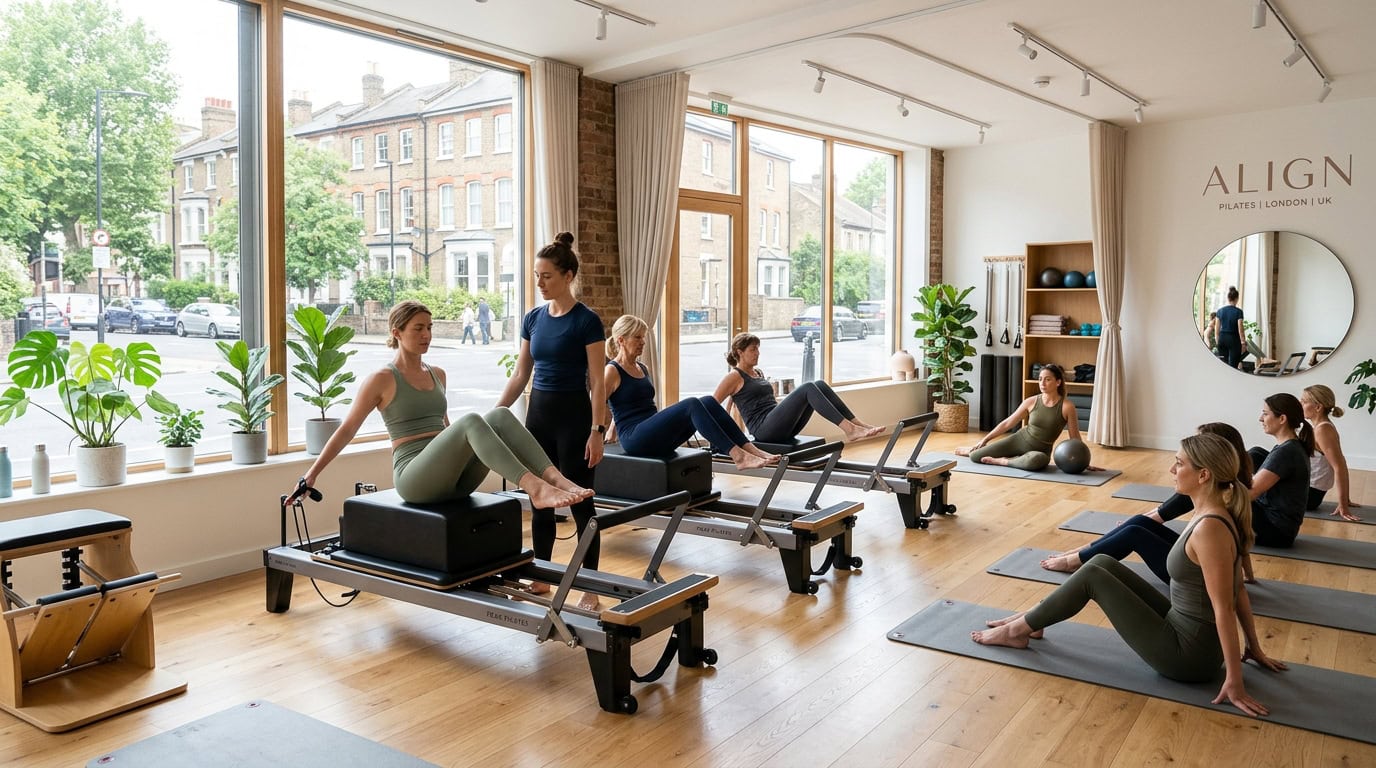
    Boutique female-majority studios — not technically women-only, but so heavily skewed female that they function that way in practice. Many Pilates studios, yoga spaces, and barre classes fall into this category. The atmosphere can be just as welcoming as a dedicated women’s club, even without the formal designation.

    The Real Benefits (They Go Beyond “Feeling Comfortable”)

    Comfort matters — but if that were the whole story, women-only gyms would just be a nice-to-have. The deeper reason they work is that they change what women actually do when they train.

    You’ll use the whole gym. In a mixed environment, women disproportionately avoid the free weights area. According to ukactive research on active participation, women are significantly less likely to engage in strength training than men — and social environment is one of the biggest factors. Remove that dynamic, and the squat rack suddenly becomes accessible. Women in female-only spaces lift heavier, try new equipment, and push harder, because there’s no performance anxiety in the room.

    The programming is built around you. Women-only gyms design their class timetables, their coaching approach, and often their equipment layout around what female members actually want — strength without bulk, postpartum recovery, peri-menopausal fitness, hormonal health awareness. That specificity is something a general-purpose mainstream gym almost never delivers.

    The community is different. Ask anyone who’s made the switch, and they’ll tell you the same thing: the social energy in women-only spaces is just different. Less performance, more encouragement. Whether that’s a trainer who asks how you’re doing, or just the general lack of people staring at their reflection in the mirror, the cumulative effect on your consistency is real.

    It lowers the barrier to starting. If self-consciousness has kept you away from gyms entirely, removing that specific obstacle matters enormously. It’s not a weakness — it’s a practical reality for a lot of people, and a good women-only gym solves it directly.

    What Types of Training Do Women-Only Gyms Cover?

    This has changed a lot over the last ten years. Early women-only gyms were often light on proper strength equipment — rows of step machines and light dumbbells, not much else. That model still exists, but the better ones now offer full fitness facilities.

    Depending on the gym, you might find:

    • Full free weights areas with barbells, dumbbells up to heavy weights, and power racks
    • Functional training zones — kettlebells, battle ropes, sleds, plyometric boxes
    • Studio classes: HIIT, circuit training, dance fitness, spin
    • Mind-body classes: yoga, Pilates, stretch and mobility sessions
    • Cardio equipment: treadmills, bikes, rowing machines, cross-trainers
    • Personal training services, often with female PTs available

    If strength training is your primary goal, check before you join. Some women-only gyms are still heavily cardio-focused, and if you want a barbell programme, you’ll want to see the weights floor before you sign up.

    What to Look For When Choosing One

    Not all women-only gyms are equal. These are the things worth checking before you commit.

    Equipment range and condition. Do they have a proper free weights section? What’s the heaviest dumbbell available? Is there a power rack or squat cage? The condition of the kit tells you a lot about how seriously they take their members.

    Class timetable depth and variety. If classes are part of why you’re joining, count how many are scheduled per week and whether the times are realistic for your life. A strong timetable covering strength, cardio, and recovery is a good indicator of an active, well-managed gym. If you’re considering a class-based fitness route, Pilates is often an excellent starting point — the technique transfers well to general strength work, and most women-only gyms offer beginner-friendly Pilates sessions.

    Changing facilities. Women-only gyms often prioritise their changing rooms and showers more than mainstream clubs — but quality still varies. Check them before you sign anything.

    Contract terms. Rolling monthly contracts are the norm now. If a gym is pushing a 12-month minimum with penalties for leaving, that’s worth pushing back on. Plenty of good options won’t lock you in.

    The vibe on the floor. Spend ten minutes in the gym before you commit. Who’s there? What’s the age range? Is it the kind of place you’d genuinely want to come to three times a week? A good gym should feel welcoming from the moment you walk in.

    Working With a Personal Trainer in a Women-Only Setting

    Many women-only gyms employ female personal trainers, or can refer you to one — which for a lot of people is a significant draw. Whether it’s about communication style, understanding of female physiology, or simply feeling more comfortable discussing body goals with another woman, the trainer relationship can make or break your results.

    If you’re thinking about hiring a PT alongside your gym membership, it’s worth knowing what qualifications to look for and what questions to ask upfront. Knowing how to find a good personal trainer in the UK — Level 3 PT qualification as the baseline, relevant specialisms like pre/postnatal or menopause fitness — means you’ll find someone genuinely suited to your goals rather than just whoever’s available.

    The Honest Trade-Offs

    Women-only gyms are a genuinely excellent choice for a lot of people. But being honest about the trade-offs helps you decide whether they’re right for you specifically.

    They’re often smaller. Dedicated women-only facilities tend to be more compact than large mainstream gyms. At peak times — typically early morning and early evening — that can mean waiting for machines or equipment. If you prefer off-peak training, it’s less of an issue.

    Equipment depth can be limited. Some women-only gyms, particularly older circuits-based models, still have relatively limited free weights and no barbell setup. If heavy strength training is your priority, check before you join.

    Pricing. Independent women-only gyms often price slightly above the budget-gym baseline. You’re paying for environment and community as much as equipment — which is a fair trade for a lot of people, but worth factoring into your budget.

    Availability is patchy. Depending on where you live, a dedicated women-only gym might simply not be nearby. In smaller towns and rural areas, you’re more likely to find women-only sessions at mixed facilities than a dedicated club. That’s still worth looking for — it might be exactly what you need.

    How to Find a Women-Only Gym Near You

    The most direct approach is to search specifically for women’s gyms or female-only fitness venues in your area. GymPal covers women’s gyms, female-only studios, and gender-specific sessions across the UK — search by location and you’ll see what’s available nearby with opening times, facilities, and contact details.

    If there’s no dedicated women-only gym close to you, it’s worth asking your nearest mainstream gym or leisure centre whether they offer female-only session times. Many do, especially in areas with diverse communities, and they’re not always prominently advertised.

    Most gyms — whether women-only or mixed — will offer a free trial session or a day pass. Take advantage of it. No amount of reading reviews online gives you the same information as walking in, looking around, and seeing how it feels in person. That visit will tell you more than anything else.

    Making the Right Call

    Women-only gyms work because they remove a specific, real obstacle that stops a lot of women from training consistently. It’s not about mixed gyms being unwelcoming — most aren’t — it’s about finding the environment where you’ll actually show up, week after week.

    If comfort, community, and a space that’s genuinely designed for you matters to your consistency, a women-only gym is absolutely worth trying. Search GymPal to find women’s gyms and female-only fitness studios near you, and if in doubt, book a trial session. The worst case is you rule one out — the best case is you find exactly the environment you’ve been missing.

  • CrossFit UK: What to Expect, What It Costs, and Whether It’s Right for You

    CrossFit UK: What to Expect, What It Costs, and Whether It’s Right for You

    If you’ve ever walked past a CrossFit box and heard the sound of barbells crashing and people cheering each other on, you’ve probably had one of two reactions: “That looks brilliant” or “That looks absolutely terrifying.” Usually both at once.

    CrossFit has built one of the most passionate fitness communities in the UK over the past 15 years — but it’s also one of the most misunderstood. People assume it’s only for ex-athletes, that you’ll injure yourself in week one, or that the membership costs more than a car payment. Some of that reputation is fair. Most of it isn’t.

    This guide is for anyone curious about CrossFit but not sure where to start. We’ll cover what actually happens in a session, what it costs across the UK, how to tell a great box from a dodgy one, and whether CrossFit is the right fit for your goals — or whether something else might suit you better.

    What Exactly Is CrossFit — and What’s a “Box”?

    CrossFit is a strength and conditioning programme built around constantly varied, high-intensity functional movements. That’s the official line. In practice, it means every session is different: one day you might be doing barbell squats and rope climbs, the next it’s rowing, handstand push-ups, and 400-metre runs. No two workouts are the same week to week.

    A “box” is simply the CrossFit word for a gym. The name comes from the fact that early CrossFit gyms were often set up in bare warehouse spaces — literal boxes — rather than plush health clubs. Most UK boxes still have that industrial feel: rubber flooring, rigs, kettlebells, pull-up bars, and rowing machines rather than rows of treadmills in front of flatscreen TVs.

    The workout itself is called a WOD — Workout of the Day. Every box follows a daily WOD, programmed by the head coach. You turn up, warm up as a group, learn the movements, then do the WOD together. The whole session typically runs 60 minutes.

    What Actually Happens in a CrossFit Session?

    If you’ve never set foot in a box before, here’s what a standard session looks like:

    • Warm-up (10–15 mins): Dynamic stretching, light movement, and activation exercises led by the coach as a group.
    • Skill or strength work (15–20 mins): Practising a specific movement — Olympic lifting technique, a barbell complex, or a gymnastics skill like muscle-ups. This is where technical development happens over months.
    • The WOD (10–25 mins): The main event. Typically time-capped or scored by reps completed. Could be a 10-minute AMRAP (as many rounds as possible), a classic 21-15-9 descending rep scheme, or a set of intervals.
    • Cool-down and chat (5–10 mins): Stretching, recovery work, and — crucially — talking to your fellow members. This social element is a genuine part of the CrossFit experience, not an afterthought.

    The group format is central to CrossFit’s appeal. Unlike a traditional gym where you wander in, plug in your earphones, and quietly do your own thing, CrossFit sessions are communal. People cheer each other through the last reps. Coaches know your name. That sense of accountability and shared effort is what keeps most CrossFitters coming back.

    It shares DNA with outdoor and indoor bootcamp fitness — that group accountability, coached intensity, and satisfaction of finishing something hard together — except CrossFit’s programming is more structured and the barbell work adds a strength dimension most bootcamps lack.

    Is CrossFit Suitable for Beginners?

    The honest answer: yes, if you pick the right box. The slightly more complicated answer: it depends on how that box coaches and scales its workouts.

    One of CrossFit’s foundational principles is scalability — every movement can be modified to suit any fitness level. Can’t do a pull-up? You use a resistance band or do ring rows instead. Can’t overhead squat with load? You practise the movement with a PVC pipe first. A well-run box will never expect a first-timer to keep pace with someone who’s been training for five years.

    Most reputable UK boxes require new members to complete a foundations or onboarding course before joining regular classes. These sessions — usually 2–4 hours spread over a week — teach you the core movements safely before you’re dropped into a live WOD. This is genuinely important: CrossFit uses technically demanding barbell lifts (cleans, snatches, overhead squats) that take time to learn correctly.

    When evaluating a box, ask: How do you handle someone who’s never touched a barbell before? A good coach will walk you through their onboarding process with enthusiasm. A red flag is any box that waves you straight into group classes with no assessment or foundations work.

    If technical barbell movements genuinely intimidate you, a few sessions with a strength-focused personal trainer before you start CrossFit can build the confidence and motor patterns that make your first weeks in a box far more enjoyable.

    How Much Does CrossFit Cost in the UK?

    Here’s where CrossFit’s reputation for expense is largely justified — though the reasons are legitimate.

    The average CrossFit membership in the UK costs between £70 and £150 per month, with most boxes landing around £80–£100. In London, prices run higher — some boxes charge £150–£184 per month for unlimited sessions. Outside major cities, particularly in the north and midlands, £70–£85 is more typical.

    Compare that to a budget gym at £20–£25 per month and CrossFit looks eye-watering. But the comparison isn’t quite fair. What you’re paying for with CrossFit is:

    • Coached group sessions — a qualified coach present throughout every class
    • Daily programming — no need to design your own workouts; it’s all planned for you
    • Specialist equipment — barbells, lifting platforms, rigs, rowers, ski ergs
    • Small class sizes — typically 8–20 people, not 50
    • A built-in community — arguably the most powerful retention tool in fitness

    Most boxes also charge a one-off foundations course fee for new members — usually £30–£80 — so factor that into your first-month budget. Some boxes offer drop-in rates (typically £15–£25 per class) for visitors who want to try before committing. A single drop-in is worth doing before you sign up.

    What to Look for in a UK CrossFit Box

    Not all boxes are created equal. The CrossFit affiliation model means any gym that pays an annual licence fee can call itself a CrossFit box — so quality varies considerably. Here’s what separates a great box from a mediocre one:

    Coaching qualifications: Your head coach should hold at least a CrossFit Level 2 Trainer certificate. Level 1 is the baseline; Level 2 indicates someone who has genuinely invested in developing their coaching. Look for coaches who actively correct movement and offer alternatives — not just cheerleaders shouting encouragement.

    Class size limits: Any box cramming 30+ people into a session without multiple coaches is cutting corners on safety. Smaller classes mean more individual attention and a lower risk of unnoticed poor form.

    Beginner-friendly culture: Visit and watch a class if you can. Are experienced members patient with newcomers? Do coaches acknowledge everyone regardless of ability? A toxic “elite only” atmosphere doesn’t disappear after the first month.

    Structured programming: Does the box follow a clearly periodised programme that builds over months? Or is it just random WODs strung together? Better boxes explain their programming philosophy openly and with evident thought behind it.

    Facilities and hygiene: The space should be clean and well-organised. Rubber bumper plates for barbell work, solid flooring, and enough equipment so members aren’t queuing for a single rower mid-WOD are basic standards.

    According to ukactive’s research on physical activity retention, coached group exercise is consistently one of the strongest drivers of long-term gym membership retention — which helps explain why CrossFit members tend to stick around far longer than the average gym-goer.

    CrossFit vs Traditional Gym: Which Is Right for You?

    CrossFit isn’t the right choice for everyone, and that’s absolutely fine. Here’s a rough guide to who tends to thrive where:

    CrossFit suits you if:

    • You get bored doing the same workout every week
    • Accountability and community are what keep you consistent
    • You want to build both strength and cardiovascular fitness simultaneously
    • You enjoy being pushed hard by a coach and a group
    • You like measurable progress — times, weights, rep counts

    A traditional gym suits you if:

    • You prefer training at your own pace, on your own schedule
    • You have specific goals (bodybuilding, marathon prep) that need targeted, solo programming
    • Budget is a genuine constraint — a good budget gym at £25/month absolutely can get you fit
    • You’re an experienced lifter who knows exactly how to programme their own sessions

    There’s a compelling middle ground too: boxing and martial arts gyms offer a similar community-driven, coached experience to CrossFit — often at lower cost — with conditioning benefits that genuinely rival a well-programmed WOD.

    How to Find a CrossFit Box Near You

    There are over 600 CrossFit-affiliated boxes in the UK, spread across every major city and most sizeable towns. Finding one near you is straightforward — search GymPal for gyms in your area to browse local boxes with contact details, facilities information, and direct links to each box’s website.

    Once you’ve shortlisted two or three boxes near you, do the following before committing:

    • Request a free introductory session or class observation — most boxes will say yes
    • Ask about their onboarding process for complete beginners
    • Check Google and social media reviews specifically for comments on coaching quality and community feel
    • Confirm the head coach’s CrossFit certification level

    The right box will make you feel welcome from the first conversation. The wrong one will make you feel like you haven’t earned your place yet — and that feeling rarely improves.

    The Bottom Line

    CrossFit is expensive compared to a standard gym membership. It demands more technical skill and physical effort than a treadmill-and-machines routine. And yes, the WODs are hard by design.

    But for the right person — someone who thrives with structure, community, and variety — CrossFit can be genuinely transformative. The blend of strength, conditioning, and technical skill development is one of the most comprehensive approaches to fitness you’ll find in a single 60-minute session. And the community you find at a good box is the kind that keeps you showing up on the days you’d normally talk yourself out of it.

    Go watch a class. Do the foundations course. Give it a genuine go. And when you’re ready to find your nearest box, GymPal makes it easy to find and compare gyms across the UK — CrossFit boxes included.

  • How to Find a Personal Trainer in the UK: What to Look For, What to Pay, and What to Ask

    How to Find a Personal Trainer in the UK: What to Look For, What to Pay, and What to Ask

    Hiring a personal trainer is one of the smartest investments you can make in your fitness — but only if you get it right. The wrong PT can leave you lighter in the pocket and no closer to your goals. The right one can completely transform the way you train, accelerate your results, and give you a level of accountability that is hard to replicate on your own.

    The UK has more personal trainers than ever. Thousands of qualified professionals work across the country — from boutique studios in Central London and Manchester to independent gyms in smaller market towns across Yorkshire, the Midlands, and everywhere in between. That is great news for choice, but it also means knowing how to separate the genuinely qualified from the also-rans matters more than ever.

    Whether you are a complete beginner who has never properly trained, or an experienced gym-goer who has hit a frustrating plateau, this guide walks you through everything: what qualifications to look for, how much to budget, where to search, and the questions that separate a great PT from a mediocre one.

    What Does a Personal Trainer Actually Do?

    A personal trainer designs exercise programmes tailored specifically to you — your goals, your current fitness level, your schedule, and any injuries or health conditions you are working around. That sounds straightforward, but it is a world away from following a generic plan off the internet or copying what somebody else does at the gym.

    In a typical session, your PT will:

    • Assess your current fitness level and movement patterns
    • Design a programme that progresses week on week
    • Coach your technique in real time, reducing injury risk
    • Hold you accountable when motivation dips
    • Adapt your plan as your fitness improves

    Many PTs specialise in specific areas: weight loss, strength and conditioning, post-natal fitness, injury rehabilitation, sport-specific performance, or working with older adults. Finding someone whose specialism aligns with your goal makes a significant difference to your results.

    Sessions typically last 45–60 minutes and can take place at a gym, in a park, at your home if the PT is mobile, or online via video call. Many trainers now offer hybrid packages — some in-person sessions with online check-ins in between — which can stretch your budget considerably further.

    The Cost of a Personal Trainer in the UK (2026 Guide)

    PT pricing varies considerably by location, experience, and format. Here is a realistic picture:

    • London: £50–£120 per session
    • Major cities (Manchester, Birmingham, Leeds, Bristol): £35–£70 per session
    • Smaller towns and rural areas: £25–£50 per session
    • Online PT (programming plus check-ins, no live sessions): £60–£200 per month

    Block bookings almost always work out cheaper — buying 10 sessions upfront can knock 15–20% off the per-session rate. If budget is a real constraint, ask about semi-private training (two or three clients sharing one PT), which brings costs down sharply without losing much of the personalisation.

    If personal training feels financially out of reach right now, outdoor bootcamp sessions across the UK offer coached, structured group workouts at a fraction of the one-to-one cost — a solid way to build a base before investing in individual time.

    Qualifications to Look For When Choosing a PT

    The UK fitness industry is largely self-regulated, which means doing your own due diligence is essential. Do not be embarrassed to ask about qualifications — any professional trainer will expect it and be happy to provide evidence.

    Essential qualifications:

    • Level 3 Personal Training Certificate — the industry standard minimum for PTs working with the public. It should come from a recognised awarding body such as YMCA Awards, Active IQ, CYQ, or Premier Global.
    • First Aid certificate — should be current (typically renewed every three years).
    • Public liability insurance — mandatory for any self-employed PT. Ask to see the certificate before you book anything.

    Professional body membership:

    Look for trainers registered with CIMSPA (the Chartered Institute for the Management of Sport and Physical Activity), the UK body for the sport and physical activity sector. Membership confirms a trainer meets current professional standards and commits to ongoing continuing professional development.

    Additional specialisms:

    If you have specific goals or health considerations, look for additional credentials — Level 4 certificates in strength and conditioning, obesity management, or lower back pain; pre and post-natal fitness qualifications; or sport-specific coaching licences if you are training for a particular discipline.

    If anyone cannot clearly explain their qualifications or is reluctant to show insurance details — walk away. No exceptions.

    Where to Find a Personal Trainer Near You

    The best PT for you might be working out of your existing gym, freelancing at a local park, or running a small private studio. Here is where to look.

    At your gym: Ask at reception whether the gym employs PTs directly or rents floor space to independent trainers. Training with a PT at the gym you already use is the most convenient setup, and many members find it more affordable because there is no travel involved.

    GymPal: GymPal lists personal trainers across the UK, searchable by location and specialism. It is one of the fastest ways to see who is available near you. Search for personal trainers on GymPal by your town, city, or postcode and filter by what matters most to you.

    Social media: Many PTs build their audience on Instagram. Browsing their content, training style, and client results gives you a genuine sense of their personality and coaching approach before you commit any money.

    Word of mouth: Ask at your gym, running club, or workplace. A personal recommendation from someone whose results you can actually see remains one of the most reliable routes to a good trainer.

    Red flags to watch for: trainers who are aggressively pushy, make unrealistic claims about timelines, cannot clearly explain their qualifications, or pressure you into long-term contracts before you have had a single session together.

    Questions to Ask Before You Commit

    Before handing over money — especially for a block booking — ask these questions and pay attention to how they answer them:

    1. What is your Level 3 qualification and who issued it? Any legitimate trainer will answer immediately and clearly.
    2. Are you insured, and can I see your certificate? Non-negotiable.
    3. What is your cancellation policy? Know the rules before you agree to them.
    4. Have you worked with clients at my fitness level with similar goals? Ask for specifics — vague answers are a warning sign.
    5. What does a first session look like? A good PT starts with a proper assessment, not just throwing you into a workout.
    6. How do you track and review progress? Regular check-ins against measurable goals are the mark of a structured, professional approach.
    7. What are your rates and what packages do you offer? Get this in writing before you commit.

    Most trainers offer a free or discounted introductory session. Always take them up on it. It is the single best way to determine whether your personalities, communication styles, and training philosophies are genuinely compatible before any money changes hands.

    Making the Most of Your Personal Training Sessions

    Hiring a PT is only half the work. How you show up to each session matters just as much as the person delivering it.

    Arrive prepared. Do not turn up to a strength session having skipped lunch. Fuel and hydrate properly, and come ready to focus. Your PT can only get so much out of you if you are running on empty.

    Be honest when something hurts. Say so immediately — do not push through pain in silence. A good trainer adapts on the spot. Ignoring discomfort leads to injuries that set you back weeks or months.

    Do the work between sessions. Your PT cannot train you every day. Ask them to set homework — additional sessions, movement drills, or nutrition habits — and actually follow through. Most physical adaptation happens outside of your paid sessions.

    Keep track of your own progress. A simple training diary or an app makes a real difference. Log how much you lifted, how you felt, and any changes you have noticed. Sharing this with your PT helps them programme more intelligently over time.

    Many clients also find that adding pilates to their routine alongside PT sessions produces results that neither alone could achieve — the body awareness, core stability, and movement quality from pilates translates directly into better performance in the gym and faster recovery between sessions.

    Ready to Find Your PT?

    The UK personal training market has never been more accessible, but quality varies enormously. Do your homework: check qualifications, verify insurance, take the trial session, and trust your instincts when something does not feel right.

    Set realistic expectations. A good PT will not promise you a transformation in four weeks — they will give you a structured, progressive plan that compounds over months. The results, when you commit to the process, are worth every pound.

    Start your search now — GymPal lists qualified personal trainers across every corner of the UK, searchable by location, specialism, and availability. Find the right one for you and make 2026 the year your training finally delivers.

  • Boxing Gyms UK: Why Getting in the Ring Is the Best Workout You’re Not Doing

    Boxing Gyms UK: Why Getting in the Ring Is the Best Workout You’re Not Doing

    Boxing has always carried a certain reputation. Dark gyms, leather headguards, the smell of sweat and ambition. But something has shifted. Walk into a boxing gym in Manchester, Bristol, or Edinburgh today and you’re as likely to find an accountant or teacher as you are a competitive fighter — and that’s entirely the point.

    Boxing and combat sports have become one of the fastest-growing fitness categories in the UK. A 60-minute boxing session burns anywhere from 500 to 800 calories, builds functional strength from your feet to your fingertips, and does something no treadmill ever could: it demands your complete mental focus. There’s no drifting off mid-round. Every jab and combination pulls you back into the present.

    Whether you want to spar, just work the pads, or simply try something completely different, here’s everything you need to know about boxing gyms in the UK — and why your first visit might be the best fitness decision you make this year.

    Why the UK Has Fallen in Love With Boxing Fitness

    The numbers tell the story clearly. England Boxing — the sport’s national governing body — has reported steady growth in participation over the past five years, with particularly strong increases among women and adults over 35 who are discovering boxing fitness for the very first time. White-collar boxing events, where office workers train for charity bouts over 8 to 12 weeks, have spread from London to Leeds, Liverpool, Newcastle, and beyond. Commercial boxing studios have opened across cities from Glasgow to Cardiff, bringing the sport into the high street.

    Part of this growth is down to the workout itself. Boxing training is relentlessly varied: you skip rope, hit the heavy bag, drill combinations on the pads with a coach, and move constantly. Your heart rate doesn’t plateau. Your brain doesn’t switch off. And the techniques — jab, cross, hook, uppercut, slip, roll — take weeks and months to master properly, which means there’s always a clear next thing to improve.

    But a large part of boxing’s appeal is the community it creates. These gyms tend to attract people who are serious about their training but are remarkably welcoming to newcomers. Walk in, work hard, and you’ll fit in fine regardless of your fitness background or experience level.

    What Actually Happens at a Beginner Boxing Class

    The single biggest barrier for most people is the assumption that boxing gyms are intimidating. The good ones simply aren’t. Most beginner sessions follow a fairly consistent structure that eases you in without throwing you directly into the deep end.

    Warm-up (10–15 minutes): Expect skipping, footwork drills, and shadow boxing. Don’t worry if you can’t skip yet — everyone starts somewhere, and rope coordination comes faster than you’d expect. The point at this stage is to raise your heart rate and loosen your joints, not to perform perfectly.

    Technique work: Good coaches break down the basics methodically. You’ll work on your stance, your guard, and the fundamental jab-cross combination before anything more complex is introduced. The best gyms spend the first few sessions purely on fundamentals, because a solid technical base makes everything that follows far more effective — and far safer.

    Bag and pad work: This is where the real workout happens. You’ll spend time hitting the heavy bag or working the pads with a coach or training partner, stringing combinations together under instruction. It’s physically harder than it looks, and genuinely more satisfying than almost anything else you’ll do in a gym.

    Conditioning: Press-ups, core work, burpees, and circuits — boxing gyms don’t shy away from old-school fitness. Most sessions close with a conditioning round that will challenge your legs and lungs in equal measure.

    Sparring — actual contact with another person — comes later, and only when you and your coach both feel you’re genuinely ready. Many people train at boxing gyms for months, sometimes years, without ever sparring. That is completely normal, and any decent gym will never pressure you into it.

    The Different Types of Boxing Gym in the UK

    Not every boxing gym is the same, and knowing which type suits your goals will save you a wasted trial session or the wrong membership.

    Traditional boxing clubs are affiliated with England Boxing or the equivalent governing bodies in Scotland, Wales, and Northern Ireland. They focus on the sport: technique, fitness, and competition when you’re ready for it. These clubs are often community-run, affordable, and brilliant if you want to eventually spar or compete at amateur level.

    Fitness boxing studios are the newer breed: commercial venues where boxing is repackaged as a group fitness class with loud music, choreographed combinations, and a premium price tag. If you want the calorie burn without the technicalities of the sport, these work well — but you won’t emerge a better boxer.

    MMA and combat sports gyms combine boxing with Muay Thai, wrestling, and Brazilian jiu-jitsu. These are excellent if you want to cross-train across disciplines, though sessions can be more intense than pure boxing. If you’ve come from high-intensity group training like UK bootcamp fitness classes, the physical demands of an MMA gym will feel very familiar — the structure is similar, even if the skills are different.

    White-collar boxing programmes are run by promoters who take complete beginners and train them over 8–12 weeks before putting them in a charity bout. These have become popular across the UK and are an excellent way to get structure, accountability, and a real goal to work towards — whether you ever want to fight competitively or not.

    Beyond Boxing: Kickboxing, Muay Thai, and BJJ

    If you want to explore combat sports more broadly, the UK has a thriving martial arts scene that goes well beyond the boxing ring.

    Muay Thai (Thai boxing) adds kicks, knees, and elbows to the striking toolkit and is widely taught at gyms across the UK. It’s a demanding full-body workout and a technically rich discipline — sessions tend to be intense, but most clubs are genuinely welcoming to beginners. Many Thai boxing coaches are among the best instructors you’ll find anywhere in the fitness industry.

    Brazilian jiu-jitsu (BJJ) has grown enormously in the UK over the last decade, driven partly by the rise of MMA. It’s a grappling art focused on ground fighting and submissions — no striking involved — which makes it surprisingly accessible and surprisingly addictive. You will use muscles you didn’t know you had.

    Kickboxing sits somewhere between boxing and Muay Thai and is offered as a standalone class at many UK gyms. It makes a good entry point if you’re not yet sure which direction you want to go.

    One thing all of these disciplines share is a serious demand on your body. Combat sports place real stress on your joints, shoulders, hips, and connective tissue. Pairing boxing or martial arts with yoga classes focused on mobility and flexibility is something most experienced combat sports practitioners recommend — coaches included. Hip openers and shoulder stretches make a measurable difference to your performance and your recovery.

    Kit List: What You Actually Need Before Your First Session

    One of the most common misconceptions about boxing is that you need to invest heavily in kit before you even start. You don’t. Here’s the honest breakdown:

    Hand wraps (from £5–£10, essential): These protect your wrists and knuckles and are non-negotiable. Most gyms will have a spare pair you can borrow for a first session, but once you’re going regularly, buy your own and learn to wrap before you arrive. There are clear tutorial videos online and it takes about a week of practice to get right.

    Boxing gloves (from £20–£60, essential): Many gyms will lend you gloves for a trial session. Once you’re training regularly, 12oz gloves work well for most adults for bag and pad work; 14oz if you’re on the heavier side. Brands like Adidas, Venum, and Lonsdale are reliable at the mid-range price point.

    Gumshield (only if sparring): Not needed for fitness-only training. If you ever spar, a boil-and-bite mouthguard from any sports retailer is fine to start with. A custom-fitted one from a dentist is better if you’re sparring regularly.

    Gym kit: Shorts or joggers, a t-shirt, and trainers or dedicated boxing boots. Don’t overthink this for your first session — anything you’d wear to a fitness class is fine.

    After a hard boxing session, recovery matters more than most people realise. If you’re training two or three times a week, finding a gym with spa or sauna facilities nearby for post-session recovery can make a genuine difference to how quickly your shoulders and forearms recover between sessions.

    How to Find a Boxing Gym Near You in the UK

    Finding a good boxing gym is less straightforward than finding a standard gym — not all clubs have polished websites or active social media accounts. Many of the best in the country are community-run and listed only on England Boxing’s official club finder or on local Facebook groups.

    According to England Boxing, there are more than 800 registered clubs across England alone. Add the networks in Scotland, Wales, and Northern Ireland, and there is almost certainly a boxing club within a reasonable distance of wherever you are in the UK.

    GymPal lists over 600 boxing and martial arts venues across the UK — from traditional amateur clubs in Liverpool and Newcastle to commercial boxing studios in London, Birmingham, and Manchester. You can search by postcode, filter by gym type, and compare facilities without needing to sign up for anything.

    The practical approach: book a trial session at two or three gyms before committing to a membership. Pay attention to how coaches engage with beginners, whether the equipment is well-maintained, and whether the existing members seem engaged and welcoming. A great boxing gym feels like a community, not just a facility.

    Search boxing gyms and martial arts clubs near you at askgympal.co.uk/boxing-martial-arts — free, no sign-up required.

    The Hardest Part Is Walking Through the Door

    Boxing isn’t just for fighters. It’s one of the most complete workouts available — cardiovascular fitness, functional strength, coordination, and mental focus all in a single session — and the UK fitness scene has never made it more accessible to beginners.

    Whether you’re after a new challenge, a workout that genuinely holds your attention, or just want to know what it feels like to throw a solid combination after a long week, a boxing gym might be exactly what you’ve been looking for. The hardest part is simply walking through the door for the first time. After that, you’ll wonder why it took you so long.

    Find boxing gyms, kickboxing clubs, and martial arts venues across the UK at askgympal.co.uk — the UK’s free fitness venue finder.

  • Pilates for Beginners: Everything You Need to Know Before Your First UK Class

    Pilates for Beginners: Everything You Need to Know Before Your First UK Class

    Pilates has gone from a niche rehabilitation technique to one of the most popular fitness classes in the UK — and for good reason. Whether you’ve spotted a reformer studio popping up on your high street, seen your friends post about it on Instagram, or simply want a workout that builds real strength without wrecking your joints, Pilates deserves your attention.

    But if you’ve never set foot on a mat or near a reformer machine, it can feel a little intimidating. What even is Pilates? Is it just posh stretching? How much does it cost? And where do you actually find a class? This guide answers all of those questions so you can walk into your first session with confidence.

    Pilates was developed in the early 20th century by Joseph Pilates as a system of controlled movement focused on core stability, posture, alignment, and precise muscle engagement. Today it’s practised by millions of people in the UK — from elite athletes and dancers to complete beginners and those recovering from injury.

    Mat Pilates vs Reformer Pilates: What’s the Difference?

    The first decision you’ll face as a beginner is choosing between mat and reformer Pilates. They share the same principles but feel quite different in practice.

    Mat Pilates is done on the floor using just a mat and your own bodyweight. It’s the most accessible starting point: classes are widely available at gyms, leisure centres, and community halls, and they’re typically the most affordable option. You’ll focus on controlled movements, breathing patterns, and building core awareness.

    Reformer Pilates uses a sliding carriage, springs, straps, and pulleys to create adjustable resistance. It feels more like using equipment at a gym — you’re working against the spring tension rather than just gravity. Reformer studios offer a more personalised, small-group experience, and many people find reformer movements easier on their joints than mat work. The trade-off is cost: reformer sessions are significantly pricier.

    For most beginners, mat Pilates is the natural entry point. It builds the foundational body awareness you need to get more from reformer work later. That said, many studios now run beginner reformer programmes specifically designed for newcomers, so don’t rule it out.

    Why Pilates Is Worth Your Time

    The benefits of regular Pilates practice go well beyond “stronger core” — though that’s certainly part of it.

    Core strength and stability: Pilates is one of the most effective ways to build genuine core strength — not just visible abs, but the deep stabilising muscles around your spine and pelvis. This has knock-on benefits for almost every other physical activity you do.

    Posture correction: Most of us spend hours hunched over desks or phones. Pilates counteracts this by strengthening the muscles that hold you upright. Regular practitioners often notice an improvement in how they carry themselves within just a few weeks.

    Flexibility and mobility: Pilates lengthens and stretches muscles through controlled range-of-motion work. If you already enjoy [yoga classes across the UK](https://askgympal.co.uk/blog/yoga-classes-uk-find-right-style/), you’ll recognise some of that same emphasis on movement quality and body awareness — though Pilates is more focused on strengthening through length rather than deep passive stretching.

    Injury rehabilitation and prevention: Pilates was originally developed as a rehabilitation system, and it’s still widely used by physiotherapists and sports medicine professionals. The low-impact nature makes it ideal for those recovering from back problems, joint pain, or muscle injuries.

    Mental focus: Each exercise requires genuine concentration. Pilates is sometimes called “the thinking person’s workout” — you can’t zone out and scroll your phone. Many people find this mental engagement part of what makes it so restorative.

    What to Expect at Your First Pilates Class

    Knowing what awaits you makes everything less daunting. Here’s a realistic picture of a typical beginner Pilates session in the UK.

    Class size: Mat Pilates classes at leisure centres or gyms might have 15–20 people. Boutique studios — particularly reformer studios — tend to keep groups much smaller, often 6–10 people. Smaller classes mean more attention from the instructor, which matters a lot when you’re learning the movement patterns.

    What to wear: Fitted, stretchy clothing works best — you don’t want baggy tops falling over your head when you’re upside down. Pilates is usually done barefoot or in grip socks (many reformer studios sell these or require them for hygiene reasons).

    The session itself: A standard class runs 45–60 minutes. It will move through a series of exercises — some in lying, some sitting, some standing — with the instructor cueing your breathing and alignment throughout. Don’t worry if you can’t do everything perfectly; correct form matters far more than completing a movement.

    After class: You’ll likely feel worked — particularly in your core and inner thighs — without the heavy, depleted sensation that comes from intense cardio or strength training. A good recovery approach, whether that’s stretching, proper sleep, or accessing [gym and spa facilities nearby](https://askgympal.co.uk/blog/gym-spa-facilities-uk-train-recover/), will help you feel the benefits sooner.

    How Much Does Pilates Cost in the UK?

    Pilates prices vary considerably depending on the format and location.

    Mat Pilates at a leisure centre or chain gym: If it’s included with your membership, you’re paying nothing extra. Drop-in community classes typically run £5–£12.

    Boutique mat studio: Expect £10–£18 per class, with introductory offers (often three classes for £20–£30) widely available for new clients.

    Reformer Pilates: This is where costs rise sharply. Individual reformer sessions in a studio typically run £20–£35. Class packs bring this down — 10 sessions for £180–£250 is common in London and other major cities. Outside London, you’ll often find better value.

    Online Pilates: Plenty of subscription platforms offer instructor-led Pilates for £10–£20 per month. It’s not a substitute for in-person feedback when you’re starting out, but useful for supplementary practice between sessions.

    The variety of options means there’s a price point for almost everyone. If budget is tight, start with a mat class at a local leisure centre and build from there. If you want a more immersive introduction, look for a beginner reformer course rather than a single drop-in session.

    How to Find Pilates Classes Near You in the UK

    Finding a good Pilates studio or class shouldn’t be difficult, but the quality varies enormously. Here’s what to look for.

    Qualified instructors: Look for instructors trained through recognised bodies such as STOTT Pilates, Body Control Pilates, or the Pilates Foundation. These qualifications indicate proper training in anatomy and safe movement. Don’t be afraid to ask about an instructor’s credentials before you book.

    Beginner-specific classes: A general mixed-ability class can be frustrating for newcomers. Look for classes explicitly labelled “beginner,” “foundations,” or “Level 1.” Many studios run short-course programmes for new clients rather than just drop-in sessions.

    Trial offers: Most studios offer a first-class discount or an introductory bundle. Take advantage of these to try the instructor and studio before committing to a membership. It also lets you compare a couple of studios in your area before settling on one.

    GymPal lists Pilates studios and classes across the UK, with filters for location, type, and price range. Search Pilates classes near you on GymPal to find studios, read listings, and compare what’s available in your area without trawling through Google results.

    According to Sport England’s Active Lives survey, flexibility and balance-based activities like Pilates have seen consistent growth among UK adults, with participation rising steadily across all age groups over the past five years.

    Tips for Getting the Most from Pilates

    A few things make a real difference to how quickly you progress.

    Consistency beats intensity: Two or three sessions a week will produce results far faster than one marathon session. Pilates is a cumulative practice — the movement patterns need to become instinctive, and that takes repetition.

    Tell your instructor about any injuries: Pilates is often recommended precisely because it’s adaptable, but only if your instructor knows what’s going on. A good teacher will modify exercises for you. Don’t suffer through movements that cause pain.

    Focus on quality of movement, not quantity: You might only do 10 repetitions of an exercise, but each one should be precise and controlled. Rushing through Pilates is the fastest way to miss the benefit entirely. The slowness is the point.

    Don’t compare yourself to others: Pilates is deeply individual. Your range of motion, your starting strength, your posture — all different from everyone else in the room. The only comparison worth making is with yourself from week to week.

    Supplement with other activity: Pilates is excellent but it’s not a complete fitness solution on its own. Combine it with cardiovascular exercise and, if appropriate, some strength training. Many people pair it well with swimming, walking, or cycling.

    Ready to Start?

    Pilates is one of those rare fitness disciplines that genuinely works for almost everyone — regardless of age, fitness level, or what you’ve tried before. It won’t get your heart pounding like a bootcamp session, but the changes it makes to how you move, stand, and feel in your body are often more lasting than anything you’ll find in a conventional gym class.

    The best way to start is simply to find a beginner class near you and show up. Most people who try Pilates once are surprised by how much more difficult — and rewarding — it is than they expected.

    Find Pilates studios and classes across the UK on GymPal — search by location, filter by type, and compare options without the usual faff. Your first class might be closer than you think.

  • Gym and Spa Facilities in the UK: Train Hard, Recover Well

    Gym and Spa Facilities in the UK: Train Hard, Recover Well

    You’ve smashed your legs on Monday. You did a brutal upper body session on Wednesday. By Friday, your muscles are screaming and your motivation is fading — not because you’re not committed, but because your body simply hasn’t recovered.

    Here’s the thing most gym-goers in the UK are missing: recovery isn’t the opposite of training. It’s part of it. And some of the best gym facilities in Britain have figured this out by combining world-class fitness spaces with proper spa and wellness facilities.

    Whether it’s a swim in a pool, a session in a steam room, or a proper sports massage, gym and spa combos are becoming the smart gym-goer’s secret weapon. This guide breaks down why they work, what to look for, and how to find the best options near you.

    Why Recovery Is the Missing Piece of Your Training Plan

    Most gym-goers treat rest as passive — a day on the sofa, sleeping in, maybe eating well. But active recovery accelerates the process considerably. Heat, hydrotherapy, and massage all have documented effects on muscle repair, circulation, and inflammation.

    The UK wellness market has grown significantly as awareness around recovery science spreads. According to ukactive’s research into fitness and wellness trends, more gym operators are now investing in spa and recovery facilities to meet growing member demand — and the operators who’ve made that investment are seeing stronger retention as a result.

    The result? A new generation of gym facilities that blur the line between sweaty iron rooms and high-end spa retreats.

    What to Expect From a Proper Gym and Spa Combo

    Not all gyms with “spa” in their marketing actually deliver. Here’s what a genuine gym and spa facility should offer:

    • Pool access — ideally a full 25m lane pool, though leisure-pool formats work well for recovery and low-impact cardio
    • Steam room and sauna — heat therapy is well-evidenced for post-workout recovery and cardiovascular health
    • Jacuzzi or hydrotherapy pool — jet massage targets specific muscle groups and reduces inflammation
    • Proper changing facilities — wet and dry zones, hair dryers, lockers, and amenities rather than cramped changing rooms
    • Treatment options — sports massage, physiotherapy, or beauty treatments depending on the venue

    Some facilities are now adding cryotherapy, ice baths, or infrared saunas — all becoming more mainstream across UK gyms as recovery culture grows beyond elite sport and into everyday training.

    The Best Types of Gym and Spa Venues in the UK

    David Lloyd Clubs are arguably the gold standard for gym-and-spa combos across the UK. With over 100 clubs nationally, most sites include spa pools, saunas, steam rooms, and extensive treatment suites alongside excellent gym floors. Clubs in locations like Chigwell, Edinburgh, and Solihull are particularly well-regarded for their wellness facilities. Membership typically runs £80–£140 per month depending on location — premium, but the facilities justify it for members who use the full offering.

    Village Hotels has emerged as a popular mid-market option, with gym and spa facilities at sites across Manchester, Leeds, Birmingham, and other major UK cities. The combination of leisure pool, spa, and gym floor is solid at most locations, and many have recently refurbished their wellness suites.

    Total Fitness leans heavily into aquatics and wellness with clubs across the North West, North East, and Yorkshire. Their sites typically include large pools, spa suites, steam rooms, and saunas alongside traditional gym floors — genuinely one of the better value propositions in the mid-market.

    Nuffield Health operates as a not-for-profit health charity, running fitness and wellbeing centres with an emphasis on health rather than aesthetics. Many Nuffield sites include pool facilities, treatment rooms, and a more clinical take on wellness — particularly useful if you’re managing injury recovery alongside your training.

    Local authority leisure centres deserve far more credit than they get. Many council-run facilities have upgraded significantly in recent years and offer pool, sauna, and steam access at a fraction of the cost of private clubs — sometimes under £40 per month for full access. If your local leisure centre has had a refurbishment, it’s worth a visit before signing up for something twice the price.

    How to Actually Use Spa Facilities as a Training Tool

    The mistake many gym members make is treating spa access as an occasional treat rather than a regular part of their training week. Here’s how to integrate it properly.

    Post-strength session sauna. A 10–15 minute sauna session after weights raises your core temperature, increases circulation, and helps flush metabolic waste from worked muscle groups. Research consistently shows that regular heat exposure reduces delayed onset muscle soreness — and for anyone training three or four times a week, that adds up fast. Look for gyms with Finnish dry saunas rather than steam-only rooms if you want the full effect.

    Pool-based active recovery. Swimming is one of the most underrated recovery and fitness tools available in the UK — the hydrostatic pressure of water reduces swelling and inflammation while buoyancy offloads joint stress. Even 20 minutes of gentle swimming or water walking the day after a hard leg session makes a measurable difference to how you feel going into the next workout.

    Contrast therapy. Moving between hot (sauna or steam) and cold (pool or cold shower) triggers rapid vasodilation and vasoconstriction — effectively pumping blood through sore muscles. It’s a technique used by elite athletes and increasingly available in UK gyms that have invested in proper spa infrastructure. If your gym has both a hot room and a pool, you already have everything you need.

    Regular sports massage. Even monthly massage improves tissue quality, breaks down adhesions, and catches niggles before they become injuries. Gyms with on-site physio or sports massage clinics are particularly valuable — you can book a treatment straight after a session rather than making a separate trip across town.

    Pairing Spa Recovery With Your Training Style

    Different training styles benefit from spa facilities in different ways. If you’re lifting heavy, heat therapy and massage are your priority — they address the muscle damage and soreness that comes with high-load training. If you’re doing endurance work, pool access for active recovery and hydrotherapy for leg recovery become more relevant.

    For those who mix modalities — say, strength training alongside yoga classes for mobility and recovery — a gym with a full wellness suite becomes almost essential. The combination of structured mobility work and heat therapy creates a recovery environment that genuinely supports progression rather than just managing fatigue.

    High-intensity formats like outdoor bootcamps are also pairing increasingly well with gym spa access. UK bootcamp fitness classes put significant demands on joints and connective tissue — having a pool and steam room to return to after an outdoor session dramatically reduces recovery time between sessions.

    Is It Worth Paying More for a Gym With Spa Access?

    That depends on whether you’ll actually use it. If you’re training three or more times per week and finding recovery is your limiting factor — you’re always stiff, always tired, always nursing something — then paying an extra £30–50 per month for a proper gym and spa combo could unlock a genuine step change in how your training feels.

    The maths often works out better than it looks. A single sports massage in most UK cities costs £50–70. A day-spa session with sauna and pool access costs £30–40. If you’re using your gym’s spa facilities two or three times a week, the membership premium pays for itself quickly — and you’re building recovery into your routine rather than treating it as a luxury.

    Finding Gym and Spa Facilities Near You

    The challenge is that “spa” means different things at different venues. One gym’s spa is a single-person steam room tucked behind the changing rooms. Another’s is a full aquatic suite with treatment rooms and a 30-person Finnish sauna. You can’t always tell from the website.

    GymPal lists gyms and leisure venues across the UK by facility type, so you can filter specifically for locations with pool, sauna, steam, and spa access. Search for spa and wellness gyms near you to find rated venues in your area — with real listings rather than paid placement.

    Before committing to a membership, always:

    • Request a full facility tour, not just the gym floor
    • Ask about peak hours for spa areas — pools and saunas can get busy at 6pm on weekdays
    • Confirm whether spa access is included in the base membership or costs extra
    • Check treatment booking policies — some venues operate the spa as a completely separate business

    The Bottom Line

    If you’ve been grinding away at the gym without paying proper attention to recovery, adding a spa-equipped facility to your routine could be the single biggest upgrade to your training. The UK has excellent options across all price points — from budget council leisure centres with pool and steam access to premium David Lloyd clubs with full treatment suites and physiotherapy on site.

    The key is finding the right gym with the right facilities for how you actually train. Don’t assume “spa” on the membership brochure means what you think it means — ask the right questions, take the tour, and make sure the recovery tools you need are actually available when you need them.

    Ready to find a gym with proper spa and wellness facilities near you? Browse GymPal’s spa and wellness gym listings across the UK and find a venue that works as hard on your recovery as you do on your training.

  • Yoga Classes UK: How to Find the Right Style for You

    Yoga Classes UK: How to Find the Right Style for You

    Walk into almost any gym or leisure centre in the UK today and you’ll find a yoga class on the timetable. What was once seen as a niche activity for the particularly flexible has become one of the most popular fitness choices in the country — and for good reason. Yoga offers something that few other workouts can match: genuine physical challenge combined with mental calm.

    The problem is that “yoga” isn’t just one thing. There are dozens of styles, from sweat-drenched hot yoga sessions to slow, meditative yin classes, and choosing the wrong one for your goals can put you off entirely. If your first class was a gruelling Ashtanga session when you just wanted something to ease stress, or a drowsy restorative session when you wanted a proper workout, it’s easy to write yoga off as not for you.

    This guide breaks down the main yoga styles available across the UK, explains what each one actually does for your body, and helps you figure out which suits your fitness goals — so you can walk into your first (or next) class with confidence.

    Why Yoga Has Taken Over UK Gyms and Studios

    Yoga participation in the UK has grown steadily for over a decade, and it now attracts millions of regular practitioners. According to the NHS, yoga improves flexibility, strength, and mental wellbeing — which helps explain why it’s become a mainstream fixture in gyms and leisure centres rather than a specialist pursuit.

    Part of yoga’s appeal is its scalability. A 25-year-old training for a half marathon and a 65-year-old recovering from a hip replacement can both benefit from yoga — they just need different styles. It’s also relatively affordable compared to personal training, and requires no specialist equipment beyond a mat and comfortable clothes.

    Yoga has also transformed the group exercise timetable at UK gyms. Where aerobics once dominated, yoga classes now regularly fill to capacity, particularly midweek mornings and weekend afternoons. Dedicated yoga studios have sprung up in almost every UK town and city too, offering specialist classes for every level and goal.

    The Main Styles of Yoga Explained

    Before you book your first class, it helps to know what you’re actually signing up for. Here’s a plain-English breakdown of the most common yoga styles you’ll find across the UK:

    Hatha Yoga

    Hatha is the most widely taught style and the best entry point for beginners. Classes are slower-paced, focusing on holding individual poses (asanas) for several breaths while working on alignment. It’s physical enough to build genuine strength and flexibility, but accessible enough that you won’t feel completely lost on day one. If a class just says “yoga” on the gym timetable with no further description, it’s almost certainly Hatha.

    Vinyasa Flow

    Vinyasa links poses together in flowing sequences, moving in time with the breath. It’s more dynamic than Hatha and will raise your heart rate. If you want yoga that genuinely feels like exercise, Vinyasa is usually the answer. Classes vary considerably depending on the teacher — some are almost meditative in pace, others are properly sweaty and demanding.

    Ashtanga

    Ashtanga follows a fixed sequence of poses that never changes, working through a primary, secondary, and advanced series. It’s one of the more demanding styles — physically and mentally — and builds serious strength over time. Most Ashtanga beginners’ classes in the UK focus on the primary series only, which is still a significant challenge. If you like structure and respond well to a clear progression, Ashtanga suits that mindset well.

    Yin Yoga

    Yin involves holding poses for anywhere between two and five minutes, targeting the connective tissue — ligaments, fascia, and joints — rather than the muscles. It’s the opposite of fast-paced, and often surprisingly difficult in a different way: staying still and breathing through discomfort is harder than it sounds. Yin is excellent for deep flexibility, joint health, and genuine stress relief.

    Hot Yoga

    Hot yoga is practised in a heated room, typically 35–42°C. The heat allows for deeper muscle relaxation and produces a serious sweat. Bikram is the original version — a set 26-pose sequence in a 40°C room — but many studios now offer their own hot yoga variations with different sequences. The first few sessions can feel overwhelming. Hydration beforehand is non-negotiable.

    Restorative Yoga

    Restorative yoga uses props — blocks, bolsters, blankets — to fully support the body in passive poses held for long periods. The goal is complete nervous system relaxation, not physical effort. It’s not a workout in the conventional sense, but it’s deeply beneficial for stress recovery, burnout, and managing chronic pain. If you’re going through a demanding period at work or dealing with a health issue, restorative yoga can be genuinely therapeutic.

    Power Yoga

    Power yoga is a gym-friendly adaptation of Ashtanga, stripped of the spiritual elements and increased in intensity. It’s designed to build strength and endurance, and classes often look more like bodyweight circuits than traditional yoga. If you lift weights or do cardio and want to add yoga without feeling like you’re slowing down, Power yoga bridges that gap effectively.

    Matching Your Yoga Style to Your Goals

    Knowing the styles is useful — but working out which one is actually right for you depends on what you want from your training.

    • Stress and anxiety relief: Yin, Restorative, or Hatha. Slow-paced classes that emphasise breathing and stillness have the biggest impact on your nervous system.
    • Flexibility and mobility: Yin and Hatha. Holding poses for longer allows connective tissue time to release. A single weekly Yin class can make a noticeable difference within a month.
    • Building functional strength: Ashtanga, Power, and Vinyasa. These styles use your bodyweight in genuinely demanding ways — plank holds, chaturangas, and balance work that require real upper body and core strength.
    • Cardiovascular fitness and calorie burn: Hot Yoga and Vinyasa. The elevated heart rate brings yoga closer to cardio, particularly in heated sessions.
    • Athletic recovery: Yin and Restorative. If you’re already training hard — running, cycling, or attending high-intensity classes — adding yoga helps you recover faster and reduces injury risk. It complements demanding training well, much like how UK bootcamp fitness classes work best when balanced with genuine recovery sessions in your weekly programme.
    • General wellbeing: Hatha or Vinyasa. These versatile styles give you a bit of everything — strength, flexibility, breathing practice, and mental calm — which is why they dominate gym timetables.

    Where to Find Yoga Classes in the UK

    Once you’ve narrowed down which style appeals, the next step is finding a class you can actually get to regularly. In the UK, you have three main options:

    Dedicated Yoga Studios

    Yoga studios offer the most variety of styles and typically have the most experienced teachers. In cities like London, Manchester, Bristol, Leeds, and Edinburgh, you’ll find studios specialising in specific styles — Ashtanga Mysore-style sessions, yin-focused studios, and premium hot yoga spaces. Drop-in classes typically cost £10–£18, with monthly memberships ranging from £50–£100 depending on the city and studio. Most studios offer a new-member introductory pass — a week or month of unlimited classes at a discounted rate — which is the smartest way to try several styles before committing.

    Gym Yoga Classes

    Most mid-to-large gyms in the UK include yoga on their group exercise timetable, either included in membership or at a small surcharge. The style is usually Hatha or Vinyasa, and quality varies considerably depending on the instructor. The upside: it’s convenient if you’re already a member, and it’s a practical way to try yoga without paying studio prices. GymPal’s UK venue finder lets you search gyms by location and compare what classes are included, so you can find a membership that covers yoga without having to ring round.

    Leisure Centres and Council Gyms

    Local council-run leisure centres often offer yoga classes at very affordable prices — sometimes £4–£6 a session. The classes are beginner-friendly and typically use accessible styles like Hatha. If budget is a factor, this is the best place to start. It’s the same logic that makes low-impact activities like swimming at your local pool such practical options — affordable, accessible, and often overlooked in favour of pricier alternatives.

    What to Look for in a Yoga Instructor

    The quality of your experience depends enormously on the teacher. Here’s what to check before you commit to a class or studio:

    Qualifications: Look for Yoga Alliance UK registration (RYT 200 or above) or membership of the British Wheel of Yoga (BWY), the UK’s largest governing body for yoga. Both indicate the teacher has completed structured training rather than just a weekend workshop.

    Experience with beginners: Some teachers are excellent with advanced students but don’t adapt well for people who’ve never practised before. Check the class description — a class labelled “all levels” or “beginners welcome” should offer modifications for poses you’re not ready for yet.

    Class size: Smaller classes (under 12 people) allow for individual feedback and adjustments. Larger gym classes of 20+ are fine once you know the basics, but if you’re just starting out, a smaller class means the teacher can see what you’re actually doing and correct alignment before it becomes a habit.

    Teaching style: Yoga teachers have distinct personalities that come through in their classes. Some are warm and nurturing, others precise and demanding. Try a few different teachers before concluding that a particular style isn’t for you — often it’s the teacher, not the style itself, that makes or breaks the experience.

    What to Expect at Your First Class

    First yoga classes can feel intimidating, especially if everyone else seems to know exactly what they’re doing. Here’s what will actually happen.

    You’ll start lying down or seated, with a focus on breathing and settling into the space. The teacher will guide you through a sequence of poses with verbal cues and demonstrations. Good teachers will offer modifications — easier versions of poses — and will actively encourage you to use them. Not being able to do everything perfectly on day one isn’t a problem; it’s the point.

    Classes typically run 60–90 minutes. You’ll end in savasana — lying flat on your back in complete stillness for five to ten minutes. This isn’t optional padding; the rest allows your nervous system to integrate the session. Skipping it is the yoga equivalent of leaving the gym before your cooldown.

    What to bring: a yoga mat (studios often hire these for £1–£2 if you don’t own one), a water bottle, comfortable clothes you can move freely in, and bare feet. Avoid a large meal in the two hours before class.

    One thing worth knowing: yoga studios and gym yoga classes are typically non-competitive, welcoming spaces. The atmosphere in a well-run studio tends to be genuinely supportive — it often becomes part of the weekly social fabric of the area in the same way that the best local gyms build a real sense of community around fitness in their neighbourhood.

    Find Yoga Classes Near You

    The only way to know if yoga works for you is to try it — and the only way to find the right style is to experiment a little. Most studios and gyms offer introductory rates specifically designed to let you sample different classes before committing to a membership.

    Start with one class a week. Add more as your confidence builds. Within a month, you’ll have a clear sense of which styles suit you, which teachers you respond to, and whether yoga is something worth making a regular fixture in your routine.

    If you’re not sure where to start, GymPal covers gyms, yoga studios, and leisure centres across the UK — search by location to find venues offering yoga near you, compare what’s included in membership, and get started without the legwork.

  • How to Build a Gym Website That Ranks in Local Search Without Paying an SEO Agency

    How to Build a Gym Website That Ranks in Local Search Without Paying an SEO Agency

    If you run a gym, you don’t need a £1,000/month SEO agency to show up when someone searches “gym near me.” You need a well-structured website, the right local signals, and a bit of consistency. This guide walks through everything a gym owner can do themselves — no technical background required.

    Why Local Search Matters More Than Anything Else

    Most gym searches are local. People aren’t looking for the best gym in the country — they’re looking for the best gym they can actually get to. That means Google’s local results (the map pack and the organic listings below it) are the most valuable real estate you can win.

    The good news: local SEO rewards relevance and proximity, not just budget. A smaller independent gym with a well-optimised website can outrank a national chain that’s neglected its local presence.

    1. Get Your Google Business Profile Right First

    Before touching your website, make sure your Google Business Profile is complete and verified. This is what powers the map pack results.

    • Claim and verify your listing at business.google.com if you haven’t already
    • Add your exact address, opening hours, phone number, and website URL
    • Choose the right primary category — “Gym” or “Fitness Centre” is usually best; add secondary categories like “Personal Trainer” or “Yoga Studio” if relevant
    • Upload real photos — the equipment, the space, the classes. Listings with photos get significantly more clicks
    • Ask for Google reviews — and respond to every one. Review volume and recency are ranking signals

    This alone can move you into the local 3-pack without any changes to your website.

    2. Pick One or Two Location Keywords and Build Around Them

    You don’t need to rank for everything. Pick the one or two searches most likely to bring in new members:

    • “gym in [town name]”
    • “fitness centre [area]”
    • “personal training [town]”

    Use a free tool like Google Keyword Planner or just look at the “People also search for” suggestions in Google to find what people in your area are actually typing.

    Once you have your keywords, weave them naturally into the content on your homepage and any service pages — not crammed in, just used the way a real person would use them when describing your gym.

    3. Your Homepage Needs to Do Three Things

    For local SEO, your homepage needs to clearly signal:

    1. What you are — a gym, fitness centre, studio
    2. Where you are — the specific town, area, or postcode
    3. Who you serve — beginners, weightlifters, people over 50, busy professionals

    That means your page title (the text in the browser tab) should include your location and gym type: “Iron & Fitness Gym — Personal Training in Leeds” is far better than just “Home.”

    Your H1 heading (the main title on the page) should also include your location. Something like: “Your local gym in Harrogate — open 6am to 10pm, 7 days a week.”

    4. Create a Dedicated Location Page If You Need One

    If your gym name doesn’t naturally include your town, or if you have more than one location, create a dedicated page for each location. Don’t just duplicate content — write genuinely different copy for each one that describes the specific gym, the local area it serves, and the facilities on site.

    A URL structure like yourgymdomain.co.uk/gym-manchester or /personal-training-bristol helps search engines understand what each page is about.

    5. NAP Consistency: Name, Address, Phone

    Every time your gym’s name, address, and phone number appear online — your website, Google, Facebook, Yelp, local directories — they need to match exactly. Even minor differences (St. vs Street, Ltd vs limited) can confuse Google about whether these are all the same business.

    Do a quick audit:

    • Check your website footer — is the full address and phone number there?
    • Search your gym name and check the top five listings — do they all show the same details?
    • Fix any discrepancies directly on each platform

    6. Build Local Content That Actually Helps People

    Search engines rank content that genuinely answers local questions. A blog or resources section on your website is one of the most cost-effective SEO tools available to you.

    Good topic ideas for a gym blog:

    • “Best running routes near [your town]”
    • “How to get started at the gym for the first time in [area]”
    • “Our guide to gym etiquette at [gym name]”
    • “What’s included in our personal training sessions in [town]”

    Each piece of content is another indexed page that can show up in search results. You don’t need to publish weekly — two to four quality posts a month builds a meaningful content library over time.

    7. Get Listed in the Right Places

    Beyond Google, there are several directories that send genuine local authority signals:

    • Bing Places — many people still use Bing, and it’s free to list
    • Apple Maps — important for iPhone users
    • Yell.com and Thomson Local
    • GymPal — a UK fitness directory connecting gyms with people searching locally; a free listing puts you in front of people actively looking for somewhere to train near you (list your gym on GymPal)

    Each listing is a citation that reinforces your location to Google and provides another path for potential members to find you.

    8. Make Your Site Fast and Mobile-Friendly

    Google uses mobile-first indexing — it ranks your site based on how it performs on a mobile device. If your site is slow or hard to use on a phone, it will rank lower than it should.

    Check your site speed at PageSpeed Insights. The biggest wins are usually:

    • Compressing your images (large photo files are the most common culprit)
    • Using a fast, modern WordPress theme or website builder
    • Avoiding too many plugins or third-party scripts

    You don’t need a perfect score — but if you’re below 50 on mobile, it’s worth addressing.

    9. Internal Links Help Google Understand Your Site

    When you write a blog post or add a new page, link to other relevant pages on your own site. If you write about personal training, link to your personal training page. If you mention your class timetable, link to it.

    This tells Google which pages are important and helps visitors navigate — both of which improve your ranking over time.

    10. Track What’s Working

    Set up Google Search Console — it’s free and shows you exactly which search terms are bringing people to your site. Over time you’ll see which pages are gaining traction and where there are gaps to fill.

    Also check your Google Business Profile’s built-in insights to see how many people are finding you via search, how many are clicking for directions, and how many are calling.

    How Long Does This Take?

    Honest answer: most local SEO changes take 6 to 12 weeks to show measurable results. The algorithm needs time to re-index your pages and reassess your authority. But the work you do now compounds — a well-optimised gym website continues to bring in enquiries months and years after you’ve built it.

    The gym owners who rank well in local search are almost never those who paid the most for SEO. They’re the ones who got the basics right, stayed consistent, and gave Google the right signals over time.

    Start With a Strong Foundation

    You don’t need to do all of this at once. A practical starting order:

    1. Claim and complete your Google Business Profile
    2. Fix your homepage title and H1 to include your location
    3. Make sure your name, address, and phone number match everywhere
    4. List your gym on GymPal and other free directories
    5. Publish one piece of genuinely useful local content

    Each step builds on the last. Most gym owners who follow this process see a measurable improvement in local visibility within two to three months — without paying a penny to an agency.


    GymPal is a UK fitness directory listing 10,000+ gyms, studios, and personal trainers. A free listing puts your gym in front of people searching for fitness options in your area. Find out more about listing your gym on GymPal.

  • Swimming for Fitness UK: Why Your Pool Is Your Best Gym

    Swimming for Fitness UK: Why Your Pool Is Your Best Gym

    There are over 12.5 million adults in the UK who swim at least once a year. That makes it one of the most popular physical activities in the country — yet somehow, the pool still gets overlooked when people are planning their fitness routine. Most people think of swimming as something you did in school, or something your nan does on a Tuesday morning. They are wrong. Dead wrong.

    Swimming is, without question, one of the most complete full-body workouts you can do. It builds strength, improves cardiovascular fitness, burns serious calories, and goes incredibly easy on your joints. Whether you are recovering from an injury, training for your first triathlon, or just looking for a way to get fit without dreading every session, the pool has something for you.

    And the good news? The UK is packed with places to swim — from local leisure centres charging a fiver a session to stunning outdoor lidos and world-class aquatic facilities. This guide covers everything you need to know to make the pool your secret fitness weapon.

    Why Swimming Delivers a Better Workout Than You Think

    Let us be straight with you: a solid 45-minute swim will burn somewhere between 400 and 700 calories, depending on your pace and stroke. That is comparable to an hour on a treadmill — but without the pounding on your knees and hips that puts so many people off running.

    What makes swimming genuinely special as a fitness tool is the muscle coverage. Every major muscle group is engaged in the water. Your lats, shoulders, and triceps pull you through each stroke. Your core stabilises your entire body position. Your legs kick continuously, working your glutes, hamstrings, and quads in a way that feels deceptively gentle but absolutely is not.

    According to Swim England’s key statistics, regular swimming can reduce the risk of serious long-term conditions including heart disease and type 2 diabetes by up to 40 per cent. It also improves lung capacity, lowers blood pressure, increases bone strength, and — because the water provides natural resistance — builds lean muscle mass without loading your joints.

    For anyone with a bad back, dodgy knees, or recovering from injury, swimming is often the first exercise a physio will recommend. The buoyancy of water reduces effective body weight by around 90 per cent, meaning you can work hard with almost zero impact. But do not mistake gentle for easy — water resistance is roughly 800 times denser than air. Every movement requires real effort.

    UK Swimming Venues: More Options Than You Probably Realise

    One of the biggest barriers people cite when it comes to swimming is access — but the UK actually has a remarkably dense network of swimming facilities if you know where to look.

    Council leisure centres are the backbone of recreational swimming in Britain. Almost every town has at least one, and session prices are typically affordable — often between £4 and £8 for an adult swim. Places like Ponds Forge International Sports Centre in Sheffield, Crystal Palace National Sports Centre in London, and Manchester Aquatics Centre are world-class facilities that anyone can book into for a casual lane swim.

    Private health clubs and gyms frequently include pools as part of their membership offer. Virgin Active, David Lloyd, and Nuffield Health all run pools across England, Wales, and Scotland. Membership prices are higher, but if you are already planning to use a gym regularly, a pool-inclusive club can be excellent value.

    Outdoor lidos and open-water spots have seen a huge resurgence in popularity over the last five years. London has Serpentine Lido, Tooting Bec Lido, and the Parliament Hill Lido. Bristol has Clifton Lido. The Outdoor Swimming Society maps hundreds of wild swimming spots across the UK, from coastal coves in Cornwall to river pools in the Yorkshire Dales. There is something about cold open water that unlocks a kind of primal fitness motivation that a chlorinated pool simply cannot match.

    Finding a venue near you has never been easier. GymPal lists swimming facilities across the UK — search by postcode, town, or region to find pools, lidos, and leisure centres with pool access near you.

    Building a Swimming Fitness Plan That Actually Works

    The number one mistake beginners make is turning up at the pool, swimming until they are exhausted, and then wondering why they dread going back. Swimming looks effortless when you watch elite swimmers glide through the water. It is not. Without solid technique, even a short swim can leave you gasping and going nowhere fast.

    Here is a sensible framework to build your swimming fitness from scratch:

    Beginners (0–4 weeks)

    • Aim for two sessions per week, 20–30 minutes each
    • Focus on front crawl or breaststroke — get comfortable in the water first
    • Rest between lengths — it is completely fine to swim one length, pause, then go again
    • Consider a single swim lesson to correct your technique early — it pays dividends forever

    Intermediate (4–12 weeks)

    • Increase to three sessions per week, 30–45 minutes each
    • Introduce interval sets: swim 100m at effort, rest 30 seconds, repeat
    • Mix strokes: front crawl for cardio, breaststroke for recovery lengths, backstroke to work different muscle groups
    • Use a pull buoy between your legs to isolate upper body on some lengths

    Advanced (3 months+)

    • Target 2,000–3,000 metres per session
    • Follow structured training programmes (Swim England and SwimTrek both publish free plans)
    • Add strength work on land — shoulder, back, and core conditioning complements pool training significantly
    • Consider joining a masters swimming club — the social element massively increases adherence

    Aqua Aerobics and Group Classes: Swimming That Does Not Feel Like Training

    Lane swimming is not for everyone, and that is absolutely fine. If the idea of swimming up and down in a straight line for 45 minutes sounds like mild torture, aqua aerobics might be your way in.

    Aqua aerobics classes — sometimes called aqua fit or water aerobics — are offered at the vast majority of UK leisure centres and pool-equipped gyms. They are typically 45 minutes of instructor-led exercise in the shallow end of the pool, involving jumping, squatting, lunging, and resistance work using the water. The water provides between four and 42 times more resistance than air (depending on movement speed), making it an extraordinarily effective workout that genuinely does not feel like hard work while you are doing it.

    The social atmosphere of a group class is also a powerful motivator. If you enjoy the energy of group exercise — the music, the instructor, the camaraderie — aqua aerobics scratches exactly that itch. It is also one of the few exercise formats that attracts a genuinely mixed age group, which can be refreshing. For those who also enjoy high-intensity land training, UK bootcamp fitness classes offer another high-energy group option worth pairing with your pool sessions.

    Other pool-based classes to look out for include:

    • Aqua Zumba — dance-based cardio in the water, enormous fun and a serious calorie burn
    • Aqua cycling — stationary bikes submerged in a pool, now available at specialist studios in London, Manchester, and Birmingham
    • Adult swimming lessons — if you cannot swim confidently, this is the best fitness investment you will ever make

    Most leisure centres post their class timetables online. When choosing a facility, look for one that runs multiple aqua classes across different times of the day — a well-structured pool class timetable with good coverage across mornings, lunchtimes, and evenings makes it far easier to build swimming into a realistic weekly routine.

    The Mental Health Case for Getting in the Water

    Ask anyone who swims regularly why they keep going, and within ten seconds the conversation will shift from calories and cardio to how it makes them feel. There is something about the water that is genuinely therapeutic in a way that differs from almost any other exercise.

    Research backs this up comprehensively. Over half of UK adults who swim cite stress relief as a primary motivator. Studies show that three to five moderate-intensity swimming sessions per week over four to sixteen weeks leads to a statistically significant reduction in depression symptoms. The rhythm of swimming — the repetitive stroke cycle, the muffled sound underwater, the full sensory immersion — produces what researchers call a meditative state, quieting the mind in a way that is genuinely difficult to replicate on land.

    Cold water swimming takes this even further. The shock of cold water triggers a flood of dopamine and noradrenaline — the same neurochemicals that many antidepressants target. The open-water swimming community in the UK has grown dramatically for precisely this reason, with wild swimming clubs springing up around reservoirs, rivers, and coastlines from the Highlands to the Jurassic Coast. You do not need to swim in a frozen lake to access the benefits — even ending a warm shower with thirty seconds of cold water has measurable effects on mood and alertness.

    What You Actually Need to Get Started

    One of swimming’s other great virtues is how little kit it requires. Compare the upfront cost to cycling, running (decent shoes are not cheap), or any racquet sport. Swimming asks for remarkably little.

    Essential kit for pool swimming:

    • Goggles — non-negotiable. A decent pair costs £15–£30 and lasts years. Speedo Biofuse and TYR Special Ops are solid mid-range options.
    • Swimsuit or swim shorts — board shorts create drag; a proper swim brief or jammers (knee-length race shorts) will make you noticeably faster and more comfortable
    • Swim cap — often required in lane sessions and for open water. Keeps hair out of your face and reduces drag.
    • Towel — a microfibre travel towel dries faster and packs far smaller than a standard bath towel

    Useful extras as you progress:

    • Pull buoy — foam float held between your legs; isolates your upper body stroke for targeted arm and shoulder work
    • Kickboard — held out front while kicking; isolates leg work
    • Fins — for kick drills; they make technique work feel far more manageable
    • Waterproof fitness tracker — swim-enabled versions of Garmin and Apple Watch automatically count lengths and track pace, which is genuinely motivating

    For open-water swimming, add a tow float (a bright inflatable bag that clips to your waist, making you visible to boats — mandatory at most organised open-water events) and a wetsuit if you plan to swim beyond late summer in UK waters.

    Find Your Perfect Pool With GymPal

    The UK has a genuinely impressive variety of swimming facilities — but finding the right one for your goals, location, and budget takes time if you are searching venue by venue. GymPal makes it easy.

    Search by your postcode or town at askgympal.co.uk/swimming to browse pools, leisure centres with pool access, health clubs, and outdoor venues near you. Each listing includes opening hours, pricing, and facilities so you can find a spot that fits your schedule and budget before you even unpack your swim bag.

    Whether you are after a quiet lane swim at 6am before work, a Saturday morning aqua aerobics class, or an outdoor lido to enjoy on a summer afternoon, GymPal has you covered.

    Start Swimming This Week

    Swimming asks very little of you to begin. You do not need to be fit. You do not need expensive kit. You do not need to be a fast or confident swimmer. You just need to show up at the pool and get in the water.

    The first few sessions will feel harder than you expect — swimming uses muscles and movement patterns that most adults never access in daily life or in a conventional gym. Stick with it for three or four sessions and you will feel the difference. By session eight or ten, you will understand why so many people who start swimming never stop.

    Your local pool is ready. All you need to do is book a lane.

  • How to Set Up a Gym Class Timetable That Maximises Attendance and Instructor Utilisation

    How to Set Up a Gym Class Timetable That Maximises Attendance and Instructor Utilisation

    A gym class timetable sounds simple — fill slots, hire instructors, open the doors. In practice, it’s one of the most important factors in how much revenue your classes generate and how satisfied your members feel. A badly structured timetable creates empty rooms and frustrated instructors. A well-designed one drives retention, fills capacity, and makes scheduling practically run itself.

    This guide is written for gym owners and studio managers who want to build — or rebuild — a class timetable that actually works. We’ll cover the data you need, the scheduling principles that maximise attendance, and the instructor management systems that reduce no-shows and last-minute chaos.

    Start With the Data, Not the Blank Calendar

    The most common timetable mistake is designing around convenience — what time suits the instructors, what slots are available — rather than around when members actually want to train.

    Before you add a single class, gather this information:

    • Peak access times — when are members actually using the gym? Most access control systems or gym management software can give you this broken down by day of week and hour
    • Class attendance history — which classes have the best and worst attendance? What time did the best-attended classes run?
    • Member demographics — are most of your members commuters who train before or after work? Parents who need morning slots while kids are at school? Retirees who prefer mid-morning?
    • Waitlist data — if you use booking software, are there classes that consistently sell out? Classes that people abandon during booking?

    This data tells you where demand exists. Your timetable should respond to that demand, not create slots you hope demand will fill.

    The Scheduling Principles That Drive Attendance

    Anchor your peak slots

    Every gym has two or three golden time slots — typically 6–7am, 12–1pm, and 5:30–7pm on weekdays. These are your highest-demand windows. Fill them with your most popular class formats and your best instructors. Don’t waste them on low-demand formats or experiment with new concepts during peak time.

    Use progressive time blocks

    Rather than scattering classes randomly, consider grouping them. A common pattern that works well:

    • Early morning block (6am–8am): High-intensity options — HIIT, spin, circuits
    • Mid-morning block (9:30am–11:30am): Lower-intensity or moderate — yoga, Pilates, stretch, barre
    • Lunchtime (12pm–1pm): One short, punchy session — 45-min HIIT or boxing
    • After-school (4pm–5pm): If you have family members, this slot works well
    • Evening block (5:30pm–7:30pm): Your second peak — mix of formats to suit different needs

    This pattern gives members predictability. They know morning spin is always at 6:30am; they build it into their routine without checking the timetable every week.

    Build in buffer time

    Fifteen minutes between classes isn’t wasted time — it’s transition time. Members need to leave, new members need to enter, instructors need to reset equipment and debrief. Back-to-back scheduling with no buffer creates rushed exits, late starts, and instructor burnout.

    Spread demand across the day

    If you have several members who would attend any available class, use pricing or booking incentives to shift some of that demand to off-peak slots. Members who get a discount for attending the 10am rather than the 6:30am help you spread instructor costs more efficiently and reduce the pressure on peak sessions.

    Class Format Mix: What Works for Most UK Gyms

    The right class mix depends on your membership demographic, but there are some reliable patterns for typical UK independent gyms:

    Format Typical demand Notes
    HIIT / circuits High Works mornings and evenings; broad appeal
    Spin / cycle High (if you have bikes) Strong retention; members become regulars
    Yoga / stretch Steady Good mid-morning filler; appeals to recovery-focused members
    Pilates Growing Especially popular with 30–55 female demographic
    Boxing / combat Moderate-high Strong community builder; attracts male members to class schedule
    LBT / Body pump Steady Classic; reliable attendance
    Zumba / dance fitness Variable Very demographic-specific; test before committing

    A timetable of 15–25 weekly classes across 4–6 formats is manageable for most independent gyms with 3–5 instructors. Beyond that, quality tends to dilute and scheduling complexity increases sharply.

    Instructor Management: Reducing No-Shows and Late Cancellations

    The biggest operational risk in a class timetable isn’t demand — it’s supply. An instructor calling in sick at 5:45am for a 6:30am class, with no cover arranged, is an experience that drives members away permanently.

    Build a cover list before you need it

    Every class format on your timetable needs at least two people who can teach it. Not just one instructor plus a vague intention to “find someone.” An actual named list of:

    • Primary instructor
    • Confirmed cover instructor (with their contact details and confirmed availability)

    This cover list should be reviewed every month. Instructors’ availability changes. A cover person who could do Tuesday 6:30am last quarter may not be available this quarter.

    Create a clear cancellation protocol

    Instructors should know exactly what they need to do if they’re going to miss a session:

    1. Notify the gym at least 24 hours in advance where possible (emergency exceptions aside)
    2. Contact their named cover instructor directly
    3. Confirm the handoff to the gym manager

    If your gym doesn’t have a written process for this, you’re relying on goodwill and hoping for the best. That works until it doesn’t.

    Use gym management software with instructor-facing tools

    Several UK gym software platforms — including Glofox, TeamUp, and Mindbody — allow you to manage instructor rotas, send automated reminders before classes, track attendance per instructor, and process class bookings online. The investment pays for itself quickly in reduced admin time and fewer operational gaps.

    Pay instructors reliably and fairly

    This might seem obvious, but late payments or confusing pay structures are a leading cause of instructor churn and reduced commitment. If your instructors aren’t sure what they’re being paid or when, you’ll see it in their engagement. Clear, prompt payment is a basic form of respect that has a direct operational payoff.

    How to Measure Whether Your Timetable Is Working

    Most gym owners review their timetable once a year, if at all. A well-managed timetable should be reviewed quarterly, with monthly monitoring of key indicators:

    • Attendance rate per class — what percentage of capacity does each session typically fill? Below 40% is a signal to change the time, format, or instructor. Above 85% consistently means you should consider adding a session.
    • Cancellation rate — how often are classes cancelled at short notice? This measures your operational resilience.
    • Member booking patterns — are there formats that members book but then don’t attend? This creates false demand signals and blocks real bookings.
    • Revenue per class slot — especially relevant if classes are included in tiered memberships. High-cost formats (e.g. small group PT) filling poorly are a real drain; it’s worth knowing.

    Communicating Your Timetable to Members

    A great timetable that members don’t know about fails to deliver. Common mistakes:

    • Burying the timetable in the website footer or in a PDF that’s 3 updates out of date
    • Announcing changes on Instagram only — not everyone follows you
    • Using the same timetable across all communication channels and never updating it

    Best practice:

    • Keep an always-updated, mobile-friendly timetable on your website (most gym management platforms generate this automatically)
    • When you make changes, send a dedicated email to your member list — not just a social post
    • Put a laminated copy of the week’s timetable in the gym, updated weekly
    • If you have an app, push notification for timetable changes is worth doing for any significant update

    When to Refresh Your Timetable

    Class timetables have a natural decay cycle. A timetable that drove strong attendance 18 months ago may now feel stale, because member demographics shift, fitness trends evolve, and instructor rosters change.

    Signs it’s time for a refresh:

    • Multiple classes consistently under 50% capacity
    • Members requesting formats you don’t offer
    • Instructor turnover has changed who’s available
    • A new competitor opened nearby with a more modern class offering
    • Post-summer or post-January (natural re-evaluation moments for members)

    When refreshing, don’t clear the slate entirely. Keep what’s working, fix what isn’t, and introduce one or two new formats rather than overhauling everything at once. Dramatic changes confuse regular members who’ve built their routine around your existing timetable.

    Getting Listed So New Members Can Find Your Classes

    Even the best-optimised timetable only drives revenue if people know your gym exists. If you’re a UK gym owner, getting your class schedule visible to people searching for fitness options locally is one of the highest-value things you can do.

    GymPal is a UK fitness directory that connects people searching for gyms and fitness classes with venues in their area. A free listing puts your gym in front of people who are actively looking — not passive scrollers, but people searching “gym classes near me” or “Pilates in [town].” If you haven’t claimed your listing, it’s worth doing: find out how listing your gym on GymPal works.

    The Bottom Line

    A high-performing gym class timetable isn’t about having the most classes or the most exotic formats. It’s about putting the right classes at the right times, backed by instructors who show up reliably and a system that gives you the data to improve continuously.

    Start with your attendance data, anchor your best instructors in peak slots, build real cover arrangements for every class, and review the numbers every quarter. Those four habits will do more for your class attendance than any trend-chasing overhaul.


    GymPal is a UK fitness directory helping gym owners get discovered by local fitness seekers. A free listing connects your venue with people actively searching for gyms and classes in your area. List your gym on GymPal for free.