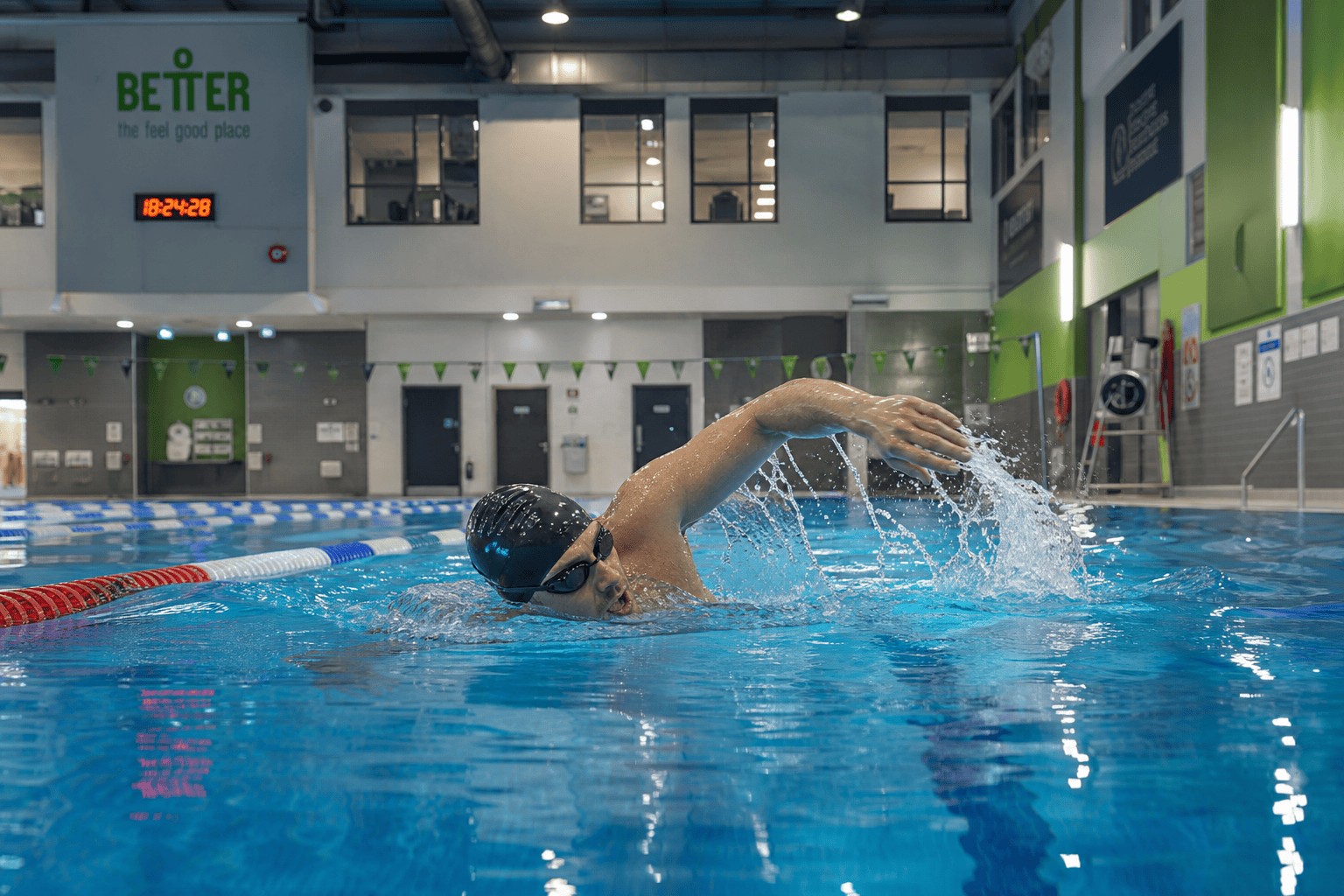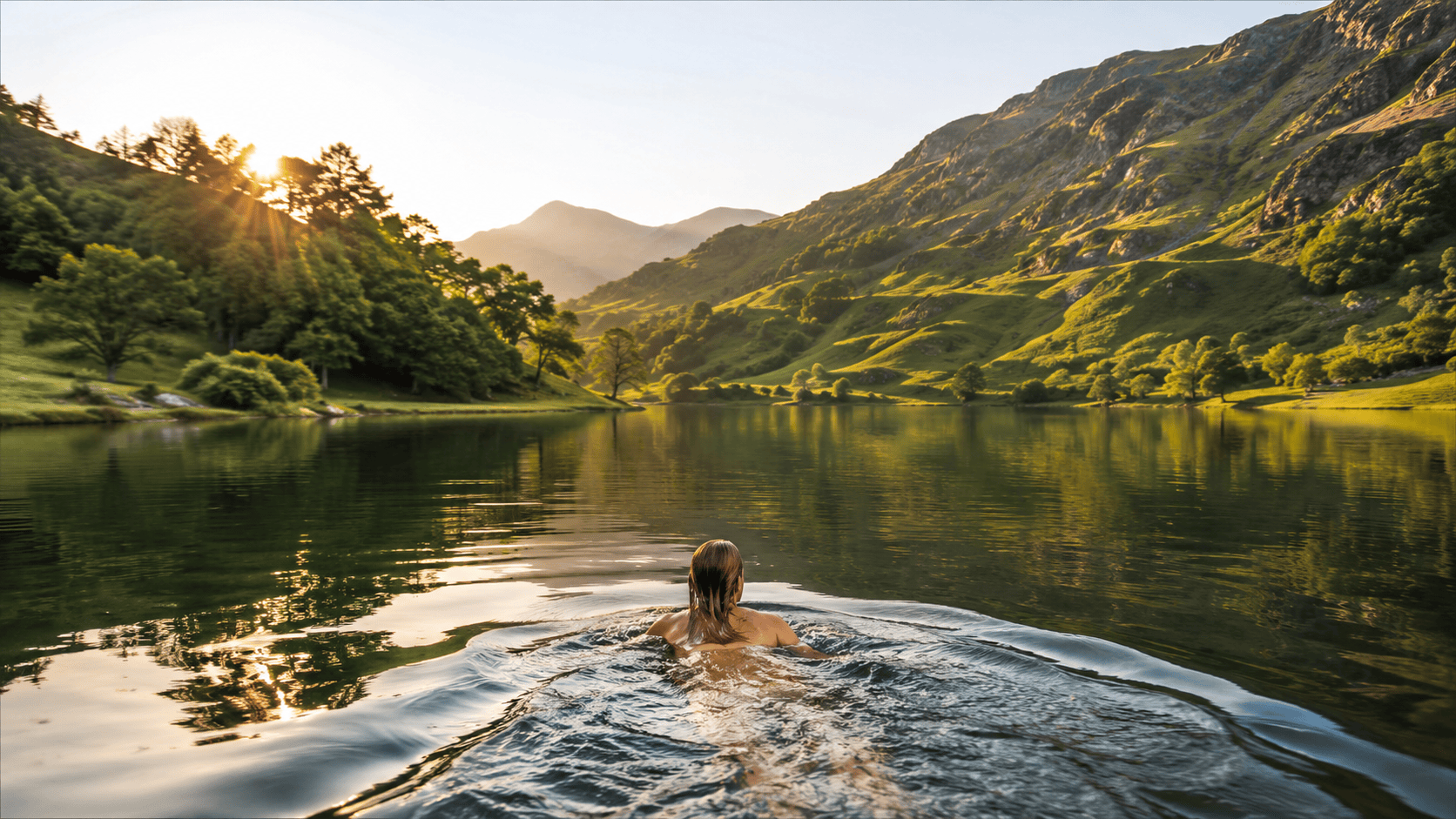
There’s a moment, just as you lower yourself into a cool British river or lake for the first time, when your body decides it absolutely does NOT want to be there. Your breathing quickens. Your skin prickles. Your brain fires off a rapid series of complaints. And then — if you hold your nerve — something extraordinary happens. Your body adapts, your breathing slows, and you feel more alive than you have in months.
Wild swimming — swimming in natural, unchlorinated bodies of water — has exploded in popularity across the UK. From the Lake District to the Cornish coast, the Scottish lochs to the chalk streams of Hampshire, more Britons are trading the chlorinated lane for open water than at any point in living memory. You don’t need to be a cold-water zealot or an endurance athlete to get started. You just need the right kit, a solid understanding of safety, and the courage to get your feet wet.
This guide covers everything you need to know before taking the plunge — what wild swimming actually is, why it’s worth the discomfort, how to stay safe, what to wear, and where to find the best spots across the UK.
What Is Wild Swimming (and How Is It Different from Pool Swimming)?
Wild swimming is any swimming that takes place in natural, outdoor water: lakes, rivers, reservoirs, the sea, and even waterfalls and quarry pools. It’s deliberately unstructured — no lane ropes, no chlorine, no turning at the wall. Just you, the water, and whatever the British weather decides to throw at you that morning.
The term is sometimes used interchangeably with “open water swimming,” though open water tends to refer to organised events in natural water — triathlons, charity swims, sporting competitions — while wild swimming usually means self-led dips out in the countryside or along the coast.
The practical differences from pool swimming are significant:
- Temperature: UK wild swimming water ranges from around 4°C in winter to 20°C in a warm August. Even in peak summer, most UK lakes sit at 14–18°C — considerably colder than the 28°C of your local leisure centre pool.
- Currents and hazards: Rivers can carry strong flows; tides complicate sea swimming; underwater obstacles exist where you can’t see them.
- No lifeguard: You are entirely responsible for your own safety. This isn’t scary — it’s just a fact that changes how you prepare.
- Mental challenge: Cold water shock is a real physiological response, not just discomfort. Understanding it before you get in is non-negotiable.
The Health Benefits: Why Wild Swimming Is Worth the Cold
Wild swimming’s popularity isn’t just cultural. According to Sport England’s Active Lives research, swimming remains one of the most participated-in physical activities in the UK — and the shift to outdoor, natural water has accelerated dramatically over recent years as people chase benefits that go beyond fitness.
The physical gains are substantial. A single open water session combines full-body cardiovascular effort with the extra metabolic demand of cold water acclimatisation — your body burns additional calories simply maintaining its core temperature. The low-impact nature of swimming means it’s suitable for people recovering from injury, managing joint pain, or returning to exercise after a long break.
The mental health case is even more compelling. Research has documented cases where regular cold water swimming significantly reduced symptoms of depression and anxiety. The combination of cold water, natural surroundings, and physical exertion produces a powerful cocktail of endorphins, adrenaline, and dopamine that many wild swimmers describe as more intense than any gym-based high. Even a 10-minute dip in a Derbyshire reservoir can reset stress levels in a way that an hour of indoor cardio rarely manages.
Regular cold water exposure is also linked to better sleep, potentially improved immune function, and enhanced cardiovascular conditioning. Wild swimmers frequently cite sleep quality as one of the biggest unexpected payoffs — the body’s post-swim recovery process seems to promote deeper, more restorative rest. And for anyone who already knows that [swimming for fitness](https://askgympal.co.uk/blog/swimming-for-fitness-uk/) is one of the most efficient full-body workouts available, the open water version simply turns the intensity dial up a notch.
Essential Safety: What Every Beginner Must Know Before Getting In
Wild swimming is genuinely safe when approached correctly — and genuinely dangerous when it isn’t. The Royal National Lifeboat Institution responds to thousands of UK water incidents every year, and the majority involve people who underestimated conditions or went in without preparation. These rules are non-negotiable:
Never swim alone as a beginner. Bring a friend, join an organised group (more on that below), or at minimum tell someone exactly where you’re going and when you’ll be back.
Cold water shock is the biggest killer. When you enter cold water quickly, your body gasps involuntarily — and if your face is underwater, that gasp can drown you within seconds. Always enter slowly: wade in up to your chest before submerging your face, giving your body several minutes to adapt. Never jump or dive into cold water you haven’t acclimatised to.
Know your exit before you enter. Survey the bank, shore or pool edge before you get in. Slippery rocks and steep banks are much harder to judge once you’re cold, breathless, and your hands have gone numb.
Check water quality before you go. Pollution in UK rivers and coastal waters is a serious concern. The Environment Agency’s Swimfo database rates water quality at designated bathing spots across England — check it before swimming anywhere new. Avoid spots near farm drainage outflows, sewage overflows, or immediately after heavy rainfall.
Carry a tow float. A brightly coloured inflatable tow float clips around your waist and keeps you visible to boats and other water users. It provides a rest aid and dramatically increases your visibility. They cost £15–25 and are non-negotiable once you swim regularly.
Know when to get out. Shivering in the water is your body’s warning sign. When serious, uncontrollable shivering starts, get out. Hypothermia is a risk even in August if you push past your body’s tolerance.
What to Wear: A Wild Swimming Kit Guide
You don’t need a great deal of expensive kit to start — but the wrong choices (or no kit at all) make an already cold experience genuinely miserable. Here’s what’s worth investing in from day one:
Wetsuit (recommended for most UK waters): A 3mm or 4mm full wetsuit won’t eliminate the cold — you’ll still feel it vividly — but it buys you significantly more time in the water before your body starts shutting down. Many outdoor activity centres near popular swimming spots offer wetsuit hire if you don’t want to buy before you know you’re committed.
Swim hat: A neoprene swimming hat or thick silicone cap is essential — you lose a disproportionate amount of body heat through your head. Many experienced wild swimmers double up with a standard latex cap underneath for extra insulation.
Open water goggles: Standard pool goggles often leak in choppy conditions or when diving. Open water-specific goggles have a wider sealing surface and UV tinting for bright outdoor conditions.
Changing robe: Possibly the most impactful UK wild swimming innovation of the last decade. A thick changing robe lets you strip off and dress in a car park, on a beach, or beside a reservoir without freezing in the process. They run £90–200, but virtually every regular wild swimmer in the country uses one. The post-swim warmth they provide is genuinely transformative.
Neoprene gloves and socks: Optional in summer, close to essential when the water drops below 12°C. Cold hands lose motor function quickly — neoprene gloves can extend a comfortable swim by 15–20 minutes in colder conditions.
Where to Wild Swim in the UK: The Best Areas to Explore
The UK is genuinely blessed with wild swimming opportunities. Here are some of the most celebrated areas, from beginner-friendly lakes to more adventurous coastal spots:
Lake District, Cumbria: Windermere, Ullswater, and Coniston Water are the most accessible entry points, but dozens of smaller tarns reward those willing to walk. The Lakes offer some of the finest freshwater swimming in Europe — clear water, relatively easy access points, and well-established swimming communities at nearly every main body of water.
Dartmoor, Devon: The River Dart has carved out a series of pools and gorges that attract swimmers from across the country. Spitchwick Common on the East Dart is one of England’s most popular wild swimming spots — accessible, well-signed, and stunning in warm weather.
Peak District, Derbyshire: Ladybower Reservoir and the River Derwent are the headline acts, though access can vary — always check landowner permissions carefully before getting in. The Monsal Trail area also has river pools worth exploring.
Scottish Lochs: Loch Lomond, Loch Morlich near Aviemore, and countless Highland lochs offer spectacular swims. Scottish water temperatures are unforgiving even in August, so a wetsuit here moves from optional to essential.
Cornwall and Devon coasts: Sea swimming along the South West Coast Path puts iconic coves and beaches within reach. Water quality is generally better in the far west, away from larger towns. The Fal Estuary and Helford River are particular favourites for those who prefer calmer water.
Thames Valley: The upper Thames around Wallingford, Abingdon, and Lechlade has a long wild swimming tradition. The region is also home to some excellent [outdoor lidos](https://askgympal.co.uk/blog/outdoor-lidos-uk-guide-open-air-pools/) if you want the open-air experience with the reassurance of lifeguards and a designated swimming area.
Joining a Wild Swimming Group: The Fastest Route to Confidence
The quickest route to confident, safe wild swimming is joining a local group. The UK has thousands of them — most are free to join and operate through Facebook, Meetup, or WhatsApp. Swim England affiliated open water clubs exist in most counties and run organised sessions with appropriate safety provision.
Experienced members carry the local knowledge that no guide can replicate: where the good entry points are, which sections of river to avoid after rain, where currents run strongest, and which spots are worth the trek. That accumulated knowledge is worth more than any kit purchase.
Wild swimming communities are also famously welcoming and social — one of the sport’s underrated draws. Groups typically meet year-round, including on grey January mornings when the water is at its coldest and the post-swim euphoria is at its most extreme. The shared misery (and shared triumph) creates a particular kind of friendship.
If you’re brand new to swimming altogether — rather than just new to open water — building your confidence in a pool first is absolutely the right move. [Adult swimming lessons](https://askgympal.co.uk/blog/adult-swimming-lessons-uk/) are far more widely available than most people assume, with most leisure centres running beginner courses for adults at around £50–80 for a six-session block. The technique and water confidence you gain transfers directly to open water.
Understanding Afterdrop: The Danger People Don’t Expect
Afterdrop catches beginners out regularly and is the most misunderstood phenomenon in cold water swimming. Here’s what happens: when you exit cold water, your core temperature continues to fall for up to 40 minutes after you’ve left the water, as cold blood from your extremities recirculates to your core. This is why you can feel fine immediately after a swim and then feel dramatically worse 20 minutes later — sometimes frighteningly so.
The practical implication is counterintuitive: warm up before you get dressed. Get into your changing robe, have a hot drink, and let your body temperature stabilise before you start dressing or driving. Never rush straight into a car and drive home immediately after a cold water swim — sit, warm up, and wait for the afterdrop to pass.
Eating something before your swim also matters more than most beginners realise. Your blood sugar affects how quickly your body can generate heat in recovery — going into cold water on an empty stomach slows your warming time and increases risk during the afterdrop phase.
Ready to Get Started? Find Swimming Venues Near You
Wild swimming spots require research, careful water quality checks, and good local knowledge. For organised, structured swimming — outdoor pools, lidos, leisure centre pools where you can build fitness and technique before heading outdoors — GymPal searches thousands of UK swimming venues, filterable by location and facility type, so you can find the right option wherever you are in the country.
Whether you’re looking for a pool to build your swimming base, an outdoor lido for the open-air experience with lifeguard cover, or an aquatics centre with coaching on offer, GymPal covers the full range of UK swimming facilities. Start there, build your confidence, and then take it outside.
The cold water is waiting. And it’s worth every second of the discomfort.

I am Adam Hall, a dedicated fitness professional with over ten years of experience in the UK’s fitness industry. I earned my Master’s degree in Sports Science from Loughborough University and have worked with several top fitness studios across the UK. My certifications include a Level 3 Personal Trainer Certificate and a specialised Strength and Conditioning Coach accreditation.
Starting my career as a personal trainer, I quickly moved up to manage multiple gym locations, overseeing their operations and training programs. Beyond managing gyms, I regularly contribute to well-known fitness magazines and have been featured in articles for “Health & Fitness” and “Men’s Health”. My passion also extends online where I run a popular blog on GymPal’s AI-powered directory platform detailing insights into choosing the right fitness venues across the UK. With hundreds of posts reaching thousands of readers monthly, my goal is to influence positive changes in how people approach health and exercise throughout the country.