Tag: Stretching

  • Rest and Recovery: The UK Gym-Goer’s Guide

    Rest and Recovery: The UK Gym-Goer’s Guide

    Ask most gym-goers what their training plan looks like and they can reel off sets, reps and session splits without pausing for breath. Ask the same person what their recovery plan looks like and you’ll usually get a shrug. Rest tends to be treated as the thing that happens by accident between workouts, rather than a part of the programme that actually makes the workouts work.

    That’s a shame, because the gains people chase — more strength, faster runs, a leaner physique, just feeling less wrecked by Thursday — are built during recovery, not during the session itself. Training breaks muscle fibres down; rest is when they repair and come back stronger. Skip that half of the equation and you’re left spinning your wheels, or worse, picking up an injury that puts you out of action for weeks.

    This guide breaks down what proper recovery actually looks like for UK gym-goers: how much rest you really need, what to do on an “off” day, what to eat and drink to speed the process along, and how to spot the warning signs that you’ve been pushing too hard for too long.

    Why Rest Days Aren’t Optional

    Every time you lift weights, run intervals, or push through a tough class, you create tiny amounts of damage in your muscle fibres. That’s not a bad thing — it’s the stimulus that triggers your body to rebuild the tissue slightly stronger than before. But that rebuilding process needs time, protein and, crucially, a break from further damage. Train the same muscle group hard again before it’s repaired and you’re not building on progress, you’re just adding fatigue on top of unfinished business.

    The NHS’s physical activity guidelines recommend spreading exercise across the week and pairing strengthening activity with lower-intensity days, precisely because the body needs that variation to adapt safely. Ignore it for long enough and you tip from productive training into overtraining, where performance actually declines, sleep suffers, and minor niggles turn into proper injuries. Two or three genuinely restful days a week isn’t a sign you’re not trying hard enough — it’s the mechanism that makes the other four or five days worth doing.

    This is why most well-designed programmes, whether it’s a strength block, a running plan, or a class timetable at your local leisure centre, build rest in deliberately rather than leaving it to chance. Coaches don’t programme rest days because they’re being cautious — they programme them because the data on injury rates and long-term progress backs it up. If you’re following a plan that has you training hard seven days a week with no variation, that’s usually a red flag rather than a badge of honour.

    Active Recovery vs Total Rest

    Not every rest day needs to mean doing absolutely nothing. Active recovery — gentle movement that gets blood flowing without adding real training stress — often leaves people feeling better than a day spent entirely on the sofa. A brisk walk, an easy bike ride, or a slow swim can loosen up stiff muscles and reduce the “DOMS” (delayed onset muscle soreness) that shows up 24 to 48 hours after a hard session.

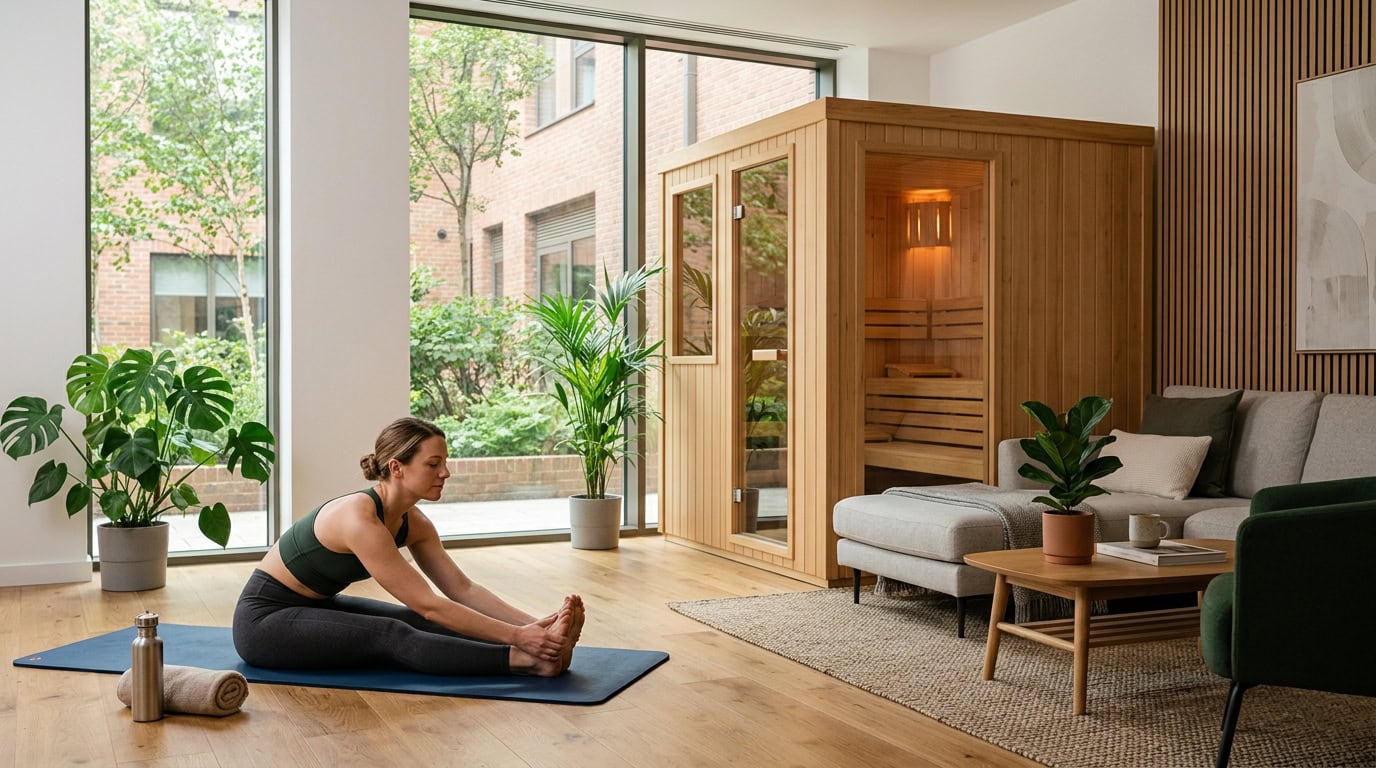
    Low-intensity, low-impact classes fit neatly into this category too. Something like yin yoga, which holds gentle stretches for several minutes at a time, is specifically designed to work connective tissue and calm the nervous system rather than build strength or raise your heart rate. Slotting a session like that into a recovery day gives you the mental reset of “doing something” without undoing the rest your muscles actually need. The key distinction to hold onto: active recovery should leave you feeling looser and more relaxed, not tired. If you finish it breathing hard, it wasn’t recovery — it was another workout.

    A free weekly Parkrun is another good example, provided you treat it as an easy jog rather than a personal best attempt every Saturday. The point of active recovery isn’t to squeeze in extra fitness by stealth — it’s to keep your body moving enough that it doesn’t stiffen up, while giving the systems that actually need repairing a genuine break.

    Nutrition and Hydration for Faster Recovery

    What you eat and drink after training matters almost as much as the training itself. Protein provides the building blocks your muscles need to repair, and spreading intake across the day — roughly 20 to 30 grams per meal — tends to work better than trying to cram it all into one post-workout shake. Carbohydrates matter too, particularly after longer or higher-intensity sessions, since they replenish the glycogen stores your muscles use for fuel.

    Hydration is the bit people skip most often, especially in a country where it doesn’t always feel hot enough to bother. Even mild dehydration slows recovery, increases perceived effort, and makes you more prone to cramping and headaches the day after a hard session. A decent habit is drinking a full glass of water as soon as you finish training, then continuing to sip through the rest of the day rather than trying to make up for it all in one go before bed.

    Sleep: The Recovery Tool Most People Skip

    You can nail your nutrition and schedule perfect rest days, but if you’re consistently getting six hours of broken sleep, you’re undermining most of that effort. Sleep is when the bulk of muscle repair and growth hormone release actually happens, and it’s also when your central nervous system recovers from the stress of hard training. Chronic under-sleeping shows up as flat strength numbers, slower reaction times, and a nagging sense that every session feels harder than it should.

    Most adults need somewhere between seven and nine hours, and the quality matters as much as the quantity. Consistent bed and wake times, cutting caffeine after early afternoon, and keeping your bedroom cool and dark all make a bigger difference than any recovery gadget on the market. If you train early mornings, this is doubly important — a 6am session on five hours’ sleep does far more harm than good, however committed it looks on paper.

    Using Your Gym’s Recovery Facilities Properly

    Plenty of UK gyms now come with saunas, steam rooms, pools and even cold plunge pools, but a lot of members either ignore them completely or use them without really knowing why. Heat therapy can help ease muscle tension and improve circulation after a heavy session, while steam rooms and saunas each offer slightly different benefits depending on whether you want dry heat or humidity. Cold water immersion, meanwhile, has a more mixed evidence base — it can reduce perceived soreness short-term, but using it immediately after strength training may blunt some of the adaptations you’re actually training for.

    If your current gym doesn’t have any of this kit, it’s worth checking what’s available locally before assuming you have to do without. Plenty of leisure centres and health clubs offer pool, sauna and steam access even to non-members for a day rate, so a recovery session doesn’t have to mean switching gyms. Even one recovery session a week, used properly, can take the edge off a demanding training block.

    Spotting the Signs You Need More Rest

    Overtraining rarely announces itself with one dramatic symptom — it creeps in gradually. Watch for persistent fatigue that a normal night’s sleep doesn’t fix, motivation that’s dropped off a cliff, resting heart rate that’s noticeably higher than usual, or getting sick more often than normal. If your lifts have stalled or gone backwards despite training consistently, that’s usually your body telling you it needs a break, not a sign to train harder to compensate. Persistent joint aches that don’t ease off after a couple of rest days, rather than the normal muscle soreness that fades within 48 hours, are also worth taking seriously — that’s usually your body’s way of asking for a longer break before a niggle turns into a proper injury that sidelines you for weeks.

    This is especially worth watching if your programme leans heavily on high-intensity work. HIIT classes are brilliant for fitness and time efficiency, but they’re also taxing on the nervous system in a way that steady-state cardio isn’t, so back-to-back HIIT sessions without adequate rest between them is one of the fastest routes to burnout. A good rule of thumb: no more than two or three genuinely high-intensity sessions a week, with proper rest or active recovery filling the gaps.

    Building Recovery Into Your Weekly Plan

    The simplest fix for most people is to stop treating recovery as an afterthought and actually schedule it, the same way you’d schedule a leg day or a spin class. Pick your two rest days in advance rather than waiting to see how you feel, alternate muscle groups so you’re not hammering the same joints and tissues session after session, and build at least one lower-intensity week into your training every month or so, especially if you’re working towards a specific event or goal.

    It’s also worth remembering that consistency beats intensity over the long run. Someone who trains four times a week for a year, with proper rest built in, will almost always end up fitter and stronger than someone who trains six times a week for two months before burning out or getting injured. Recovery isn’t the opposite of progress — it’s the part of the plan that makes progress possible at all.

    Getting this balance right often comes down to having the right environment to train in, whether that’s a gym with proper recovery facilities, a class timetable that lets you vary intensity through the week, or simply somewhere close enough to home that you’re not tempted to skip rest-day mobility work. If you’re not sure your current setup fits the bill, GymPal makes it easy to search gyms near you and compare what’s actually on offer before you commit.

  • Gym Owner Guide to Local SEO: How to Get Your Fitness Business Found on Google

    Gym Owner Guide to Local SEO: How to Get Your Fitness Business Found on Google

    Why Local SEO Matters for UK Gyms

    When someone in your area searches “gym near me” or “fitness classes in Manchester,” Google shows them a map pack with the top three local results. If your gym isn’t there, you’re invisible to people actively looking to join. Local SEO is how you change that — and most of it costs nothing but time.

  • Fill out every section: hours, address, phone, website, services
  • Add high-quality photos of your gym interior, exterior, and classes

2. Get Listed on Fitness Directories

Directory listings build what SEO professionals call “citations” — mentions of your gym name, address, and phone number across the web. The more consistent citations you have, the more Google trusts your business is real and relevant.

GymPal is a UK-focused fitness directory with over 10,000 businesses listed. Claiming your free listing takes minutes and gives you another citation, another place for potential members to find you, and a backlink to your website.

3. Encourage and Respond to Reviews

Reviews are one of the strongest local ranking factors. A gym with 45 Google reviews will outrank one with 3 reviews almost every time. Here’s how to build them:

  • Ask happy members to leave a Google review after their first month
  • Add a QR code at reception that links directly to your review page
  • Respond to every review — positive and negative — within 48 hours

4. Optimise Your Website for Local Keywords

Your website should clearly signal where you are and what you offer. Include your city, neighbourhood, and postcode naturally in page titles, headings, and body text.

Good examples:

  • Boxing Gym in Clapham, London
  • “Yoga Studio Near Birmingham City Centre”
  • “Personal Training in Edinburgh — First Session Free”

Each of your services can have its own page targeting a specific local keyword. A page about “crossfit-classes-bristol” will rank for people searching exactly that.

5. Make Sure Your Website Loads Fast and Works on Mobile

Over 60% of local searches happen on mobile phones. If your website takes more than a few seconds to load or the text is too small to read on a phone, potential members will bounce to a competitor. Google also uses mobile-friendliness as a ranking signal for local results.

Quick wins:

  • Compress your images (large photos slow everything down)
  • Use a mobile-responsive theme
  • Make your phone number and address clickable

The Quickest Win: Claim Your GymPal Listing

If you do one thing today, claim your free GymPal listing. It gives you a citation, a profile page with your gym details, and exposure to thousands of UK fitness seekers actively browsing for gyms in their area. The Pro plan at £9/month adds priority placement in GymPal’s AI chatbot — so when someone asks about gyms near them, your business comes first.

Key Takeaways

  • Claim and complete your Google Business Profile
  • Build citations on directories like GymPal
  • Collect and respond to Google reviews
  • Target local keywords on your website
  • Ensure your site is fast and mobile-friendly

Local SEO isn’t a one-time task — it’s an ongoing process. But even small improvements compound over time. Start with the basics, be consistent, and you’ll see more enquiries from people in your area who are ready to train.

  • How to Recover Faster After a Tough Gym Session: Tips That Actually Work

    How to Recover Faster After a Tough Gym Session: Tips That Actually Work

    You pushed hard. You left everything on the gym floor. Now your muscles are screaming, your legs feel like jelly, and you are wondering if you will even be able to get out of bed tomorrow. Sound familiar?

  • Increased injury risk
  • Stalled progress and plateaus
  • Fatigue and poor sleep
  • Motivation drop-offs
  • 1. Rehydrate Properly (Not Just Water)

    You lose a lot of fluid through sweat during an intense session. Plain water is a good start, but you also need to replace electrolytes — sodium, potassium, and magnesium — that help your muscles function properly.

    What to do:

    2. Eat for Recovery Within the Golden Window

    There is a lot of debate about the “anabolic window,” but the science is clear on one thing: eating protein and carbs after training helps your body recover faster than fasting.

    Aim for:

    A simple post-gym meal could be grilled chicken with rice and veg, or a protein shake blended with oats and a banana. You do not need expensive supplements — real food works brilliantly.

    3. Use Active Recovery Instead of Complete Rest

    Sitting on the sofa for two days after leg day is the worst thing you can do. Light movement increases blood flow, delivers nutrients to damaged muscles, and clears out waste products like lactic acid.

    Try these active recovery options:

    The key is keeping the intensity low. You should feel better afterwards, not more tired.

    4. Sleep: Your Most Powerful Recovery Tool

    Sleep is when your body releases growth hormone, repairs tissue, and consolidates the adaptations from your training. If your sleep is poor, your recovery will be poor — no matter how well you eat or stretch.

    Quick sleep tips:

    If you are training hard and sleeping less than 6 hours a night, you are working against yourself.

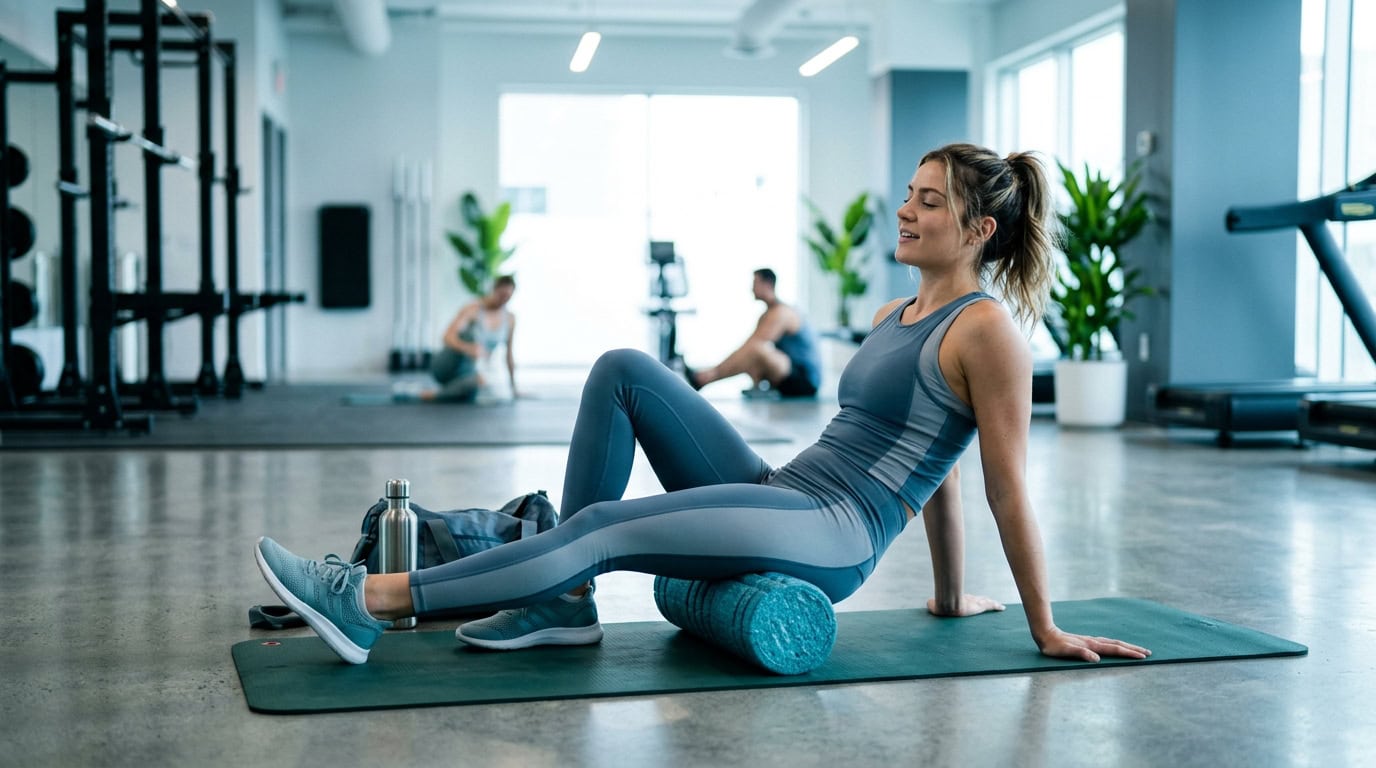
    5. Foam Rolling and Stretching

    Foam rolling (also called self-myofascial release) helps break up adhesions in your muscle tissue and improve range of motion. It can also reduce the severity of delayed onset muscle soreness (DOMS).

    How to do it effectively:

    Most UK gyms have foam rollers available. If yours does not, they are affordable online and one of the best recovery investments you can make.

    6. Cold Water Therapy and Contrast Showers

    Cold water immersion has become increasingly popular in the UK fitness scene, and for good reason. Cold exposure reduces inflammation, numbs pain, and can speed up perceived recovery.

    How to use it:

    Note: Avoid cold water immersion immediately after a strength session if your goal is muscle growth — some evidence suggests it may blunt hypertrophy signals. Save it for after cardio-heavy or endurance sessions.

    7. Manage Your Training Load

    One of the most overlooked recovery strategies is simply not overdoing it in the first place. Progressive overload works, but jumping from three sessions a week to six overnight is a recipe for burnout and injury.

    Smart training tips:

    Quick Recovery Checklist

    The Bottom Line

    Recovery is not passive — it is an active process that you can optimise with the right habits. Hydrate, eat well, sleep properly, move gently on rest days, and do not ignore your body when it tells you to ease off. The people who make the best progress are not the ones who train the hardest — they are the ones who recover the best.

    If you are looking for a gym that fits your training style and recovery needs, GymPal can help you find the right fit. With thousands of UK gyms listed, from 24-hour facilities to specialist recovery centres, it is the easiest way to discover what is available near you.

  • HIIT, Spin, Yoga or Weights? How to Pick the Right Gym Class for Your Goals

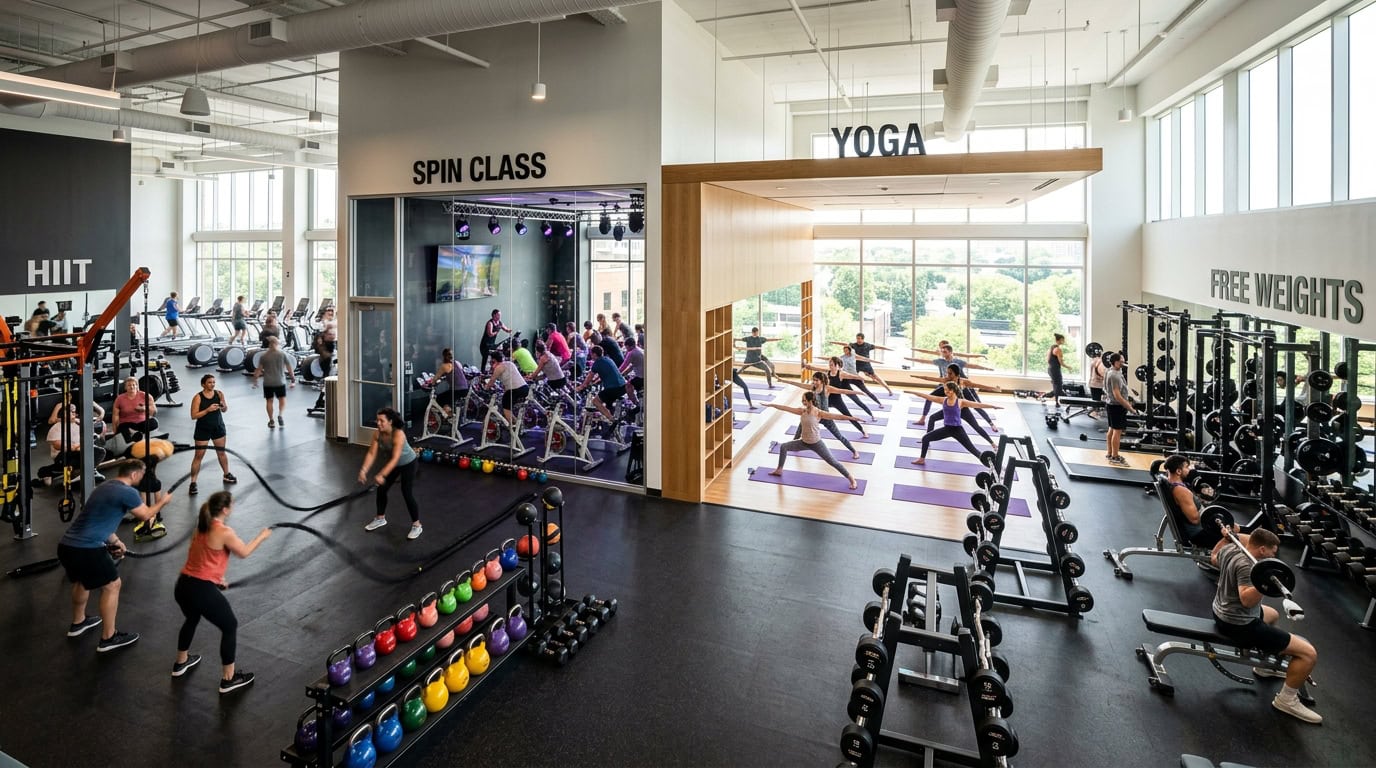
    HIIT, Spin, Yoga or Weights? How to Pick the Right Gym Class for Your Goals

    Walking into a gym for the first time is overwhelming enough. Walking in and seeing a timetable packed with acronyms — HIIT, LBT, CXWorx — can make you want to turn straight back round.

    Choosing the right gym class shouldn’t feel like sitting an exam. Whether you want to lose weight, build strength, reduce stress, or simply find a workout you actually enjoy, there’s a class for you. The trick is matching the class to your goals — not the other way round.

    In this guide, we’ll break down the most popular gym class types available in the UK, explain who each one is best suited to, and help you figure out where to start. We’ll also show you how to use GymPal to find gyms near you that offer the classes you want.

    Know Your Goals First

    Before picking a class, ask yourself what you actually want to achieve:

    • Fat loss and cardiovascular fitness — you want to get your heart rate up and burn calories
    • Strength and muscle tone — you want to build lean muscle and get stronger
    • Flexibility and recovery — you want to move better, reduce stiffness, or complement other training
    • Mental wellbeing and stress relief — you want exercise that calms your mind as much as your body
    • Social motivation — you want the energy of a group to keep you showing up

    Most people want a combination of these. The good news? Many classes tick several boxes at once.

    HIIT Classes — The Calorie Crusher

    What it is: High-Intensity Interval Training alternates between short bursts of all-out effort and brief recovery periods. A typical class lasts 30–45 minutes.

    Best for: Fat loss, cardiovascular fitness, time-pressed gym-goers.

    What to expect: Burpees, sprints, kettlebell swings, box jumps, and bodyweight exercises. You’ll be working at 80–95% of your maximum heart rate during the intense intervals.

    Who should think twice: Complete beginners with no exercise background might want to build a base fitness level first. If you have joint problems, check with the instructor about modifications.

    GymPal tip: Many UK gyms now offer HIIT classes under different names — Metafit, Tabata, Sprint, or simply “HIIT.” Use GymPal to search for gyms in your area and check their class timetables before you commit to a membership.

    Spin Classes — Low Impact, High Intensity

    What it is: Indoor cycling on stationary bikes, typically led by an instructor who controls the pace, resistance, and intervals. Classes range from 30 to 60 minutes.

    Best for: Cardiovascular fitness, lower-body endurance, calorie burning without joint stress.

    What to expect: You’ll adjust your bike’s resistance to simulate hills, sprints, and flat roads. Most classes are set to high-energy music. Some studios, like Les Mills RPM or Peloton-style classes, add structured programming.

    Who should think twice: If you have lower back issues or knee problems, make sure the bike is set up correctly — most instructors will help you with this before the class starts.

    Yoga Classes — Strength Meets Stillness

    What it is: A range of classes from gentle stretching (Hatha, Yin) to athletic, sweat-inducing flows (Vinyasa, Ashtanga, Power Yoga). According to NHS guide to yoga

    Best for: Flexibility, core strength, stress relief, recovery, and mental focus.

    What to expect: Depending on the style, you might hold poses for several minutes (Yin), flow dynamically between postures (Vinyasa), or work in a heated room (Hot Yoga/Bikram). Most classes end with a few minutes of guided relaxation.

    Who should think twice: If you’re looking for a pure calorie burn, yoga alone won’t match HIIT or spin. But as a complement to other training, it’s invaluable for injury prevention and mobility.

    Pilates — Core Strength and Posture

    What it is: A low-impact method focusing on core stability, posture, alignment, and controlled movement. Mat Pilates uses bodyweight; Reformer Pilates uses a sliding carriage with springs.

    Best for: Core strength, back pain relief, posture correction, postnatal recovery.

    What to expect: Small, precise movements that target deep stabilising muscles. It doesn’t look exhausting, but you’ll feel it the next day. Reformer classes tend to be more intense and are increasingly popular across UK gyms.

    Body Pump and Strength Classes — Build Lean Muscle

    What it is: Barbell-based group strength training (Les Mills BodyPump is the most common format). You work through a full-body routine set to music, using adjustable weights.

    Best for: Muscle tone, strength endurance, bone density, metabolic boost.

    What to expect: Squats, lunges, chest presses, dead rows, shoulder presses, and core work — all done with a barbell in a group setting. The instructor demonstrates each track and encourages you to choose your own weight.

    Who should think twice: If you want to build maximum strength or muscle size, you’ll eventually need to move to the free weights area. But BodyPump is an excellent starting point and a great way to learn proper form.

    Circuit Training — All-Round Fitness

    What it is: Rotating through a series of exercise stations with minimal rest. Each station targets a different muscle group or fitness component.

    Best for: Total-body conditioning, fat loss, variety, all fitness levels.

    What to expect: You might do 30–60 seconds at each station — press-ups, lunges, battle ropes, box steps, rowing machine — then move to the next. Classes are usually 45 minutes and scale to different ability levels.

    Dance Fitness — Fun That Doesn’t Feel Like Exercise

    What it is: Zumba, Dance Fit, Clubbercise, and similar classes that combine dance routines with cardio exercise.

    Best for: Cardiovascular fitness, coordination, mood boosting, anyone who finds traditional gym workouts boring.

    What to expect: Follow-along dance routines set to upbeat music. No dance experience required — it’s about moving, not performing. You’ll burn anywhere from 300–600 calories per session.

    Boxing and Combat Classes — Stress-Busting Conditioning

    What it is: Group fitness classes based on boxing techniques — pads, bags, and bodyweight drills. Think Boxercise, Boxx, or gym-specific boxing fitness classes.

    Best for: Cardiovascular fitness, upper-body conditioning, stress relief, coordination.

    What to expect: A mix of punching combinations, pad work, footwork drills, and bodyweight exercises. Most classes don’t involve any contact — you’ll work on bags or with a partner holding pads.

    How to Choose the Right Class for You

    Here’s a quick reference to help you decide:

    Your Goal Best Classes to Start With
    Lose weight / burn fat HIIT, Spin, Circuit Training
    Build strength / tone up BodyPump, Circuit Training, Pilates
    Improve flexibility / reduce pain Yoga, Pilates
    Reduce stress / mental health Yoga, Boxing, Dance Fitness
    Get started as a beginner Circuit Training, Spin, Dance Fitness
    Train with an injury Spin (low impact), Pilates, Yoga (with modifications)

    Mixing Classes for Balanced Fitness

    The best approach for most people is a combination:

    • 2–3 cardio-focused classes per week (HIIT, spin, or boxing)
    • 1–2 strength classes (BodyPump, circuit training)
    • 1 flexibility/recovery session (yoga or Pilates)

    This balance gives you the cardiovascular benefits of aerobic training, the metabolic boost of strength work, and the injury prevention that comes from regular mobility practice.

    Finding the Right Gym for Your Class Schedule

    Not every gym offers every class — and class timetables vary enormously. Before you sign up for a membership, check that the gym actually runs the classes you want at times you can attend.

    GymPal makes this easy. You can search for gyms in your area, filter by the facilities and classes they offer, and compare timetables side by side. Whether you’re looking for a gym with a dedicated spin studio, one that offers Reformer Pilates, or simply a place with a packed HIIT timetable, GymPal helps you find the right fit without the guesswork.

    Final Tips for Your First Class

    • Arrive 10 minutes early — introduce yourself to the instructor and let them know you’re new
    • Don’t go all-out on day one — pace yourself and learn the format first
    • Wear comfortable, breathable clothing and proper trainers (flat soles for weights, cushioned for HIIT)
    • Bring a water bottle — most classes will have water fountains but you’ll want your own supply
    • Don’t compare yourself to anyone — everyone in that room was a beginner once

    The best gym class is the one you’ll actually go to. Start with whatever sounds fun, give it a few sessions to get comfortable, and don’t be afraid to try something new. Your perfect workout is out there — and GymPal can help you find it.

  • Stretching for Beginners: The Only Stretches You Need Before and After the Gym

    Stretching for Beginners: The Only Stretches You Need Before and After the Gym

    Stretching Is the Most Skipped Part of Working Out

    Walk into any commercial gym and you will see the same pattern: people rush in, spend 30 seconds doing a half-hearted arm swing, jump straight into their workout, and leave as soon as they finish their last set. No warm-up. No cool-down. No stretching.

  • Improved blood flow: Stretching increases circulation to your muscles, delivering oxygen and nutrients
  • Better posture: Regular stretching of tight muscles (chest, hip flexors, shoulders) counteracts the effects of sitting at a desk all day
  • Before Your Workout: Dynamic Stretches (5 Minutes)

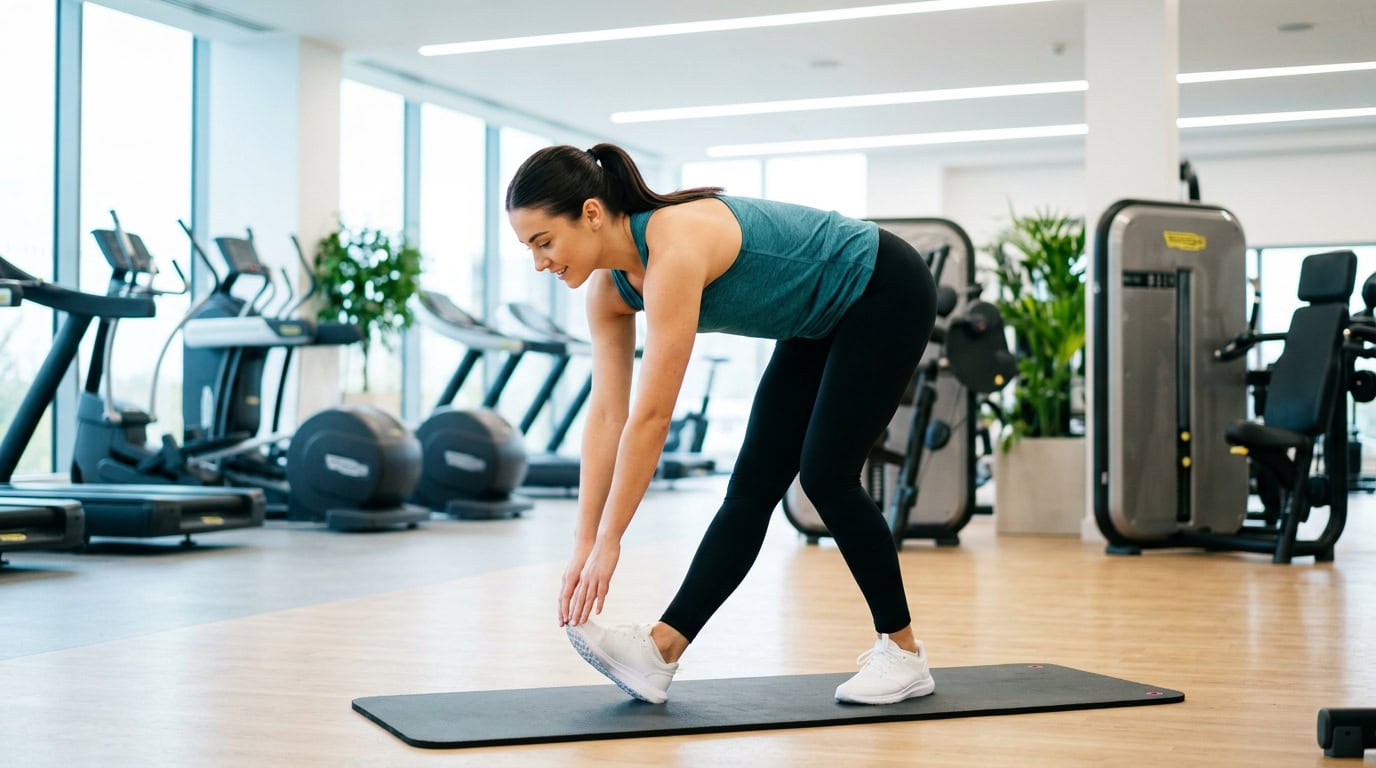
    Before training, you should do dynamic stretches — movements that take your joints through their full range of motion while increasing blood flow. Static stretching (holding a stretch in place) before training can actually reduce power output. Save that for afterwards.

    1. Arm Circles (30 seconds)

    Stand tall and make large forward circles with both arms for 15 seconds, then reverse direction for 15 seconds. Loosens the shoulder joints and warms up the rotator cuff muscles.

    2. Leg Swings (30 seconds each leg)

    Hold onto a wall or rack for balance. Swing one leg forward and backward in a controlled motion, gradually increasing the range. Switch legs. Warms up the hip flexors, glutes, and hamstrings.

    3. Hip Circles (30 seconds)

    Stand with feet shoulder-width apart. Place your hands on your hips and make large circles with your hips, 15 seconds clockwise and 15 seconds anti-clockwise. Mobilises the hip joints, which are involved in almost every lower body exercise.

    4. Bodyweight Squats (10 reps)

    Perform 10 slow, controlled bodyweight squats, going as deep as your mobility allows. This activates your quads, glutes, and hips while warming up the pattern you will use under load.

    5. Inchworms (5 reps)

    Stand tall, bend forward and touch your toes (or shins), walk your hands out to a plank position, hold for a moment, then walk your feet to your hands and stand up. Stretches the hamstrings, calves, and shoulders while activating the core.

    6. Torso Twists (30 seconds)

    Stand with arms extended to the sides. Rotate your torso left and right in a controlled motion. Mobilises the thoracic spine, which is important for overhead movements and squats.

    After Your Workout: Static Stretches (5-10 Minutes)

    After training, your muscles are warm and pliable — the ideal time for static stretching. Hold each stretch for 20-30 seconds, breathing deeply. Never bounce or force a stretch beyond mild discomfort.

    1. Chest Stretch (20-30 seconds each side)

    Stand in a doorway and place your forearm against the door frame with your elbow at shoulder height. Gently lean forward until you feel a stretch across your chest. This counteracts the hunched posture from desk work and pressing movements.

    2. Lat Stretch (20-30 seconds each side)

    Kneel in front of a bench or place your hands on a wall. Reach forward with both arms and let your chest drop toward the floor. You should feel a stretch along the sides of your back. Important for anyone doing pull-ups, rows, or lat pulldowns.

    3. Standing Quad Stretch (20-30 seconds each leg)

    Stand on one leg (hold a wall for balance). Grab your other ankle behind you and pull your heel towards your glutes. Keep your knees close together and push your hips slightly forward. Targets the quadriceps and hip flexors.

    4. Seated Hamstring Stretch (20-30 seconds each leg)

    Sit on the floor with one leg extended and the other foot against your inner thigh. Reach towards your toes of the extended leg until you feel a stretch in the back of your thigh. Keep your back straight. Targets the hamstrings.

    5. Figure-Four Glute Stretch (20-30 seconds each side)

    Lie on your back with knees bent. Place one ankle on the opposite knee, then pull the bottom knee towards your chest. You should feel a deep stretch in your glute. Essential for anyone who squats, deadlifts, or sits for long periods.

    6. Shoulder Cross-Body Stretch (20-30 seconds each side)

    Bring one arm across your body and use your other hand to gently pull it closer to your chest. Keep the stretched arm straight. Targets the rear deltoid and upper back.

    7. Calf Stretch (20-30 seconds each side)

    Stand facing a wall with one foot forward. Press your heel into the floor and lean towards the wall until you feel a stretch in your calf. Keep the back leg straight. Targets the gastrocnemius (calf muscle).

    8. Cat-Cow (10 slow reps)

    Start on your hands and knees. Alternate between arching your back (cow) and rounding it (cat) in a slow, controlled motion. Mobilises the entire spine and releases tension in the lower back after heavy lifting.

    Common Stretching Mistakes

    When to Stretch on Rest Days

    Dedicated stretching or mobility sessions on rest days can accelerate your progress. Consider:

    Many UK gyms now offer dedicated mobility or yoga classes as part of their membership. If yours does, it is worth trying. If you are looking for a gym with recovery and mobility facilities, GymPal lets you filter by class types and amenities.

    The Bottom Line

    Stretching is not glamorous, but it is one of the most impactful habits you can build as a beginner. Five minutes of dynamic stretching before training prepares your body for the work ahead. Five to ten minutes of static stretching afterwards aids recovery and improves long-term mobility.

    The routines above cover every major muscle group and take less than 15 minutes total. That is a small investment for significantly better performance, fewer injuries, and a body that moves better both inside and outside the gym.


    Need a gym with the space and facilities to stretch properly? Search GymPal to find UK gyms with dedicated stretching areas, yoga classes, mobility zones, and recovery facilities. Compare options and claim a free trial.

  • The Complete Beginner’s Guide to Stretching and Mobility

    The Complete Beginner’s Guide to Stretching and Mobility

    Why Stretching and Mobility Deserve More Than Five Minutes

    Walk into any UK gym and you’ll see the same pattern: people rush through a quick quad stretch, maybe touch their toes once, then load up a barbell. Meanwhile, the physiotherapists and sports therapists are busier than ever. There’s a direct connection. According to Sport England Active Lives survey

    Stretching and mobility work aren’t glamorous. They won’t get you a personal best on your deadlift or make for an impressive Instagram story. But they might be the single most important thing you can do to train consistently, stay injury-free, and actually enjoy going to the gym.

    Whether you’re a complete beginner or someone who’s been training for years but never quite got around to a proper mobility routine, this guide will walk you through everything you need to know. According to NHS physical activity guidelines

    Stretching vs Mobility: What’s the Difference?

    People often use these terms interchangeably, but they’re not the same thing:

    • Stretching is about lengthening muscles. Think of reaching for your toes or pulling your heel to your glute. It targets the muscle tissue itself.
    • Mobility is about how well a joint moves through its full range of motion. It involves muscles, tendons, ligaments, and the joint capsule working together. Think of hip circles, shoulder dislocates with a band, or deep squat holds.

    You need both. Stretching a muscle that’s tight might help temporarily, but if the underlying joint has limited range of motion, that tightness will keep coming back. A good routine includes elements of both.

    Why It Matters for Gym-Goers

    Injury Prevention

    Research published in the British Journal of Sports Medicine consistently shows that regular stretching and mobility work reduce the risk of muscle strains and joint injuries. If you’ve ever pulled a hamstring doing deadlifts or felt your shoulder pinch during an overhead press, limited mobility was likely a contributing factor.

    Better Performance

    A joint that moves through its full range produces more force. If your hips are tight, your squat depth suffers. If your thoracic spine is stiff, your overhead pressing power is limited. Mobility work isn’t supplementary — it’s foundational to getting stronger.

    Faster Recovery

    Targeted stretching after training helps reduce muscle soreness and promotes blood flow to worked areas. It’s not a magic cure for DOMS, but it genuinely helps you feel less like a robot the morning after leg day. See also: Gym Design and Fit-Out: How to Create a Space That Members L. See also: Women-Only Gyms in the UK: Why They Are Growing in Popularit.

    Long-Term Joint Health

    The “use it or lose it” principle applies to joint range of motion. As we age — and as we spend more time sitting at desks — our joints naturally stiffen. Regular mobility work counteracts this and keeps you moving well into your 40s, 50s, and beyond.

    Before Your Workout: Dynamic Warm-Up (5-10 Minutes)

    Static stretching (holding a stretch for 30+ seconds) before exercise has been shown to temporarily reduce power output. Instead, use dynamic movements that take your joints through their full range while increasing blood flow:

    Lower Body Focus

    • Leg swings: 10 per side, forward and back, then side to side. Hold onto a wall for balance.
    • Walking lunges with a twist: 8-10 steps, rotating your torso toward your front leg. Opens hips and thoracic spine simultaneously.
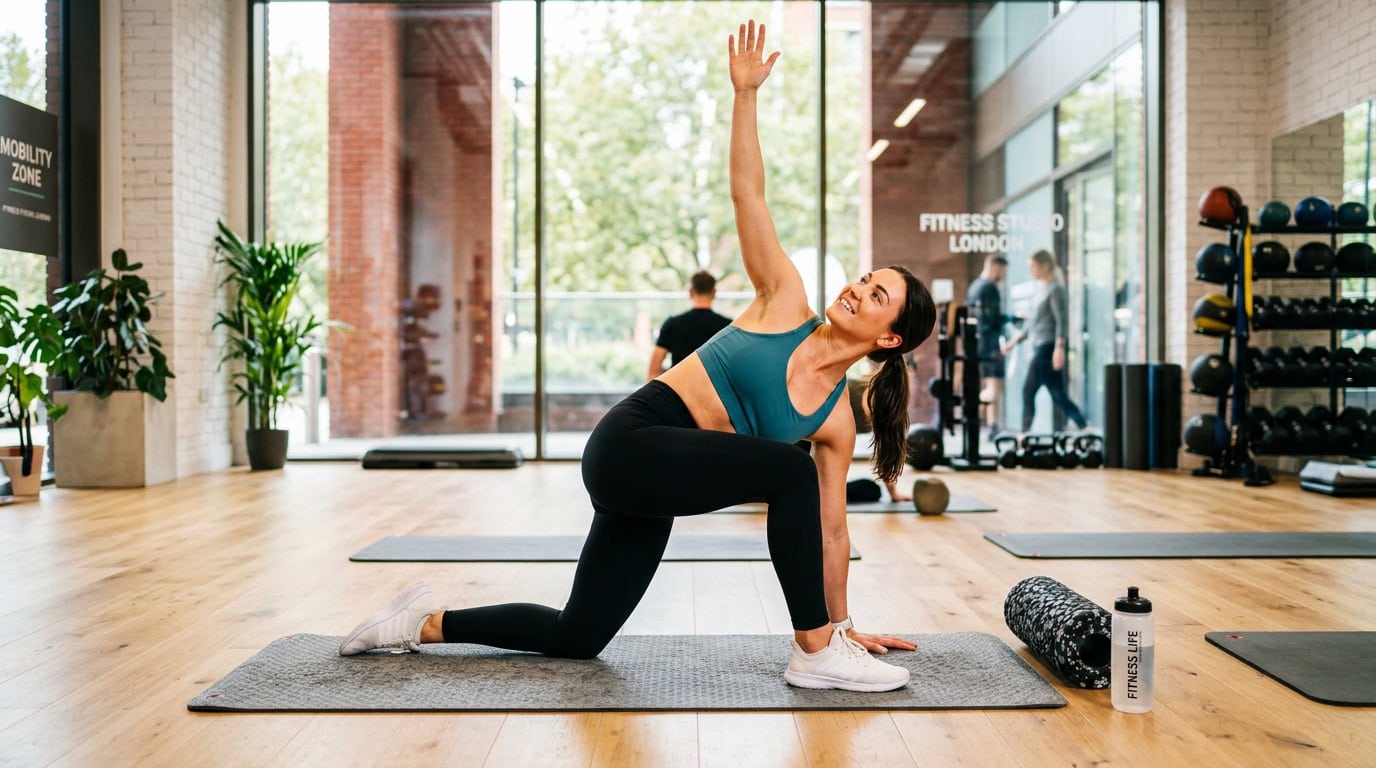
    • World’s greatest stretch: 5 per side. Lunge forward, place your elbow on the ground, rotate your arm to the sky. A full-body opener in one movement.
    • Bodyweight squats: 10 reps, focusing on depth and pushing knees out. If your heels lift, place a small plate under them.
    • Ankle circles: 10 per direction per ankle. Often overlooked but critical for squat depth.

    Upper Body Focus

    • Arm circles: 15 forward, 15 backward. Gradually increase the size.
    • Band pull-aparts: 15 reps with a light resistance band. Great for posture and shoulder health.
    • Cat-cow stretches: 10 reps on all fours. Mobilises the entire spine.
    • Thread the needle: 8 per side. From all fours, reach one arm under your body and rotate your torso. Excellent for thoracic rotation.

    After Your Workout: Static Stretching Routine (10-15 Minutes)

    Post-workout is when static stretching shines. Your muscles are warm, making them more receptive to lengthening. Hold each stretch for 30-60 seconds, breathing deeply:

    Essential Stretches for Gym-Goers

    • Standing hamstring stretch: Place one foot on a bench, hinge at the hips with a flat back. Feel the stretch in the back of your thigh, not your lower back.
    • Pigeon stretch: From all fours, bring one knee forward to the same-side wrist and extend the other leg back. Opens the hip flexors and glutes — essential for anyone who sits at a desk.
    • Wall pec stretch: Place your forearm on a wall at 90 degrees and turn your body away. Targets the chest and anterior shoulder, counteracting the hunched posture from desk work and bench pressing.
    • Couch stretch: Kneel with one knee on the floor against a wall, other foot forward in a lunge position. The single best stretch for hip flexors. Hold for 60 seconds — it’s uncomfortable, but that means it’s working.
    • Lat stretch: Grab a bar or doorframe with one hand, lean back and let your shoulder drop. Opens the lats and side of your torso.
    • Figure-four glute stretch: Lie on your back, cross one ankle over the opposite knee, and pull the bottom leg toward you. Targets the glutes and piriformis.

    Mobility Work You Can Do at Home

    You don’t need to be at the gym to improve your mobility. Here’s a simple 15-minute routine you can do in your living room, ideally on rest days or in the evening:

    1. Deep squat hold: 60 seconds. Use a doorframe for balance if needed. Push your knees out and keep your chest up.
    2. 90/90 hip switches: 10 switches. Sit with both knees bent at 90 degrees, then switch sides by lifting your legs and rotating.
    3. Thoracic spine foam rolling: 2 minutes. Lie on a foam roller across your mid-back, support your head, and extend over the roller.
    4. Shoulder dislocates: 15 reps with a broomstick or resistance band. Hold it wide, slowly bring it from in front of your body to behind and back.
    5. Ankle dorsiflexion stretch: 60 seconds per side. Kneel with one foot flat against a wall, knee touching the wall, and lean forward.

    Common Mistakes to Avoid

    • Bouncing during stretches: This triggers the stretch reflex, which actually makes the muscle tighter. Hold still and breathe.
    • Stretching cold muscles: Always do some light movement (even a brisk walk) before static stretching.
    • Ignoring pain: Stretching should feel like mild discomfort, not pain. Sharp or shooting pain means you’re going too far or there’s an existing issue that needs attention.
    • Only stretching the muscles you trained: If you sit at a desk all day, your hip flexors, chest, and hamstrings are probably tight regardless of what you trained. Address your posture-related tightness every session.
    • Doing it once and giving up: Like strength training, mobility requires consistency. Five minutes daily is far better than 30 minutes once a week.

    How Long Until You Notice a Difference?

    Most people notice improved range of motion within 2-3 weeks of consistent daily stretching. Significant mobility improvements typically take 4-8 weeks. The key word is consistent. Ten minutes every day will get you further than an hour once a fortnight.

    Find a Gym That Supports Your Goals

    The best gym for you is one that fits your lifestyle, goals, and location. Whether you’re looking for a facility with dedicated stretching zones, recovery equipment, or classes that incorporate mobility work, you can find it on GymPal. Browse thousands of UK gyms, read real reviews, and compare facilities to find the right fit for your training journey.