Tag: Post-Workout

  • Rest and Recovery: The UK Gym-Goer’s Guide

    Rest and Recovery: The UK Gym-Goer’s Guide

    Ask most gym-goers what their training plan looks like and they can reel off sets, reps and session splits without pausing for breath. Ask the same person what their recovery plan looks like and you’ll usually get a shrug. Rest tends to be treated as the thing that happens by accident between workouts, rather than a part of the programme that actually makes the workouts work.

    That’s a shame, because the gains people chase — more strength, faster runs, a leaner physique, just feeling less wrecked by Thursday — are built during recovery, not during the session itself. Training breaks muscle fibres down; rest is when they repair and come back stronger. Skip that half of the equation and you’re left spinning your wheels, or worse, picking up an injury that puts you out of action for weeks.

    This guide breaks down what proper recovery actually looks like for UK gym-goers: how much rest you really need, what to do on an “off” day, what to eat and drink to speed the process along, and how to spot the warning signs that you’ve been pushing too hard for too long.

    Why Rest Days Aren’t Optional

    Every time you lift weights, run intervals, or push through a tough class, you create tiny amounts of damage in your muscle fibres. That’s not a bad thing — it’s the stimulus that triggers your body to rebuild the tissue slightly stronger than before. But that rebuilding process needs time, protein and, crucially, a break from further damage. Train the same muscle group hard again before it’s repaired and you’re not building on progress, you’re just adding fatigue on top of unfinished business.

    The NHS’s physical activity guidelines recommend spreading exercise across the week and pairing strengthening activity with lower-intensity days, precisely because the body needs that variation to adapt safely. Ignore it for long enough and you tip from productive training into overtraining, where performance actually declines, sleep suffers, and minor niggles turn into proper injuries. Two or three genuinely restful days a week isn’t a sign you’re not trying hard enough — it’s the mechanism that makes the other four or five days worth doing.

    This is why most well-designed programmes, whether it’s a strength block, a running plan, or a class timetable at your local leisure centre, build rest in deliberately rather than leaving it to chance. Coaches don’t programme rest days because they’re being cautious — they programme them because the data on injury rates and long-term progress backs it up. If you’re following a plan that has you training hard seven days a week with no variation, that’s usually a red flag rather than a badge of honour.

    Active Recovery vs Total Rest

    Not every rest day needs to mean doing absolutely nothing. Active recovery — gentle movement that gets blood flowing without adding real training stress — often leaves people feeling better than a day spent entirely on the sofa. A brisk walk, an easy bike ride, or a slow swim can loosen up stiff muscles and reduce the “DOMS” (delayed onset muscle soreness) that shows up 24 to 48 hours after a hard session.

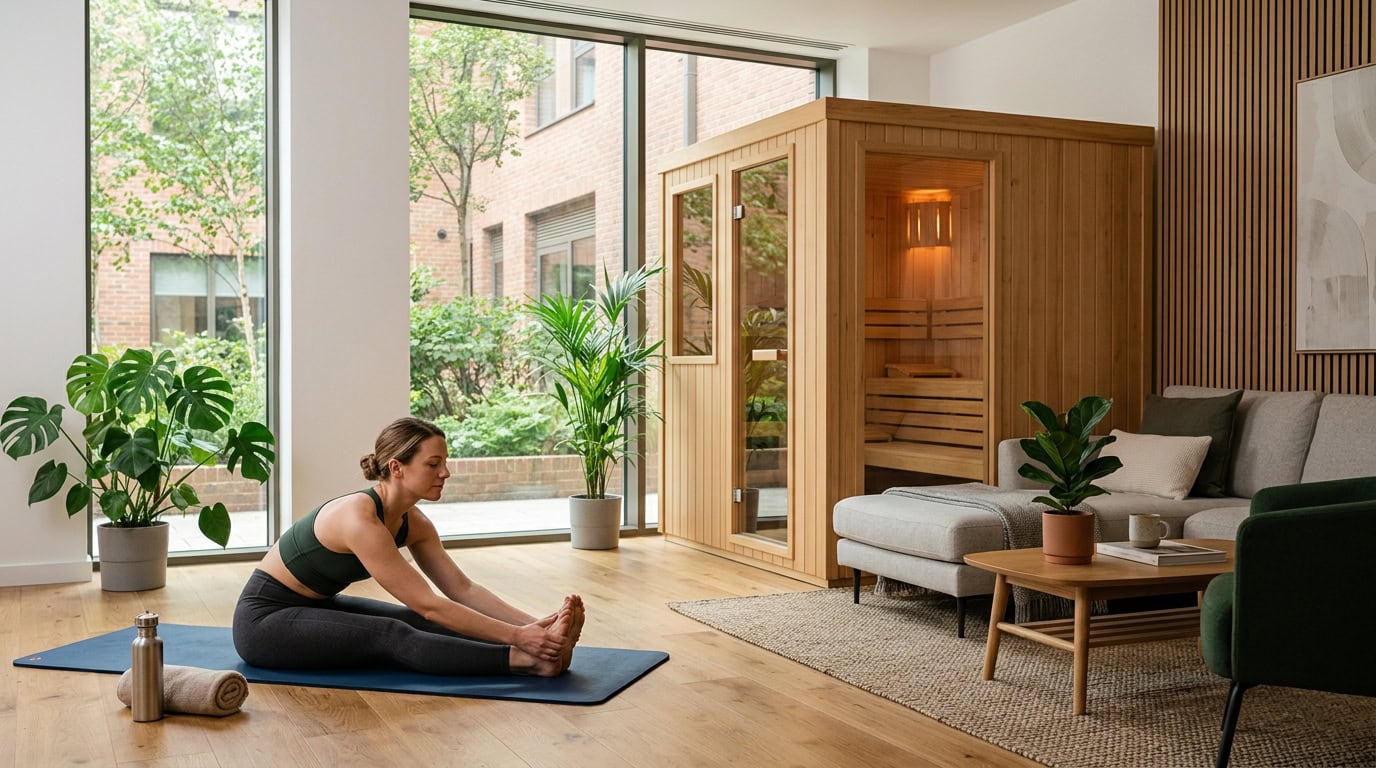
    Low-intensity, low-impact classes fit neatly into this category too. Something like yin yoga, which holds gentle stretches for several minutes at a time, is specifically designed to work connective tissue and calm the nervous system rather than build strength or raise your heart rate. Slotting a session like that into a recovery day gives you the mental reset of “doing something” without undoing the rest your muscles actually need. The key distinction to hold onto: active recovery should leave you feeling looser and more relaxed, not tired. If you finish it breathing hard, it wasn’t recovery — it was another workout.

    A free weekly Parkrun is another good example, provided you treat it as an easy jog rather than a personal best attempt every Saturday. The point of active recovery isn’t to squeeze in extra fitness by stealth — it’s to keep your body moving enough that it doesn’t stiffen up, while giving the systems that actually need repairing a genuine break.

    Nutrition and Hydration for Faster Recovery

    What you eat and drink after training matters almost as much as the training itself. Protein provides the building blocks your muscles need to repair, and spreading intake across the day — roughly 20 to 30 grams per meal — tends to work better than trying to cram it all into one post-workout shake. Carbohydrates matter too, particularly after longer or higher-intensity sessions, since they replenish the glycogen stores your muscles use for fuel.

    Hydration is the bit people skip most often, especially in a country where it doesn’t always feel hot enough to bother. Even mild dehydration slows recovery, increases perceived effort, and makes you more prone to cramping and headaches the day after a hard session. A decent habit is drinking a full glass of water as soon as you finish training, then continuing to sip through the rest of the day rather than trying to make up for it all in one go before bed.

    Sleep: The Recovery Tool Most People Skip

    You can nail your nutrition and schedule perfect rest days, but if you’re consistently getting six hours of broken sleep, you’re undermining most of that effort. Sleep is when the bulk of muscle repair and growth hormone release actually happens, and it’s also when your central nervous system recovers from the stress of hard training. Chronic under-sleeping shows up as flat strength numbers, slower reaction times, and a nagging sense that every session feels harder than it should.

    Most adults need somewhere between seven and nine hours, and the quality matters as much as the quantity. Consistent bed and wake times, cutting caffeine after early afternoon, and keeping your bedroom cool and dark all make a bigger difference than any recovery gadget on the market. If you train early mornings, this is doubly important — a 6am session on five hours’ sleep does far more harm than good, however committed it looks on paper.

    Using Your Gym’s Recovery Facilities Properly

    Plenty of UK gyms now come with saunas, steam rooms, pools and even cold plunge pools, but a lot of members either ignore them completely or use them without really knowing why. Heat therapy can help ease muscle tension and improve circulation after a heavy session, while steam rooms and saunas each offer slightly different benefits depending on whether you want dry heat or humidity. Cold water immersion, meanwhile, has a more mixed evidence base — it can reduce perceived soreness short-term, but using it immediately after strength training may blunt some of the adaptations you’re actually training for.

    If your current gym doesn’t have any of this kit, it’s worth checking what’s available locally before assuming you have to do without. Plenty of leisure centres and health clubs offer pool, sauna and steam access even to non-members for a day rate, so a recovery session doesn’t have to mean switching gyms. Even one recovery session a week, used properly, can take the edge off a demanding training block.

    Spotting the Signs You Need More Rest

    Overtraining rarely announces itself with one dramatic symptom — it creeps in gradually. Watch for persistent fatigue that a normal night’s sleep doesn’t fix, motivation that’s dropped off a cliff, resting heart rate that’s noticeably higher than usual, or getting sick more often than normal. If your lifts have stalled or gone backwards despite training consistently, that’s usually your body telling you it needs a break, not a sign to train harder to compensate. Persistent joint aches that don’t ease off after a couple of rest days, rather than the normal muscle soreness that fades within 48 hours, are also worth taking seriously — that’s usually your body’s way of asking for a longer break before a niggle turns into a proper injury that sidelines you for weeks.

    This is especially worth watching if your programme leans heavily on high-intensity work. HIIT classes are brilliant for fitness and time efficiency, but they’re also taxing on the nervous system in a way that steady-state cardio isn’t, so back-to-back HIIT sessions without adequate rest between them is one of the fastest routes to burnout. A good rule of thumb: no more than two or three genuinely high-intensity sessions a week, with proper rest or active recovery filling the gaps.

    Building Recovery Into Your Weekly Plan

    The simplest fix for most people is to stop treating recovery as an afterthought and actually schedule it, the same way you’d schedule a leg day or a spin class. Pick your two rest days in advance rather than waiting to see how you feel, alternate muscle groups so you’re not hammering the same joints and tissues session after session, and build at least one lower-intensity week into your training every month or so, especially if you’re working towards a specific event or goal.

    It’s also worth remembering that consistency beats intensity over the long run. Someone who trains four times a week for a year, with proper rest built in, will almost always end up fitter and stronger than someone who trains six times a week for two months before burning out or getting injured. Recovery isn’t the opposite of progress — it’s the part of the plan that makes progress possible at all.

    Getting this balance right often comes down to having the right environment to train in, whether that’s a gym with proper recovery facilities, a class timetable that lets you vary intensity through the week, or simply somewhere close enough to home that you’re not tempted to skip rest-day mobility work. If you’re not sure your current setup fits the bill, GymPal makes it easy to search gyms near you and compare what’s actually on offer before you commit.

  • Cold Water Therapy UK: Why Ice Baths Are Worth the Freeze

    Cold Water Therapy UK: Why Ice Baths Are Worth the Freeze

    The post-gym routine used to be straightforward: stretch, shower, grab a protein shake. Now, if you visit a well-equipped UK gym or leisure spa, you might notice something different — a queue of perfectly sane people voluntarily lowering themselves into what looks like a chest freezer filled with icy water. Welcome to cold water therapy, one of the biggest fitness recovery trends to hit Britain in years.

    Whether it’s a polished plunge pool at a premium health club, a repurposed wheelie bin behind a CrossFit box, or a lake in November, cold water immersion is no longer the preserve of elite athletes or hardcore open water swimmers. Everyday gym-goers across the UK are using it to speed up recovery, boost mood, and add a genuinely bracing edge to their fitness routine.

    But does it actually work? And how do you get started safely? Let’s get into it.

    What Is Cold Water Therapy?

    Cold water therapy — also called cold water immersion (CWI) or cold hydrotherapy — is the deliberate exposure of the body to cold water for health and recovery benefits. Temperatures typically range from 10°C to 15°C for beginners, dropping as low as 5°C to 8°C for more experienced practitioners.

    There are several forms it can take:

    • Ice baths: a container of cold water (usually 10–15°C) you sit in for 5–15 minutes after training
    • Cold plunge pools: permanent installations at gyms, spas, and leisure centres — typically deeper, better maintained, and temperature-controlled
    • Cold showers: the entry-level version, and better than nothing
    • Wild or open water swimming: rivers, lakes, and sea in the UK, which rarely exceed 15°C even in summer

    All of them create the same core physiological response. When cold water hits your skin, your body constricts blood vessels near the surface and redirects circulation to your vital organs. When you warm back up, those vessels dilate — effectively giving your cardiovascular system a meaningful workout without a single squat.

    The Science Behind the Freeze

    Cold water therapy has been used for centuries — Hippocrates prescribed cold baths, Victorian hydrotherapy was a booming industry, and elite sports coaches have been dunking athletes in ice baths for decades. What’s changed is that the science is finally catching up with the intuition.

    Several well-documented effects make the practice compelling for gym-goers:

    Reduced muscle soreness. Cold immersion causes vasoconstriction, which limits inflammation in worked muscles. Research shows a meaningful reduction in delayed onset muscle soreness (DOMS) when cold immersion is used within 30–60 minutes of intense exercise — particularly useful if you train on consecutive days.

    Improved mood and mental resilience. Cold water triggers a significant release of noradrenaline, dopamine, and endorphins. The result is a sharp, clear-headed alertness that many practitioners describe as better than espresso. Regular cold water exposure has also been linked to reduced anxiety and improved ability to manage stress — a meaningful bonus for anyone using training as a pressure valve.

    Faster perceived recovery. Whether the benefit is purely physiological or partly psychological is still debated in the research. But if you feel better and train harder the next day, the outcome is the same. High-volume athletes — those doing five or more sessions a week — tend to see the most pronounced benefit.

    Potential metabolic effects. Cold exposure activates brown adipose tissue (brown fat), which generates heat by burning energy. The effect is real but modest — cold therapy is not a weight-loss strategy on its own, but it does complement an active training programme.

    One nuance worth knowing: cold water therapy may blunt some long-term muscle hypertrophy adaptations if done immediately after strength training. If your primary goal is maximum muscle gain, consider saving the ice bath for rest days or waiting a few hours after your session rather than jumping straight in post-lift.

    Cold Water Therapy at UK Gyms and Spas

    You don’t need to order a plunge pool kit from Amazon or fill your back garden with bags of ice. Many UK gyms and wellness venues already have cold water infrastructure — you just need to know where to look.

    Health clubs with wet-side facilities are your best starting point. Larger chains — David Lloyd, Bannatyne, and Virgin Active — typically include cold plunge pools alongside saunas and steam rooms as part of their spa suite. These are usually maintained at a consistent 10–12°C and are far more reliable than DIY alternatives.

    Specialist recovery studios are growing rapidly across UK cities. Dedicated contrast-therapy venues (alternating between hot sauna and cold plunge) have opened in London, Manchester, Edinburgh, Leeds, Bristol, and Birmingham. Sessions typically run from £20–£45 and are built around structured protocols. It’s an excellent environment for first-timers — the staff know what they’re doing and the facilities are purpose-built for safe, repeatable sessions.

    CrossFit boxes and functional fitness gyms often have cold water setups available after class. The high-intensity nature of CrossFit training makes it one of the best use cases for structured recovery — a well-equipped CrossFit box in the UK will frequently include ice tubs, mobility tools, and foam rollers as part of the post-class offering.

    For a broader picture of what UK gym-spas offer — from hydrotherapy pools to sauna suites — the range of gym spa facilities across the UK varies enormously by price point and region, and knowing what’s available helps you choose the right venue for how you train and recover.

    Use GymPal’s UK gym and spa directory to find venues near you — filter by location, facility type, and budget to discover gyms with cold plunge pools, sauna suites, and dedicated recovery areas across the country.

    Ice Baths vs Cold Showers vs Plunge Pools: What’s the Difference?

    Cold showers are where most people start — and they shouldn’t be dismissed. Ending your normal shower with 30–90 seconds of cold water activates many of the same physiological pathways in a manageable, daily format. It’s less powerful than full immersion but far more sustainable as a daily habit, especially if you’re new to the practice.

    DIY ice baths give you full-body immersion with more control over temperature. The classic approach involves a wheelie bin, a bag of ice from a petrol station, and about seven minutes of teeth-gritting commitment. Temperature is harder to regulate and the experience is more raw — which, for many practitioners, is part of the appeal.

    Cold plunge pools at gyms and spas maintain consistent temperatures, are hygienically filtered, and allow you to build your protocol safely over time. They’re usually paired with a sauna or steam room, enabling contrast therapy (alternating heat and cold) — which many practitioners find more effective than cold immersion alone.

    Open water swimming takes things furthest. The UK has thousands of outdoor swimming spots — from supervised lidos and lake venues (Hampstead Heath Ponds in London, Salford Quays in Greater Manchester, Windermere in the Lake District) to wild locations across Devon, Snowdonia, and the Scottish Highlands. The combination of cold exposure with the full-body demands of swimming as a fitness discipline makes it one of the most complete workouts available — as demanding mentally as it is physically.

    How to Start Cold Water Therapy Safely

    Cold water therapy is very safe for healthy adults when approached progressively. That said, a few sensible rules apply.

    Go gradually. Don’t start at 8°C on day one. Begin with cooler showers (around 18–20°C) and work your way down over several weeks. Your body adapts — and that adaptation process is itself part of the benefit.

    Keep sessions short at first. One to three minutes is more than sufficient when starting out. You don’t need to sit in an ice bath for 20 minutes — 5–10 minutes at the right temperature is the established sweet spot for most recovery applications. Longer is not always better.

    Never swim alone in open water. If you’re heading to wild swimming spots, always go with at least one other person. The RNLI’s guidance is clear that cold water shock can cause involuntary gasping and cardiac stress within seconds of entering cold water — even in fit, healthy adults. Swim at supervised venues wherever possible, especially if you’re new to open water.

    Check with your GP if you have heart or circulatory conditions. Cold water immersion raises blood pressure acutely and places real demand on your cardiovascular system. People with hypertension, heart disease, Raynaud’s syndrome, or other circulatory conditions should get medical clearance before starting.

    Warm up slowly afterwards. Resist the urge to jump straight into a hot shower — let your body re-warm naturally for a few minutes first. Dry clothes, a warm drink, and five quiet minutes are all you need.

    Who Benefits Most from Cold Water Therapy?

    The short answer: anyone who trains regularly and wants to recover faster. But some groups see the clearest gains:

    High-frequency trainers — those doing five or more sessions a week, or training involving heavy compound lifts, long runs, or back-to-back high-intensity classes — benefit most from the accelerated recovery. When rest time is compressed, anything that reduces DOMS and restores readiness the next day has real training value.

    Endurance athletes — runners, cyclists, triathletes — often find cold immersion helps them sustain training blocks without accumulating excessive fatigue. It’s especially useful during high-mileage or high-volume training phases, where recovery is the limiting factor.

    People managing stress and mental load. The mood-lifting, anxiety-reducing effects of regular cold exposure are increasingly recognised. The spike in noradrenaline and dopamine after a plunge produces a clarity and calm that most practitioners describe as genuinely distinctive — not just a placebo. It’s not a replacement for professional mental health support, but as part of an active lifestyle it offers real, daily value.

    Anyone who wants to build mental toughness. This is harder to quantify but widely reported. Choosing to step into cold water every morning — when everything in you is saying don’t — builds a form of discipline that transfers to training and to life in a way that little else does.

    Find Cold Water Therapy Near You

    Cold water therapy is most effective as a consistent routine, not an occasional novelty. That means finding a venue that makes it easy — a gym or spa with a plunge pool that’s on your route, at a price that works, and open at the times you actually train.

    Browse GymPal’s UK spa and wellness gym listings to find venues near you with cold plunge pools, sauna suites, and contrast therapy facilities — covering hundreds of UK towns and cities, from Aberdeen to Plymouth.

    Cold, clear, and genuinely life-changing once it becomes a habit. Give it three weeks of consistent practice and you’ll understand exactly why half the gym is now queuing for the plunge pool.

  • Post-Workout Recovery: What to Do in the 24 Hours After a Gym Session

    Post-Workout Recovery: What to Do in the 24 Hours After a Gym Session

    You’ve finished your workout. Well done. But what you do in the next 24 hours is just as important as what you did in the gym. Recovery is where your body actually builds strength, repairs tissue, and adapts to the stress you just put it through.

    Cool Down Properly

    Don’t just stop. Spend 5-10 minutes at low intensity — walk on the treadmill, cycle gently, or row at an easy pace. This gradually reduces your heart rate and helps clear metabolic waste from your muscles.

    Stretch What You Worked

    Target the muscle groups you just trained with 30-60 second static stretches. Focus on major areas: hamstrings, quads, hip flexors, chest, and shoulders. This improves flexibility and may reduce next-day soreness.

    Rehydrate

    You’ve lost fluid through sweat. Drink 500-750ml of water in the first 30 minutes after training. If it was a particularly intense or long session (60+ minutes), consider an electrolyte drink to replace sodium and potassium.

    First Hour (30-60 Minutes)

    Eat Protein and Carbs

    The “anabolic window” isn’t as narrow as once thought, but eating within an hour of training is still optimal. Aim for 20-40g protein plus some carbohydrates. Practical options:

    • Chicken breast with rice and vegetables
    • Protein shake with a banana
    • Greek yoghurt with berries and granola
    • Eggs on toast
    • Tinned tuna with pasta

    The protein supports muscle repair. The carbohydrates replenish glycogen stores so you have energy for your next session.

    Hours 1-6

    Keep Moving

    Don’t sit at a desk for the rest of the day. Light movement — a short walk, gentle housework, taking the stairs — keeps blood flowing to your muscles and aids recovery. A 10-15 minute walk makes a real difference. See also: UK Bootcamp Fitness Classes: Your Complete Guide. See also: How to Offer Nutrition Coaching at Your Gym Without Hiring a.

    Stay Hydrated

    Continue drinking water throughout the day. A good target: 2-3 litres total per day, more if you trained hard or it’s warm.

    Hours 6-12: Sleep

    Sleep is the single most important factor in recovery. During deep sleep, your body releases growth hormone, repairs muscle tissue, and consolidates motor learning (important if you’re learning new exercises).

    • Aim for 7-9 hours
    • Keep the room cool (16-19 degrees)
    • Avoid screens for 30-60 minutes before bed
    • Avoid caffeine after 2 PM if you trained in the evening

    Hours 12-24: The Next Day

    Active Recovery

    A rest day doesn’t mean doing nothing. Light activity — a 20-30 minute walk, gentle swimming, yoga, or an easy cycle — promotes blood flow and reduces muscle soreness. Intensity should be 3-4 out of 10.

    Foam Rolling

    5-10 minutes of foam rolling on sore areas can reduce DOMS (delayed onset muscle soreness) and improve range of motion. Focus on the muscles you trained yesterday.

    Eat Well Again

    Your muscles are still repairing the day after training. Continue eating protein with every meal and aim for a balanced diet rich in vegetables, whole grains, and healthy fats.

    When You’re Still Sore After 48 Hours

    DOMS typically peaks 24-48 hours after exercise and fades by 72 hours. If you’re still significantly sore after 3 days, you may have overtrained. Next session, reduce volume or intensity by 20-30%.

    Find gyms with recovery facilities (sauna, steam room, pool) on GymPal. And for gym owners — make sure your GymPal listing mentions recovery facilities. Members increasingly look for these when choosing a gym.

  • HIIT, Spin, Yoga or Weights? How to Pick the Right Gym Class for Your Goals

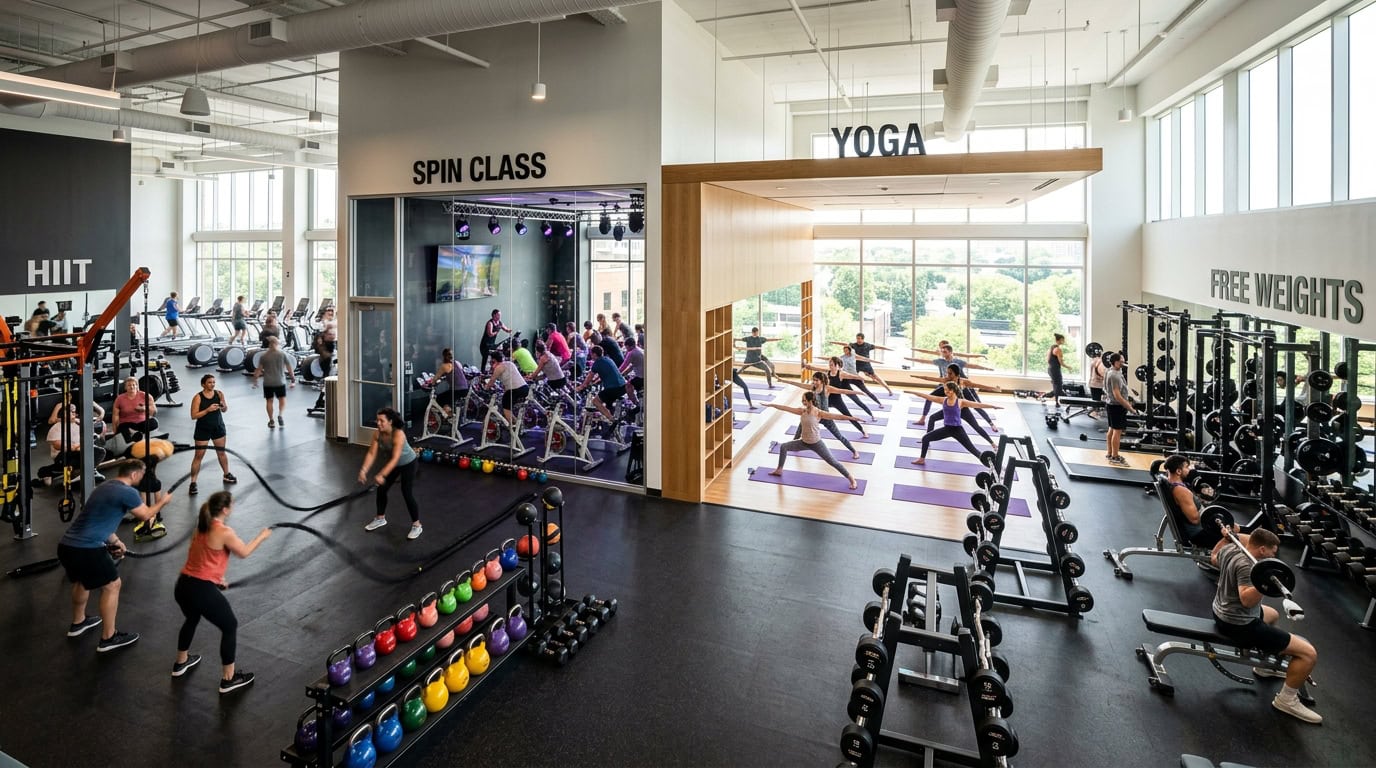
    HIIT, Spin, Yoga or Weights? How to Pick the Right Gym Class for Your Goals

    Walking into a gym for the first time is overwhelming enough. Walking in and seeing a timetable packed with acronyms — HIIT, LBT, CXWorx — can make you want to turn straight back round.

    Choosing the right gym class shouldn’t feel like sitting an exam. Whether you want to lose weight, build strength, reduce stress, or simply find a workout you actually enjoy, there’s a class for you. The trick is matching the class to your goals — not the other way round.

    In this guide, we’ll break down the most popular gym class types available in the UK, explain who each one is best suited to, and help you figure out where to start. We’ll also show you how to use GymPal to find gyms near you that offer the classes you want.

    Know Your Goals First

    Before picking a class, ask yourself what you actually want to achieve:

    • Fat loss and cardiovascular fitness — you want to get your heart rate up and burn calories
    • Strength and muscle tone — you want to build lean muscle and get stronger
    • Flexibility and recovery — you want to move better, reduce stiffness, or complement other training
    • Mental wellbeing and stress relief — you want exercise that calms your mind as much as your body
    • Social motivation — you want the energy of a group to keep you showing up

    Most people want a combination of these. The good news? Many classes tick several boxes at once.

    HIIT Classes — The Calorie Crusher

    What it is: High-Intensity Interval Training alternates between short bursts of all-out effort and brief recovery periods. A typical class lasts 30–45 minutes.

    Best for: Fat loss, cardiovascular fitness, time-pressed gym-goers.

    What to expect: Burpees, sprints, kettlebell swings, box jumps, and bodyweight exercises. You’ll be working at 80–95% of your maximum heart rate during the intense intervals.

    Who should think twice: Complete beginners with no exercise background might want to build a base fitness level first. If you have joint problems, check with the instructor about modifications.

    GymPal tip: Many UK gyms now offer HIIT classes under different names — Metafit, Tabata, Sprint, or simply “HIIT.” Use GymPal to search for gyms in your area and check their class timetables before you commit to a membership.

    Spin Classes — Low Impact, High Intensity

    What it is: Indoor cycling on stationary bikes, typically led by an instructor who controls the pace, resistance, and intervals. Classes range from 30 to 60 minutes.

    Best for: Cardiovascular fitness, lower-body endurance, calorie burning without joint stress.

    What to expect: You’ll adjust your bike’s resistance to simulate hills, sprints, and flat roads. Most classes are set to high-energy music. Some studios, like Les Mills RPM or Peloton-style classes, add structured programming.

    Who should think twice: If you have lower back issues or knee problems, make sure the bike is set up correctly — most instructors will help you with this before the class starts.

    Yoga Classes — Strength Meets Stillness

    What it is: A range of classes from gentle stretching (Hatha, Yin) to athletic, sweat-inducing flows (Vinyasa, Ashtanga, Power Yoga). According to NHS guide to yoga

    Best for: Flexibility, core strength, stress relief, recovery, and mental focus.

    What to expect: Depending on the style, you might hold poses for several minutes (Yin), flow dynamically between postures (Vinyasa), or work in a heated room (Hot Yoga/Bikram). Most classes end with a few minutes of guided relaxation.

    Who should think twice: If you’re looking for a pure calorie burn, yoga alone won’t match HIIT or spin. But as a complement to other training, it’s invaluable for injury prevention and mobility.

    Pilates — Core Strength and Posture

    What it is: A low-impact method focusing on core stability, posture, alignment, and controlled movement. Mat Pilates uses bodyweight; Reformer Pilates uses a sliding carriage with springs.

    Best for: Core strength, back pain relief, posture correction, postnatal recovery.

    What to expect: Small, precise movements that target deep stabilising muscles. It doesn’t look exhausting, but you’ll feel it the next day. Reformer classes tend to be more intense and are increasingly popular across UK gyms.

    Body Pump and Strength Classes — Build Lean Muscle

    What it is: Barbell-based group strength training (Les Mills BodyPump is the most common format). You work through a full-body routine set to music, using adjustable weights.

    Best for: Muscle tone, strength endurance, bone density, metabolic boost.

    What to expect: Squats, lunges, chest presses, dead rows, shoulder presses, and core work — all done with a barbell in a group setting. The instructor demonstrates each track and encourages you to choose your own weight.

    Who should think twice: If you want to build maximum strength or muscle size, you’ll eventually need to move to the free weights area. But BodyPump is an excellent starting point and a great way to learn proper form.

    Circuit Training — All-Round Fitness

    What it is: Rotating through a series of exercise stations with minimal rest. Each station targets a different muscle group or fitness component.

    Best for: Total-body conditioning, fat loss, variety, all fitness levels.

    What to expect: You might do 30–60 seconds at each station — press-ups, lunges, battle ropes, box steps, rowing machine — then move to the next. Classes are usually 45 minutes and scale to different ability levels.

    Dance Fitness — Fun That Doesn’t Feel Like Exercise

    What it is: Zumba, Dance Fit, Clubbercise, and similar classes that combine dance routines with cardio exercise.

    Best for: Cardiovascular fitness, coordination, mood boosting, anyone who finds traditional gym workouts boring.

    What to expect: Follow-along dance routines set to upbeat music. No dance experience required — it’s about moving, not performing. You’ll burn anywhere from 300–600 calories per session.

    Boxing and Combat Classes — Stress-Busting Conditioning

    What it is: Group fitness classes based on boxing techniques — pads, bags, and bodyweight drills. Think Boxercise, Boxx, or gym-specific boxing fitness classes.

    Best for: Cardiovascular fitness, upper-body conditioning, stress relief, coordination.

    What to expect: A mix of punching combinations, pad work, footwork drills, and bodyweight exercises. Most classes don’t involve any contact — you’ll work on bags or with a partner holding pads.

    How to Choose the Right Class for You

    Here’s a quick reference to help you decide:

    Your Goal Best Classes to Start With
    Lose weight / burn fat HIIT, Spin, Circuit Training
    Build strength / tone up BodyPump, Circuit Training, Pilates
    Improve flexibility / reduce pain Yoga, Pilates
    Reduce stress / mental health Yoga, Boxing, Dance Fitness
    Get started as a beginner Circuit Training, Spin, Dance Fitness
    Train with an injury Spin (low impact), Pilates, Yoga (with modifications)

    Mixing Classes for Balanced Fitness

    The best approach for most people is a combination:

    • 2–3 cardio-focused classes per week (HIIT, spin, or boxing)
    • 1–2 strength classes (BodyPump, circuit training)
    • 1 flexibility/recovery session (yoga or Pilates)

    This balance gives you the cardiovascular benefits of aerobic training, the metabolic boost of strength work, and the injury prevention that comes from regular mobility practice.

    Finding the Right Gym for Your Class Schedule

    Not every gym offers every class — and class timetables vary enormously. Before you sign up for a membership, check that the gym actually runs the classes you want at times you can attend.

    GymPal makes this easy. You can search for gyms in your area, filter by the facilities and classes they offer, and compare timetables side by side. Whether you’re looking for a gym with a dedicated spin studio, one that offers Reformer Pilates, or simply a place with a packed HIIT timetable, GymPal helps you find the right fit without the guesswork.

    Final Tips for Your First Class

    • Arrive 10 minutes early — introduce yourself to the instructor and let them know you’re new
    • Don’t go all-out on day one — pace yourself and learn the format first
    • Wear comfortable, breathable clothing and proper trainers (flat soles for weights, cushioned for HIIT)
    • Bring a water bottle — most classes will have water fountains but you’ll want your own supply
    • Don’t compare yourself to anyone — everyone in that room was a beginner once

    The best gym class is the one you’ll actually go to. Start with whatever sounds fun, give it a few sessions to get comfortable, and don’t be afraid to try something new. Your perfect workout is out there — and GymPal can help you find it.

  • The 5 Best Supplements for Beginners (And Which Ones You Actually Need)

    The 5 Best Supplements for Beginners (And Which Ones You Actually Need)

    Most Beginners Spend Too Much on Supplements

    Walk into any supplement shop or browse online, and you will be hit with an overwhelming wall of products promising bigger muscles, faster recovery, and better performance. Pre-workouts, BCAAs, fat burners, testosterone boosters, greens powders — the list is endless, and the marketing is aggressive.

    The truth is that most supplements make a marginal difference at best, and many are completely unnecessary — especially for beginners who have not yet dialled in their training and nutrition. The supplement industry in the UK is worth over £800 million per year, and a significant portion of that is spent on products that provide little to no benefit., sufficient calories, and a balanced diet?

  • Sleep: Are you getting 7-9 hours per night?
  • Supplements sit at the top of this pyramid. They enhance results — they do not create them. If your foundation is weak, supplements will not save you.

    1. Whey Protein: The Essential Staple

    What It Is

    A powdered form of protein derived from milk during the cheese-making process. One scoop typically provides 20-25g of protein.

    Why It Works

    Whey protein is not magic — it is simply a convenient way to hit your daily protein target. It digests quickly (making it ideal post-workout), is affordable, and tastes good. The muscle-building benefits come from the protein itself, not from whey being inherently superior to food sources. A chicken breast provides the same amino acids.

    Do You Need It?

    No, not strictly. You can get all the protein you need from food. But at £25-35 for 2.5kg (roughly 80-90 servings), whey is one of the cheapest protein sources per gram in the UK. It is a convenience purchase, not a necessity.

    How to Use It

    • 1 scoop (20-25g) post-workout mixed with water or milk
    • Can also be used at any time of day to boost protein intake
    • Look for whey protein isolate if you are lactose-sensitive

    Where to Buy

    MyProtein, Bulk, The Protein Works, and GN all offer good quality whey at competitive UK prices. Wait for discount codes — they run 30-50% off sales regularly.

    2. Creatine Monohydrate: The Most Researched Supplement

    What It Is

    A naturally occurring compound found in small amounts in red meat and fish. As a supplement, it is typically sold as a flavourless powder.

    Why It Works

    Creatine monohydrate is the most extensively researched sports supplement in history, with over 500 peer-reviewed studies. It works by increasing your muscles’ phosphocreatine stores, which improves performance in short, high-intensity activities (weight training, sprinting). The benefits include:

    • Increased strength and power output (5-15% improvement)
    • Increased lean muscle mass over time
    • Improved exercise capacity during repeated bouts
    • May have cognitive benefits, particularly under sleep deprivation

    Do You Need It?

    It is the one supplement that is genuinely worth considering for anyone training consistently. The evidence is overwhelming, the cost is negligible, and the side effect profile is excellent.

    How to Use It

    • 3-5g per day, every day
    • No need to cycle on and off
    • No need for a loading phase (5g/day reaches saturation in 3-4 weeks)
    • Take it at any time — timing does not matter significantly
    • Mix with water, juice, or your protein shake (it is essentially tasteless)

    Where to Buy

    Approximately £8-15 for 250g (50-80 servings). MyProtein, Bulk, and The Protein Works all sell it. Look for “creatine monohydrate” specifically — avoid expensive “creatine blends” that add unnecessary ingredients.

    3. Vitamin D: The UK Deficiency Problem

    What It Is

    A fat-soluble vitamin that your body produces when exposed to sunlight. It plays a critical role in bone health, immune function, and muscle function.

    Why It Matters for Gym-Goers

    The UK has a significant vitamin D problem. Public Health England estimates that roughly 1 in 5 people in the UK have low vitamin D levels during winter months (October to March), and the NHS recommends that everyone consider taking a 10 microgram (400 IU) supplement during winter.

    For gym-goers specifically, vitamin D deficiency has been linked to:

    • Reduced muscle strength and power
    • Increased risk of stress fractures
    • Impaired immune function (more training days lost to illness)
    • Lower testosterone levels in men

    Do You Need It?

    Yes, particularly during autumn and winter in the UK. It is cheap, safe, and addresses a genuine widespread deficiency.

    How to Use It

    • 10-25 micrograms (400-1000 IU) per day during winter months
    • Take with a meal that contains fat (vitamin D is fat-soluble)
    • Can be taken year-round if you spend most daylight hours indoors

    Where to Buy

    £5-10 for a 3-6 month supply. Available from Boots, Superdrug, Holland and Barrett, MyProtein, and most pharmacies. The NHS recommends Vitamin D3 specifically.

    4. Caffeine: The Proven Performance Enhancer

    What It Is

    The world’s most widely consumed psychoactive substance, found naturally in coffee, tea, and chocolate.

    Why It Works

    Caffeine is one of the few supplements with consistent, dose-responsive performance benefits:

    • Increased alertness and focus
    • Reduced perception of effort (exercise feels easier)
    • Improved endurance performance
    • Increased strength and power output
    • Enhanced fat oxidation during exercise

    The optimal dose for performance is 3-6mg per kg of bodyweight, taken 30-60 minutes before training. For a 70kg person, that is 210-420mg — roughly 2-3 cups of strong coffee.

    Do You Need It?

    Probably not as a supplement. If you already drink coffee, you are getting caffeine. If you do not, a cup of coffee before training is cheaper and equally effective as a pre-workout powder. Pre-workout supplements often contain caffeine alongside proprietary blends with unproven ingredients and a premium price tag.

    How to Use It

    • 200-400mg 30-60 minutes before training
    • That is roughly 2-3 cups of coffee or one pre-workout scoop
    • If you are caffeine-sensitive, start at the lower end
    • Cycle off periodically to maintain sensitivity (one week off per month)

    Where to Buy

    Coffee. Genuinely. A £10 bag of ground coffee from a supermarket will provide months of pre-workout caffeine. If you prefer the convenience of pre-workout powder, MyProtein and Bulk sell basic caffeine-only options for £10-15.

    5. Omega-3 Fish Oil: For Recovery and Joint Health

    What It Is

    Essential fatty acids found in oily fish (salmon, mackerel, sardines). Supplements typically provide EPA and DHA, the two most beneficial omega-3 fatty acids.

    Why It Works

    Omega-3 supplementation has well-documented benefits for active people:

    • Reduced inflammation and muscle soreness after training
    • Improved joint health and mobility
    • Cardiovascular health benefits
    • Supports brain function and mood regulation

    The NHS recommends eating at least two portions of oily fish per week. Most people in the UK do not meet this target, making supplementation a practical alternative.

    Do You Need It?

    It is worth considering if you do not regularly eat oily fish. The anti-inflammatory benefits are particularly useful for people training intensely 3+ times per week.

    How to Use It

    • 1-3g of combined EPA and DHA per day
    • Take with a meal (improves absorption)
    • Choose a product that lists EPA and DHA content separately on the label

    Where to Buy

    £10-20 for a 2-3 month supply. Look for high-strength fish oil capsules with at least 500mg combined EPA/DHA per capsule. Brands like Nordic Naturals, Boots, and MyProtein offer reliable options.

    Supplements That Are NOT Worth It for Beginners

    Save your money on these until you have been training consistently for at least a year:

    • BCAAs: Unnecessary if you are already eating enough protein. Whey protein contains more BCAAs per serving than any BCAA supplement.
    • Fat burners: Mostly caffeine and green tea extract with inflated claims. You cannot supplement away a poor diet.
    • Testosterone boosters: No over-the-counter supplement meaningfully increases testosterone. Save your money.
    • Pre-workouts with proprietary blends: You are paying for caffeine and a few cheap ingredients dressed up in fancy packaging. Plain caffeine is equally effective.
    • Glutamine: Despite its popularity, evidence for benefits in healthy adults is weak.
    • Mass gainers: Essentially expensive protein powder mixed with cheap carbs. Make your own with whey and oats.

    Monthly Supplement Budget for Beginners

    Supplement Monthly Cost Priority
    Creatine monohydrate (5g/day) £2–3 High
    Vitamin D3 (10mcg/day) £2–3 High
    Whey protein (1 scoop/day) £10–15 Medium
    Omega-3 fish oil £5–10 Medium
    Caffeine (coffee) £2–5 Low (if you already drink it)
    Total £21–36/month

    That is under £1.50 per day for supplements that are backed by strong scientific evidence. Compare that to the £80-150 per month some beginners spend on unnecessary products from supplement shops.

    The Bottom Line

    Supplements are the cherry on top — not the cake. Focus on training hard, eating well, and sleeping enough before spending heavily on supplements. When you are ready to add them, stick to the evidence-based five: creatine, protein, vitamin D, caffeine, and omega-3. Everything else can wait until you have a solid foundation of consistent training and nutrition.

    And remember: no supplement will work if you are not training consistently. If you are still looking for the right gym to build that consistency, GymPal can help you find UK gyms near you. Compare facilities, read reviews, and claim a free trial. The best supplement is showing up.


    Looking for a gym that supports your training goals? Search GymPal to compare UK gyms by location, facilities, and membership options. Your training, nutrition, and supplements all work better when you have the right gym to call home.

  • The Mental Health Benefits of Regular Exercise: What the Science Actually Says

    The Mental Health Benefits of Regular Exercise: What the Science Actually Says


    The Mental Health Benefits of Regular Exercise

    Exercise stimulates the production of BDNF, a protein that supports the growth of new brain cells and strengthens existing neural connections. Harvard Medical School describes BDNF as “Miracle-Gro for the brain.” It plays a crucial role in learning, memory, and emotional regulation.

    Cortisol Reduction

    While exercise temporarily raises cortisol (the stress hormone), regular physical activity actually lowers baseline cortisol levels over time. This means chronic exercisers are less reactive to everyday stressors.

    Reduced Inflammation

    Chronic inflammation is increasingly linked to depression and other mental health conditions. Exercise reduces systemic inflammation, which may explain some of its antidepressant effects.

    Exercise and Specific Mental Health Conditions

    Depression

    A landmark review by the Cochrane Collaboration (covering 39 trials and 2,326 participants) found that exercise is moderately effective in reducing symptoms of depression, with effects comparable to psychotherapy and pharmacotherapy for mild to moderate cases. The Royal College of Psychiatrists recommends exercise as part of a comprehensive treatment approach.

    Importantly, the benefits are dose-responsive: more exercise generally leads to greater improvements, but even small amounts make a difference.

    Anxiety

    A meta-analysis published in the Journal of Anxiety Disorders found that exercise significantly reduces anxiety symptoms across all populations studied. Both aerobic exercise (running, cycling, swimming) and resistance training have been shown to be effective.

    For people with generalised anxiety disorder, regular exercise can reduce worry, improve sleep quality, and increase emotional resilience. The effects are often felt within the first few weeks of starting a routine.

    Stress

    Exercise is one of the fastest ways to reduce acute stress. A brisk 20-minute walk can lower cortisol levels and improve mood within hours. For chronic stress, regular exercise builds resilience — your body becomes more efficient at regulating its stress response over time.

    Sleep

    Poor sleep and mental health problems form a vicious cycle. Exercise helps break it. Research from the Journal of Clinical Sleep Medicine shows that regular physical activity improves sleep quality, reduces the time it takes to fall asleep, and decreases insomnia symptoms. Better sleep, in turn, improves mood, cognitive function, and emotional regulation.

    Self-Esteem and Confidence

    Regular exercise improves body image, self-efficacy, and sense of achievement. These are not superficial benefits — low self-esteem is a risk factor for depression and anxiety, and exercise directly addresses it through visible progress, skill development, and goal achievement.

    How Much Exercise Do You Need for Mental Health Benefits?

    The good news is that you do not need to train like an athlete to experience mental health benefits. Here is a practical breakdown:

    Duration/Intensity Mental Health Benefit
    10 minutes of brisk walking Immediate mood improvement and stress reduction
    30 minutes of moderate exercise Significant anxiety reduction lasting several hours
    3 sessions per week Noticeable improvement in depression symptoms within 4–6 weeks
    150 minutes per week (NHS guideline) Optimal mental health protection and resilience
    300 minutes per week Maximum benefit — additional improvements taper off beyond this

    The most important factor is consistency. Three 30-minute sessions per week, sustained over months, will deliver far more benefit than an occasional intense session.

    Which Type of Exercise Is Best for Mental Health?

    Different activities offer different mental health benefits. The best exercise for mental health is the one you will actually do consistently, but here is what the research suggests:

    Exercise Type Mental Health Strengths
    Running / Jogging Strongest evidence for depression reduction; rhythmic, meditative quality
    Swimming Low impact, calming water environment; good for anxiety
    Yoga Combines physical movement with mindfulness; excellent for stress and anxiety
    Weight Training Builds self-efficacy and confidence; emerging evidence for depression
    Group Classes Social connection reduces isolation; accountability and routine
    Walking (especially outdoors) Accessible to everyone; nature exposure adds additional mental health benefits
    Martial Arts Discipline, focus, and confidence; stress release through controlled exertion

    A well-rounded routine that combines cardiovascular exercise, strength training, and flexibility work (like yoga or stretching) will give you the broadest mental health benefits.

    The Social Factor: Why Your Gym Community Matters

    Loneliness and social isolation are significant risk factors for depression and anxiety in the UK. A gym membership can be a powerful antidote — not because of the equipment, but because of the people.

    Research from the American Journal of Preventive Medicine found that team sports and group fitness activities are associated with better mental health outcomes than individual exercise. The combination of physical activity and social connection creates a synergistic effect that is greater than either alone.

    When choosing a gym, consider the community aspect. Gyms with group classes, social events, and a friendly atmosphere provide mental health benefits that go beyond the workout itself. If you are looking for a gym that values community, GymPal can help you find UK gyms with strong member communities and a welcoming atmosphere.

    Practical Tips for Using Exercise to Support Mental Health

    • Start small. A 10-minute walk is infinitely better than doing nothing. Build gradually.
    • Schedule it. Treat exercise like an appointment. Put it in your calendar and protect that time.
    • Find activities you enjoy. If you hate running, do not run. Swim, cycle, lift, dance, or climb instead. Enjoyment drives consistency.
    • Exercise outdoors when possible. Green exercise (physical activity in nature) has additional mental health benefits beyond indoor exercise alone.
    • Combine exercise with social connection. Join a class, find a gym buddy, or join a running club.
    • Be patient. Mental health benefits accumulate over weeks, not days. Give it at least four to six weeks before judging the impact.
    • Seek professional help if needed. Exercise is a powerful tool, but it is not a replacement for professional mental health treatment. If you are struggling, speak to your GP or contact the Samaritans on 116 123.

    The Bottom Line

    The evidence is clear and it is compelling: regular exercise is one of the most effective things you can do for your mental health. It reduces symptoms of depression and anxiety, lowers stress, improves sleep, boosts self-esteem, and builds resilience. It is free, accessible, and has no negative side effects when done sensibly.

    You do not need to become a fitness enthusiast to benefit. You just need to move regularly, find activities you enjoy, and make it part of your routine. Your brain will thank you for it.


    Looking for a gym that supports your mental and physical wellbeing? Search GymPal to find UK gyms with yoga classes, swimming pools, welcoming communities, and flexible membership options. Your journey to better mental health starts with a single step.


  • How to Choose the Right Gym for Weight Training: A Complete Guide for UK Beginners

    How to Choose the Right Gym for Weight Training: A Complete Guide for UK Beginners

    Starting Your Weight Training Journey in the UK

    If you’ve decided to start weight training, congratulations — you’re about to begin one of the most rewarding fitness journeys you can take. But with over 7,000 gyms across the UK, finding the right one for your goals can feel overwhelming. This guide will walk you through everything you need to consider before signing up..

  • Flat, incline, and decline benches — you’ll need all three for a well-rounded programme.
  • Cable machine — essential for isolation exercises and accessory work.
  • Nice-to-Haves

    Gym Size vs Equipment Quality

    Don’t assume bigger is always better. Many large chain gyms prioritise cardio machines and have surprisingly limited free weight areas. Conversely, some smaller independent gyms pack an impressive amount of lifting equipment into a compact space. When visiting a gym, pay attention to:

    Gym Culture: The Intangibles That Matter

    Lifting-Friendly Atmosphere

    The best gyms for weight training have a culture that supports it. Look for:

    Women-Friendly Weight Areas

    If you’re a woman starting weight training, feeling comfortable in the weights area is crucial. Many UK gyms now have dedicated women’s lifting areas or at least a balanced mix of genders in the free weight section. Look for gyms that actively promote women’s strength training through classes or community groups.

    Staff Expertise: Why It Makes a Difference

    Good gym staff can accelerate your progress significantly. When choosing a gym, consider:

    A gym with knowledgeable staff is worth paying a premium for, especially in your first year of training.

    Location and Opening Hours

    Consistency is the key to progress in weight training, and convenience drives consistency. Choose a gym that:

    Budget Considerations for Weight Training

    What You’re Actually Paying For

    When comparing gym prices, focus on the equipment and facilities that matter for your goals. A £20/month budget gym with excellent free weights is better value than a £90/month premium gym with amazing pool facilities you’ll never use.

    Hidden Costs to Watch

    Questions to Ask on Your Gym Visit

    Before signing anything, ask these questions:

    1. How many squat racks and bench stations do you have?
    2. What’s the heaviest dumbbell available?
    3. Is chalk allowed?
    4. Can I deadlift here?
    5. What’s included in the induction?
    6. How busy does the free weight area get at [your preferred time]?
    7. What’s your cancellation policy?

    How GymPal Helps You Find the Right Gym

    Searching for the perfect gym doesn’t have to mean visiting a dozen websites. GymPal lists over 10,000 UK gyms and fitness centres with details about facilities, locations, and member reviews — all in one place. You can search by area, filter by gym type, and compare options side by side.

    Whether you’re looking for a dedicated strength training facility in Manchester, a budget-friendly gym with good free weights in Birmingham, or a women-friendly lifting space in London, GymPal makes it easy to find the right fit.

    Start your search at askgympal.co.uk — it’s completely free to browse, and you might just discover the perfect gym for your weight training journey.

    Key Takeaways

  • How to Write a Gym Membership Agreement That Protects Your UK Business

    How to Write a Gym Membership Agreement That Protects Your UK Business

    Why Your Gym Membership Agreement Matters More Than You Think

    As a UK gym owner, your membership agreement is one of the most important documents in your business. It sets the terms of your relationship with every member who walks through your doors, protects you from legal disputes, and ensures your revenue stays predictable. Yet many independent gym owners rely on generic templates that haven’t been updated since they opened.

  • Payment frequency and accepted methods
  • 2. Cancellation and Freeze Policies

    This is where most gym owners get into trouble. Under UK consumer law, your cancellation terms must be fair and transparent. Include:

    Top tip: Be generous with your freeze policy. Members who can freeze rather than cancel are far more likely to return — and recommend your gym to friends.

    3. Liability Waivers and Health Declarations

    Every member should complete a health screening questionnaire before starting. Your agreement should reference this and include a liability disclaimer. However, remember that UK law doesn’t allow you to fully exclude liability for negligence — your waiver needs to be reasonable and clearly worded.

    Include clauses covering:

    4. Payment Terms and Debt Recovery

    Late payments and direct debit cancellations cost UK gyms thousands of pounds each year. Your agreement should clearly state:

    5. Code of Conduct and House Rules

    Protect your gym culture and other members’ experience with a clear code of conduct covering:

    6. Data Protection and GDPR Compliance

    Your agreement must explain how you handle member data. Under GDPR, you need:

    Common Mistakes That Get UK Gyms Into Trouble

    Using Unfair Contract Terms

    The Consumer Rights Act 2015 means your contract terms must be fair. Auto-renewal clauses that lock members in without clear notice, disproportionate cancellation fees, and one-sided variation rights can all be challenged. If a member complains to trading standards, an unfair term is unenforceable — potentially leaving you out of pocket.

    Not Displaying Terms Prominently

    Your agreement should be easy to read and accessible. Burying important terms in dense legal jargon won’t protect you if a dispute arises. Consider providing a plain-English summary alongside the full legal document.

    Forgetting to Update

    Consumer law evolves. GDPR introduced major changes in 2018, and further updates are expected. Review your membership agreement at least once a year to ensure it remains compliant.

    How a Good Membership Agreement Helps Retain Members

    It might seem counterintuitive, but a clear, fair membership agreement can actually improve retention. Here’s why:

    Getting Professional Help

    While templates are a good starting point, every gym is different. If you run specialised classes, have unique facilities, or employ personal trainers, your agreement needs to reflect that. Consider having a solicitor with experience in the fitness industry review your terms — it’s a worthwhile investment that can save significant costs down the line.

    Make Sure Your Gym Is Easy to Find

    A great membership agreement is just one part of running a successful gym. If potential members can’t find you online, even the best contract won’t help. GymPal lists over 10,000 UK gyms and fitness centres, making it easy for people searching for gyms in their area to discover you.

    Claim your free GymPal listing today at askgympal.co.uk — it takes just a few minutes and puts your gym in front of thousands of people actively looking for fitness services near them. For even more visibility, upgrade to GymPal Pro at just £9/month and get priority placement in search results and the GymPal AI chatbot.

    Key Takeaways


    Is your gym listed on GymPal? Over 10,000 UK fitness businesses are in our directory. Claim your free listing in 5 minutes — and start getting discovered by local fitness seekers today.

  • The Best Post-Workout Meals for UK Gym-Goers: What to Eat and When

    The Best Post-Workout Meals for UK Gym-Goers: What to Eat and When

    You’ve just crushed a workout. Your muscles are fatigued, your energy stores are depleted, and your body is crying out for fuel. What you eat in the next hour can make a real difference to your recovery, your next session, and your long-term results.

    But with so much conflicting advice out there, it’s hard to know what’s actually worth eating. Here’s a straightforward, no-nonsense guide to post-workout nutrition for UK gym-goers.

  • Getting the right balance helps you recover faster, reduces muscle soreness, and ensures you’re ready for your next session. Skimp on post-workout nutrition and you’ll feel it — in sluggish recovery, poor performance, and slower progress.

    How Soon Should You Eat?

    The old “anabolic window” myth suggested you had 30 minutes to eat or your workout was wasted. The reality is more forgiving. Current research shows that as long as you eat a balanced meal within 2 hours of finishing your workout, you’ll capture the recovery benefits.

    That said, if you trained hard or fasted, eating sooner (within 30–60 minutes) is ideal. The key is consistency over timing perfection.

    The Golden Ratio: Protein and Carbs

    Aim for a ratio of roughly 1:2 to 1:3 protein to carbohydrates after a standard gym session. For a 70kg person, that’s roughly 25–35g of protein and 50–70g of carbohydrates.

    If your goal is specifically muscle building (hypertrophy), lean slightly more towards protein. If you did an endurance session (long run, HIIT class), prioritise carbohydrates.

    5 Easy Post-Workout Meals (Available Anywhere in the UK)

    1. Grilled Chicken, Rice, and Roasted Vegetables

    The classic bodybuilding staple — and for good reason. It’s cheap, easy to prepare, and hits the macro targets perfectly. Most UK supermarkets sell ready-to-eat versions if you’re short on time.

    Approximate macros: 35g protein, 55g carbs, 10g fat

    2. Scrambled Eggs on Wholemeal Toast

    Quick, affordable, and packed with protein. Three large eggs on two slices of wholemeal toast gives you a solid recovery meal in under 10 minutes. Add a bit of spinach or tomatoes for extra micronutrients.

    Approximate macros: 22g protein, 35g carbs, 15g fat

    3. Greek Yoghurt with Banana and Honey

    Perfect if you train in the morning or don’t have time to cook. Greek yoghurt is one of the most protein-dense dairy options available. The banana provides fast-digesting carbs and potassium, which helps prevent cramps.

    Approximate macros: 20g protein, 45g carbs, 5g fat

    4. Salmon Jacket Potato with Salad

    Salmon brings omega-3 fatty acids, which have anti-inflammatory properties that support recovery. A medium jacket potato with a side salad is filling, nutritious, and easy to find at any UK pub, café, or supermarket meal deal.

    Approximate macros: 30g protein, 40g carbs, 15g fat

    5. Protein Shake and a Banana

    When you’re genuinely pushed for time, a quality whey protein shake with a banana is better than skipping a meal entirely. It’s not a replacement for whole foods, but it gets the job done. Keep a shaker and powder in your gym bag.

    Approximate macros: 25g protein, 30g carbs, 2g fat

    What to Avoid After Training

    Not everything marketed as “healthy” helps recovery. Post-workout, try to limit:

    Meal Prep: Your Secret Weapon

    The easiest way to stay consistent with post-workout nutrition is meal prep. Spend an hour on Sunday cooking batches of rice, chicken, and roasted vegetables. Portion them into containers and you’ve got post-workout meals sorted for the week.

    Many UK gyms now have microwaves available, so you can bring your prepped meal with you. If you’re choosing a gym with good facilities, GymPal can help you compare options in your area and find one that suits your lifestyle.

    Hydration: Don’t Forget It

    Food is only part of the equation. Replacing fluids lost through sweat is just as important. Aim to drink at least 500ml of water within the first hour after training, more if you sweated heavily.

    If you had a particularly long or intense session, consider an electrolyte drink. UK brands like Science in Sport and High5 offer affordable options that are easy to find.

    The Bottom Line

    Post-workout nutrition doesn’t need to be complicated or expensive. Focus on getting a decent amount of protein and carbohydrates within a couple of hours of training, stay hydrated, and be consistent. The best post-workout meal is the one you’ll actually eat regularly.

    Looking for a gym with good facilities — including microwaves, changing rooms, and everything you need to support your training routine? Search Gyms on GymPal to find the right fit in your area.