Tag: Nutrition

  • Creatine for Beginners: The UK Gym-Goer’s Guide

    Creatine for Beginners: The UK Gym-Goer’s Guide

    Walk past the supplements shelf in any Boots, Holland & Barrett or independent gym shop and you’ll see it: creatine monohydrate, usually in a plain white tub, usually one of the cheapest things on the shelf. It’s also, according to decades of research, one of the only supplements that reliably does what it says on the label. And yet plenty of UK gym-goers still steer clear of it, put off by old myths about kidney damage, bloating, or the vague sense that it’s “for bodybuilders.”

    That’s a shame, because creatine is one of the simplest, cheapest and best-studied ways to get more out of your training, whether you’re lifting weights three times a week, doing HYROX training, or just trying to hold onto muscle as you get older. It’s not magic, and it won’t fix a poor diet or inconsistent training, but used properly it gives you a genuine, measurable edge.

    This guide covers what creatine actually does, how much to take, which product to buy, and the myths worth ignoring — all with UK prices, UK products, and no nonsense.

    What Creatine Actually Does

    Creatine is a compound your body already makes, mostly stored in your muscles, where it helps regenerate ATP — the energy your muscles burn through fastest during short, intense efforts like a heavy squat, a sprint finish, or the last few reps of a set. Your body produces some naturally (around 1g a day) and you get a bit more from red meat and fish, but most people’s muscle stores sit well below saturation.

    Supplementing with creatine tops up those stores, meaning you can produce energy for high-intensity efforts slightly faster and for slightly longer. In practice, that usually shows up as being able to squeeze out one or two extra reps, recover a little quicker between sets, and — over weeks and months — build strength and muscle faster than training alone.

    It’s worth being clear about what it isn’t. Creatine isn’t a stimulant, it won’t help your 5k time much, and it isn’t a fat burner. It’s a strength and power tool, first and foremost.

    Vegetarians and vegans tend to see the biggest jump in benefit, simply because their baseline muscle creatine stores are usually lower — most dietary creatine comes from meat and fish, so anyone who’s cut those out has more “headroom” to fill. The supplement itself is lab-made rather than animal-derived, so it’s suitable regardless of diet.

    Who Actually Benefits Most?

    Creatine’s biggest wins are for anyone doing repeated short, intense efforts: weightlifting, sprinting, HYROX-style hybrid events, rugby, football, or CrossFit-style circuits. If your training involves heavy sets of 1-12 reps, sprint intervals, or explosive movements, you’re squarely in the group most likely to notice a difference.

    It’s also one of the better-studied supplements for older adults. Combined with resistance training, creatine has been shown to help preserve muscle mass and strength as part of healthy ageing — useful to know if you’re training to stay strong and independent rather than chasing a personal best. Endurance athletes running long, steady-state sessions will notice far less benefit, since that kind of effort relies on a different energy system entirely.

    Does It Actually Work? What the Research Says

    Creatine monohydrate is, by a wide margin, the most heavily researched sports supplement in existence, with hundreds of controlled trials behind it. The International Society of Sports Nutrition’s position stand on creatine supplementation concludes it’s not only effective for increasing high-intensity exercise capacity and lean body mass, but also one of the safest supplements currently available, including for long-term use in healthy people.

    That’s a stronger evidence base than almost anything else sold as a “fitness supplement” — most fat burners, BCAAs and pre-workout blends don’t come close. If you’re going to spend money on one supplement this year, the research says creatine is the one that’s actually worth it.

    How Much Should You Take?

    You’ve got two options, and neither is complicated.

    Straight to maintenance: Take 3-5g of creatine monohydrate every day, with no loading phase. Your muscle stores build up gradually over three to four weeks until they’re saturated. This is the approach most people should use — it’s simpler, gentler on the stomach, and gets you to the same place.

    Loading phase: Take 20g a day (split into 4 doses of 5g) for five to seven days, then drop to a 3-5g daily maintenance dose. This saturates your muscles faster — useful if you’ve got an event or a training block starting in a couple of weeks — but it’s more likely to cause mild bloating in the loading week.

    Timing matters less than people think. Taking it before or after training, with a meal, or on rest days all work — consistency is what matters, not the exact hour on the clock. There’s no need to cycle off it either; the “you need breaks or your body stops producing its own” idea isn’t supported by the evidence.

    Which Product to Actually Buy in the UK

    Stick to plain creatine monohydrate — ideally Creapure-certified, which is a German-manufactured, independently tested form that guarantees purity. You do not need “advanced” formulas like creatine HCL, buffered creatine (Kre-Alkalyn), or creatine ethyl ester — none of them have been shown to outperform monohydrate despite costing two or three times as much.

    On UK prices, a 250g tub of plain creatine monohydrate (enough for roughly 80-100 days at a 3g dose) typically costs £8-£15 from retailers like MyProtein, Bulk, or Holland & Barrett. That works out to roughly 10-15p a day — genuinely one of the cheapest things you can do for your training. Avoid flavoured or “pre-mixed” creatine drinks and pricier proprietary blends; you’re paying extra for marketing, not results.

    It mixes into water, juice or a protein shake without much fuss — it doesn’t dissolve perfectly, so a bit of settling at the bottom of the glass is normal, not a sign anything’s wrong.

    A Few Quick Questions People Always Ask

    Do I need to cycle off it? No — there’s no evidence that continuous, long-term use causes your body to stop producing its own creatine or reduces the supplement’s effectiveness over time.

    Can I take it with a pre-workout or caffeine? Yes, there’s no meaningful interaction. Some older studies suggested caffeine might blunt creatine’s effects slightly, but more recent, better-designed research hasn’t backed that up.

    Does it cause hair loss? This one traces back to a single small study that found a rise in a hormone loosely linked to hair loss, with no study since actually confirming creatine causes hair loss in practice. If you’re already prone to male pattern baldness it’s a reasonable thing to keep an eye on, but it’s far from settled science.

    Will it make me bulky if I don’t want that? No — creatine on its own doesn’t build noticeable muscle. Any size change comes from the training you do alongside it, and strength training tends to build visible muscle far more slowly than people expect.

    Common Myths, Sorted From Real Concerns

    The kidney damage myth is the big one, and it’s largely traced back to studies involving people who already had pre-existing kidney disease, not healthy adults. For people with normal kidney function, long-term creatine use at standard doses hasn’t been shown to cause harm. If you do have a diagnosed kidney condition, or you’re on medication that affects kidney function, it’s worth a quick chat with your GP before starting, same as with any supplement.

    Water retention is real but misunderstood — creatine draws water into your muscle cells (not under your skin), which can add a small amount to the number on the scale but isn’t the “puffy” bloating people imagine. Digestive discomfort is the most common actual side effect, usually from taking too much in one go during a loading phase; splitting doses or skipping loading altogether sorts it out for most people.

    If you’re also weighing up other supplements, it’s worth knowing which supplements are actually worth your money as a beginner — creatine and a decent protein intake will get you further than most of what’s on that shelf.

    Get the Bigger Lever Right First

    Creatine works best as a small edge on top of solid fundamentals, not a substitute for them. If your training is inconsistent or your diet’s a mess, no supplement is going to compensate for that. It’s worth checking you’re already covering the basics: eating enough protein across the day is the bigger lever for most beginners, and if you’re unsure where you stand, it’s worth working out how much protein you actually need before you start layering supplements on top.

    Don’t Skip Recovery

    Recovery matters just as much. Creatine helps you train harder and recover slightly faster between sets, but it doesn’t replace sleep or rest days — getting those right is what actually lets the extra training capacity translate into real strength gains, and it’s worth reading up on rest and recovery for UK gym-goers if that side of your routine needs work.

    Who Should Be Cautious

    Creatine is well-tolerated by most healthy adults, but a few groups should think twice or check with a doctor first: anyone with existing kidney or liver conditions, pregnant or breastfeeding women (simply due to a lack of research in this group, not evidence of harm), and under-18s, where research is more limited. If you’re on any regular medication and unsure, a quick word with a pharmacist or GP costs nothing and settles any doubt.

    The Bottom Line

    Creatine monohydrate is cheap, well-researched, and does what it claims for most people who lift weights, do HIIT, or train for strength and power. Start with 3-5g a day, stick to plain Creapure monohydrate, don’t overthink the timing, and give it a month before judging results. It’s one of the few supplement aisles where the science backs up the hype.

    Of course, no supplement makes up for training in the wrong environment — if your current gym doesn’t have the free weights, coaching or atmosphere to back up your new routine, it might be worth a change. You can search hundreds of UK gyms, from budget chains to independent strength-focused studios, on GymPal to find one that actually fits how you train.

  • How Much Protein Do You Really Need? UK Guide

    How Much Protein Do You Really Need? UK Guide

    Ask five people at your gym how much protein they eat and you’ll get five different answers, most of them wrong. Some are convinced they need a shake within nine minutes of finishing their last set or the workout “doesn’t count.” Others are quietly getting nowhere near enough, living on toast and hoping their muscles fill in the gaps.

    The truth sits in a much less dramatic place than the supplement aisle would have you believe. Your protein needs depend on your bodyweight, how much you train, and what you’re training for — not on whatever a tub of powder promises on the label.

    Here’s a proper, UK-specific breakdown of how much protein you actually need, when to eat it, and how to hit your numbers without spending a fortune at the supplement shop.

    How much protein do you actually need?

    The UK Government’s official reference intake is 0.75g of protein per kilogram of bodyweight per day for the general adult population — roughly 56g for the average man and 45g for the average woman. That figure is designed to prevent deficiency in a sedentary person, not to support anyone who’s regularly lifting weights, running, or turning up to a HIIT class three times a week.

    If you train regularly, the research consensus is considerably higher: somewhere between 1.4g and 2.0g per kilogram of bodyweight daily. For a 75kg gym-goer training four or five times a week, that’s roughly 105g to 150g of protein a day, spread across meals rather than crammed into one sitting.

    A few practical benchmarks:

    • General fitness / 2-3 sessions a week: around 1.2-1.4g per kg
    • Building muscle / regular strength training: around 1.6-2.0g per kg
    • Cutting calories while trying to keep muscle: aim for the higher end, 1.8-2.2g per kg, since protein helps protect lean mass during a deficit

    You don’t need to weigh every meal to get in the right zone. A rough mental model works fine: a palm-sized portion of protein-dense food at each main meal, plus a snack or two, usually gets an active adult into their target range without any spreadsheet involved.

    It’s also worth remembering that these numbers are a target to aim towards, not a strict daily quota you need to hit to the gram. If you land within 10-15g either side of your target most days, you’re doing everything that matters. The gym-goers who get frustrated and give up on tracking altogether are usually the ones who treated an estimate as an exact science in the first place.

    Does protein timing actually matter?

    The “anabolic window” myth — the idea that you must eat protein within 30 minutes of finishing a workout or you lose all the benefit — has been thoroughly debunked. What actually matters is your total protein intake across the day and how evenly it’s spread.

    Eating 20-40g of protein every three to four hours does more for muscle building than one enormous 100g feed in the evening, simply because your body can only use so much at once for muscle repair. If you’re keen to get the timing details right around a session, the guidance in what to eat after a workout covers the practical side of pre- and post-session meals in more depth.

    For most people training after work or first thing in the morning, the simplest approach is to have a protein-containing meal or snack within a couple of hours either side of training, then carry on eating normally for the rest of the day. That’s it. No stopwatch required.

    The best UK protein sources (and what they cost)

    Whole foods should do most of the heavy lifting, both nutritionally and for your wallet. Supplements are a convenience, not a requirement.

    • Eggs — around 6g of protein each, roughly 30p a large egg from most UK supermarkets
    • Chicken breast — about 31g per 100g cooked, one of the cheapest protein-per-pound options going
    • Greek yoghurt — typically 10g per 100g, and a genuinely underrated breakfast or snack option
    • Tinned fish — mackerel and tuna both deliver 20g+ per 100g and keep in the cupboard for months
    • Beans, lentils and pulses — cheap, high in fibre, and a solid protein source, particularly useful if you’re cutting back on meat
    • Cottage cheese — roughly 12g per 100g and a good evening option since it’s slow-digesting

    The NHS Eatwell Guide groups beans, pulses, fish, eggs and meat together as a core food group for good reason — the Eatwell Guide recommends varying your sources across the week rather than relying on one type of protein, which also happens to be the cheapest way to eat well since you’re not paying a premium for any single ingredient.

    Whey or plant-based protein powder has its place — it’s convenient, cheap per gram compared with meat, and useful if you genuinely struggle to hit your numbers through food alone. But it’s a top-up, not a foundation. If your diet is 90% shakes and bars, you’re likely missing out on the fibre, micronutrients, and general satisfaction that come from actual meals.

    Matching protein to your training goal

    How much you need shifts depending on what you’re actually trying to achieve at the gym.

    If you’re focused on building strength and size, protein intake matters alongside progressive overload — lifting heavier over time is still what drives the adaptation, protein just supplies the raw material to repair and grow. Anyone working through a structured lifting programme, including the growing number of women taking up barbell training, will find the guidance in strength training for women in the UK a useful companion to getting the nutrition side right.

    If your goal is fat loss, protein becomes even more important, not less. It’s the most satiating macronutrient, meaning it keeps you fuller for longer on fewer calories, and it helps preserve the muscle you’ve already built while you’re in a deficit. Cutting protein to “save calories” is one of the more common mistakes people make when trying to lean out — it usually backfires by leaving you hungrier and losing muscle alongside fat.

    If you’re mainly doing cardio or classes rather than lifting, your needs sit a little lower than a dedicated strength athlete’s, but you’ll still benefit from more than the bare government minimum, particularly for recovery between sessions.

    Age plays a role too. Protein needs don’t drop off as you get older — if anything, the research points the other way. Adults over 40 tend to need slightly more protein relative to bodyweight to maintain the same amount of muscle, since the body becomes a little less efficient at using it for repair. That’s one more reason to treat protein as a habit worth building for the long term rather than something to think about only when you’re chasing a specific goal.

    Common protein mistakes worth avoiding

    A few habits crop up again and again among UK gym-goers trying to get their protein sorted:

    • Overdoing it at the expense of everything else. More protein than your target won’t build muscle any faster once you’re already in range — it just displaces the carbs and fats you need for energy and hormone health.
    • Skipping breakfast protein. Toast and jam leaves you running a deficit before the day’s even started. Eggs, yoghurt, or a shake with porridge closes that gap fast.
    • Relying entirely on bars and shakes. Convenient, but expensive over time and easy to over-rely on at the cost of a more balanced diet.
    • Not accounting for training days versus rest days. Your protein needs don’t drop much on rest days — that’s when a lot of the actual muscle repair happens, so it’s not the day to slack off.

    Recovery deserves more attention than most gym-goers give it, and protein is only one part of that picture alongside sleep and rest days. The broader habits covered in rest and recovery for UK gym-goers pair well with getting your nutrition dialled in, since the two work together rather than in isolation.

    Building a protein routine that actually sticks

    The gym-goers who hit their protein targets consistently aren’t the ones with the most complicated meal plans — they’re the ones who’ve made it boring and repeatable. A go-to breakfast, a couple of lunch options they rotate through, and one reliable evening meal covers most of the week without any decision fatigue.

    Batch-cooking chicken or a big pot of lentils on a Sunday, keeping boiled eggs in the fridge, and having a tub of yoghurt on hand for a quick top-up all go a long way. None of it needs to be exciting to work.

    Where the gym itself can help is bigger than most people realise — a venue with a decent changing room fridge, a café selling proper food rather than just crisps and energy drinks, or classes timed so you can eat properly beforehand all make consistency easier. If you’re weighing up whether your current gym supports your goals or it’s time for a change, you can compare facilities and reviews for gyms near you on GymPal to find somewhere that actually fits how you train and eat.

    The bottom line

    Most active adults in the UK should be aiming for somewhere between 1.4g and 2.0g of protein per kilogram of bodyweight a day, spread across three or four meals rather than loaded into one. Whole foods should do most of the work, timing matters far less than total daily intake, and your needs don’t disappear on rest days.

    Get the basics right consistently and the rest — whether that’s building muscle, losing fat, or just recovering better between sessions — tends to follow. And if you’re still looking for a gym that makes it easier to train and eat well in the same routine, search GymPal for options near you.

  • Post-Workout Recovery: What to Do in the 24 Hours After a Gym Session

    Post-Workout Recovery: What to Do in the 24 Hours After a Gym Session

    You’ve finished your workout. Well done. But what you do in the next 24 hours is just as important as what you did in the gym. Recovery is where your body actually builds strength, repairs tissue, and adapts to the stress you just put it through.

    Cool Down Properly

    Don’t just stop. Spend 5-10 minutes at low intensity — walk on the treadmill, cycle gently, or row at an easy pace. This gradually reduces your heart rate and helps clear metabolic waste from your muscles.

    Stretch What You Worked

    Target the muscle groups you just trained with 30-60 second static stretches. Focus on major areas: hamstrings, quads, hip flexors, chest, and shoulders. This improves flexibility and may reduce next-day soreness.

    Rehydrate

    You’ve lost fluid through sweat. Drink 500-750ml of water in the first 30 minutes after training. If it was a particularly intense or long session (60+ minutes), consider an electrolyte drink to replace sodium and potassium.

    First Hour (30-60 Minutes)

    Eat Protein and Carbs

    The “anabolic window” isn’t as narrow as once thought, but eating within an hour of training is still optimal. Aim for 20-40g protein plus some carbohydrates. Practical options:

    • Chicken breast with rice and vegetables
    • Protein shake with a banana
    • Greek yoghurt with berries and granola
    • Eggs on toast
    • Tinned tuna with pasta

    The protein supports muscle repair. The carbohydrates replenish glycogen stores so you have energy for your next session.

    Hours 1-6

    Keep Moving

    Don’t sit at a desk for the rest of the day. Light movement — a short walk, gentle housework, taking the stairs — keeps blood flowing to your muscles and aids recovery. A 10-15 minute walk makes a real difference. See also: UK Bootcamp Fitness Classes: Your Complete Guide. See also: How to Offer Nutrition Coaching at Your Gym Without Hiring a.

    Stay Hydrated

    Continue drinking water throughout the day. A good target: 2-3 litres total per day, more if you trained hard or it’s warm.

    Hours 6-12: Sleep

    Sleep is the single most important factor in recovery. During deep sleep, your body releases growth hormone, repairs muscle tissue, and consolidates motor learning (important if you’re learning new exercises).

    • Aim for 7-9 hours
    • Keep the room cool (16-19 degrees)
    • Avoid screens for 30-60 minutes before bed
    • Avoid caffeine after 2 PM if you trained in the evening

    Hours 12-24: The Next Day

    Active Recovery

    A rest day doesn’t mean doing nothing. Light activity — a 20-30 minute walk, gentle swimming, yoga, or an easy cycle — promotes blood flow and reduces muscle soreness. Intensity should be 3-4 out of 10.

    Foam Rolling

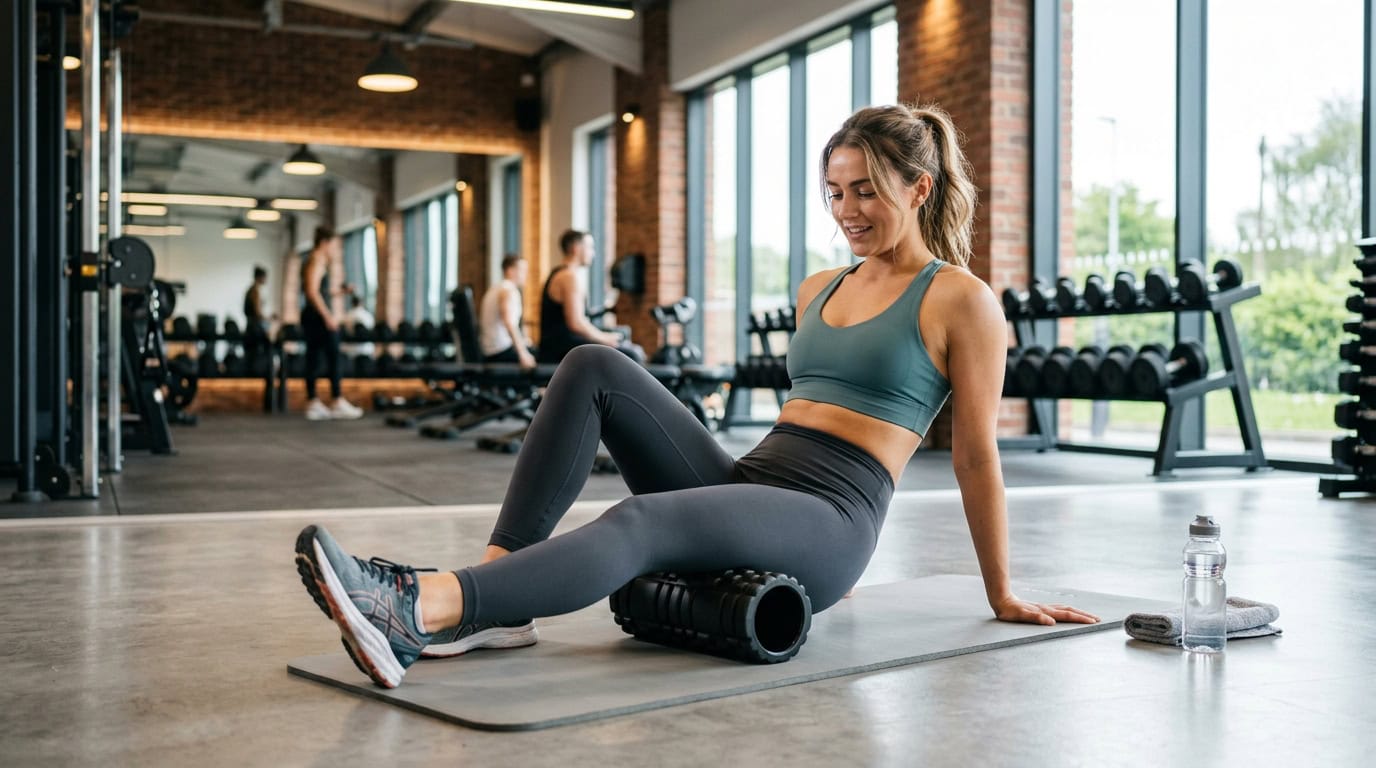
    5-10 minutes of foam rolling on sore areas can reduce DOMS (delayed onset muscle soreness) and improve range of motion. Focus on the muscles you trained yesterday.

    Eat Well Again

    Your muscles are still repairing the day after training. Continue eating protein with every meal and aim for a balanced diet rich in vegetables, whole grains, and healthy fats.

    When You’re Still Sore After 48 Hours

    DOMS typically peaks 24-48 hours after exercise and fades by 72 hours. If you’re still significantly sore after 3 days, you may have overtrained. Next session, reduce volume or intensity by 20-30%.

    Find gyms with recovery facilities (sauna, steam room, pool) on GymPal. And for gym owners — make sure your GymPal listing mentions recovery facilities. Members increasingly look for these when choosing a gym.

  • Gym Etiquette: The Unwritten Rules Every New Member Should Know

    Gym Etiquette: The Unwritten Rules Every New Member Should Know

    Fitting In at the Gym Starts With Common Courtesy

    Walking into a gym for the first time can feel intimidating enough without worrying about whether you are doing something wrong. The good news is that gym etiquette mostly comes down to common sense and being considerate of others. (see ukactive State of the UK Fitness Industry report. According to Sport England Active Lives survey

    Whether you have just joined your first gym or you are coming back after a long break, here are the unwritten rules that will help you feel confident and keep the gym a positive space for everyone.

    1. Wipe Down Equipment After Use

    This is the golden rule of gym etiquette. Nobody wants to sit in someone else’s sweat. Most gyms provide spray bottles and paper towels near the equipment — use them.

    • Wipe down benches, seats, and pads after every use
    • Do it even if you do not think you have sweated much
    • If your gym does not provide cleaning supplies, bring a small towel

    2. Do Not Hog the Equipment

    During busy hours, equipment is in high demand. Be mindful of how long you are spending on any single machine or piece of kit.

    • Avoid spending more than 15 to 20 minutes on a single machine during peak times
    • If you need to rest between sets, let others work in
    • Do not camp out on a bench scrolling through your phone between sets
    • If someone is clearly waiting, offer to let them use the equipment between your sets

    3. Put Your Weights Away

    Leaving dumbbells, kettlebells, or plates on the floor is a tripping hazard and makes life harder for everyone else, especially staff.

    • Return all weights to their correct rack after use
    • Strip plates off barbells and machines when you are finished
    • If you are unsure where something goes, ask a member of staff

    4. Respect Personal Space

    The gym is a shared space, and people need room to move safely.

    • Do not set up directly next to someone if there is plenty of free space
    • Avoid standing too close to someone who is mid-exercise
    • Be aware of your surroundings when walking through the weights area

    5. Keep Your Phone Calls Off the Gym Floor

    Quick texts or checking your workout app is fine, but full phone conversations are distracting and inconsiderate.

    • Take calls in the lobby or changing room
    • Use headphones if you are watching videos or listening to music
    • Avoid filming yourself if the gym is busy — check the gym’s policy first

    6. Do Not Offer Unsolicited Advice

    It can be tempting to correct someone’s form or suggest an exercise, but unless they ask, keep it to yourself. Unsolicited advice can feel condescending and make people uncomfortable. See also: How to Create a Gym Induction Process That Reduces Early Can.

    • Only offer help if someone is clearly struggling and in danger of injury
    • If you are concerned, alert a member of staff instead
    • Let qualified trainers do the coaching

    7. Be Mindful of Mirrors

    Mirrors in the gym are there to help people check their form, not for prolonged posing sessions.

    • Do not stand directly in front of someone who is using the mirror to check their technique
    • Avoid blocking mirror space during busy periods

    8. Follow the Changing Room Rules

    The changing room is a shared space too, and a little consideration goes a long way.

    • Keep your belongings tidy in the lockers or on benches
    • Do not leave wet towels on benches or the floor
    • Respect others’ privacy
    • Use the showers efficiently during busy times

    9. Control Your Noise

    Some noise during heavy lifting is normal and expected. Constant grunting, slamming weights, or dropping equipment from height is not.

    • Control the eccentric phase of your lift — do not just let the weight drop
    • If you need to grunt, keep it reasonable
    • Use collars on barbells to prevent plates sliding off noisily

    10. Follow Gym-Specific Rules

    Every gym has its own policies on things like chalk, deadlifting on platforms, using lifting belts, bringing bags onto the floor, and filming. Read the rules when you join and respect them.

    When in Doubt, Just Ask

    If you are unsure about anything — how a machine works, where to put weights back, or what the policy is on something — ask a member of staff. They would rather help you than deal with the consequences of a guess.

    Most experienced gym members remember what it felt like to be new and will be patient and helpful if you are polite and considerate. The gym community thrives when everyone looks out for each other.

    Find the Right Gym for You

    Every gym has its own culture and vibe. Finding one where you feel comfortable makes all the difference. GymPal lets you browse thousands of UK gyms, compare facilities, read about what each one offers, and find the right fit for your goals and preferences. Start your search at askgympal.co.uk.

  • What to Eat Before and After Your Gym Session: A Simple UK Guide

    What to Eat Before and After Your Gym Session: A Simple UK Guide

    Fuel Your Workouts the Right Way

    You have got your gym bag packed, your playlist ready, and your motivation peaked. But have you thought about what you are putting on your plate? Nutrition is not just for athletes — what you eat before and after a gym session can make a real difference to your energy, recovery, and results.:

    • Porridge with banana and a drizzle of honey
    • Wholemeal toast with peanut butter and a glass of milk
    • Baked sweet potato with grilled chicken
    • Pasta with a light tomato sauce

    Quick snacks (30-60 minutes before):

    • A banana or apple
    • A small handful of dried fruit and nuts
    • A slice of toast with jam
    • A small yoghurt

    Stay Hydrated

    Start sipping water throughout the day, not just right before you train. Arriving at the gym already dehydrated will affect your performance more than skipping a snack will.

    After Your Workout: Helping Your Body Recover

    What you eat after training matters because it helps your muscles repair, replenishes your energy stores, and reduces soreness. The sooner you refuel, the better your body can start recovering.

    The Recovery Window

    You do not need to race to the kitchen the second you finish your last set, but try to eat a balanced meal or snack within 30 minutes to 2 hours after your session. See also: How to Use Google Business Profile to Get More Local Gym Mem.

    What to Eat After Training

    Combine protein for muscle repair with carbohydrates to replenish energy. This combination is more effective than protein alone.

    Good post-workout options:

    • Grilled chicken breast with brown rice and roasted vegetables
    • A protein shake blended with a banana and oats
    • Eggs on wholemeal toast with avocado
    • Greek yoghurt with berries, granola, and a drizzle of honey
    • Salmon with a baked potato and side salad
    • A turkey and cheese wholegrain wrap

    Do Not Skip the Carbs

    There is a common myth that you should avoid carbs after training. In reality, your body needs them to replace the glycogen you have just used up. A carb-and-protein combo after training supports better recovery than protein on its own.

    Simple Principles to Remember

    You do not need to overthink your nutrition. These basics will cover most situations:

    • Carbs before training give you energy to perform
    • Protein + carbs after training help you recover
    • Stay hydrated throughout the day, not just at the gym
    • Keep it simple — whole foods, regular meal times, and listening to your body
    • Avoid experimenting on training days — try new foods on rest days

    Supplements: Do You Need Them?

    For most people, a balanced diet covers what you need. Protein powders can be convenient, but they are not essential. Creatine is one of the most researched supplements and may help with strength and power output, but it is entirely optional — especially if you are just getting started.

    If you do consider supplements, stick to reputable brands and remember that nothing replaces a good diet.

    Find a Gym That Fits Your Lifestyle

    Nutrition is one part of the equation — finding the right gym is another. Whether you are looking for a budget-friendly option, a specialist facility, or something close to home, GymPal makes it easy to discover gyms across the UK. Browse thousands of listings, compare facilities, and find the perfect fit for your fitness journey.

    Already running a gym? Claim your free listing on GymPal and get discovered by people actively searching for fitness services in your area.

  • The 5 Best Supplements for Beginners (And Which Ones You Actually Need)

    The 5 Best Supplements for Beginners (And Which Ones You Actually Need)

    Most Beginners Spend Too Much on Supplements

    Walk into any supplement shop or browse online, and you will be hit with an overwhelming wall of products promising bigger muscles, faster recovery, and better performance. Pre-workouts, BCAAs, fat burners, testosterone boosters, greens powders — the list is endless, and the marketing is aggressive.

    The truth is that most supplements make a marginal difference at best, and many are completely unnecessary — especially for beginners who have not yet dialled in their training and nutrition. The supplement industry in the UK is worth over £800 million per year, and a significant portion of that is spent on products that provide little to no benefit., sufficient calories, and a balanced diet?

  • Sleep: Are you getting 7-9 hours per night?
  • Supplements sit at the top of this pyramid. They enhance results — they do not create them. If your foundation is weak, supplements will not save you.

    1. Whey Protein: The Essential Staple

    What It Is

    A powdered form of protein derived from milk during the cheese-making process. One scoop typically provides 20-25g of protein.

    Why It Works

    Whey protein is not magic — it is simply a convenient way to hit your daily protein target. It digests quickly (making it ideal post-workout), is affordable, and tastes good. The muscle-building benefits come from the protein itself, not from whey being inherently superior to food sources. A chicken breast provides the same amino acids.

    Do You Need It?

    No, not strictly. You can get all the protein you need from food. But at £25-35 for 2.5kg (roughly 80-90 servings), whey is one of the cheapest protein sources per gram in the UK. It is a convenience purchase, not a necessity.

    How to Use It

    • 1 scoop (20-25g) post-workout mixed with water or milk
    • Can also be used at any time of day to boost protein intake
    • Look for whey protein isolate if you are lactose-sensitive

    Where to Buy

    MyProtein, Bulk, The Protein Works, and GN all offer good quality whey at competitive UK prices. Wait for discount codes — they run 30-50% off sales regularly.

    2. Creatine Monohydrate: The Most Researched Supplement

    What It Is

    A naturally occurring compound found in small amounts in red meat and fish. As a supplement, it is typically sold as a flavourless powder.

    Why It Works

    Creatine monohydrate is the most extensively researched sports supplement in history, with over 500 peer-reviewed studies. It works by increasing your muscles’ phosphocreatine stores, which improves performance in short, high-intensity activities (weight training, sprinting). The benefits include:

    • Increased strength and power output (5-15% improvement)
    • Increased lean muscle mass over time
    • Improved exercise capacity during repeated bouts
    • May have cognitive benefits, particularly under sleep deprivation

    Do You Need It?

    It is the one supplement that is genuinely worth considering for anyone training consistently. The evidence is overwhelming, the cost is negligible, and the side effect profile is excellent.

    How to Use It

    • 3-5g per day, every day
    • No need to cycle on and off
    • No need for a loading phase (5g/day reaches saturation in 3-4 weeks)
    • Take it at any time — timing does not matter significantly
    • Mix with water, juice, or your protein shake (it is essentially tasteless)

    Where to Buy

    Approximately £8-15 for 250g (50-80 servings). MyProtein, Bulk, and The Protein Works all sell it. Look for “creatine monohydrate” specifically — avoid expensive “creatine blends” that add unnecessary ingredients.

    3. Vitamin D: The UK Deficiency Problem

    What It Is

    A fat-soluble vitamin that your body produces when exposed to sunlight. It plays a critical role in bone health, immune function, and muscle function.

    Why It Matters for Gym-Goers

    The UK has a significant vitamin D problem. Public Health England estimates that roughly 1 in 5 people in the UK have low vitamin D levels during winter months (October to March), and the NHS recommends that everyone consider taking a 10 microgram (400 IU) supplement during winter.

    For gym-goers specifically, vitamin D deficiency has been linked to:

    • Reduced muscle strength and power
    • Increased risk of stress fractures
    • Impaired immune function (more training days lost to illness)
    • Lower testosterone levels in men

    Do You Need It?

    Yes, particularly during autumn and winter in the UK. It is cheap, safe, and addresses a genuine widespread deficiency.

    How to Use It

    • 10-25 micrograms (400-1000 IU) per day during winter months
    • Take with a meal that contains fat (vitamin D is fat-soluble)
    • Can be taken year-round if you spend most daylight hours indoors

    Where to Buy

    £5-10 for a 3-6 month supply. Available from Boots, Superdrug, Holland and Barrett, MyProtein, and most pharmacies. The NHS recommends Vitamin D3 specifically.

    4. Caffeine: The Proven Performance Enhancer

    What It Is

    The world’s most widely consumed psychoactive substance, found naturally in coffee, tea, and chocolate.

    Why It Works

    Caffeine is one of the few supplements with consistent, dose-responsive performance benefits:

    • Increased alertness and focus
    • Reduced perception of effort (exercise feels easier)
    • Improved endurance performance
    • Increased strength and power output
    • Enhanced fat oxidation during exercise

    The optimal dose for performance is 3-6mg per kg of bodyweight, taken 30-60 minutes before training. For a 70kg person, that is 210-420mg — roughly 2-3 cups of strong coffee.

    Do You Need It?

    Probably not as a supplement. If you already drink coffee, you are getting caffeine. If you do not, a cup of coffee before training is cheaper and equally effective as a pre-workout powder. Pre-workout supplements often contain caffeine alongside proprietary blends with unproven ingredients and a premium price tag.

    How to Use It

    • 200-400mg 30-60 minutes before training
    • That is roughly 2-3 cups of coffee or one pre-workout scoop
    • If you are caffeine-sensitive, start at the lower end
    • Cycle off periodically to maintain sensitivity (one week off per month)

    Where to Buy

    Coffee. Genuinely. A £10 bag of ground coffee from a supermarket will provide months of pre-workout caffeine. If you prefer the convenience of pre-workout powder, MyProtein and Bulk sell basic caffeine-only options for £10-15.

    5. Omega-3 Fish Oil: For Recovery and Joint Health

    What It Is

    Essential fatty acids found in oily fish (salmon, mackerel, sardines). Supplements typically provide EPA and DHA, the two most beneficial omega-3 fatty acids.

    Why It Works

    Omega-3 supplementation has well-documented benefits for active people:

    • Reduced inflammation and muscle soreness after training
    • Improved joint health and mobility
    • Cardiovascular health benefits
    • Supports brain function and mood regulation

    The NHS recommends eating at least two portions of oily fish per week. Most people in the UK do not meet this target, making supplementation a practical alternative.

    Do You Need It?

    It is worth considering if you do not regularly eat oily fish. The anti-inflammatory benefits are particularly useful for people training intensely 3+ times per week.

    How to Use It

    • 1-3g of combined EPA and DHA per day
    • Take with a meal (improves absorption)
    • Choose a product that lists EPA and DHA content separately on the label

    Where to Buy

    £10-20 for a 2-3 month supply. Look for high-strength fish oil capsules with at least 500mg combined EPA/DHA per capsule. Brands like Nordic Naturals, Boots, and MyProtein offer reliable options.

    Supplements That Are NOT Worth It for Beginners

    Save your money on these until you have been training consistently for at least a year:

    • BCAAs: Unnecessary if you are already eating enough protein. Whey protein contains more BCAAs per serving than any BCAA supplement.
    • Fat burners: Mostly caffeine and green tea extract with inflated claims. You cannot supplement away a poor diet.
    • Testosterone boosters: No over-the-counter supplement meaningfully increases testosterone. Save your money.
    • Pre-workouts with proprietary blends: You are paying for caffeine and a few cheap ingredients dressed up in fancy packaging. Plain caffeine is equally effective.
    • Glutamine: Despite its popularity, evidence for benefits in healthy adults is weak.
    • Mass gainers: Essentially expensive protein powder mixed with cheap carbs. Make your own with whey and oats.

    Monthly Supplement Budget for Beginners

    Supplement Monthly Cost Priority
    Creatine monohydrate (5g/day) £2–3 High
    Vitamin D3 (10mcg/day) £2–3 High
    Whey protein (1 scoop/day) £10–15 Medium
    Omega-3 fish oil £5–10 Medium
    Caffeine (coffee) £2–5 Low (if you already drink it)
    Total £21–36/month

    That is under £1.50 per day for supplements that are backed by strong scientific evidence. Compare that to the £80-150 per month some beginners spend on unnecessary products from supplement shops.

    The Bottom Line

    Supplements are the cherry on top — not the cake. Focus on training hard, eating well, and sleeping enough before spending heavily on supplements. When you are ready to add them, stick to the evidence-based five: creatine, protein, vitamin D, caffeine, and omega-3. Everything else can wait until you have a solid foundation of consistent training and nutrition.

    And remember: no supplement will work if you are not training consistently. If you are still looking for the right gym to build that consistency, GymPal can help you find UK gyms near you. Compare facilities, read reviews, and claim a free trial. The best supplement is showing up.


    Looking for a gym that supports your training goals? Search GymPal to compare UK gyms by location, facilities, and membership options. Your training, nutrition, and supplements all work better when you have the right gym to call home.

  • Meal Prep for Gym Beginners: A Simple UK-Friendly Guide

    Meal Prep for Gym Beginners: A Simple UK-Friendly Guide


    Meal Prep for Gym Beginners: A Simple UK-Friendly Guide
    — brown in a large pan with onions and garlic. £5–7/kg.

  • Eggs — hard-boil a batch for snacks or breakfasts. £2–3 for a box of 12–15.
  • Tinned tuna or salmon — zero cooking required. £1–2 per tin.
  • White fish or tofu — bake in the oven with seasoning. £6–10/kg.
  • Step 2: Cook Your Carbs

    Carbs are cheap and easy to prepare in bulk:

    Step 3: Prep Your Vegetables

    Do not skip this. Vegetables provide fibre, vitamins, and the volume that keeps you full:

    Step 4: Assemble and Store

    Invest in a set of meal prep containers (glass or BPA-free plastic). Amazon sells packs of 10–20 for £10–15. Portion your meals using this simple framework:

    Component Portion Size
    Protein Palm-sized portion (roughly 150–200g cooked)
    Carbs Fist-sized portion (roughly 150–200g cooked rice/pasta)
    Vegetables 2 fist-sized portions (fill half the container)
    Healthy fat Thumb-sized portion (olive oil, avocado, nuts)

    This hand-portion method means you never need to weigh food unless you want to. It is accurate enough for most beginners and far more sustainable than obsessive tracking.

    Five Easy Meal Prep Recipes for UK Beginners

    1. Chicken, Rice, and Roasted Veg Bowl

    The classic for good reason. Season chicken breasts with smoked paprika, garlic powder, salt, and pepper. Roast at 200°C for 20–25 minutes. Cook rice. Roast broccoli and carrots. Assemble in containers. Drizzle with a little olive oil or a light dressing. Makes 4 portions.

    2. Beef Mince and Pasta Bolognese

    Brown 500g mince with onion and garlic. Add a jar of passata (£50–80p), a carrot (grated), and dried herbs. Simmer for 20 minutes. Cook pasta separately and combine. This tastes even better on day two. Makes 4 portions. Cost: roughly £1.20 per portion.

    3. Overnight Oats with Banana and Peanut Butter

    Mix 50g oats, 150ml milk (dairy or plant-based), 1 tbsp chia seeds, and a pinch of cinnamon in a container. Refrigerate overnight. In the morning, top with sliced banana and a tablespoon of peanut butter. Takes 3 minutes to prepare. Makes 1 portion. Cost: roughly 60p per portion.

    4. Tuna and Sweet Potato

    Bake sweet potatoes at 200°C for 40–45 minutes. Mix tinned tuna with a little mayonnaise, sweetcorn, and black pepper. Split the potatoes open and fill with the tuna mixture. Simple, filling, and high protein. Makes 2 portions. Cost: roughly £1.50 per portion.

    5. Egg Fried Rice

    Cook rice (day-old rice works best for frying). Scramble 3–4 eggs in a wok or large pan with a little oil. Add cooked rice, frozen peas, diced carrot, and soy sauce. Stir-fry for 5 minutes. Cheap, quick, and genuinely tasty. Makes 2–3 portions. Cost: roughly 80p per portion.

    Where to Shop: UK Supermarket Hacks

    You do not need to shop at expensive health food stores. The best value for meal prep in the UK comes from standard supermarkets:

    Shop Best For
    Aldi / Lidl Cheapest overall — excellent protein and veg prices
    Asda Large packs of chicken breast and frozen veg
    Tesco Clubcard prices and meal deal components
    Sainsbury’s Taste the Difference range for quality proteins
    Morrisons Market Street butchers and fresh fish counters
    Iceland Frozen chicken, fish, and veg in bulk

    For supplements (protein powder, creatine), online retailers like MyProtein, Bulk, and The Protein Works consistently offer the best value in the UK with regular discount codes.

    How Much Does Meal Prep Actually Cost?

    One of the biggest myths is that eating well is expensive. Here is a realistic weekly breakdown for one person:

    Item Weekly Cost
    Chicken breast (1.5kg) £9–12
    Eggs (15 pack) £3–4
    Rice and pasta £2–3
    Vegetables (mixed fresh and frozen) £5–8
    Oats and milk £2–3
    Tinned tuna (3 tins) £3–4
    Sauces, oils, seasonings £1–2
    Total £25–36 per week

    That is roughly £3.50–£5 per day for all your main meals. Compare that to a meal deal (£4–5) and a Pret or Itsu lunch (£6–9) — meal prep saves you money while being far more nutritious.

    Common Beginner Mistakes

    Meal Prep and Your Gym Routine

    Good nutrition and a consistent gym routine reinforce each other. When you have meals prepped, you are more likely to train because you feel fuelled. When you train regularly, you are more motivated to eat well because you can see the results of both.

    The key is building a system that fits your life. If you are still looking for the right gym to start your fitness journey, GymPal can help you compare UK gyms by location, price, and facilities. Finding a gym close to home or work makes it easier to build that consistent routine — and when your gym is convenient and your meals are prepped, there is nothing stopping you.

    The Bottom Line

    Meal prep is not about perfection — it is about making healthy eating the default option. Start with one batch-cook session this weekend. Prep your lunches for Monday to Friday. See how it feels. You do not need to become a chef or spend hours in the kitchen. Two hours on a Sunday can save you time, money, and decision fatigue for the entire working week.

    Combine good nutrition with a gym routine that you actually enjoy, and the results will follow. Start simple, stay consistent, and adjust as you learn what works for your body and your life.


    Ready to start your fitness journey? Search GymPal to find UK gyms near you — compare prices, read member reviews, and find the perfect gym to pair with your new meal prep routine.


  • How Recovery Days Can Speed Up Your Fitness Progress

    How Recovery Days Can Speed Up Your Fitness Progress


    How Recovery Days Can Speed Up Your Fitness Progress

    Why Skipping Rest Days Is Holding You Back

    If you are hitting the gym six or seven days a week and wondering why your progress has stalled, the answer might be simpler than you think: you are not recovering enough. Rest days are not a sign of weakness — they are where the real gains happen. According to ukactive State of the UK Fitness Industry report

    When you train, you create microscopic tears in your muscle fibres. It is during rest that your body repairs those tears, building muscle that is stronger and more resilient than before. Without adequate recovery, you are constantly breaking down without ever giving your body the chance to rebuild.

    The Science Behind Recovery

    Exercise triggers an inflammatory response in your body. This is completely normal and actually necessary for growth. However, chronic inflammation from overtraining can flip from productive to destructive. Studies published in the Journal of Strength and Conditioning Research show that muscles need 48 to 72 hours to fully recover after an intense session.

    During recovery, your body is busy:

    • Repairing muscle tissue — satellite cells activate to patch up damaged fibres
    • Replenishing glycogen stores — your muscles refuel their energy reserves
    • Releasing growth hormone — particularly during deep sleep, which drives muscle development
    • Reducing cortisol levels — chronic stress hormone that breaks down muscle tissue

    Signs You Need More Recovery Time

    Your body is remarkably good at telling you when something is off — if you know what to look for. Watch for these common red flags:

    Symptom What It Means
    Persistent muscle soreness lasting 3+ days Delayed onset muscle soreness (DOMS) that will not shift
    Plateaued lifts or declining performance Your muscles have not recovered enough to handle the same load
    Disrupted sleep patterns Overtraining elevates cortisol, making restful sleep harder
    Frequent minor illnesses or nagging injuries Your immune system is suppressed from chronic stress
    Mood changes or low motivation Mental burnout often mirrors physical overtraining

    If you are ticking two or more of these boxes, it is time to rethink your schedule.

    How to Structure Your Recovery Days

    A proper recovery day does not mean collapsing on the sofa. Active recovery keeps blood flowing to your muscles without adding stress. Here is how to make the most of your days off:

    1. Light Movement

    A 20 to 30-minute walk, gentle swim, or easy cycle gets your blood circulating and helps flush out metabolic waste from your muscles. Yoga and stretching are also excellent options — many UK gyms now offer dedicated recovery or mobility classes.

    2. Prioritise Sleep

    This is non-negotiable. Aim for seven to nine hours per night. During deep sleep, your body releases the majority of its human growth hormone (HGH). Poor sleep directly undermines everything you do in the gym.

    3. Nutrition and Hydration

    Recovery days are when you should be fuelling up. Focus on lean protein to support muscle repair, complex carbohydrates to replenish glycogen, and plenty of water. A common mistake is drastically cutting calories on rest days — your body needs those nutrients to rebuild.

    4. Foam Rolling and Self-Myofascial Release

    Spend 10 to 15 minutes with a foam roller targeting major muscle groups. This helps break up fascial adhesions, improves range of motion, and can reduce next-day soreness by up to 30% according to research from the International Journal of Sports Physical Therapy.

    5. Contrast Therapy

    Alternating between hot and cold exposure — such as a warm shower followed by 30 seconds of cold water — can improve circulation and reduce inflammation. Some UK gyms now offer ice baths and saunas, which take this to the next level.

    Sample Training Week with Built-In Recovery

    Here is a balanced weekly structure that works for most intermediate lifters:

    Day Activity Intensity
    Monday Strength training (upper body) High
    Tuesday Strength training (lower body) High
    Wednesday Active recovery (walk, yoga, swimming) Low
    Thursday Strength training (push/pull or full body) High
    Friday Cardio or conditioning Moderate
    Saturday Full rest or light outdoor activity Very low
    Sunday Strength training (accessory work or weak points) Moderate

    Notice that even within this schedule, there are two lighter days. The exact split will depend on your goals, but the principle remains: you grow when you rest, not when you train.

    Finding the Right Gym for a Balanced Training Approach

    Not all gyms support a smart recovery strategy. The best facilities offer more than just heavy weights — they provide the equipment and space you need for mobility work, stretching, and active recovery. When you are searching for your ideal gym, look for ones with dedicated stretching areas, recovery-focused classes, and even sauna or pool access.

    If you are looking for a gym in the UK that fits your training style — whether you want a hardcore lifting environment or a more balanced wellness-focused space — GymPal makes it easy to compare options near you. You can browse thousands of UK gyms, filter by facilities, and read what other members have to say. It is the simplest way to find a gym that supports both your training and your recovery.

    The Bottom Line

    More is not always better. In fitness, the quality of your recovery directly determines the quality of your results. By scheduling proper rest days, eating well, sleeping enough, and incorporating active recovery, you will actually progress faster than if you trained every single day.

    Your muscles grow outside the gym. Give them the environment they need to do their job — and you will see the difference in your next session.


    Looking for a gym that supports your whole fitness journey? Search GymPal to find UK gyms with recovery facilities, flexible membership options, and everything you need to train smart.


  • The Best Post-Workout Meals for UK Gym-Goers: What to Eat and When

    The Best Post-Workout Meals for UK Gym-Goers: What to Eat and When

    You’ve just crushed a workout. Your muscles are fatigued, your energy stores are depleted, and your body is crying out for fuel. What you eat in the next hour can make a real difference to your recovery, your next session, and your long-term results.

    But with so much conflicting advice out there, it’s hard to know what’s actually worth eating. Here’s a straightforward, no-nonsense guide to post-workout nutrition for UK gym-goers.

  • Getting the right balance helps you recover faster, reduces muscle soreness, and ensures you’re ready for your next session. Skimp on post-workout nutrition and you’ll feel it — in sluggish recovery, poor performance, and slower progress.

    How Soon Should You Eat?

    The old “anabolic window” myth suggested you had 30 minutes to eat or your workout was wasted. The reality is more forgiving. Current research shows that as long as you eat a balanced meal within 2 hours of finishing your workout, you’ll capture the recovery benefits.

    That said, if you trained hard or fasted, eating sooner (within 30–60 minutes) is ideal. The key is consistency over timing perfection.

    The Golden Ratio: Protein and Carbs

    Aim for a ratio of roughly 1:2 to 1:3 protein to carbohydrates after a standard gym session. For a 70kg person, that’s roughly 25–35g of protein and 50–70g of carbohydrates.

    If your goal is specifically muscle building (hypertrophy), lean slightly more towards protein. If you did an endurance session (long run, HIIT class), prioritise carbohydrates.

    5 Easy Post-Workout Meals (Available Anywhere in the UK)

    1. Grilled Chicken, Rice, and Roasted Vegetables

    The classic bodybuilding staple — and for good reason. It’s cheap, easy to prepare, and hits the macro targets perfectly. Most UK supermarkets sell ready-to-eat versions if you’re short on time.

    Approximate macros: 35g protein, 55g carbs, 10g fat

    2. Scrambled Eggs on Wholemeal Toast

    Quick, affordable, and packed with protein. Three large eggs on two slices of wholemeal toast gives you a solid recovery meal in under 10 minutes. Add a bit of spinach or tomatoes for extra micronutrients.

    Approximate macros: 22g protein, 35g carbs, 15g fat

    3. Greek Yoghurt with Banana and Honey

    Perfect if you train in the morning or don’t have time to cook. Greek yoghurt is one of the most protein-dense dairy options available. The banana provides fast-digesting carbs and potassium, which helps prevent cramps.

    Approximate macros: 20g protein, 45g carbs, 5g fat

    4. Salmon Jacket Potato with Salad

    Salmon brings omega-3 fatty acids, which have anti-inflammatory properties that support recovery. A medium jacket potato with a side salad is filling, nutritious, and easy to find at any UK pub, café, or supermarket meal deal.

    Approximate macros: 30g protein, 40g carbs, 15g fat

    5. Protein Shake and a Banana

    When you’re genuinely pushed for time, a quality whey protein shake with a banana is better than skipping a meal entirely. It’s not a replacement for whole foods, but it gets the job done. Keep a shaker and powder in your gym bag.

    Approximate macros: 25g protein, 30g carbs, 2g fat

    What to Avoid After Training

    Not everything marketed as “healthy” helps recovery. Post-workout, try to limit:

    Meal Prep: Your Secret Weapon

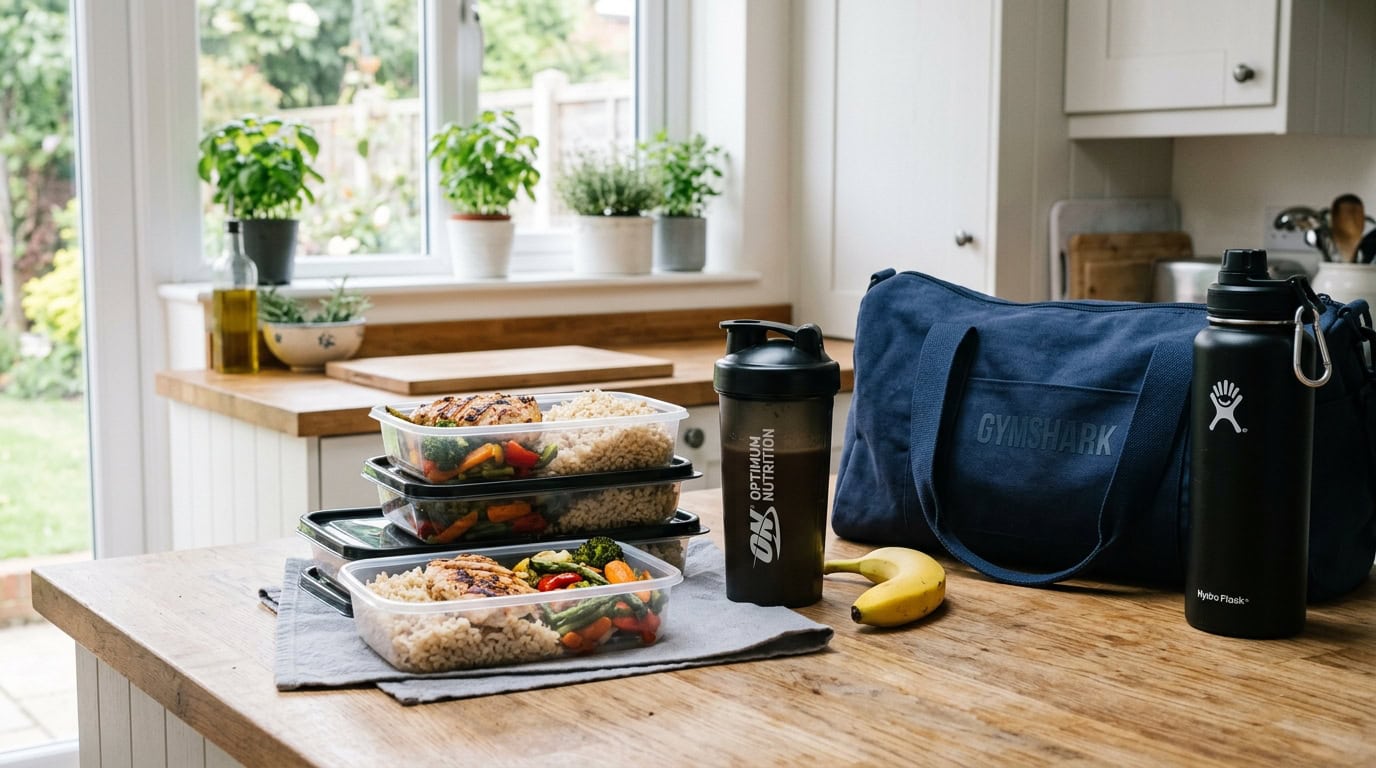
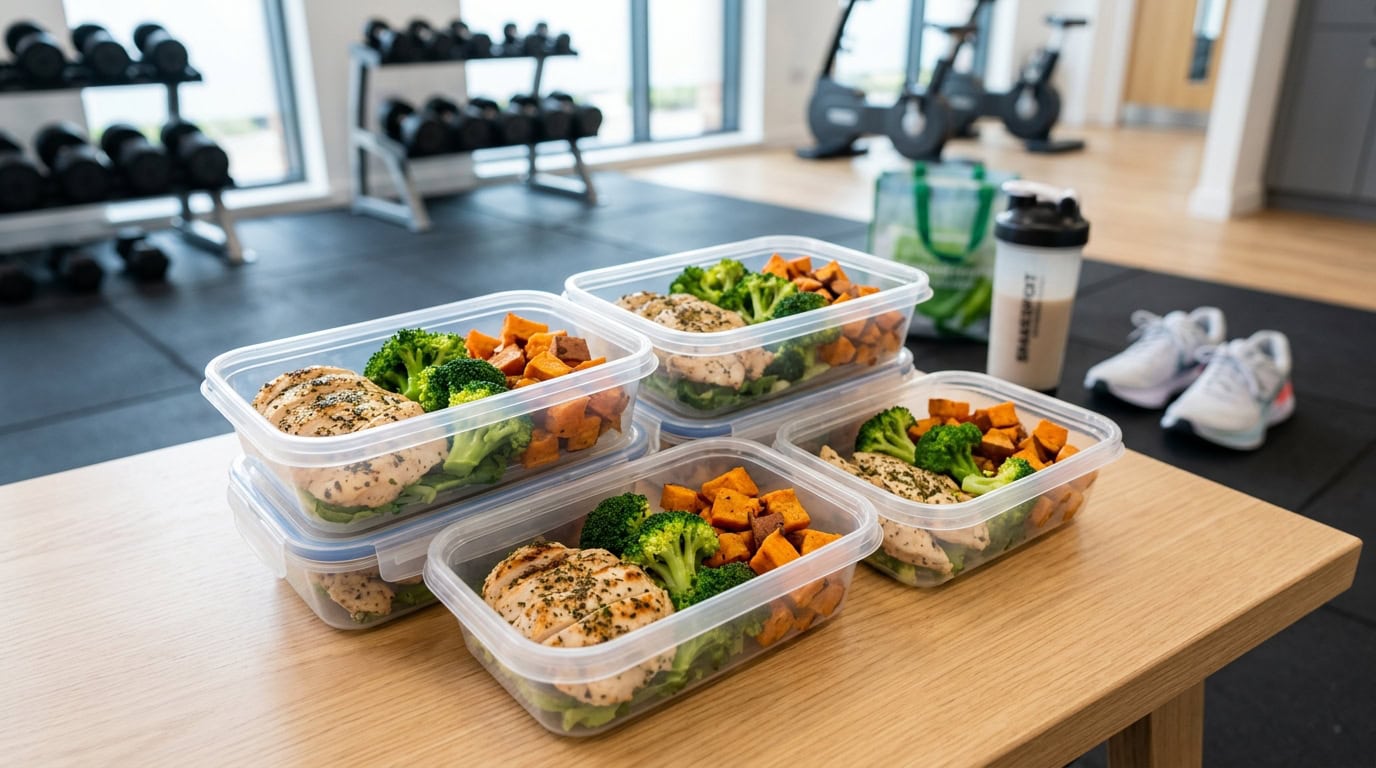
    The easiest way to stay consistent with post-workout nutrition is meal prep. Spend an hour on Sunday cooking batches of rice, chicken, and roasted vegetables. Portion them into containers and you’ve got post-workout meals sorted for the week.

    Many UK gyms now have microwaves available, so you can bring your prepped meal with you. If you’re choosing a gym with good facilities, GymPal can help you compare options in your area and find one that suits your lifestyle.

    Hydration: Don’t Forget It

    Food is only part of the equation. Replacing fluids lost through sweat is just as important. Aim to drink at least 500ml of water within the first hour after training, more if you sweated heavily.

    If you had a particularly long or intense session, consider an electrolyte drink. UK brands like Science in Sport and High5 offer affordable options that are easy to find.

    The Bottom Line

    Post-workout nutrition doesn’t need to be complicated or expensive. Focus on getting a decent amount of protein and carbohydrates within a couple of hours of training, stay hydrated, and be consistent. The best post-workout meal is the one you’ll actually eat regularly.

    Looking for a gym with good facilities — including microwaves, changing rooms, and everything you need to support your training routine? Search Gyms on GymPal to find the right fit in your area.