Tag: Meal Prep

  • How to Recover Faster After a Tough Gym Session: Tips That Actually Work

    How to Recover Faster After a Tough Gym Session: Tips That Actually Work

    You pushed hard. You left everything on the gym floor. Now your muscles are screaming, your legs feel like jelly, and you are wondering if you will even be able to get out of bed tomorrow. Sound familiar?

  • Increased injury risk
  • Stalled progress and plateaus
  • Fatigue and poor sleep
  • Motivation drop-offs

1. Rehydrate Properly (Not Just Water)

You lose a lot of fluid through sweat during an intense session. Plain water is a good start, but you also need to replace electrolytes — sodium, potassium, and magnesium — that help your muscles function properly.

What to do:

  • Drink 500–750ml of water within 30 minutes of finishing
  • Add a pinch of salt or an electrolyte tablet if you sweated heavily
  • Avoid relying solely on sports drinks — many are packed with sugar
  • Coconut water or a banana with a glass of milk is a solid natural alternative

2. Eat for Recovery Within the Golden Window

There is a lot of debate about the “anabolic window,” but the science is clear on one thing: eating protein and carbs after training helps your body recover faster than fasting.

Aim for:

  • Protein: 20–40g within a couple of hours (chicken, eggs, Greek yoghurt, a protein shake)
  • Carbs: A portion of rice, sweet potato, oats, or fruit to replenish glycogen
  • Fats: Keep them moderate immediately post-workout — they slow down nutrient absorption

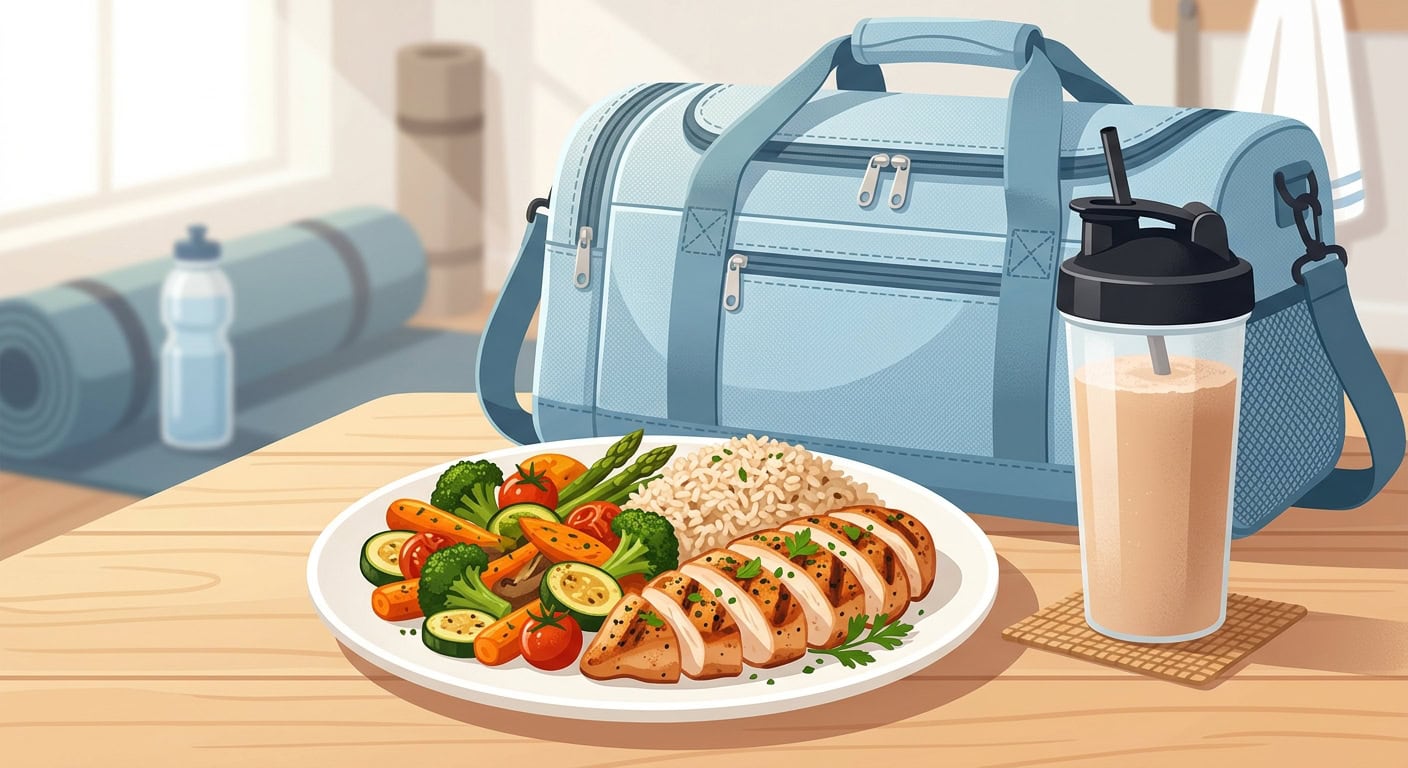
A simple post-gym meal could be grilled chicken with rice and veg, or a protein shake blended with oats and a banana. You do not need expensive supplements — real food works brilliantly.

3. Use Active Recovery Instead of Complete Rest

Sitting on the sofa for two days after leg day is the worst thing you can do. Light movement increases blood flow, delivers nutrients to damaged muscles, and clears out waste products like lactic acid.

Try these active recovery options:

  • A 20–30 minute walk
  • Swimming or aqua aerobics (low impact, great for joints)
  • Yoga or gentle stretching
  • A light cycle on a stationary bike
  • Foam rolling for 10–15 minutes

The key is keeping the intensity low. You should feel better afterwards, not more tired.

4. Sleep: Your Most Powerful Recovery Tool

Sleep is when your body releases growth hormone, repairs tissue, and consolidates the adaptations from your training. If your sleep is poor, your recovery will be poor — no matter how well you eat or stretch.

Quick sleep tips:

  • Aim for 7–9 hours per night
  • Keep a consistent bedtime, even on weekends
  • Avoid caffeine after 2pm if you train in the evening
  • Keep your room cool, dark, and quiet
  • Put your phone away 30 minutes before bed

If you are training hard and sleeping less than 6 hours a night, you are working against yourself.

5. Foam Rolling and Stretching

Foam rolling (also called self-myofascial release) helps break up adhesions in your muscle tissue and improve range of motion. It can also reduce the severity of delayed onset muscle soreness (DOMS).

How to do it effectively:

  • Spend 1–2 minutes on each major muscle group
  • Roll slowly — do not rush
  • Pause on tender spots for 20–30 seconds
  • Focus on the areas you trained: quads, hamstrings, glutes, back, calves
  • Follow up with static stretches, holding each for 30 seconds

Most UK gyms have foam rollers available. If yours does not, they are affordable online and one of the best recovery investments you can make.

6. Cold Water Therapy and Contrast Showers

Cold water immersion has become increasingly popular in the UK fitness scene, and for good reason. Cold exposure reduces inflammation, numbs pain, and can speed up perceived recovery.

How to use it:

  • Ice bath: 10–15 minutes at 10–15°C (if you have access)
  • Cold shower: 2–3 minutes of cold at the end of your normal shower
  • Contrast shower: Alternate 1 minute hot / 1 minute cold for 6–8 rounds

Note: Avoid cold water immersion immediately after a strength session if your goal is muscle growth — some evidence suggests it may blunt hypertrophy signals. Save it for after cardio-heavy or endurance sessions.

7. Manage Your Training Load

One of the most overlooked recovery strategies is simply not overdoing it in the first place. Progressive overload works, but jumping from three sessions a week to six overnight is a recipe for burnout and injury.

Smart training tips:

  • Increase volume or intensity by no more than 10% per week
  • Include at least 1–2 rest or active recovery days per week
  • Deload every 4–6 weeks (reduce volume by 40–50%)
  • Listen to your body — persistent fatigue, soreness, or poor performance are signs to ease off

Quick Recovery Checklist

  • ✅ Hydrate with water and electrolytes straight after training
  • ✅ Eat a protein- and carb-rich meal within 2 hours
  • ✅ Do 10–15 minutes of foam rolling or stretching
  • ✅ Get 7–9 hours of quality sleep
  • ✅ Use active recovery the day after an intense session
  • ✅ Manage your training volume to avoid overtraining

The Bottom Line

Recovery is not passive — it is an active process that you can optimise with the right habits. Hydrate, eat well, sleep properly, move gently on rest days, and do not ignore your body when it tells you to ease off. The people who make the best progress are not the ones who train the hardest — they are the ones who recover the best.

If you are looking for a gym that fits your training style and recovery needs, GymPal can help you find the right fit. With thousands of UK gyms listed, from 24-hour facilities to specialist recovery centres, it is the easiest way to discover what is available near you.

  • Meal Prep for Gym Beginners: A Simple UK-Friendly Guide

    Meal Prep for Gym Beginners: A Simple UK-Friendly Guide


    Meal Prep for Gym Beginners: A Simple UK-Friendly Guide
    — brown in a large pan with onions and garlic. £5–7/kg.

  • Eggs — hard-boil a batch for snacks or breakfasts. £2–3 for a box of 12–15.
  • Tinned tuna or salmon — zero cooking required. £1–2 per tin.
  • White fish or tofu — bake in the oven with seasoning. £6–10/kg.
  • Step 2: Cook Your Carbs

    Carbs are cheap and easy to prepare in bulk:

    Step 3: Prep Your Vegetables

    Do not skip this. Vegetables provide fibre, vitamins, and the volume that keeps you full:

    Step 4: Assemble and Store

    Invest in a set of meal prep containers (glass or BPA-free plastic). Amazon sells packs of 10–20 for £10–15. Portion your meals using this simple framework:

    Component Portion Size
    Protein Palm-sized portion (roughly 150–200g cooked)
    Carbs Fist-sized portion (roughly 150–200g cooked rice/pasta)
    Vegetables 2 fist-sized portions (fill half the container)
    Healthy fat Thumb-sized portion (olive oil, avocado, nuts)

    This hand-portion method means you never need to weigh food unless you want to. It is accurate enough for most beginners and far more sustainable than obsessive tracking.

    Five Easy Meal Prep Recipes for UK Beginners

    1. Chicken, Rice, and Roasted Veg Bowl

    The classic for good reason. Season chicken breasts with smoked paprika, garlic powder, salt, and pepper. Roast at 200°C for 20–25 minutes. Cook rice. Roast broccoli and carrots. Assemble in containers. Drizzle with a little olive oil or a light dressing. Makes 4 portions.

    2. Beef Mince and Pasta Bolognese

    Brown 500g mince with onion and garlic. Add a jar of passata (£50–80p), a carrot (grated), and dried herbs. Simmer for 20 minutes. Cook pasta separately and combine. This tastes even better on day two. Makes 4 portions. Cost: roughly £1.20 per portion.

    3. Overnight Oats with Banana and Peanut Butter

    Mix 50g oats, 150ml milk (dairy or plant-based), 1 tbsp chia seeds, and a pinch of cinnamon in a container. Refrigerate overnight. In the morning, top with sliced banana and a tablespoon of peanut butter. Takes 3 minutes to prepare. Makes 1 portion. Cost: roughly 60p per portion.

    4. Tuna and Sweet Potato

    Bake sweet potatoes at 200°C for 40–45 minutes. Mix tinned tuna with a little mayonnaise, sweetcorn, and black pepper. Split the potatoes open and fill with the tuna mixture. Simple, filling, and high protein. Makes 2 portions. Cost: roughly £1.50 per portion.

    5. Egg Fried Rice

    Cook rice (day-old rice works best for frying). Scramble 3–4 eggs in a wok or large pan with a little oil. Add cooked rice, frozen peas, diced carrot, and soy sauce. Stir-fry for 5 minutes. Cheap, quick, and genuinely tasty. Makes 2–3 portions. Cost: roughly 80p per portion.

    Where to Shop: UK Supermarket Hacks

    You do not need to shop at expensive health food stores. The best value for meal prep in the UK comes from standard supermarkets:

    Shop Best For
    Aldi / Lidl Cheapest overall — excellent protein and veg prices
    Asda Large packs of chicken breast and frozen veg
    Tesco Clubcard prices and meal deal components
    Sainsbury’s Taste the Difference range for quality proteins
    Morrisons Market Street butchers and fresh fish counters
    Iceland Frozen chicken, fish, and veg in bulk

    For supplements (protein powder, creatine), online retailers like MyProtein, Bulk, and The Protein Works consistently offer the best value in the UK with regular discount codes.

    How Much Does Meal Prep Actually Cost?

    One of the biggest myths is that eating well is expensive. Here is a realistic weekly breakdown for one person:

    Item Weekly Cost
    Chicken breast (1.5kg) £9–12
    Eggs (15 pack) £3–4
    Rice and pasta £2–3
    Vegetables (mixed fresh and frozen) £5–8
    Oats and milk £2–3
    Tinned tuna (3 tins) £3–4
    Sauces, oils, seasonings £1–2
    Total £25–36 per week

    That is roughly £3.50–£5 per day for all your main meals. Compare that to a meal deal (£4–5) and a Pret or Itsu lunch (£6–9) — meal prep saves you money while being far more nutritious.

    Common Beginner Mistakes

    Meal Prep and Your Gym Routine

    Good nutrition and a consistent gym routine reinforce each other. When you have meals prepped, you are more likely to train because you feel fuelled. When you train regularly, you are more motivated to eat well because you can see the results of both.

    The key is building a system that fits your life. If you are still looking for the right gym to start your fitness journey, GymPal can help you compare UK gyms by location, price, and facilities. Finding a gym close to home or work makes it easier to build that consistent routine — and when your gym is convenient and your meals are prepped, there is nothing stopping you.

    The Bottom Line

    Meal prep is not about perfection — it is about making healthy eating the default option. Start with one batch-cook session this weekend. Prep your lunches for Monday to Friday. See how it feels. You do not need to become a chef or spend hours in the kitchen. Two hours on a Sunday can save you time, money, and decision fatigue for the entire working week.

    Combine good nutrition with a gym routine that you actually enjoy, and the results will follow. Start simple, stay consistent, and adjust as you learn what works for your body and your life.


    Ready to start your fitness journey? Search GymPal to find UK gyms near you — compare prices, read member reviews, and find the perfect gym to pair with your new meal prep routine.


  • How to Choose the Right Gym for Weight Training: A Complete Guide for UK Beginners

    How to Choose the Right Gym for Weight Training: A Complete Guide for UK Beginners

    Starting Your Weight Training Journey in the UK

    If you’ve decided to start weight training, congratulations — you’re about to begin one of the most rewarding fitness journeys you can take. But with over 7,000 gyms across the UK, finding the right one for your goals can feel overwhelming. This guide will walk you through everything you need to consider before signing up..

  • Flat, incline, and decline benches — you’ll need all three for a well-rounded programme.
  • Cable machine — essential for isolation exercises and accessory work.
  • Nice-to-Haves

    Gym Size vs Equipment Quality

    Don’t assume bigger is always better. Many large chain gyms prioritise cardio machines and have surprisingly limited free weight areas. Conversely, some smaller independent gyms pack an impressive amount of lifting equipment into a compact space. When visiting a gym, pay attention to:

    Gym Culture: The Intangibles That Matter

    Lifting-Friendly Atmosphere

    The best gyms for weight training have a culture that supports it. Look for:

    Women-Friendly Weight Areas

    If you’re a woman starting weight training, feeling comfortable in the weights area is crucial. Many UK gyms now have dedicated women’s lifting areas or at least a balanced mix of genders in the free weight section. Look for gyms that actively promote women’s strength training through classes or community groups.

    Staff Expertise: Why It Makes a Difference

    Good gym staff can accelerate your progress significantly. When choosing a gym, consider:

    A gym with knowledgeable staff is worth paying a premium for, especially in your first year of training.

    Location and Opening Hours

    Consistency is the key to progress in weight training, and convenience drives consistency. Choose a gym that:

    Budget Considerations for Weight Training

    What You’re Actually Paying For

    When comparing gym prices, focus on the equipment and facilities that matter for your goals. A £20/month budget gym with excellent free weights is better value than a £90/month premium gym with amazing pool facilities you’ll never use.

    Hidden Costs to Watch

    Questions to Ask on Your Gym Visit

    Before signing anything, ask these questions:

    1. How many squat racks and bench stations do you have?
    2. What’s the heaviest dumbbell available?
    3. Is chalk allowed?
    4. Can I deadlift here?
    5. What’s included in the induction?
    6. How busy does the free weight area get at [your preferred time]?
    7. What’s your cancellation policy?

    How GymPal Helps You Find the Right Gym

    Searching for the perfect gym doesn’t have to mean visiting a dozen websites. GymPal lists over 10,000 UK gyms and fitness centres with details about facilities, locations, and member reviews — all in one place. You can search by area, filter by gym type, and compare options side by side.

    Whether you’re looking for a dedicated strength training facility in Manchester, a budget-friendly gym with good free weights in Birmingham, or a women-friendly lifting space in London, GymPal makes it easy to find the right fit.

    Start your search at askgympal.co.uk — it’s completely free to browse, and you might just discover the perfect gym for your weight training journey.

    Key Takeaways

  • How to Write a Gym Membership Agreement That Protects Your UK Business

    How to Write a Gym Membership Agreement That Protects Your UK Business

    Why Your Gym Membership Agreement Matters More Than You Think

    As a UK gym owner, your membership agreement is one of the most important documents in your business. It sets the terms of your relationship with every member who walks through your doors, protects you from legal disputes, and ensures your revenue stays predictable. Yet many independent gym owners rely on generic templates that haven’t been updated since they opened.

  • Payment frequency and accepted methods
  • 2. Cancellation and Freeze Policies

    This is where most gym owners get into trouble. Under UK consumer law, your cancellation terms must be fair and transparent. Include:

    Top tip: Be generous with your freeze policy. Members who can freeze rather than cancel are far more likely to return — and recommend your gym to friends.

    3. Liability Waivers and Health Declarations

    Every member should complete a health screening questionnaire before starting. Your agreement should reference this and include a liability disclaimer. However, remember that UK law doesn’t allow you to fully exclude liability for negligence — your waiver needs to be reasonable and clearly worded.

    Include clauses covering:

    4. Payment Terms and Debt Recovery

    Late payments and direct debit cancellations cost UK gyms thousands of pounds each year. Your agreement should clearly state:

    5. Code of Conduct and House Rules

    Protect your gym culture and other members’ experience with a clear code of conduct covering:

    6. Data Protection and GDPR Compliance

    Your agreement must explain how you handle member data. Under GDPR, you need:

    Common Mistakes That Get UK Gyms Into Trouble

    Using Unfair Contract Terms

    The Consumer Rights Act 2015 means your contract terms must be fair. Auto-renewal clauses that lock members in without clear notice, disproportionate cancellation fees, and one-sided variation rights can all be challenged. If a member complains to trading standards, an unfair term is unenforceable — potentially leaving you out of pocket.

    Not Displaying Terms Prominently

    Your agreement should be easy to read and accessible. Burying important terms in dense legal jargon won’t protect you if a dispute arises. Consider providing a plain-English summary alongside the full legal document.

    Forgetting to Update

    Consumer law evolves. GDPR introduced major changes in 2018, and further updates are expected. Review your membership agreement at least once a year to ensure it remains compliant.

    How a Good Membership Agreement Helps Retain Members

    It might seem counterintuitive, but a clear, fair membership agreement can actually improve retention. Here’s why:

    Getting Professional Help

    While templates are a good starting point, every gym is different. If you run specialised classes, have unique facilities, or employ personal trainers, your agreement needs to reflect that. Consider having a solicitor with experience in the fitness industry review your terms — it’s a worthwhile investment that can save significant costs down the line.

    Make Sure Your Gym Is Easy to Find

    A great membership agreement is just one part of running a successful gym. If potential members can’t find you online, even the best contract won’t help. GymPal lists over 10,000 UK gyms and fitness centres, making it easy for people searching for gyms in their area to discover you.

    Claim your free GymPal listing today at askgympal.co.uk — it takes just a few minutes and puts your gym in front of thousands of people actively looking for fitness services near them. For even more visibility, upgrade to GymPal Pro at just £9/month and get priority placement in search results and the GymPal AI chatbot.

    Key Takeaways


    Is your gym listed on GymPal? Over 10,000 UK fitness businesses are in our directory. Claim your free listing in 5 minutes — and start getting discovered by local fitness seekers today.

  • The Best Post-Workout Meals for UK Gym-Goers: What to Eat and When

    The Best Post-Workout Meals for UK Gym-Goers: What to Eat and When

    You’ve just crushed a workout. Your muscles are fatigued, your energy stores are depleted, and your body is crying out for fuel. What you eat in the next hour can make a real difference to your recovery, your next session, and your long-term results.

    But with so much conflicting advice out there, it’s hard to know what’s actually worth eating. Here’s a straightforward, no-nonsense guide to post-workout nutrition for UK gym-goers.

  • Getting the right balance helps you recover faster, reduces muscle soreness, and ensures you’re ready for your next session. Skimp on post-workout nutrition and you’ll feel it — in sluggish recovery, poor performance, and slower progress.

    How Soon Should You Eat?

    The old “anabolic window” myth suggested you had 30 minutes to eat or your workout was wasted. The reality is more forgiving. Current research shows that as long as you eat a balanced meal within 2 hours of finishing your workout, you’ll capture the recovery benefits.

    That said, if you trained hard or fasted, eating sooner (within 30–60 minutes) is ideal. The key is consistency over timing perfection.

    The Golden Ratio: Protein and Carbs

    Aim for a ratio of roughly 1:2 to 1:3 protein to carbohydrates after a standard gym session. For a 70kg person, that’s roughly 25–35g of protein and 50–70g of carbohydrates.

    If your goal is specifically muscle building (hypertrophy), lean slightly more towards protein. If you did an endurance session (long run, HIIT class), prioritise carbohydrates.

    5 Easy Post-Workout Meals (Available Anywhere in the UK)

    1. Grilled Chicken, Rice, and Roasted Vegetables

    The classic bodybuilding staple — and for good reason. It’s cheap, easy to prepare, and hits the macro targets perfectly. Most UK supermarkets sell ready-to-eat versions if you’re short on time.

    Approximate macros: 35g protein, 55g carbs, 10g fat

    2. Scrambled Eggs on Wholemeal Toast

    Quick, affordable, and packed with protein. Three large eggs on two slices of wholemeal toast gives you a solid recovery meal in under 10 minutes. Add a bit of spinach or tomatoes for extra micronutrients.

    Approximate macros: 22g protein, 35g carbs, 15g fat

    3. Greek Yoghurt with Banana and Honey

    Perfect if you train in the morning or don’t have time to cook. Greek yoghurt is one of the most protein-dense dairy options available. The banana provides fast-digesting carbs and potassium, which helps prevent cramps.

    Approximate macros: 20g protein, 45g carbs, 5g fat

    4. Salmon Jacket Potato with Salad

    Salmon brings omega-3 fatty acids, which have anti-inflammatory properties that support recovery. A medium jacket potato with a side salad is filling, nutritious, and easy to find at any UK pub, café, or supermarket meal deal.

    Approximate macros: 30g protein, 40g carbs, 15g fat

    5. Protein Shake and a Banana

    When you’re genuinely pushed for time, a quality whey protein shake with a banana is better than skipping a meal entirely. It’s not a replacement for whole foods, but it gets the job done. Keep a shaker and powder in your gym bag.

    Approximate macros: 25g protein, 30g carbs, 2g fat

    What to Avoid After Training

    Not everything marketed as “healthy” helps recovery. Post-workout, try to limit:

    Meal Prep: Your Secret Weapon

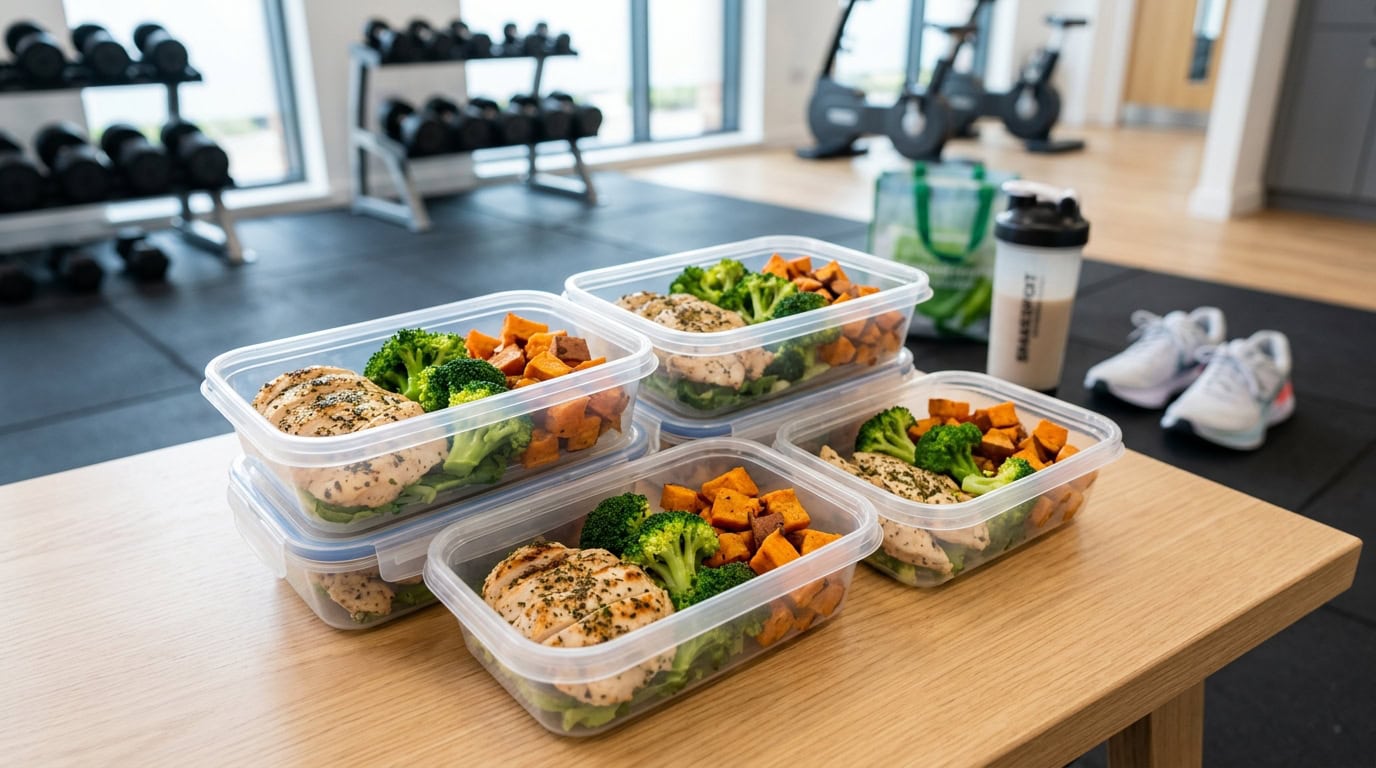
    The easiest way to stay consistent with post-workout nutrition is meal prep. Spend an hour on Sunday cooking batches of rice, chicken, and roasted vegetables. Portion them into containers and you’ve got post-workout meals sorted for the week.

    Many UK gyms now have microwaves available, so you can bring your prepped meal with you. If you’re choosing a gym with good facilities, GymPal can help you compare options in your area and find one that suits your lifestyle.

    Hydration: Don’t Forget It

    Food is only part of the equation. Replacing fluids lost through sweat is just as important. Aim to drink at least 500ml of water within the first hour after training, more if you sweated heavily.

    If you had a particularly long or intense session, consider an electrolyte drink. UK brands like Science in Sport and High5 offer affordable options that are easy to find.

    The Bottom Line

    Post-workout nutrition doesn’t need to be complicated or expensive. Focus on getting a decent amount of protein and carbohydrates within a couple of hours of training, stay hydrated, and be consistent. The best post-workout meal is the one you’ll actually eat regularly.

    Looking for a gym with good facilities — including microwaves, changing rooms, and everything you need to support your training routine? Search Gyms on GymPal to find the right fit in your area.