Tag: Instagram

  • Gyms with Spas UK: Find Health Clubs with Pools, Saunas and Wellness Facilities

    Gyms with Spas UK: Find Health Clubs with Pools, Saunas and Wellness Facilities

    There’s a gym membership, and then there’s a gym spa membership. If you’ve ever finished a tough training session and wished you could slip straight into a sauna, or spend Saturday morning swimming laps before a long soak in a hot tub, you’re already thinking about the right category.

    Gyms with spa facilities — often called health clubs — offer significantly more than a weights room and a row of treadmills. Think heated pools, steam rooms, saunas, plunge pools, and sometimes full treatment rooms and relaxation lounges. They’re less about banging out quick sessions and more about building a lifestyle around movement and recovery.

    The catch? They’re not all created equal, and the price difference between a budget gym and a full-service health club can be significant. This guide breaks down what to look for, which UK chains deliver, what it actually costs, and how to find the right spa gym near you.

    What Actually Makes a Gym a “Spa Gym”?

    The term gets used loosely, so it helps to know what you’re comparing. A proper gym spa will typically include at least some of the following:

    Core facilities:

    • An indoor heated swimming pool (often 20–25 metres)
    • Sauna (dry, infrared, or Himalayan salt)
    • Steam room
    • Jacuzzi or hot tub

    Premium additions:

    • Ice bath or cold plunge pool
    • Treatment rooms for massage and therapies
    • Relaxation lounge or quiet zone
    • Wellness classes (yoga, guided meditation, aqua fitness)
    • Salt room or halotherapy suite

    The minimum benchmark for calling somewhere a spa gym is usually a pool plus at least a sauna or steam room. Anything below that and you’re really just looking at a gym with a warm shower.

    It’s also worth noting the difference between a health club and a gym with spa bolt-on. A health club is built around the full wellness experience from the start — the layout, the facilities, the class timetable, and the membership price all reflect that. A gym with a sauna added as an afterthought can feel quite different in practice.

    The Big UK Health Club Chains Worth Knowing

    These are the main chains to consider if you’re after proper spa facilities across the UK.

    David Lloyd Clubs

    David Lloyd is widely regarded as the gold standard for gym spa facilities in the UK. Every club includes at minimum a whirlpool, sauna, and steam room. Larger clubs feature a dedicated Spa Retreat with more comprehensive treatment facilities, relaxation areas, and private treatment rooms.

    David Lloyd has clubs in Birmingham, Brighton, Cambridge, Manchester, Bristol, Reading, Edinburgh, and many more. Membership prices typically start at around £60–80 per month depending on location, with premium tiers for full spa access and family memberships running higher.

    Village Hotel Health & Wellness Clubs

    Village Health & Wellness Clubs have 34 locations across the UK, covering Liverpool, Leeds, Solihull, Swindon, Cardiff, Coventry, and more. Each club includes a heated pool, sauna, steam room, and a whirlpool spa. Their Cardiff and Coventry sites have Himalayan Salt Saunas — worth seeking out if you’re a sauna enthusiast. Village memberships tend to be more competitively priced than David Lloyd, making them solid value at the mid-premium tier.

    Bannatyne Health Clubs

    With over 70 clubs across the UK, Bannatyne has strong coverage in Scotland, the North East, and the Midlands. Most clubs offer pool and spa facilities, though they vary by location — always worth checking exactly what a specific club includes before signing up. Bannatyne also runs its own spa treatment brand, so some locations have more comprehensive wellbeing offerings than others.

    Third Space (London)

    If you’re in London and the budget allows for it, Third Space gyms are a tier above. Marylebone has an 18-metre pool, sauna, and steam room. Mayfair features a Himalayan sea-salt walled sauna. Two new locations — Moorgate and Paternoster — opened in 2026. Memberships are premium-priced (often £150–250 per month in central London), but the facilities are genuinely world-class.

    Nuffield Health

    Nuffield Health operates over 110 fitness and wellbeing centres nationwide, with a particular focus on evidence-based wellness programming. Their premium centres include pools, saunas, and physiotherapy services. As a charity, Nuffield takes a more purposeful approach to health outcomes, which often translates into a slightly different atmosphere than the commercial chains.

    What Does a Spa Gym Membership Cost in the UK?

    Here’s a rough breakdown by tier:

    Club TypeMonthly Cost (Approx.)
    Budget gym (no spa)£20–40
    Mid-range with pool£40–60
    Village / Bannatyne£55–80
    David Lloyd£70–120
    Third Space London£150–250
    Hotel health club£80–160

    A few things significantly affect the price:

    • Location: London and South East clubs cost considerably more than equivalent clubs in the North, Midlands, or Scotland
    • Joining fees: Many chains charge a one-off joining fee of £20–100, often waived during promotional periods
    • Peak vs off-peak: Some clubs offer cheaper memberships restricting usage to off-peak hours — worth it if you work flexible hours
    • Family memberships: Often better value if a partner or children will also use the facilities
    • Corporate memberships: Many employers have negotiated rates with major chains — worth checking through HR before paying full price

    If you’re weighing up spa gym costs against a standard gym, budget gyms like PureGym, The Gym Group, and JD Gyms show just how wide the price gap is — but they offer no spa facilities. The decision really comes down to how much you’ll use the extras.

    The Recovery Case for Spa Gyms

    Spa facilities aren’t just a nice-to-have — there’s a genuine case for building recovery into your training routine, and the science increasingly backs it.

    Regular sauna use has been linked to improved cardiovascular function, reduced muscle soreness, better sleep quality, and lower stress markers. Steam rooms support respiratory health and improve circulation. According to ukactive’s 2026 UK Health and Fitness Market Report, health clubs are increasingly being used as “hubs that support recovery services” alongside traditional exercise — with 12.2 million people now holding gym memberships across the UK.

    Cold water exposure is another recovery method gaining mainstream traction. Cold water therapy at UK gyms — from plunge pools to contrast bathing circuits — has measurable benefits for reducing delayed onset muscle soreness (DOMS) and improving mood and alertness post-workout. The best spa gyms offer both heat and cold in one session, which is arguably the most effective recovery combination available without specialist equipment.

    And if your spa gym has a pool, you’ve got zero-impact active recovery on tap. Pool workouts and aqua fitness are perfect between heavy training days — gentle on the joints, genuinely effective for cardiovascular fitness, and surprisingly enjoyable once you’re in.

    Beyond the Big Chains: Hotel Gyms and Independent Health Clubs

    The big chains get most of the attention, but there’s a broader ecosystem worth knowing about.

    Hotel Health Clubs

    Hotel health clubs are often underutilised by non-guests. Four and five-star hotels frequently have strong pools, saunas, and steam rooms — and many offer external memberships giving full access to the hotel spa without staying overnight. In London, places like Crowne Plaza Docklands offer heated pool, hot tub, sauna, steam room, and gym access. Similar setups exist at Marriott, Hilton, Hyatt, and Radisson properties across the UK, often with significantly better facilities than standalone gyms at comparable prices.

    Leisure Centres with Spa Suites

    These vary wildly by council and operator, but some leisure centres run by Places Leisure, Everyone Active, or GLL (Better Leisure) have genuinely comprehensive spa and wellness suites. Prices are often subsidised and significantly lower than private health clubs — worth checking what your local council operates before committing to a premium membership.

    Boutique Wellness Studios

    A growing number of boutique studios — particularly in London, Manchester, Bristol, and Edinburgh — are adding saunas, cold plunge pools, and contrast bathing facilities to their offering. These are typically smaller and more intimate than large health clubs, with a focus on community and guided recovery sessions rather than self-directed spa use. Prices can be high, but the experience is usually more personalised.

    What to Check Before You Sign Up

    Don’t just rely on the headline facilities list. Before committing to a spa gym membership, it’s worth checking these details in person:

    1. Pool size and temperature — A 10-metre pool used as a family splash zone on weekends is not the same as a 25-metre lap pool. Ask what the temperature is maintained at, too.
    2. Booking requirements — Some clubs require you to book pool and spa sessions in advance, especially at peak times. Find out how far ahead you need to book.
    3. Maintenance schedules — Saunas and steam rooms require regular deep cleaning. Ask how often facilities are serviced and whether there are regular closure periods.
    4. Opening hours — Spa facilities often close earlier than the main gym floor. Check the specific hours for the pool, sauna, and steam room rather than just the gym’s overall opening times.
    5. Contract terms — Minimum contract lengths, cancellation policies, and notice periods vary considerably between chains. Some require up to three months’ notice to cancel.
    6. Trial pass — Most good health clubs offer a one-day trial or guest pass. Use it on a Saturday morning — the busiest time — to get a realistic picture of how crowded the facilities get.

    How to Find a Spa Gym Near You

    The easiest way to find gyms with spa facilities near you is to use GymPal’s spa and wellness venue search — it filters venues by facility type, so you can quickly see which health clubs in your area have pools, saunas, and spa access without trawling through individual chain websites.

    GymPal lists spa and wellness venues across the UK, covering everything from David Lloyd and Village to independent hotel health clubs and boutique wellness studios. You can filter by location, read venue details, and identify options worth visiting for a trial before committing.

    The Bottom Line

    A spa gym membership costs more than a budget gym — that’s unavoidable. But if you train consistently and want to invest in recovery as well as performance, the facilities justify the price. Saunas, steam rooms, and pools are tools, not luxuries; they make training more sustainable and recovery faster, which means you can do more and feel better doing it.

    If you’re currently at a no-frills gym and wondering whether it’s worth upgrading, try a day pass at your nearest David Lloyd, Village, or Bannatyne first. You’ll know within a couple of visits whether the extra spend makes sense for your lifestyle.

    And if you’re starting from scratch — or looking to switch — browse spa gyms near you on GymPal and find somewhere that actually matches how you want to train and recover.

  • First Gym Session Checklist: What to Pack, Wear and Expect on Day One

    First Gym Session Checklist: What to Pack, Wear and Expect on Day One

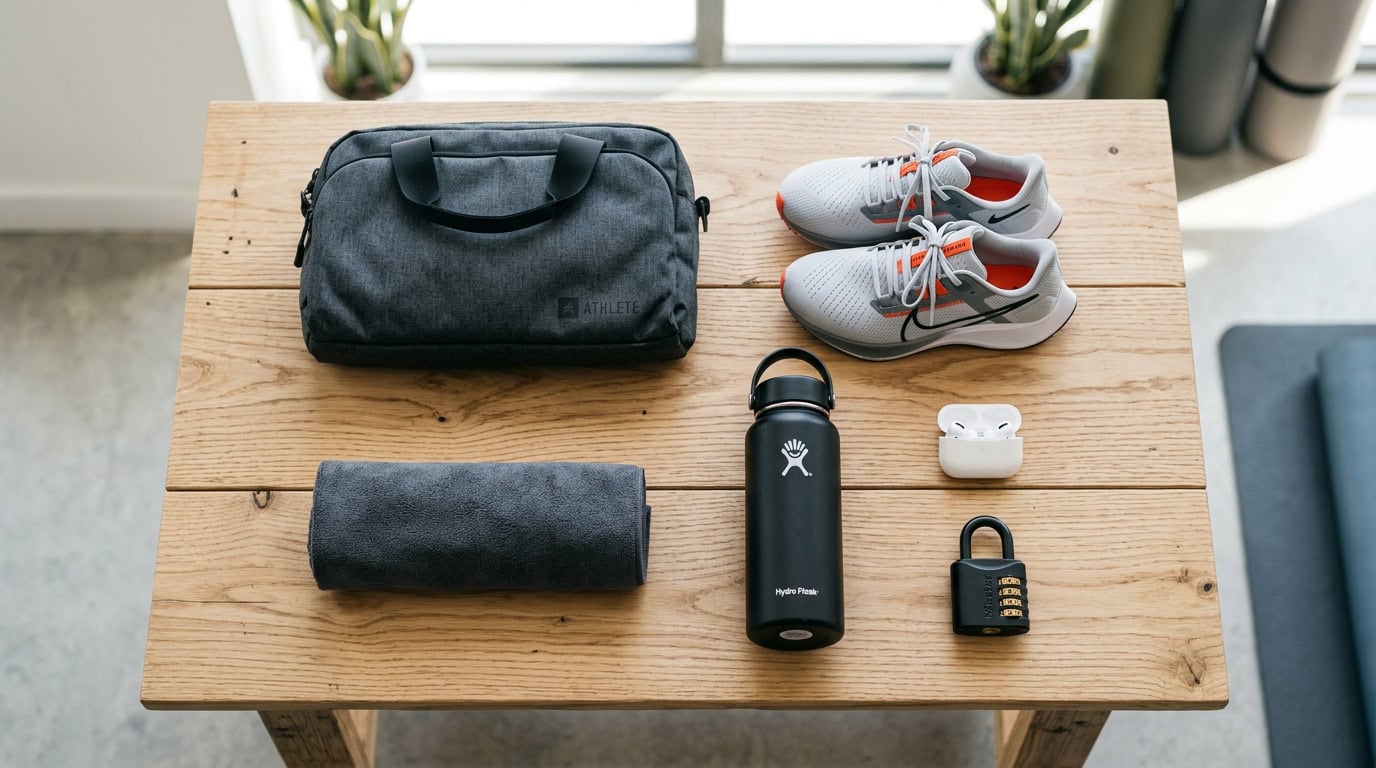
    Walking into a gym for the first time can feel overwhelming. Between the rows of unfamiliar machines, the regulars who seem to know exactly what they’re doing, and the worry that you’ve forgotten something important — it’s enough to make anyone nervous. But here’s the truth: every single person in that gym had a first day too. — Most gyms provide lockers but not locks. A simple combination lock means no keys to lose mid-workout.

Nice-to-Have Items

  • Wireless earbuds — Music or a podcast can make the time fly and help you focus.
  • Deodorant and face wipes — For a quick freshen-up if you’re heading somewhere after.
  • Snack — A banana or protein bar for energy after your session.
  • Phone armband or pocket — If you’re using your phone for a workout app or timer.
  • Spare hair bands — Always useful and easy to forget.

What to Wear: Practical Advice for UK Gyms

UK gyms tend to be well-heated indoors, even in winter. Here’s what works:

Upper Body

  • A breathable t-shirt or vest top — avoid overly baggy clothes that might catch on equipment
  • If you run cold, layer with a lightweight zip-up you can remove easily
  • Dark colours are practical but wear whatever makes you feel confident

Lower Body

  • Shorts or joggers that allow a full range of motion
  • Leggings are a popular and comfortable choice for all genders
  • Avoid jeans, trousers with metal buttons or anything restrictive

Footwear

  • Clean trainers with flat, non-marking soles
  • Running shoes are fine for general gym use
  • Most UK gyms do not allow outdoor shoes or open-toed footwear on the gym floor

What to Expect: Your First Session Step by Step

Before You Arrive

  • Check your gym’s hours — Many UK gyms are 24/7, but staffed hours vary. If you want an induction, visit during staffed hours.
  • Book an induction if offered — Most gyms include a free induction with membership. A member of staff will show you around, explain how the machines work, and help you feel at home. Take them up on it.
  • Have a rough plan — Even a simple plan like “20 minutes walking on the treadmill, then try 3 machines” is better than wandering aimlessly.

When You Arrive

  • Check in — Swipe your membership card, use the app, or type in your PIN at reception.
  • Find the changing rooms — Store your bag, freshen up if needed, and grab your water bottle and towel.
  • Take a moment to look around — Most gyms are laid out in zones: cardio area, fixed resistance machines, free weights, and stretch areas. Get your bearings.

During Your Workout

  • Start with a warm-up — 5 to 10 minutes of light cardio (walking, cycling, cross-trainer) to get your blood flowing.
  • Try machines before free weights — Fixed resistance machines guide your movement and are safer for beginners. Look for instructions printed on the side of each machine.
  • Don’t rush — Rest 60 to 90 seconds between sets. No one is timing you.
  • Wipe down equipment after use — This is non-negotiable gym etiquette in the UK.
  • Ask for help if you need it — Gym staff are there to help. If a machine confuses you, just ask. They would far rather show you than see you struggle or risk injury.

After Your Workout

  • Cool down — 5 minutes of gentle walking and some basic stretches.
  • Hydrate — Drink water throughout and after your session.
  • Note how you feel — The first session is about getting comfortable, not smashing personal records. If you feel good afterwards, that’s a win.

A Sample 30-Minute First Session

If you’re not sure where to start, try this simple routine:

  • Warm-up: 5 minutes walking on the treadmill (brisk pace)
  • Leg press machine: 2 sets of 10 reps (light weight)
  • Chest press machine: 2 sets of 10 reps (light weight)
  • Seated row machine: 2 sets of 10 reps (light weight)
  • Cool-down: 5 minutes gentle cycling

That’s it. Thirty minutes, no stress, full body. You can build from here.

Common First-Timer Worries — Addressed

“Everyone will stare at me”

They won’t. Most people in the gym are focused on their own workout, their music, or their phone. A University of Lincoln study found that gym-goers overwhelmingly report being supportive of beginners. You’re not being judged.

“I don’t know how to use the equipment”

Nobody does on day one. Most machines have illustrated instructions on them. Ask for an induction. Watch a quick YouTube tutorial before you go. Or simply ask a member of staff — it’s literally their job to help you.

“I’m not fit enough to go to the gym”

The gym is where you go to get fit. You don’t need to be in shape before you start. Every regular member started exactly where you are now.

For Gym Owners: Helping First-Timers Feel Welcome

If you run a gym in the UK, first-timers are your biggest growth opportunity. Here’s how to make sure they come back:

  • Offer a free, no-pressure induction — This single step dramatically improves retention. Walk them through the gym, show them three or four machines, and check in with them after their first week.
  • Provide clear signage on machines — Simple QR codes linking to 30-second how-to videos can transform the beginner experience.
  • Train your staff to spot lost beginners — A friendly “Everything going okay?” goes a long way.
  • Create a beginner-friendly zone — Even a small area with a few basic machines and a sign saying “Beginner-Friendly Area” can reduce anxiety dramatically.
  • Claim your GymPal listing — Make sure your gym appears on GymPal so that people searching for gyms in your area can find you, read reviews, and get in touch. It’s free and takes minutes.

Quick Reference Checklist

  • ✅ Water bottle
  • ✅ Gym towel
  • ✅ Clean trainers
  • ✅ Comfortable workout clothes
  • ✅ Lock for the locker
  • ✅ Earbuds (optional)
  • ✅ Post-workout snack (optional)
  • ✅ A simple workout plan
  • ✅ Positive attitude — you’ve got this

Your first gym session is the hardest one you’ll ever do. After that, it gets easier every time. Find a gym near you on GymPal, pack your bag, and go. You’ll be glad you did.

  • How to Recover Faster After a Tough Gym Session: Tips That Actually Work

    How to Recover Faster After a Tough Gym Session: Tips That Actually Work

    You pushed hard. You left everything on the gym floor. Now your muscles are screaming, your legs feel like jelly, and you are wondering if you will even be able to get out of bed tomorrow. Sound familiar?

  • Increased injury risk
  • Stalled progress and plateaus
  • Fatigue and poor sleep
  • Motivation drop-offs
  • 1. Rehydrate Properly (Not Just Water)

    You lose a lot of fluid through sweat during an intense session. Plain water is a good start, but you also need to replace electrolytes — sodium, potassium, and magnesium — that help your muscles function properly.

    What to do:

    2. Eat for Recovery Within the Golden Window

    There is a lot of debate about the “anabolic window,” but the science is clear on one thing: eating protein and carbs after training helps your body recover faster than fasting.

    Aim for:

    A simple post-gym meal could be grilled chicken with rice and veg, or a protein shake blended with oats and a banana. You do not need expensive supplements — real food works brilliantly.

    3. Use Active Recovery Instead of Complete Rest

    Sitting on the sofa for two days after leg day is the worst thing you can do. Light movement increases blood flow, delivers nutrients to damaged muscles, and clears out waste products like lactic acid.

    Try these active recovery options:

    The key is keeping the intensity low. You should feel better afterwards, not more tired.

    4. Sleep: Your Most Powerful Recovery Tool

    Sleep is when your body releases growth hormone, repairs tissue, and consolidates the adaptations from your training. If your sleep is poor, your recovery will be poor — no matter how well you eat or stretch.

    Quick sleep tips:

    If you are training hard and sleeping less than 6 hours a night, you are working against yourself.

    5. Foam Rolling and Stretching

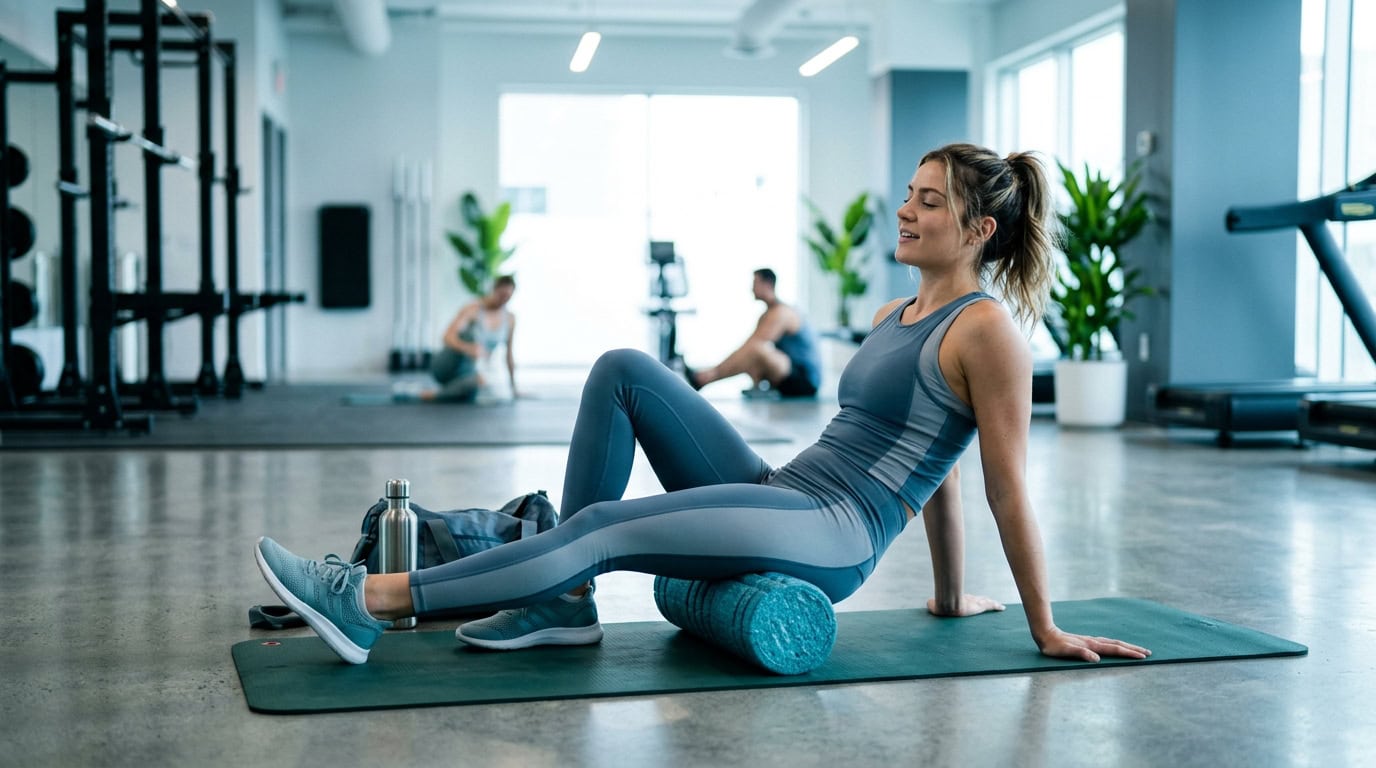
    Foam rolling (also called self-myofascial release) helps break up adhesions in your muscle tissue and improve range of motion. It can also reduce the severity of delayed onset muscle soreness (DOMS).

    How to do it effectively:

    Most UK gyms have foam rollers available. If yours does not, they are affordable online and one of the best recovery investments you can make.

    6. Cold Water Therapy and Contrast Showers

    Cold water immersion has become increasingly popular in the UK fitness scene, and for good reason. Cold exposure reduces inflammation, numbs pain, and can speed up perceived recovery.

    How to use it:

    Note: Avoid cold water immersion immediately after a strength session if your goal is muscle growth — some evidence suggests it may blunt hypertrophy signals. Save it for after cardio-heavy or endurance sessions.

    7. Manage Your Training Load

    One of the most overlooked recovery strategies is simply not overdoing it in the first place. Progressive overload works, but jumping from three sessions a week to six overnight is a recipe for burnout and injury.

    Smart training tips:

    Quick Recovery Checklist

    The Bottom Line

    Recovery is not passive — it is an active process that you can optimise with the right habits. Hydrate, eat well, sleep properly, move gently on rest days, and do not ignore your body when it tells you to ease off. The people who make the best progress are not the ones who train the hardest — they are the ones who recover the best.

    If you are looking for a gym that fits your training style and recovery needs, GymPal can help you find the right fit. With thousands of UK gyms listed, from 24-hour facilities to specialist recovery centres, it is the easiest way to discover what is available near you.

  • HIIT, Spin, Yoga or Weights? How to Pick the Right Gym Class for Your Goals

    HIIT, Spin, Yoga or Weights? How to Pick the Right Gym Class for Your Goals

    Walking into a gym for the first time is overwhelming enough. Walking in and seeing a timetable packed with acronyms — HIIT, LBT, CXWorx — can make you want to turn straight back round.

    Choosing the right gym class shouldn’t feel like sitting an exam. Whether you want to lose weight, build strength, reduce stress, or simply find a workout you actually enjoy, there’s a class for you. The trick is matching the class to your goals — not the other way round.

    In this guide, we’ll break down the most popular gym class types available in the UK, explain who each one is best suited to, and help you figure out where to start. We’ll also show you how to use GymPal to find gyms near you that offer the classes you want.

    Know Your Goals First

    Before picking a class, ask yourself what you actually want to achieve:

    • Fat loss and cardiovascular fitness — you want to get your heart rate up and burn calories
    • Strength and muscle tone — you want to build lean muscle and get stronger
    • Flexibility and recovery — you want to move better, reduce stiffness, or complement other training
    • Mental wellbeing and stress relief — you want exercise that calms your mind as much as your body
    • Social motivation — you want the energy of a group to keep you showing up

    Most people want a combination of these. The good news? Many classes tick several boxes at once.

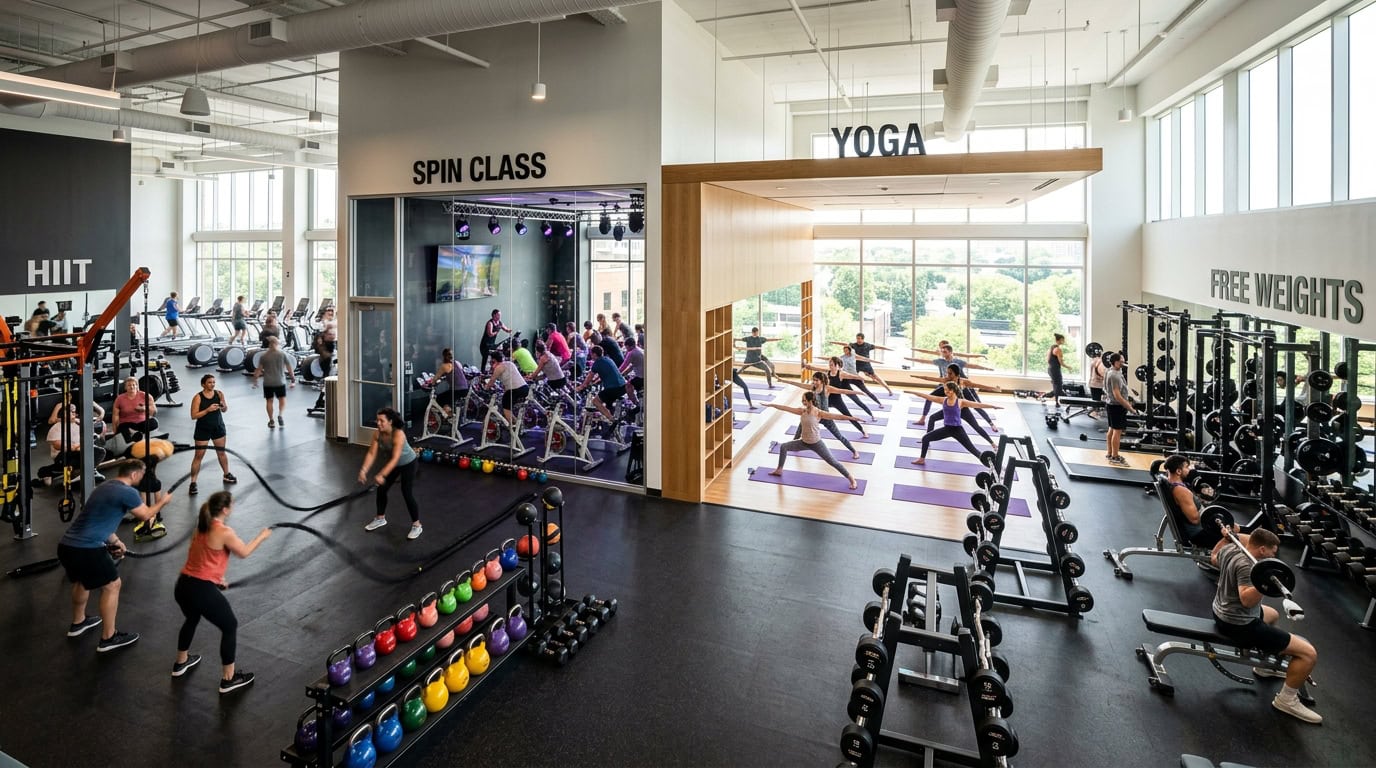
    HIIT Classes — The Calorie Crusher

    What it is: High-Intensity Interval Training alternates between short bursts of all-out effort and brief recovery periods. A typical class lasts 30–45 minutes.

    Best for: Fat loss, cardiovascular fitness, time-pressed gym-goers.

    What to expect: Burpees, sprints, kettlebell swings, box jumps, and bodyweight exercises. You’ll be working at 80–95% of your maximum heart rate during the intense intervals.

    Who should think twice: Complete beginners with no exercise background might want to build a base fitness level first. If you have joint problems, check with the instructor about modifications.

    GymPal tip: Many UK gyms now offer HIIT classes under different names — Metafit, Tabata, Sprint, or simply “HIIT.” Use GymPal to search for gyms in your area and check their class timetables before you commit to a membership.

    Spin Classes — Low Impact, High Intensity

    What it is: Indoor cycling on stationary bikes, typically led by an instructor who controls the pace, resistance, and intervals. Classes range from 30 to 60 minutes.

    Best for: Cardiovascular fitness, lower-body endurance, calorie burning without joint stress.

    What to expect: You’ll adjust your bike’s resistance to simulate hills, sprints, and flat roads. Most classes are set to high-energy music. Some studios, like Les Mills RPM or Peloton-style classes, add structured programming.

    Who should think twice: If you have lower back issues or knee problems, make sure the bike is set up correctly — most instructors will help you with this before the class starts.

    Yoga Classes — Strength Meets Stillness

    What it is: A range of classes from gentle stretching (Hatha, Yin) to athletic, sweat-inducing flows (Vinyasa, Ashtanga, Power Yoga). According to NHS guide to yoga

    Best for: Flexibility, core strength, stress relief, recovery, and mental focus.

    What to expect: Depending on the style, you might hold poses for several minutes (Yin), flow dynamically between postures (Vinyasa), or work in a heated room (Hot Yoga/Bikram). Most classes end with a few minutes of guided relaxation.

    Who should think twice: If you’re looking for a pure calorie burn, yoga alone won’t match HIIT or spin. But as a complement to other training, it’s invaluable for injury prevention and mobility.

    Pilates — Core Strength and Posture

    What it is: A low-impact method focusing on core stability, posture, alignment, and controlled movement. Mat Pilates uses bodyweight; Reformer Pilates uses a sliding carriage with springs.

    Best for: Core strength, back pain relief, posture correction, postnatal recovery.

    What to expect: Small, precise movements that target deep stabilising muscles. It doesn’t look exhausting, but you’ll feel it the next day. Reformer classes tend to be more intense and are increasingly popular across UK gyms.

    Body Pump and Strength Classes — Build Lean Muscle

    What it is: Barbell-based group strength training (Les Mills BodyPump is the most common format). You work through a full-body routine set to music, using adjustable weights.

    Best for: Muscle tone, strength endurance, bone density, metabolic boost.

    What to expect: Squats, lunges, chest presses, dead rows, shoulder presses, and core work — all done with a barbell in a group setting. The instructor demonstrates each track and encourages you to choose your own weight.

    Who should think twice: If you want to build maximum strength or muscle size, you’ll eventually need to move to the free weights area. But BodyPump is an excellent starting point and a great way to learn proper form.

    Circuit Training — All-Round Fitness

    What it is: Rotating through a series of exercise stations with minimal rest. Each station targets a different muscle group or fitness component.

    Best for: Total-body conditioning, fat loss, variety, all fitness levels.

    What to expect: You might do 30–60 seconds at each station — press-ups, lunges, battle ropes, box steps, rowing machine — then move to the next. Classes are usually 45 minutes and scale to different ability levels.

    Dance Fitness — Fun That Doesn’t Feel Like Exercise

    What it is: Zumba, Dance Fit, Clubbercise, and similar classes that combine dance routines with cardio exercise.

    Best for: Cardiovascular fitness, coordination, mood boosting, anyone who finds traditional gym workouts boring.

    What to expect: Follow-along dance routines set to upbeat music. No dance experience required — it’s about moving, not performing. You’ll burn anywhere from 300–600 calories per session.

    Boxing and Combat Classes — Stress-Busting Conditioning

    What it is: Group fitness classes based on boxing techniques — pads, bags, and bodyweight drills. Think Boxercise, Boxx, or gym-specific boxing fitness classes.

    Best for: Cardiovascular fitness, upper-body conditioning, stress relief, coordination.

    What to expect: A mix of punching combinations, pad work, footwork drills, and bodyweight exercises. Most classes don’t involve any contact — you’ll work on bags or with a partner holding pads.

    How to Choose the Right Class for You

    Here’s a quick reference to help you decide:

    Your Goal Best Classes to Start With
    Lose weight / burn fat HIIT, Spin, Circuit Training
    Build strength / tone up BodyPump, Circuit Training, Pilates
    Improve flexibility / reduce pain Yoga, Pilates
    Reduce stress / mental health Yoga, Boxing, Dance Fitness
    Get started as a beginner Circuit Training, Spin, Dance Fitness
    Train with an injury Spin (low impact), Pilates, Yoga (with modifications)

    Mixing Classes for Balanced Fitness

    The best approach for most people is a combination:

    • 2–3 cardio-focused classes per week (HIIT, spin, or boxing)
    • 1–2 strength classes (BodyPump, circuit training)
    • 1 flexibility/recovery session (yoga or Pilates)

    This balance gives you the cardiovascular benefits of aerobic training, the metabolic boost of strength work, and the injury prevention that comes from regular mobility practice.

    Finding the Right Gym for Your Class Schedule

    Not every gym offers every class — and class timetables vary enormously. Before you sign up for a membership, check that the gym actually runs the classes you want at times you can attend.

    GymPal makes this easy. You can search for gyms in your area, filter by the facilities and classes they offer, and compare timetables side by side. Whether you’re looking for a gym with a dedicated spin studio, one that offers Reformer Pilates, or simply a place with a packed HIIT timetable, GymPal helps you find the right fit without the guesswork.

    Final Tips for Your First Class

    • Arrive 10 minutes early — introduce yourself to the instructor and let them know you’re new
    • Don’t go all-out on day one — pace yourself and learn the format first
    • Wear comfortable, breathable clothing and proper trainers (flat soles for weights, cushioned for HIIT)
    • Bring a water bottle — most classes will have water fountains but you’ll want your own supply
    • Don’t compare yourself to anyone — everyone in that room was a beginner once

    The best gym class is the one you’ll actually go to. Start with whatever sounds fun, give it a few sessions to get comfortable, and don’t be afraid to try something new. Your perfect workout is out there — and GymPal can help you find it.

  • How to Use Instagram to Fill Your UK Gym With New Members

    How to Use Instagram to Fill Your UK Gym With New Members

    How to Use <a href="https://askgympal.co.uk/blog/instagram-grow-gym-membership-without-paid-ads/" target="_blank" rel="dofollow" >Instagram</a> to Fill Your UK Gym With New <a href="https://askgympal.co.uk/blog/gym-renovation-refurbishment-without-losing-members/" target="_blank" rel="dofollow" >Members</a>

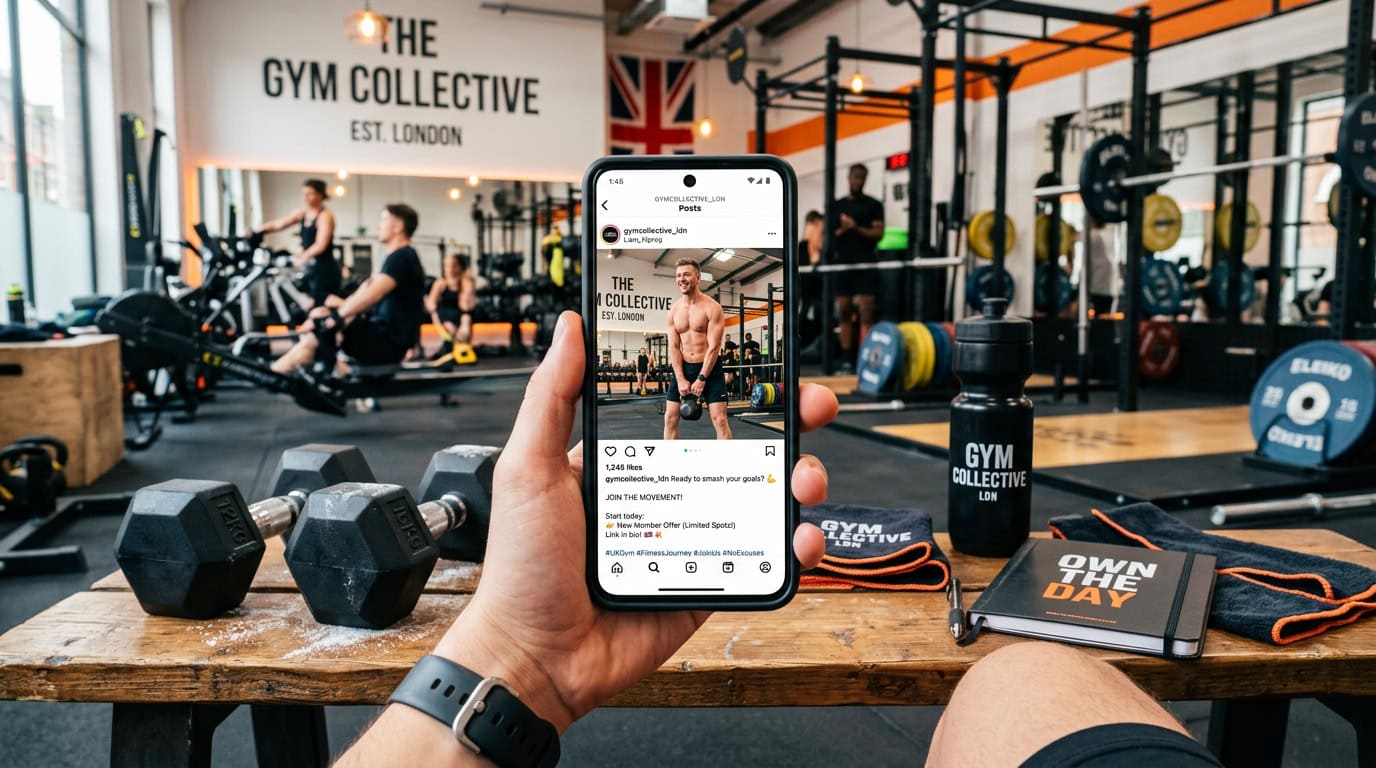
  • Bio: Three lines maximum. Who you are, where you are, what makes you different. Include a call to action.
  • Link: Use a link-in-bio tool (Linktree, Later, or Beacons) to direct people to your free trial signup, pricing page, or website
  • Story highlights: Create covers for Tours, Classes, Results, Member Reviews, and FAQs
  • Think of it this way: if someone stumbles across your profile, can they understand within five seconds what your gym is, where it is, and how to join? If not, your profile needs work.

    The Content Strategy That Actually Works

    Most gym Instagram accounts make the same mistake: posting only motivational quotes and stock fitness images. That content gets scrolled past. Here is what actually drives engagement and sign-ups:

    1. Behind-the-Scenes Content

    People want to see the real gym — not curated stock photos. Post content that shows the authentic experience:

    This type of content builds trust. It shows potential members what it is actually like to be part of your community.

    2. Member Transformation Stories

    Nothing sells a gym like real results. Ask willing members to share their journey — their starting point, what training at your gym has done for them, and a before-and-after photo. These posts consistently generate the highest engagement and are the most shared.

    Always get written permission before posting member content. A simple message or form is enough.

    3. Educational Content

    Position your coaches as experts. Short form video content performing well right now includes:

    Educational content gets saved and shared — both of which boost your reach in Instagram’s algorithm.

    4. Class Previews and Timetable Teasers

    Give people a reason to visit. Post short clips of your classes in action — a HIIT session, a spin class, a yoga flow. Add text overlay with the class name, day, and time. This is particularly effective in Instagram Stories, where you can add a direct link to book.

    5. Community and Culture Posts

    Show that your gym is more than equipment and floorspace:

    This content appeals to people looking for a gym community — and that is a growing market in the UK.

    Reels, Carousels, and Stories: What to Post Where

    Different content formats serve different purposes. Here is how to allocate your effort:

    Format Best For Frequency
    Reels Reach and discovery — tutorials, workouts, transformations 3–4 per week
    Carousels Education and saves — tips, guides, myth-busting 1–2 per week
    Stories Engagement and urgency — daily life, polls, class updates Daily (3–5 frames)
    Single posts Brand aesthetics — gym photos, announcements 1–2 per week

    Reels are your primary growth engine. Instagram actively pushes Reels to non-followers, which means every Reel is an opportunity to reach someone who has never heard of your gym. Focus here first.

    Hashtags and Discovery: A UK-Focused Approach

    Do not spam 30 generic hashtags hoping for the best. Use a targeted strategy:

    Instagram now recommends using 3–5 highly relevant hashtags rather than the old maximum of 30. Quality over quantity.

    Converting Followers Into Members

    Followers do not pay the rent — members do. Here is how to turn your Instagram audience into paying members:

    Add a Clear Call to Action in Every Post

    Every post should answer the question: “What do I want someone to do after seeing this?” Common CTAs include:

    Use Instagram Ads Strategically

    You do not need a huge budget. Even £5–10 per day on a well-targeted ad can drive free trial sign-ups. Target by:

    Boost your best-performing organic posts rather than creating separate ad content. If a Reel got high engagement from locals, put a small budget behind it with a “Free Trial” CTA.

    Respond to Every DM and Comment

    When someone comments on your post or sends a DM, they are showing interest. Respond quickly and helpfully. Many gym owners lose potential members simply by being slow to reply. Aim to respond to DMs within two hours during business hours.

    How GymPal Complements Your Instagram Strategy

    Instagram is great for awareness, but it is not the only place potential members look. People searching for “gyms near me” on Google are further down the funnel — they are ready to make a decision. That is where being listed on a fitness directory makes a difference.

    GymPal puts your gym in front of thousands of UK fitness seekers who are actively comparing gyms in your area. Combined with a strong Instagram presence, you cover both discovery channels: social media for inspiration and search for decision-making.

    If your gym is not yet listed, claim your free listing on GymPal — it takes minutes and gives you another channel to attract members who are ready to join.

    Measuring What Matters

    Do not obsess over follower count. These are the metrics that actually indicate whether your Instagram is driving business:

    Metric Why It Matters
    Saves per post High saves = content people find valuable (algorithm boost)
    Shares per post Shares extend your reach to new audiences
    DMs received Direct inquiries = warm leads
    Link clicks (bio) People visiting your website or trial page
    Story replies Engagement from your most active audience
    Free trial sign-ups from Instagram The ultimate conversion metric — track this with UTM links

    Use a free UTM link (Google’s URL builder) in your bio to track exactly how many website visits and trial sign-ups come from Instagram.

    The Bottom Line

    Instagram is not a luxury for UK gym owners — it is a necessity. The platform gives you direct access to your local community, and with a consistent content strategy focused on authenticity, education, and community, you can build an audience that translates into real members.

    Start with what you have. Film a Reel on your phone today. Share a member story. Post a class timetable update to Stories. Small, consistent actions on Instagram compound over weeks and months into a steady stream of new enquiries.


    Looking for more ways to get discovered by local fitness seekers? Claim your free GymPal listing and appear in front of thousands of UK gym-goers actively searching for their next gym. Pair it with your Instagram strategy for maximum visibility.


    Is your gym listed on GymPal? Over 10,000 UK fitness businesses are in our directory. Claim your free listing in 5 minutes — and start getting discovered by local fitness seekers today.

  • How to Use Instagram to Attract New Members to Your UK Gym

    How to Use Instagram to Attract New Members to Your UK Gym

    Instagram Is Where Your Next Members Are Already Scrolling

    If you run a gym in the UK and you’re not actively using Instagram, you’re ignoring the platform where most of your potential members spend their time. According to Ofcom’s latest data, over 30 million people in the UK use Instagram, and the fitness niche is one of the most engaged categories on the platform.. People search for gyms by area.

  • Keyword-rich bio: Use terms your audience searches for: “strength training,” “HIIT classes,” “personal training,” “Bristol gym.” Instagram bios are searchable.
  • Professional profile photo: Your logo or a high-quality exterior shot of your gym.
  • Link in bio: Use a link tool (Linktree or similar) that directs to your sign-up page, class timetable, free trial offer, and your GymPal listing.
  • Highlights: Create story highlights for FAQs, facilities, member results, classes, and testimonials.
  • 2. Content Types That Actually Drive Sign-Ups

    Not all content is created equal. Here are the formats that consistently drive results for UK gyms:

    Member Transformations and Testimonials

    Nothing sells a gym membership like real results from real members. Ask members if they’d be happy to share their story (with before/after photos if appropriate). Always get written permission before posting someone’s image or story.

    Example: “Sarah joined IronWorks in January having never stepped foot in a gym. 6 months later, she’s deadlifting 80kg and ran her first 10K. Here’s what she has to say about her journey…”

    Behind-the-Scenes Content

    People want to see the real side of your gym — not just polished marketing. Post about:

    Educational Content

    Position your gym as a knowledge hub. Short-form video content performs exceptionally well:

    Reels and Short-Form Video

    Instagram Reels are currently the best way to reach non-followers. The algorithm actively pushes Reels to people who don’t follow you yet, which means organic reach potential far beyond your existing audience.

    Keep Reels under 30 seconds, use trending audio strategically (not at the expense of content quality), and always include captions — many people watch without sound.

    3. Post Consistently Without Burning Out

    Consistency matters more than volume. A gym posting 4-5 times per week will outperform one posting daily for two weeks then disappearing for a month. Here’s a realistic schedule:

    Batch-create content on one afternoon per week. Film 4-5 Reels in one session, write your captions in advance, and schedule posts using Meta Business Suite (free) or a scheduling tool.

    4. Use Local Hashtags Strategically

    As a local gym, your target audience is geographically specific. Use a mix of:

    Use 15-20 relevant hashtags per post. Mix broad (#fitness) with specific (#BristolHIITClasses) for best reach.

    5. Engage With Your Local Community

    Instagram is a social network, not a billboard. Engagement drives visibility:

    6. Run Instagram-Specific Promotions

    Drive followers to become members with targeted offers:

    7. Track What’s Working

    Switch to a professional/creator account (free) to access Instagram Insights. Track these metrics monthly:

    If reach is growing but link clicks aren’t, your content is attracting attention but not driving action. Review your bio and call-to-action strategy. If link clicks are strong but sign-ups are low, the issue may be on your website or sign-up process.

    Make Your Gym Easy to Find Beyond Instagram

    Instagram is a powerful tool, but it shouldn’t be your only digital presence. When someone sees your Reel and wants to find out more — your opening times, facilities, real member reviews, and how to sign up — they’ll search for you online. Make sure they find a complete, up-to-date profile on GymPal.

    A free GymPal listing puts your gym in front of thousands of UK fitness seekers every month, complete with photos, facilities, contact details, and genuine reviews. It’s the perfect complement to your Instagram strategy — one drives awareness, the other captures intent. List your gym on GymPal for free today.


    Is your gym listed on GymPal? Over 10,000 UK fitness businesses are in our directory. Claim your free listing in 5 minutes — and start getting discovered by local fitness seekers today.