Tag: gym membership

  • Budget Gym Chains UK Compared: PureGym vs The Gym Group

    Budget Gym Chains UK Compared: PureGym vs The Gym Group

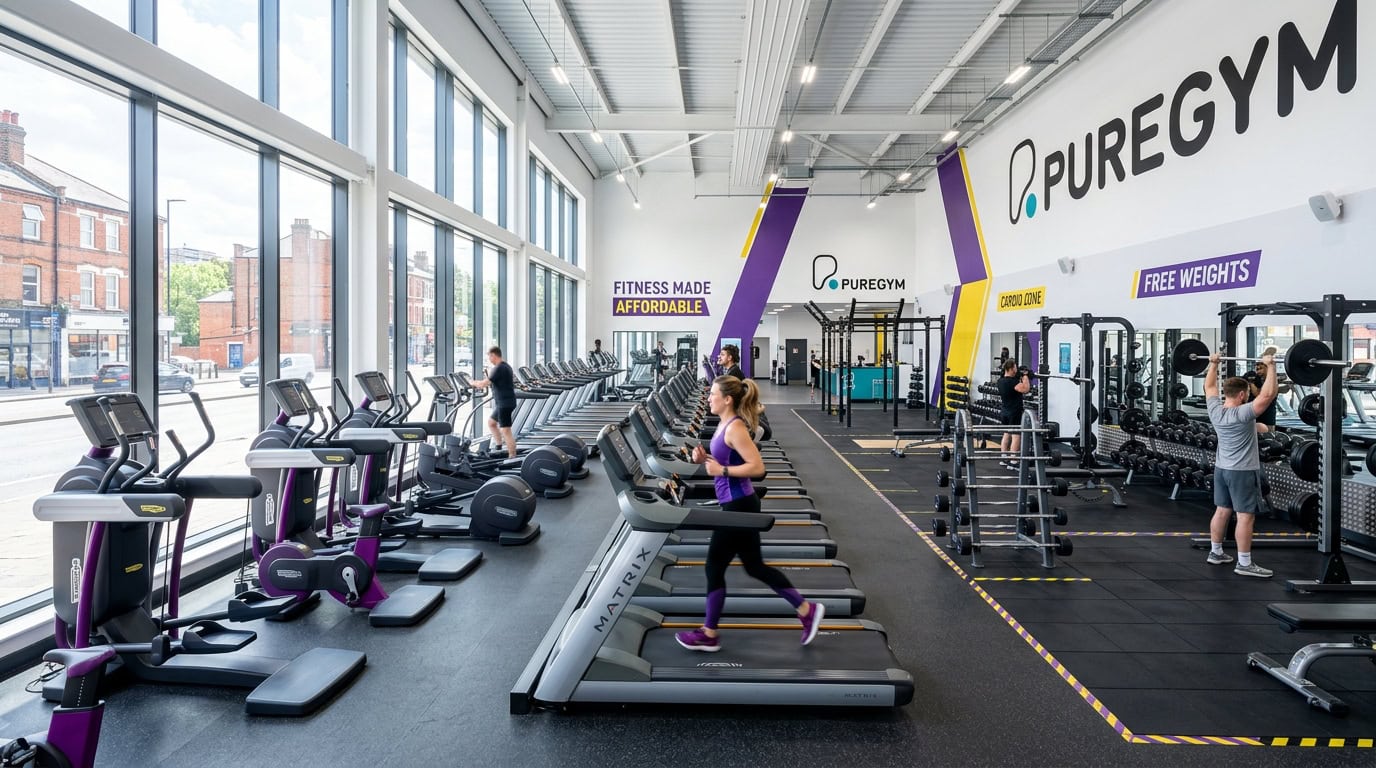
    Walk down any UK high street and you’ll spot at least two of them within five minutes of each other: a purple PureGym sign, a bright yellow Gym Group logo, maybe an Anytime Fitness tucked above the shops. Budget gyms have quietly taken over British fitness, and for good reason — no-contract memberships, low monthly fees, and locations on practically every corner from Aberdeen to Ashford.

    But “budget” doesn’t mean identical. Anyone who’s used more than one of these chains knows the differences show up fast — in how busy the squat rack gets at 6pm, whether the aircon actually works in July, and how easy it is to escape a membership when you move house. Picking the wrong one means paying for a gym you dread visiting.

    This guide breaks down the UK’s major low-cost chains — PureGym, The Gym Group, Anytime Fitness and Xercise4Less — on the things that actually matter: price, opening hours, kit, and how painful (or painless) it is to join and leave.

    Why Budget Gyms Have Taken Over

    This isn’t a small trend. According to ukactive’s 2026 UK Health and Fitness Market Report, the sector now has around 12.2 million members, roughly 18% of the adult population, and low-cost, no-contract operators have been the main engine behind that growth over the past few years. Traditional leisure centres and premium clubs simply haven’t expanded at the same pace, while budget chains have opened hundreds of sites built around one idea: strip out the pool, the spa and the staff-heavy service, and pass the savings straight to members.

    That trade-off is exactly what you’re weighing up when you compare these chains. You’re not choosing between “good” and “bad” gyms — you’re choosing which combination of price, hours and facilities fits how you actually train.

    Price Compared: What You’ll Actually Pay Per Month

    PureGym typically sits at the cheaper end, with off-peak plans from around £18/month and full 24/7 access plans in the mid-to-high £20s, rising in central London. The Gym Group runs a similar structure, generally £18–£35/month outside the capital, with London sites often £25–£40. Anytime Fitness positions itself as the premium budget option — genuine 24/7 access with no off-peak restrictions usually costs £35–£60/month, reflecting its smaller, more consistent estate. Xercise4Less, more concentrated in the North and Midlands, tends to undercut all three with plans often below £20/month at larger warehouse-style sites.

    Exact pricing swings a lot by postcode and ongoing joining offers, so treat these as a starting point rather than gospel. If you want a fuller regional breakdown of what gym-goers are paying across every tier, not just the budget chains, our guide to UK gym membership prices in 2026 covers premium and mid-market options too.

    Opening Hours and Access: Who’s Really 24/7

    “24-hour gym” gets used loosely in marketing, so it’s worth checking the fine print. PureGym’s cheapest off-peak tier restricts access during the busiest evening and weekend-morning windows, even though the building itself is staffed round the clock at flagship sites. The Gym Group is similarly tiered — its entry plan often has time restrictions, while the mid-tier plan unlocks full 24/7 entry.

    Anytime Fitness is the one chain that markets true unrestricted 24/7 access on its standard membership, which is genuinely useful if you’re a shift worker, new parent, or someone who trains at 5am before work. Xercise4Less varies more by site — some locations run 24/7, others close overnight, so it’s worth checking the specific branch rather than assuming.

    If your training window is genuinely unpredictable — swapping between early shifts, late shifts and days off — it’s worth phoning the specific branch to confirm access hours rather than relying on the chain’s national marketing, since staffing and security arrangements can differ site to site even within the same brand.

    Kit, Classes and Facilities: Where the Trade-offs Show

    All four chains offer a solid range of cardio and resistance machines, free weights, and some form of studio space for classes, but the depth varies. PureGym and The Gym Group both run large free-weight areas at bigger sites and include group classes (HIIT, spin, yoga) in the membership price at most locations. Anytime Fitness clubs are generally smaller footprint, which means less equipment variety but often shorter queues for machines during peak hours.

    Xercise4Less leans into scale — its warehouse-format clubs tend to have the most floor space and heaviest free-weight provision of the four, appealing to serious lifters, though studio class schedules can be thinner. None of the four chains include pools, saunas or spa facilities as standard; if that matters to you, you’re looking at a different tier of gym entirely.

    App-based booking has become the norm across all four, and it’s worth trying before you join if class access matters to you. PureGym and The Gym Group both run their own apps for booking classes and checking live gym traffic, so you can see how busy a branch is before you leave the house. Anytime Fitness relies more on keyfob or biometric entry with less emphasis on class booking, reflecting its focus on round-the-clock independent training rather than a packed studio timetable.

    Where Each Chain Is Strongest

    Location strategy differs more than people realise. PureGym has grown into the largest network by site count, with a genuinely nationwide spread that means you’re rarely more than a short drive from one, from big cities down to mid-sized towns. The Gym Group has leaned harder into city centres and commuter towns, so it’s often the stronger option if you want a gym near a train station or office district rather than a retail park.

    Anytime Fitness operates on a franchise model, which means individual clubs are often independently run within local communities — you’ll find it well represented in suburban high streets and smaller towns that the bigger chains sometimes skip, though total site numbers are lower than PureGym or The Gym Group. Xercise4Less has built its footprint around fewer, much larger warehouse-format clubs concentrated in the North of England, Midlands and parts of Scotland, so it’s less useful if you’re in the South East but excellent if you’re near one of its bigger sites.

    Extra Costs to Watch For

    The headline monthly price rarely tells the whole story. Several chains charge a one-off joining or administration fee, typically £10–£25, which sometimes gets waived during promotional periods — worth asking about before you sign up rather than after. Freezing your membership (useful if you’re injured, pregnant, or travelling for work) is usually free for a set number of weeks per year, but some plans charge a small monthly holding fee once you go beyond that allowance.

    Group classes are included as standard at PureGym and The Gym Group, but some specialist sessions — reformer-style Pilates or dedicated boxing classes at larger sites — can carry a small supplementary charge. Personal training is essentially always an add-on cost across all four chains, usually booked directly with self-employed trainers who rent floor space rather than gym employees, so prices and quality vary considerably even within the same chain. It’s worth asking to trial a session before committing to a PT package on top of your membership.

    Contracts, Freezing and Cancelling

    The genuine selling point across all these chains is flexibility. Nearly every plan is rolling month-to-month with no long-term commitment, and most let you freeze membership for a set period if you’re injured or travelling. Where it gets messy is the cancellation process itself — notice periods typically run 30 days, payment dates don’t always align with when you submit notice, and some members get caught out by an extra month’s charge they didn’t expect.

    If you’re planning to switch chains or drop your membership altogether, it’s worth reading through the notice periods and timing quirks in our guide to cancelling a gym membership in the UK before you give notice, so you’re not caught paying for a month you didn’t plan on.

    So Which One Should You Actually Join?

    There’s no single winner — it genuinely depends on your schedule and priorities. If price is the only factor, Xercise4Less or PureGym’s off-peak tier will usually come out cheapest. If you need guaranteed access at odd hours, Anytime Fitness is worth the higher fee. If you want the biggest choice of classes alongside a low price, The Gym Group and PureGym both compete well. And if floor space for serious lifting matters more than polish, Xercise4Less’s warehouse sites are hard to beat.

    Rather than committing based on branding alone, it’s worth working through the wider decision systematically — things like distance from home versus work, class timetables, and how busy a specific branch gets at the times you’ll actually train. Our full checklist for choosing a gym in the UK walks through exactly that process step by step.

    The Bottom Line

    PureGym, The Gym Group, Anytime Fitness and Xercise4Less all deliver on the core budget-gym promise — low cost, no long-term contract, and enough kit to get a proper session in. The differences that matter are hyper-local: which branch is closest, whether it’s genuinely 24/7, and how busy it gets at your training time. Check the specific site before you check the logo, and you’ll end up with a gym you’ll actually keep using past January.

    The quickest way to see how these chains stack up near you specifically is to compare real locations rather than national averages, since price and facilities can vary branch to branch even within the same chain. You can search and compare gyms near you on GymPal to see opening hours, facilities and member reviews side by side before you commit to a membership.

  • Women-Only Gyms UK: Why They’re Booming in 2026

    Women-Only Gyms UK: Why They’re Booming in 2026

    Walk into a growing number of UK gyms right now and you’ll notice something: a dedicated women-only floor, a female-only class timetable, or an entire club that simply doesn’t admit men. This isn’t a niche trend anymore. Women-only gyms and women-only sessions are opening in high streets, retail parks and council leisure centres from Bradford to Brighton, and waiting lists at some of the busiest ones stretch for weeks.

    If you’ve ever cancelled a gym visit because you didn’t fancy being the only woman on the weights floor, or you’ve simply never set foot in one because the idea felt intimidating, this shift is worth understanding. It’s changing where and how a huge number of UK women choose to train.

    This guide covers why women-only gyms are growing so fast, what you can actually expect once you’re inside one, how they differ from mixed gyms that just run the odd “ladies’ hour”, and how to find the right one near you.

    The Rise of Women-Only Gyms in the UK

    The numbers behind this trend are hard to ignore. Sport England’s Active Lives Adult Survey has tracked a persistent activity gap between men and women for years, and gym anxiety specific to mixed-sex weights areas is consistently cited as one of the biggest barriers women report. Sport England’s own This Girl Can campaign was built directly off research showing that fear of judgement, not lack of motivation, keeps many women out of the gym altogether.

    Operators have responded. Chains like Contours Women’s Health Clubs have quietly built one of the largest women-only networks in the country, and mainstream leisure trusts such as GLL’s Better centres and Everyone Active now run dedicated women-only gym and swim sessions in dozens of towns, particularly in areas with large South Asian and Muslim communities in Bradford, Birmingham, Blackburn and parts of London where cultural and religious considerations make single-sex facilities essential rather than a nice-to-have. Independent boutique studios focused on strength training, Pilates and barre for women have opened in almost every major UK city over the last two years.

    Why Women Are Choosing Single-Sex Gym Spaces

    Ask women who’ve switched and the same reasons come up again and again: feeling watched, feeling judged on technique, or simply not wanting to navigate a crowded free-weights area dominated by men. This isn’t the same as general nervousness about starting a fitness routine, though the two often overlap. If unfamiliar equipment and busy gym floors already make you anxious, working through practical strategies for beating gymtimidation alongside choosing a single-sex environment can make that first month far less daunting.

    There’s also a safety and comfort dimension that shouldn’t be understated. Several women-only clubs report that members who’d previously avoided evening workouts entirely now train later because they feel safer in a space without men present, particularly for those training alone after dark in winter months.

    Beyond anxiety and safety, plenty of women simply prefer the culture. Women-only gyms tend to build community around shared goals rather than competition, and class timetables lean heavily towards strength, conditioning and mobility work rather than the bodybuilding-focused programming that dominates some mixed clubs.

    What to Expect From a Women-Only Gym or Studio

    Facilities vary a lot depending on whether you’re looking at a full women-only club or a boutique studio. A club like Contours typically offers a circuit-style resistance and cardio setup designed to be completed in 30 minutes, aimed at time-poor members who want an efficient session without a lengthy induction. Boutique studios lean more towards small-group classes: strength circuits, reformer Pilates, and barre-style workouts that blend ballet-inspired movement with isometric holds. If barre is new to you, it’s worth reading up on what a typical barre class involves and what it costs before booking your first session, since pricing and format differ significantly from a standard gym class.

    Free weights areas in women-only gyms are usually smaller than in a big mixed-sex chain, but staff-to-member ratios tend to be higher, and inductions are often more thorough. Expect female personal trainers and instructors as standard, changing rooms that don’t require communal showering if that’s a concern for you, and a generally slower, more patient pace to group classes aimed at building confidence rather than pushing intensity from week one.

    Women-Only Gyms vs Women-Only Sessions: What’s the Difference

    It’s worth separating two things that get lumped together. A genuine women-only gym, like Contours, is single-sex all the time — men simply aren’t members. A women-only session, on the other hand, is a set of hours at an otherwise mixed-sex gym or leisure centre reserved exclusively for women, often once or twice a week.

    Council-run leisure centres are the biggest providers of the second model. Many Better and Everyone Active sites run women-only gym floor and swim sessions, usually early evening or weekend slots, precisely because full single-sex membership isn’t commercially viable for every location but demand for some female-only time clearly exists. These sessions are typically included in a standard leisure centre membership rather than costing extra, which makes them one of the cheapest ways to try a single-sex environment before committing to a dedicated women-only club.

    The Cost Question: Are Women-Only Gyms More Expensive?

    Pricing sits roughly in line with mid-market mixed gyms rather than budget chains. Expect to pay somewhere between £25 and £45 a month for a dedicated women-only club membership, depending on region and whether classes are included, with boutique barre and Pilates studios often charging per-class or via a credit system starting around £15–£20 per session if you’re not on a monthly plan. Council women-only sessions are usually the most affordable route in since they’re folded into standard leisure centre membership, which can run as little as £20–£30 a month in many areas.

    Before signing anything, it’s worth working through the same due diligence you’d apply to any gym contract — checking notice periods, freeze policies and what’s actually included in the price rather than assuming it matches a big mixed-sex chain.

    How to Find the Right Women-Only Gym Near You

    Availability still varies enormously by region. Cities like London, Manchester, Birmingham and Glasgow have several genuine women-only clubs plus boutique studios, while smaller towns might only offer council-run women-only sessions rather than a dedicated club. Searching by facility type on GymPal is the quickest way to filter for women-only gyms and classes near your postcode rather than scrolling through generic gym listings that don’t specify.

    Once you’ve found a shortlist, treat the visit like you would any other gym decision. Many of the same fundamentals from a general gym choice checklist still apply here — opening hours, contract length, cleanliness, and whether the equipment matches what you actually want to do — on top of the women-only-specific questions below.

    Questions to Ask Before You Join

    A few things are worth confirming before you commit to a women-only club or studio, since “women-only” can mean quite different things in practice:

    Ask whether the club is genuinely women-only at all times or only during certain hours, whether male staff (maintenance, reception, personal trainers) ever have floor access during opening hours, what the changing room and shower setup actually looks like, and whether class timetables are fixed or rotate seasonally. If you’re specifically drawn to single-sex training for religious or cultural reasons, it’s also worth asking directly whether instructors and reception staff are exclusively female, since policies differ even among clubs that market themselves as women-only.

    For Gym Owners: Is It Worth Adding Women-Only Hours?

    If you run a mixed-sex gym or leisure centre, this trend is also a commercial opportunity worth taking seriously. Blocking out a few quiet hours a week for women-only access is one of the lowest-cost ways to open your doors to a segment of local demand you’re currently missing entirely — particularly in areas with significant Muslim or South Asian populations, where single-sex provision often isn’t optional for a meaningful share of potential members, it’s the difference between them joining at all or not.

    The operational lift is smaller than owners often assume. You don’t need to close the whole site or hire new female-only staff overnight — many gyms start with one or two off-peak evening slots, staffed by whichever female team members are already on the rota, and expand only once demand proves out. What matters more is communicating the policy clearly: confirming whether male staff retain any floor or reception access during those hours, and making sure changing facilities genuinely support privacy, since a poorly-defined “women-only hour” that still has male maintenance staff wandering through will undo the trust you’re trying to build fast.

    Marketing these sessions well matters just as much as running them. Local community groups, mosques, GP surgeries and school parent networks are often far more effective at spreading the word than social media ads, since word of mouth carries more weight for members who’ve been put off gyms before. Making sure your listing on GymPal clearly flags women-only sessions is also worth doing — it’s exactly the kind of filter women in your area are actively searching for, and a listing that doesn’t mention it is an easy way to lose a member to the club down the road that does.

    Final Thoughts

    Women-only gyms aren’t a passing fad — they’re a direct response to a well-documented confidence and safety gap that’s kept a huge number of women out of fitness spaces for years. Whether that means joining a dedicated club like Contours, booking into a council-run women-only session, or trying a boutique barre or Pilates studio, there’s now more genuine choice across the UK than at any point before.

    The best next step is simply seeing what’s actually available where you live, since provision still varies a lot by region. Search GymPal for women-only gyms, classes and sessions near you, compare a few options, and go and visit before you commit to anything.

  • How to Choose a Gym in the UK: The Full Checklist

    How to Choose a Gym in the UK: The Full Checklist

    Signing up for a gym membership feels like a simple decision until you’re three months into a contract with a gym that’s always packed at the one time you can actually train, or a 40-minute drive from home on the days you’re too tired to bother. Choosing the wrong gym is one of the quickest ways to kill a fitness habit before it’s even started.

    The good news is that picking the right one isn’t complicated once you know what actually matters. It’s rarely about finding the flashiest facility or the cheapest monthly rate — it’s about matching a gym to how, when and why you actually train. This checklist walks through everything worth checking before you hand over your card details, from the practical stuff like opening hours to the easy-to-miss details buried in the contract.

    Whether you’re a total beginner joining your first gym or switching after a bad experience elsewhere, working through this list properly will save you money, hassle, and a cancelled direct debit down the line.

    Location and Opening Hours Matter More Than You Think

    The single biggest predictor of whether you’ll actually use a gym membership is how much friction stands between you and the front door. Research on exercise adherence consistently shows that convenience beats almost every other factor — a slightly worse gym five minutes away will get used far more than a brilliant one that’s a 25-minute commute in the wrong direction.

    Think honestly about your real routine, not your aspirational one. If you’re a before-work trainer, check the gym actually opens early enough — some independent studios don’t unlock the doors until 7am, which is useless if you need to be showered and at your desk by 8.30. If you train after work, check evening closing times too, especially on Fridays when hours often get cut short. And if shift work or unpredictable hours are part of your life, a 24-hour gym or one with staffed late access is worth prioritising over one with a nicer studio but a 9pm curfew.

    Read the Contract Before You Sign

    This is the step most people skip, and it’s the one that causes the most regret. UK gym contracts vary wildly — some are rolling monthly agreements you can walk away from with 30 days’ notice, others lock you in for 12 months with early-exit fees that can run into hundreds of pounds.

    Before signing anything, find out the minimum contract length, the notice period required to cancel, whether fees increase partway through the term, and what happens if you need to pause membership for injury, pregnancy or moving away. If you’ve been burned by a gym contract before, it’s worth reading through how to cancel a gym membership in the UK first, so you know exactly what red flags to look for in the small print this time round.

    It’s also worth knowing your rights as a consumer. Under UK consumer protection rules, contract terms have to be fair and clearly explained — if a gym is vague or evasive when you ask about cancellation terms, that’s a warning sign in itself, not just an inconvenience.

    Check the Kit, Classes and Capacity

    A gym can look impressive in photos and still be a nightmare to actually train in if it’s overcrowded during the hours you need it. Visit at the time of day you’d realistically go — not on a quiet Tuesday afternoon when a sales rep books your tour for 11am on purpose.

    Walk the floor and check whether there’s more than one or two of the equipment you’ll use most (squat racks and benches are the classic bottleneck), whether the cardio machines are well maintained rather than half out of order, and whether the class timetable actually fits your schedule rather than just looking full on paper. If group classes are a big part of why you’re joining, ask whether you need to book ahead and how far in advance spots fill up — some popular HIIT and spin classes in busier UK cities sell out days in advance.

    This isn’t just anecdotal. Gym-based training — classes, weight sessions and general fitness work — has been one of the fastest-growing forms of exercise in the UK in recent years, according to Sport England’s Active Lives survey. That rising demand is exactly why capacity checks matter more now than they did a few years ago — a gym that had plenty of free equipment in 2023 might be considerably busier today.

    Check Hygiene, Safety and Staffing

    It’s easy to overlook this until it’s a problem, but cleanliness and staffing standards vary more between UK gyms than most people expect. On your visit, check whether wipes and sanitiser stations are actually stocked and used, whether the changing rooms and showers look properly maintained rather than just mopped for the tour, and whether the free weights area gets tidied regularly or turns into a pile of loose plates by mid-afternoon.

    Staffing matters just as much as equipment. Ask whether there’s always a trained member of staff on the gym floor during opening hours, not just at the front desk, and whether new members get any kind of induction covering how to use the kit safely. This matters even more if you’re carrying an injury or returning to exercise after a break — a gym with genuinely qualified, visible staff will spot bad form before it becomes a pulled muscle, while an unstaffed budget gym leaves you entirely on your own. Neither approach is automatically wrong, but you should know which one you’re signing up for.

    Trial Before You Commit

    Almost every UK gym offers some kind of free day pass or trial period, and it’s worth using it properly rather than just wandering round for ten minutes. Do an actual workout, use the changing rooms, try to find a spare bit of kit during a busy slot, and pay attention to the atmosphere — is it welcoming, or does it feel like a space built for people who already know exactly what they’re doing?

    If you’re new to gyms altogether, that first visit can feel intimidating, and that’s completely normal. Knowing a bit about gym etiquette in the UK before you walk in — things like re-racking weights and not hogging equipment between sets — takes a surprising amount of the anxiety out of a trial visit, because you’ll spend less energy worrying about doing the wrong thing and more time actually judging whether the gym suits you.

    Understand What You’re Actually Paying For

    Gym pricing in the UK spans a huge range, from budget chains charging under £20 a month to premium clubs well over £100, and the cheapest option on paper isn’t always the best value once you factor in what’s included. Some memberships cover every class and facility; others charge extra for classes, towels, parking or even locker use.

    Before comparing prices between gyms, it helps to know roughly what you should expect to pay for the tier of gym you’re looking at — UK gym membership prices vary a lot by region and gym type, so a price that looks steep in a small town might be entirely normal in central London. Work out what you’ll actually use — if you’ll never touch the spa or the classes, don’t pay a premium for them.

    It’s also worth factoring in joining fees, which some gyms waive during promotional periods, and whether there’s a cheaper off-peak membership if you can train outside the 5–8pm rush. Demand, and sometimes pricing, at popular gyms can shift with the seasons too, particularly around January and September when sign-ups spike.

    Compare Your Options Properly Before You Decide

    Most people end up joining whichever gym happens to be nearest or whichever one a friend recommends, without ever actually comparing what else is available nearby. That’s understandable — trawling through individual gym websites, calling round for prices and trying to work out which ones actually have availability for the classes you want is tedious and time-consuming.

    This is exactly the kind of decision GymPal is built for. Instead of guessing, you can search for gyms near you, filter by facilities, class types and price range, and see real listings side by side rather than relying on whichever gym has the biggest marketing budget. If you already know roughly what you’re after — a 24-hour gym, a strong free weights area, a specific class — searching on GymPal is a much faster way to shortlist genuine options than working through search results one gym website at a time.

    Trust Your Gut on Trial Day

    After you’ve ticked off contracts, pricing, equipment and hours, there’s one last check that’s harder to quantify but just as important: how does the place actually feel? Staff who greet you rather than ignore you, members who look like they’re genuinely enjoying themselves rather than just enduring it, and a general sense of being looked after rather than upsold — these things are hard to fake on a single visit, and they’re usually the difference between a membership you stick with and one you cancel by March.

    Choosing a gym properly takes an extra hour or two upfront, but it’s an hour or two that can save you months of an unused direct debit and a habit that never quite gets going. Work through the checklist, trust what you see on trial day, and you’ll end up somewhere you’re actually excited to train — which, at the end of the day, is the whole point.

  • How to Cancel a Gym Membership in the UK: Full Guide

    How to Cancel a Gym Membership in the UK: Full Guide

    Cancelling a gym membership sounds like it should take five minutes. Log in, hit cancel, done. In reality, plenty of UK gym-goers find themselves stuck: a 12-month contract with eight months left, a “notice period” nobody mentioned at sign-up, or a membership that auto-renewed while they weren’t looking. None of it is illegal, but a lot of it is avoidable if you know what you’re dealing with before you pick up the phone or fire off an email.

    Whether you’re moving house, tightening your budget, switching to a different gym, or just haven’t set foot in the place since January, this guide walks through exactly how gym cancellations work in the UK, what your rights are, and where people typically lose money without realising it.

    We’ll cover minimum-term contracts, cooling-off rights, cancelling for medical reasons, and the small print that catches people out most often.

    Check Your Notice Period Before You Do Anything Else

    Most UK gyms require written notice before a membership ends, and this applies even if you’re past your minimum contract term. It’s common to see 30-day notice periods, which means if you cancel today, you’re still liable for payments taken during that next month. Some contracts require notice to align with your billing date rather than the day you actually send it, which can quietly add an extra few weeks onto what you owe.

    Dig out your original signup confirmation or membership agreement — most gyms email this when you join, and it should also be available in your online account. Look specifically for the cancellation clause rather than assuming a phone call or gym-floor conversation counts. Many contracts require notice in writing (email is usually fine) to a specific address or through a specific online form, and verbal notice given to a receptionist often isn’t considered valid, even if you were told it “should be fine.”

    How Notice Periods Differ Across Gym Types

    Not all gyms handle cancellations the same way, and it’s worth knowing the general pattern before you assume your notice period matches a mate’s experience elsewhere.

    Budget chains typically run rolling monthly contracts with a short notice window, often around 30 days, and no minimum term to work through. Boutique studios — think reformer Pilates, cycling or boxing studios running on class packs or monthly memberships — often have stricter cancellation windows tied to their billing date, partly because they’re managing limited class capacity rather than open gym-floor access. Premium health clubs and staffed gyms with pools, spas and extensive class timetables are the most likely to run 6 or 12-month minimum terms, since the higher overheads of running that kind of facility are usually built into longer commitments.

    Council-run leisure centres sit slightly differently again. Many operate on simple monthly direct debits with minimal notice required, but they can also have specific admin processes (cancellation forms handed in at reception, for instance) that don’t apply elsewhere, so it’s worth checking with the centre directly rather than assuming standard consumer gym rules apply.

    Your Rights If You’re Still in a Minimum Term Contract

    Budget chains like PureGym and easyGym built their reputation on rolling monthly contracts with no minimum term, but plenty of gyms — particularly boutique studios, staffed health clubs, and premium chains — still lock members into 6 or 12-month agreements. If you’re comparing options for your next gym, it’s worth knowing that UK gym membership prices vary hugely depending on whether you’re paying for a no-contract budget gym or a contracted premium club, and the contract terms are often where the real cost difference shows up.

    If you’re still inside a minimum term, you’ll generally need to pay out the remainder of the contract or wait until it ends, unless one of the exceptions below applies. Some gyms allow you to “freeze” membership instead of cancelling outright, which pauses payments for illness, injury, pregnancy, or extended travel without breaking the contract — worth asking about before assuming cancellation is your only option.

    One thing you can legitimately push back on: unfair contract terms. If a gym significantly changes what you’re paying for mid-contract — hikes the price, closes facilities you were paying to use, or cuts opening hours — you have grounds to argue you should be released from the contract without penalty. This has been an established consumer protection principle in UK gym contracts for years, following action by the Office of Fair Trading against clubs using unreasonable lock-in terms.

    Cancelling Because of Injury, Illness or Financial Hardship

    Most reputable UK gyms will let you cancel or freeze a contract early if you have a genuine medical reason that prevents you from exercising — a serious injury, illness, surgery, or pregnancy, for example. You’ll typically need to provide evidence, usually a letter or note from a GP or other medical professional, confirming you’re unable to use the facilities. Send this in writing alongside your cancellation request and keep a copy for your own records.

    Redundancy or financial hardship is a greyer area. Some gyms will show flexibility, especially if you’ve been a long-standing member and ask directly rather than just stopping payments, but there’s no automatic legal right to cancel purely because you can no longer afford it. If cost is the issue, it’s often worth having an honest conversation with the gym first — some will offer a cheaper off-peak membership or a temporary freeze rather than lose you as a customer entirely, and if you do end up negotiating, it helps to know how to negotiate a better gym membership deal before that call.

    The Cooling-Off Period: Cancelling Within 14 Days

    If you signed up online, over the phone, or away from the gym’s premises (for example through a mail-order style promotion), UK consumer law gives you a 14-day cooling-off period during which you can cancel and get a full refund, no questions asked. This comes from the Consumer Contracts Regulations and applies to most distance and off-premises sales, not just gym memberships.

    It’s a narrower right than people assume, though. If you signed up in person at the gym itself, this 14-day right typically doesn’t apply in the same way, and if you’ve already started using the facilities during those 14 days, the gym may be entitled to charge you for the time you used before cancelling. Always confirm directly with the gym or check their published terms rather than assuming the cooling-off period covers your specific situation.

    According to Citizens Advice, you’ll normally have to pay the full cost of your contract if you cancel a gym membership early outside of these circumstances, so it’s worth reading the exceptions carefully before assuming you’re covered.

    Common Pitfalls That Cost People Money

    A few mistakes come up again and again with gym cancellations:

    • Assuming cancelling the direct debit is the same as cancelling the membership. It isn’t. Stopping payment without formally cancelling can leave you liable for missed payments plus admin or late fees, and it can also affect your credit file if the debt gets passed to a collections agency.
    • Missing the notice window by a few days. Because many gyms tie cancellation to your billing cycle, submitting notice even a day after the cut-off can mean paying for a full extra month.
    • Not getting confirmation in writing. Always ask for written confirmation that your cancellation has been processed and your final payment date. Keep it — it’s your evidence if a payment gets taken in error.
    • Auto-renewal on annual memberships. Some annual contracts auto-renew unless you cancel within a set window beforehand, often 30 days before the renewal date. Check this before you sign up to avoid a surprise year-two commitment.
    • Cancelling through the wrong channel. A cancellation emailed to a general enquiries inbox, or mentioned in passing to a personal trainer, can easily get lost. Use whichever channel the contract actually specifies — usually a member portal, a dedicated cancellations email, or a named form — and follow up if you don’t get a response within a few days.

    What to Do Once You’ve Cancelled

    Once your cancellation is confirmed, it’s worth deciding what comes next rather than just letting your fitness routine lapse. If cost was the reason you cancelled, a flexible no-contract budget gym might suit you better this time around — comparing chains like PureGym, The Gym Group and JD Gyms is a good starting point if a rolling monthly membership with no lock-in is what you’re after.

    If it was more about the gym itself — location, facilities, atmosphere, or class timetable — rather than the commitment, it’s worth taking more time over your next choice than your last one, especially around what the contract actually commits you to before you sign.

    The Bottom Line

    Cancelling a gym membership in the UK is rarely as simple as it should be, but it’s manageable once you know what to check: your notice period, whether you’re still in a minimum term, whether a medical or unfair-terms exception applies, and whether your original sign-up falls under the 14-day cooling-off rules. Read your contract properly, put everything in writing, and get confirmation before you consider the job done.

    And if the whole experience has put you off contracts altogether, that’s a good enough reason on its own to prioritise flexibility next time you join a gym. Use GymPal to find gyms near you with the membership terms that actually suit how you train.