Tag: fitness

  • Personal Trainer Costs UK: What You’ll Actually Pay in 2026

    Personal Trainer Costs UK: What You’ll Actually Pay in 2026

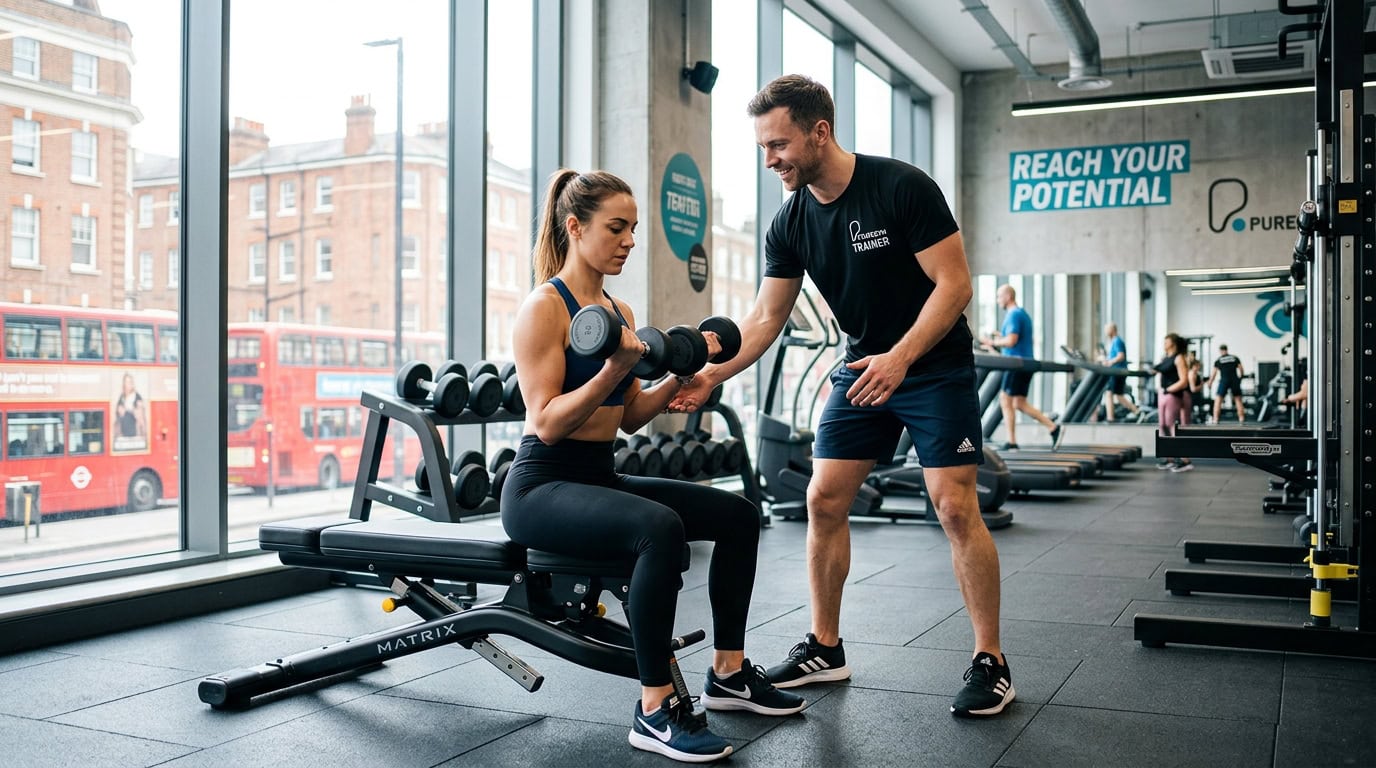
    Booking a session with a personal trainer sounds simple until you start looking at prices and find them all over the place — £25 here, £90 there, and no obvious reason why. Whether you’re after weekly accountability, help with technique, or a structured plan to hit a specific goal, understanding what you’re actually paying for makes it much easier to budget and to spot a fair deal.

    This guide breaks down real UK personal trainer costs for 2026, what changes the price, and how to make sure you’re getting proper value — not just a friendly face counting your reps.

    How Much Does a Personal Trainer Cost in the UK?

    Prices vary hugely depending on where you live and who you train with, but here’s a realistic snapshot for 2026:

    • Gym-based PT (1:1, 60 minutes): £30–£60 per session outside major cities, £50–£90+ in London and the South East
    • Freelance/independent PT (own studio or outdoor sessions): £35–£70 per session
    • Online coaching (programming + check-ins, no in-person time): £60–£150 per month
    • Small group PT (2–4 people): £15–£30 per person per session

    Most trainers offer package discounts, so a block of 10 sessions is usually 10–20% cheaper per session than paying one at a time. If you’re training twice a week with a mid-range trainer, budget somewhere between £280 and £480 a month once you factor in package pricing.

    Personal Trainer Costs by UK Region

    National averages hide a lot of local variation, so here’s a rough regional guide for a standard 60-minute, 1:1 session with a Level 3 qualified trainer:

    • Central London: £55–£100+
    • Outer London and the South East: £45–£75
    • Manchester, Birmingham, Leeds city centres: £35–£65
    • Bristol, Cardiff, Edinburgh, Glasgow: £35–£60
    • Smaller towns and rural areas: £25–£45
    • Northern Ireland: £25–£50

    These figures are for general strength and fitness coaching. Specialist areas — sports-specific conditioning, rehab work alongside a physio referral, or pre/post-natal training — typically add £5–£15 per session on top of the local baseline, reflecting the extra qualifications involved.

    What Actually Affects the Price

    A handful of factors explain most of the price difference you’ll see between trainers:

    Location. Central London, Manchester city centre, and Edinburgh’s New Town all command a premium simply because rent and demand are higher. Move ten miles out and the same qualified trainer might charge 30% less.

    Qualifications and specialism. A trainer with a Level 3 Personal Training qualification and a few years of general experience sits at the lower end. Someone with additional accreditation in areas like strength and conditioning, pre/post-natal training, or rehab tends to charge more — and often should, given the extra study involved.

    Session length and format. A 30-minute express session naturally costs less than a full hour, and outdoor park sessions are usually cheaper than studio time because the trainer isn’t paying rent on a space.

    Who employs the trainer. Trainers renting floor space in a big-chain gym often set their own rates, while trainers who are directly employed by a boutique studio may be priced into the studio’s own membership structure.

    Demand and time slot. Early morning and evening slots (before 9am and after 5pm) are the most requested times for anyone working a standard day, and trainers know it — some charge a small premium for peak-hours bookings, while daytime midweek sessions are sometimes discounted to fill quieter diaries.

    Gym PT vs Independent PT vs Online Coaching

    Gym-based trainers are the easiest starting point if you’re already a member somewhere, since you can often book a free consultation on the spot. The trade-off is that you’re limited to that gym’s equipment and opening hours, and your budget for a trainer sits on top of whatever you’re already paying for membership. If you haven’t settled on a gym yet, it’s worth comparing options properly — a proper checklist for choosing a gym will save you from picking somewhere with a great trainer but an awful commute.

    Independent trainers, whether they run their own studio or train clients outdoors, tend to offer more flexibility on scheduling and programming since they’re not tied to a single gym’s rules. They’re also worth considering if you want sessions somewhere other than a conventional gym floor — a park, your garden, or a rented studio space.

    Online coaching has grown fast because it strips out the cost of a trainer’s time and space, replacing in-person sessions with a tailored programme, video form checks, and regular check-ins by message or call. It’s the cheapest route to genuinely personalised training, but it demands more self-discipline since nobody’s stood next to you counting your last rep.

    A hybrid approach works well for a lot of people: a handful of in-person sessions to nail down technique on the big lifts, followed by ongoing online programming to keep costs manageable while still getting expert input on progression.

    Questions Worth Asking Before You Book

    A short conversation before you hand over any money can save you from a wasted package. Useful questions include:

    • What’s included in the price — just the session, or programming and nutrition guidance too?
    • What happens if I need to cancel or reschedule at short notice?
    • Do unused sessions in a package expire, and if so, when?
    • Have you trained clients with similar goals or injury history to mine before?
    • Can I try a single session before committing to a block?

    Cancellation policies catch people out more than anything else. Many trainers require 24–48 hours’ notice or the session is charged in full, which is fair given they’ve held that time slot for you — but it’s worth knowing upfront rather than finding out after a missed lie-in costs you £50.

    How to Check a Trainer Is Properly Qualified

    Anyone can call themselves a “personal trainer” in the UK — there’s no legal requirement to hold a qualification, which means it’s entirely on you to check. At minimum, look for a REPs (Register of Exercise Professionals) listing or membership with CIMSPA, the recognised professional body for the UK’s sport and physical activity sector. Both confirm the trainer holds a recognised Level 3 qualification and carries valid insurance.

    It’s also worth asking directly about first aid certification (should be current, not expired), whether they carry public liability insurance, and how they’d adapt a session if you mentioned an old injury. A trainer who answers these clearly and without hesitation is generally one worth trusting with your money.

    Getting the Best Value From Every Session

    The biggest waste of money with personal training isn’t the hourly rate — it’s paying for sessions that don’t move you toward anything specific. Before your first session, be clear about what you actually want: fat loss, strength, marathon prep, rehab after an injury, or just consistency because you struggle to show up alone.

    Most trainers offer a free or discounted first consultation, which is the ideal moment to test whether their style suits you before committing to a package. If stepping into a gym still feels intimidating, say so — a good trainer will build the first few sessions around getting you comfortable with the space, not just hammering you with a punishing workout to prove their worth.

    Buying sessions in blocks of 10 or 20 is almost always cheaper per session than pay-as-you-go, but only commit to a block once you’ve had at least one trial session. And keep track of the bigger picture too: if you’re already stretching your budget on gym membership costs, it might make more sense to start with a shorter block of sessions focused purely on teaching you a programme you can run yourself.

    Is a Personal Trainer Worth It?

    For most people, the honest answer is: worth it in bursts rather than forever. A block of sessions to learn proper technique, break through a plateau, or get moving after time off tends to deliver far more value than open-ended weekly sessions with no end point in sight. Treat it as an investment in learning how to train yourself well, not a permanent subscription.

    Think in terms of specific outcomes rather than an ongoing arrangement: “learn to squat and deadlift properly over six weeks” is a much better brief than “help me get fit,” and it gives both you and the trainer a clear point at which to review progress and decide whether to continue, switch to occasional check-ins, or step away having got what you needed.

    It’s also worth revisiting the arrangement every few months even if things are going well. Goals change, budgets change, and a trainer who was exactly right for building a strength base might not be the best fit once you’re focused on a half marathon or recovering from a minor injury. There’s no loyalty penalty for moving on to someone better suited to your next phase — a professional trainer will understand that completely.

    If you’re weighing up where to actually train, GymPal’s gym finder lets you filter for facilities with in-house personal trainers nearby, so you can compare gyms and PT availability in one search rather than working it out gym by gym across dozens of individual websites.

  • How Much Protein Do You Really Need? UK Guide

    How Much Protein Do You Really Need? UK Guide

    Ask five people at your gym how much protein they eat and you’ll get five different answers, most of them wrong. Some are convinced they need a shake within nine minutes of finishing their last set or the workout “doesn’t count.” Others are quietly getting nowhere near enough, living on toast and hoping their muscles fill in the gaps.

    The truth sits in a much less dramatic place than the supplement aisle would have you believe. Your protein needs depend on your bodyweight, how much you train, and what you’re training for — not on whatever a tub of powder promises on the label.

    Here’s a proper, UK-specific breakdown of how much protein you actually need, when to eat it, and how to hit your numbers without spending a fortune at the supplement shop.

    How much protein do you actually need?

    The UK Government’s official reference intake is 0.75g of protein per kilogram of bodyweight per day for the general adult population — roughly 56g for the average man and 45g for the average woman. That figure is designed to prevent deficiency in a sedentary person, not to support anyone who’s regularly lifting weights, running, or turning up to a HIIT class three times a week.

    If you train regularly, the research consensus is considerably higher: somewhere between 1.4g and 2.0g per kilogram of bodyweight daily. For a 75kg gym-goer training four or five times a week, that’s roughly 105g to 150g of protein a day, spread across meals rather than crammed into one sitting.

    A few practical benchmarks:

    • General fitness / 2-3 sessions a week: around 1.2-1.4g per kg
    • Building muscle / regular strength training: around 1.6-2.0g per kg
    • Cutting calories while trying to keep muscle: aim for the higher end, 1.8-2.2g per kg, since protein helps protect lean mass during a deficit

    You don’t need to weigh every meal to get in the right zone. A rough mental model works fine: a palm-sized portion of protein-dense food at each main meal, plus a snack or two, usually gets an active adult into their target range without any spreadsheet involved.

    It’s also worth remembering that these numbers are a target to aim towards, not a strict daily quota you need to hit to the gram. If you land within 10-15g either side of your target most days, you’re doing everything that matters. The gym-goers who get frustrated and give up on tracking altogether are usually the ones who treated an estimate as an exact science in the first place.

    Does protein timing actually matter?

    The “anabolic window” myth — the idea that you must eat protein within 30 minutes of finishing a workout or you lose all the benefit — has been thoroughly debunked. What actually matters is your total protein intake across the day and how evenly it’s spread.

    Eating 20-40g of protein every three to four hours does more for muscle building than one enormous 100g feed in the evening, simply because your body can only use so much at once for muscle repair. If you’re keen to get the timing details right around a session, the guidance in what to eat after a workout covers the practical side of pre- and post-session meals in more depth.

    For most people training after work or first thing in the morning, the simplest approach is to have a protein-containing meal or snack within a couple of hours either side of training, then carry on eating normally for the rest of the day. That’s it. No stopwatch required.

    The best UK protein sources (and what they cost)

    Whole foods should do most of the heavy lifting, both nutritionally and for your wallet. Supplements are a convenience, not a requirement.

    • Eggs — around 6g of protein each, roughly 30p a large egg from most UK supermarkets
    • Chicken breast — about 31g per 100g cooked, one of the cheapest protein-per-pound options going
    • Greek yoghurt — typically 10g per 100g, and a genuinely underrated breakfast or snack option
    • Tinned fish — mackerel and tuna both deliver 20g+ per 100g and keep in the cupboard for months
    • Beans, lentils and pulses — cheap, high in fibre, and a solid protein source, particularly useful if you’re cutting back on meat
    • Cottage cheese — roughly 12g per 100g and a good evening option since it’s slow-digesting

    The NHS Eatwell Guide groups beans, pulses, fish, eggs and meat together as a core food group for good reason — the Eatwell Guide recommends varying your sources across the week rather than relying on one type of protein, which also happens to be the cheapest way to eat well since you’re not paying a premium for any single ingredient.

    Whey or plant-based protein powder has its place — it’s convenient, cheap per gram compared with meat, and useful if you genuinely struggle to hit your numbers through food alone. But it’s a top-up, not a foundation. If your diet is 90% shakes and bars, you’re likely missing out on the fibre, micronutrients, and general satisfaction that come from actual meals.

    Matching protein to your training goal

    How much you need shifts depending on what you’re actually trying to achieve at the gym.

    If you’re focused on building strength and size, protein intake matters alongside progressive overload — lifting heavier over time is still what drives the adaptation, protein just supplies the raw material to repair and grow. Anyone working through a structured lifting programme, including the growing number of women taking up barbell training, will find the guidance in strength training for women in the UK a useful companion to getting the nutrition side right.

    If your goal is fat loss, protein becomes even more important, not less. It’s the most satiating macronutrient, meaning it keeps you fuller for longer on fewer calories, and it helps preserve the muscle you’ve already built while you’re in a deficit. Cutting protein to “save calories” is one of the more common mistakes people make when trying to lean out — it usually backfires by leaving you hungrier and losing muscle alongside fat.

    If you’re mainly doing cardio or classes rather than lifting, your needs sit a little lower than a dedicated strength athlete’s, but you’ll still benefit from more than the bare government minimum, particularly for recovery between sessions.

    Age plays a role too. Protein needs don’t drop off as you get older — if anything, the research points the other way. Adults over 40 tend to need slightly more protein relative to bodyweight to maintain the same amount of muscle, since the body becomes a little less efficient at using it for repair. That’s one more reason to treat protein as a habit worth building for the long term rather than something to think about only when you’re chasing a specific goal.

    Common protein mistakes worth avoiding

    A few habits crop up again and again among UK gym-goers trying to get their protein sorted:

    • Overdoing it at the expense of everything else. More protein than your target won’t build muscle any faster once you’re already in range — it just displaces the carbs and fats you need for energy and hormone health.
    • Skipping breakfast protein. Toast and jam leaves you running a deficit before the day’s even started. Eggs, yoghurt, or a shake with porridge closes that gap fast.
    • Relying entirely on bars and shakes. Convenient, but expensive over time and easy to over-rely on at the cost of a more balanced diet.
    • Not accounting for training days versus rest days. Your protein needs don’t drop much on rest days — that’s when a lot of the actual muscle repair happens, so it’s not the day to slack off.

    Recovery deserves more attention than most gym-goers give it, and protein is only one part of that picture alongside sleep and rest days. The broader habits covered in rest and recovery for UK gym-goers pair well with getting your nutrition dialled in, since the two work together rather than in isolation.

    Building a protein routine that actually sticks

    The gym-goers who hit their protein targets consistently aren’t the ones with the most complicated meal plans — they’re the ones who’ve made it boring and repeatable. A go-to breakfast, a couple of lunch options they rotate through, and one reliable evening meal covers most of the week without any decision fatigue.

    Batch-cooking chicken or a big pot of lentils on a Sunday, keeping boiled eggs in the fridge, and having a tub of yoghurt on hand for a quick top-up all go a long way. None of it needs to be exciting to work.

    Where the gym itself can help is bigger than most people realise — a venue with a decent changing room fridge, a café selling proper food rather than just crisps and energy drinks, or classes timed so you can eat properly beforehand all make consistency easier. If you’re weighing up whether your current gym supports your goals or it’s time for a change, you can compare facilities and reviews for gyms near you on GymPal to find somewhere that actually fits how you train and eat.

    The bottom line

    Most active adults in the UK should be aiming for somewhere between 1.4g and 2.0g of protein per kilogram of bodyweight a day, spread across three or four meals rather than loaded into one. Whole foods should do most of the work, timing matters far less than total daily intake, and your needs don’t disappear on rest days.

    Get the basics right consistently and the rest — whether that’s building muscle, losing fat, or just recovering better between sessions — tends to follow. And if you’re still looking for a gym that makes it easier to train and eat well in the same routine, search GymPal for options near you.

  • HIIT Classes UK: What to Expect, What It Costs, and How to Find One Near You

    HIIT Classes UK: What to Expect, What It Costs, and How to Find One Near You

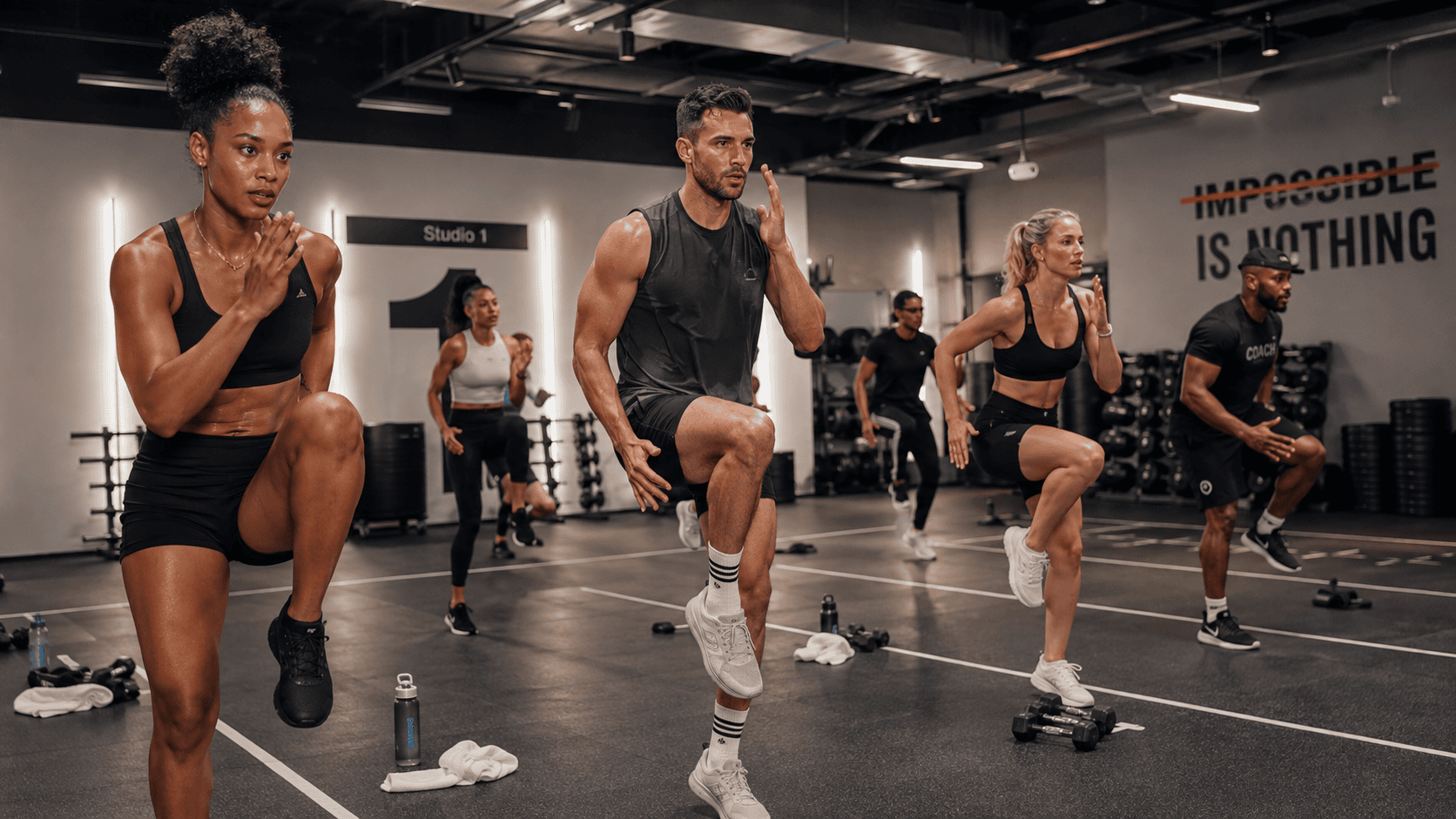
    Walk into any UK gym or fitness studio right now and you’ll find it: a room full of people doing burpees, box jumps and battle ropes to thumping music, looking like they’re one minute from collapse — and absolutely loving it. HIIT classes have become one of the most popular group fitness formats in Britain, and for very good reason.

    They deliver real results in a short amount of time, they require zero equipment knowledge, and the group energy makes you push harder than you ever would alone on a treadmill. Yet if you’ve never tried one, the prospect can feel genuinely intimidating. What actually goes on in there? Do you need to already be fit? Will everyone be staring at you when you’re gasping after the first set?

    This guide covers everything you need to walk into your first HIIT class in the UK feeling prepared rather than panicked — what to expect, what you’ll pay, and how to find the right class near you.

    What Actually Happens in a HIIT Class?

    HIIT — short for High Intensity Interval Training — is built around short bursts of hard effort followed by brief rest periods. That structure is what makes it so effective: you push your cardiovascular system hard, recover just enough to go again, and repeat. A typical class runs 30 to 45 minutes, which is a huge part of the appeal. You’re not slogging through an hour on the treadmill. You’re working smarter.

    The format varies between studios, but the core structure stays the same: work intervals followed by rest intervals. A typical UK HIIT class looks something like this:

    • Warm-up (5 minutes): Dynamic stretching, light cardio, mobility work to prime your body and reduce injury risk.
    • Main workout (25–35 minutes): Multiple rounds of exercises performed at high intensity. A common format is 40 seconds of work followed by 20 seconds of rest, cycling through eight to ten different movements per round.
    • Cool-down (5 minutes): Static stretches to bring your heart rate down and begin recovery.

    The exercises themselves vary by studio and instructor. Expect bodyweight movements (burpees, jump squats, mountain climbers), plyometrics (box jumps, lateral bounds), and sometimes kit-based exercises using dumbbells, kettlebells, resistance bands or rowing machines.

    F45 classes use functional training circuits with a mix of cardio and resistance. Barry’s Bootcamp — which has UK studios in London, Manchester and Edinburgh — splits sessions between treadmill sprints and floor work. Your local gym’s HIIT class might be simpler, but equally effective. The common thread is this: you’re expected to work at 80–90% of your maximum effort during work intervals. If you feel fine at the end of a work period, you weren’t pushing hard enough.

    How Fit Do You Need to Be?

    Here’s the honest answer: you don’t need to be fit to start HIIT. You need to be fit enough to walk through the door.

    HIIT classes are designed to be scalable. Every exercise has a lower-impact modification. Can’t do a burpee yet? Step out instead of jumping. Can’t do jump squats? Do regular squats. Can’t keep up with the pace? Slow down slightly. Good instructors make this explicit at the start of every class.

    What you will find hard — especially in your first few sessions — is the cardiovascular intensity. Your lungs and heart will be working harder than you’re used to, and that’s genuinely uncomfortable. That discomfort is temporary and it’s the mechanism by which HIIT works. Within three or four sessions, your body adapts remarkably quickly.

    A few sensible rules for session one:

    • Don’t go all-out. Aim for a 7/10 effort, not 10/10. You don’t know the exercises yet and your body needs time to learn the movements properly.
    • Tell your instructor it’s your first time. They’ll watch your form and offer modifications without you needing to ask.
    • Eat something beforehand. Not a full meal — a banana or small snack about an hour before works well. Running on empty in a high-intensity class is miserable.
    • Drink during rest intervals. The sessions are short but the sweat output is significant.

    If you have any underlying health conditions — particularly cardiac or orthopaedic — check with your GP before starting a high-intensity programme. The NHS recommends that adults aim for 75 minutes of vigorous activity per week, and HIIT counts towards that target. Two or three HIIT sessions per week easily gets you there.

    What Does a HIIT Class Cost in the UK?

    Pricing varies considerably depending on where you go. Understanding your options helps you find something that fits both your schedule and your budget — and there’s a much wider range than most people realise.

    Gym-based HIIT classes are the most affordable route. If you’re already a member at PureGym, The Gym Group, or JD Gyms, HIIT classes are typically included at no extra charge. These chains run at roughly £20–£35 per month, which — as the breakdown of UK gym membership costs in 2026 makes clear — represents genuinely strong value for unlimited group fitness sessions.

    Boutique HIIT studios charge a premium. Expect to pay:

    • Drop-in class: £18–£30
    • Monthly class pack (8–12 classes): £80–£150
    • Unlimited monthly membership: £100–£200

    Studios like F45 and Barry’s Bootcamp sit at the top of that range in UK cities. The production quality is higher — better equipment, pumping sound systems, instructors who perform as much as they coach — but you’re paying for that experience.

    Online and hybrid options have expanded significantly since 2020. Apps like Les Mills On Demand (£17.99/month) and popular YouTube channels from UK-based trainers offer solid HIIT workouts you can do at home. These lack the group energy that makes in-studio HIIT so effective, but they’re a useful low-commitment starting point.

    For most people beginning their HIIT journey, the smart move is to use your existing gym membership first. Once you know you genuinely enjoy the format, then consider whether upgrading to a boutique studio is worth the extra spend.

    HIIT vs Bootcamp: What’s the Difference?

    People often use HIIT and bootcamp interchangeably. They’re not quite the same thing, and knowing the difference helps you choose the right class.

    HIIT is a training methodology built on precise work-to-rest ratios. It’s primarily cardiovascular, though modern HIIT classes increasingly blend in resistance work. The defining characteristic is structured intervals: tracked work and rest periods, often displayed on-screen or called out by the instructor.

    Bootcamp is a broader group fitness style inspired by military training. It tends to involve longer, more varied work periods, less strict timing, and sometimes outdoor settings. The goal is general conditioning and functional fitness rather than heart rate manipulation specifically.

    In practice, many bootcamp sessions use HIIT principles — and many HIIT classes use bootcamp-style exercises. If you’re drawn to the results-focused, high-energy atmosphere of both, they’re more complementary than competing. The evidence on bootcamp training for weight loss suggests the calorie burn and metabolic effects overlap significantly with HIIT. The format that suits you depends on whether you prefer the structured timing of interval training or the more varied, instinctive feel of bootcamp.

    Both work. The best one is the one you’ll actually keep turning up for.

    Getting the Most From Your First Few Sessions

    HIIT is effective, but it’s also demanding. Here’s how to get results without getting injured or burning out early on.

    Don’t train HIIT every day. Two to three sessions per week is the sweet spot for most people. Your body needs recovery time between intense sessions — that’s when the adaptation actually happens. Fill the gaps with lower-intensity movement: a walk, a swim, or yoga gives you active recovery without adding physiological stress.

    Prioritise form before intensity. In your first few sessions, focus on getting movements right before going as fast or heavy as possible. A controlled burpee is more valuable than a fast, sloppy one — and in high-intensity environments, poor form is how people pick up avoidable injuries.

    Track how you feel, not just what you did. One of the genuinely satisfying things about HIIT is how quickly you improve. Your first session might feel absolutely horrific. By week four, you’ll be going harder during the rest breaks than you were during work intervals three weeks ago. Keeping a brief note after each session — even just a 1–10 effort rating — lets you see that progress clearly.

    Fuel and recover properly. Post-session nutrition matters. HIIT depletes muscle glycogen significantly. Eating something with protein and carbohydrates within 30–60 minutes of finishing helps recovery and reduces next-day soreness.

    If you want personalised guidance on exercise form or a programme built specifically around your goals, working with a personal trainer in the UK can make a substantial difference — especially in those early sessions when technique matters most.

    How to Find a HIIT Class Near You

    The UK has an enormous range of HIIT options — from national gym chains with classes included in membership to boutique studios, independent fitness spaces, and outdoor formats. The challenge is knowing what’s available near you and how to compare what’s on offer.

    GymPal is the UK’s largest fitness venue finder, with thousands of gyms, studios, bootcamp venues and fitness spaces you can search by location. Whether you’re after a budget gym with HIIT classes included, a premium studio with state-of-the-art equipment, or something closer to home, GymPal makes it straightforward to compare your options and find somewhere worth joining.

    When you’re evaluating a studio or gym, look for:

    • Class size: Smaller classes (under 20 people) mean more instructor attention and better form feedback — important when you’re starting out.
    • Instructor qualifications: A good HIIT instructor should hold a Level 3 Personal Training qualification or an accredited group fitness certification.
    • Free trial: Most boutique studios offer a first class free or heavily discounted. Use it. Don’t commit to a membership without trying the class first.
    • Timetable flexibility: HIIT’s 30–45 minute format is one of its biggest selling points. Check that the schedule has slots that genuinely fit your week before you sign up.

    The Bottom Line

    HIIT classes work — the evidence is solid, the format is time-efficient, and the group energy makes you push harder than most people ever manage training alone. You don’t need to be fit to start; you just need to show up and be willing to feel uncomfortable for half an hour.

    The UK has no shortage of options, from budget-friendly gym HIIT classes included in a basic membership to premium boutique experiences that turn exercise into an event. Start with what’s accessible and affordable, build the habit, and upgrade when it makes sense.

    Search for gyms and fitness studios near you on GymPal — find HIIT classes, bootcamps, and group fitness venues across the UK, all in one place.

  • Hot Yoga UK: What to Expect, Where to Try It, and Whether It’s Worth the Heat

    Hot Yoga UK: What to Expect, Where to Try It, and Whether It’s Worth the Heat

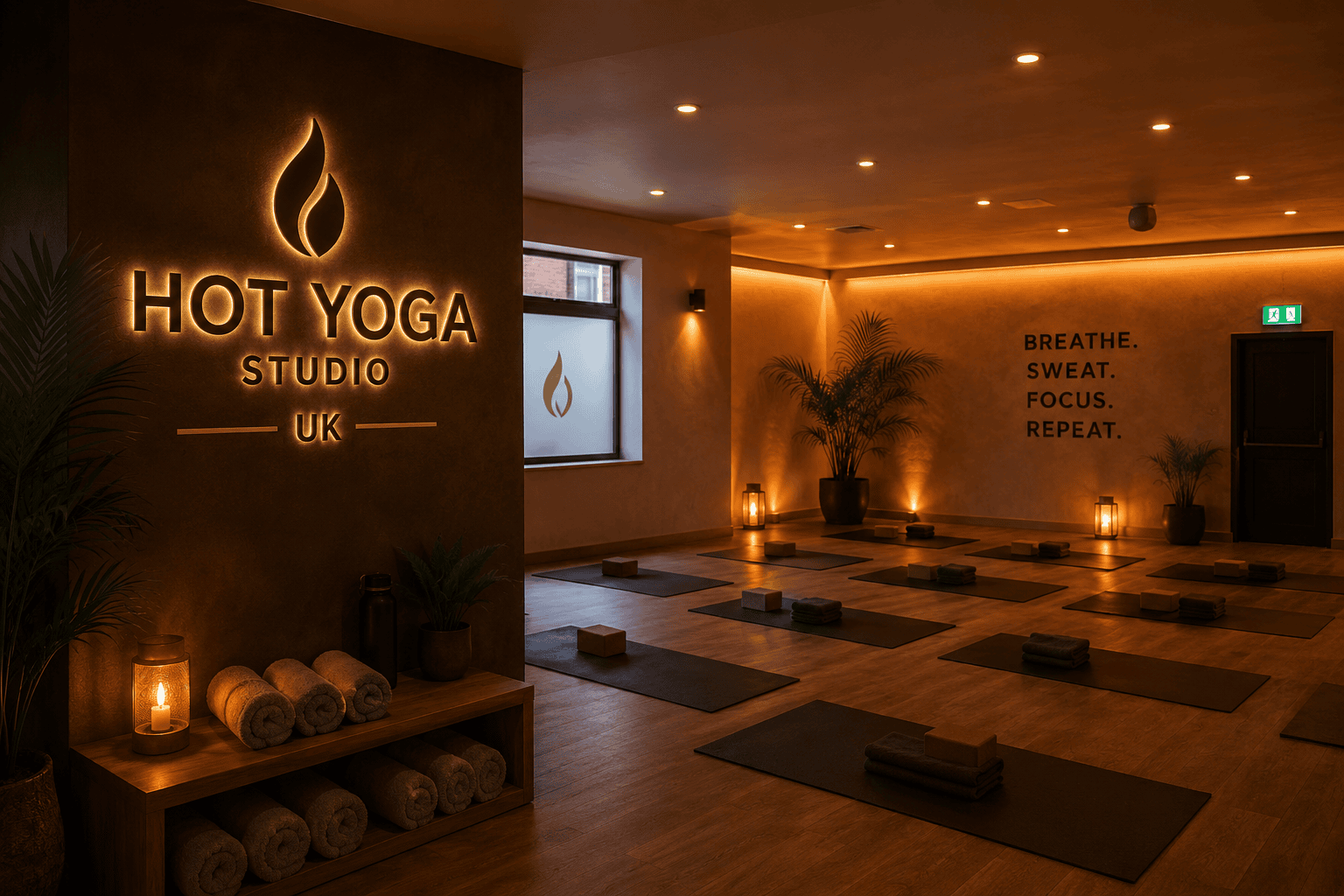
    The first time you walk into a hot yoga studio, the heat hits you before you’ve even unrolled your mat. It’s around 38–40°C in there, the humidity is thick, and someone nearby is already dripping. It sounds like a recipe for misery — and yet every class is packed.

    Hot yoga has quietly become one of the most popular fitness classes in the UK. From dedicated Bikram studios in central London to heated vinyasa classes tucked above coffee shops in Manchester and Edinburgh, the demand for sweaty, steamy yoga is growing fast. And there are genuinely good reasons for it.

    If you’ve been curious but not sure what to expect — or not sure if it’s actually worth the hype — this guide covers everything you need to know before you step into the heat.

    What Is Hot Yoga? (The Basics)

    Hot yoga is an umbrella term for yoga practised in a heated room. The most well-known version is Bikram yoga, developed by Bikram Choudhury in the 1970s. A Bikram class follows a strict sequence of 26 postures and 2 breathing exercises, practised in a room heated to exactly 40°C with 40% humidity. Each class lasts 90 minutes.

    But hot yoga isn’t exclusively Bikram anymore. Many studios now offer heated versions of other styles — heated vinyasa flow, hot yin yoga, or infrared yoga — typically in rooms between 32°C and 38°C, with more varied sequences and shorter class times (usually 60 minutes).

    The heat is the point. Studios argue it allows deeper stretches, increases cardiovascular demand, and helps flush toxins through sweat. Whether you fully buy into all of that or not, there’s no question the heat makes the practice feel genuinely different from a regular yoga class.

    Hot Yoga vs Regular Yoga: What’s the Real Difference?

    If you’ve done yoga before, you’ll recognise most of the postures in a hot yoga class — the heat is the main variable, not the movements themselves.

    That said, the experience is dramatically different. Your body warms up faster, which allows for deeper stretching earlier in the class. Your heart rate climbs higher than it typically would in non-heated yoga, making it a more intense cardiovascular workout. And you will sweat — a lot, in a way that takes some getting used to.

    The mental side shifts too. The heat creates a kind of forced presence. It’s harder to zone out when the environment demands your full attention. Many regular practitioners say the heat strips away distraction in a way that regular yoga or gym sessions don’t quite match.

    The main downside? It’s not for everyone. People who struggle with heat, or who have certain health conditions, need to approach it carefully — more on that shortly.

    What to Expect in Your First Hot Yoga Class

    First-timers often make the same mistakes: they don’t bring enough water, they wear too much clothing, and they don’t tell the instructor it’s their first time. Here’s how to get it right.

    What to bring:

    • A large water bottle (at least 750ml — ideally 1 litre)
    • A full-length yoga mat (thicker is better; the heat makes thin mats slippery)
    • A hot yoga towel to lay over your mat
    • A small face towel
    • A change of clothes — you will be completely soaked by the end

    What to wear: Less is genuinely more here. Most women wear a sports bra and shorts or leggings. Men typically wear shorts only. Loose cotton clothing is a bad idea — it gets heavy and uncomfortable fast. Moisture-wicking or technical fabrics work much better.

    Arrive early: Getting there 10–15 minutes before class gives you time to acclimatise to the room temperature before you start moving. Jumping straight from a cold street into a hot class is a shock your body doesn’t need.

    It’s completely normal to feel overwhelmed in your first class. If you need to lie down on your mat and skip a posture, do it — most instructors actively encourage this for beginners. The confidence to try something new and go at your own pace is more important than keeping up with the person next to you.

    The Benefits of Hot Yoga (What the Evidence Actually Says)

    Hot yoga studios make a lot of claims. Some hold up better than others.

    Improved flexibility: This one’s well supported. Warm muscles and connective tissue are more pliable, which genuinely does allow for a greater range of motion. Regular hot yoga practitioners typically notice significant flexibility gains within a few weeks.

    Cardiovascular fitness: A heated yoga class can raise your heart rate into the same zone as a moderate-paced jog. Research published in journals including the Journal of Strength and Conditioning Research has shown measurable cardiovascular improvements from regular Bikram practice.

    Stress reduction and mental clarity: The heat forces you to focus, and the combination of breathwork and movement reliably reduces cortisol levels. Many practitioners describe leaving class feeling unusually calm and clear-headed.

    The “detox” claim: This one is overstated. Your liver and kidneys handle detoxification — sweat removes a tiny fraction of waste products. That said, the sweating does feel cleansing, and there are real benefits to the deep hydration and electrolyte awareness that hot yoga practitioners tend to develop.

    The NHS recommends staying well hydrated before, during, and after any exercise in the heat — drinking little and often throughout a class rather than waiting until you feel thirsty. According to NHS exercise guidance, adults should aim for 150 minutes of moderate physical activity per week, and activities like hot yoga can absolutely count toward that.

    Hot Yoga Studios Across the UK: What to Expect and What It Costs

    Hot yoga has spread well beyond London, though the capital still has the highest concentration of dedicated studios.

    London: Studios like Fierce Grace (multiple London locations), Triyoga (Camden, Chelsea, Soho), and Hot Bikram Yoga have built loyal followings. Drop-in classes typically run £18–£25. Monthly unlimited memberships range from £100–£160 depending on location.

    Manchester: The city has a solid hot yoga scene with studios including Bikram Yoga Manchester and several independent heated yoga rooms in areas like Didsbury and Ancoats. Classes here tend to run £12–£18 per session.

    Birmingham: A growing number of studios, particularly in Edgbaston and the Jewellery Quarter, now offer heated yoga. Prices are comparable to Manchester.

    Edinburgh and Glasgow: Scotland’s two major cities both have dedicated hot yoga studios. Edinburgh’s Dynamic Yoga and several Glasgow independents offer Bikram and heated vinyasa sessions, typically £10–£18 per class.

    Many studios offer intro deals for new members — two weeks of unlimited classes for £20–£30 is fairly common, and it’s the best way to properly try it before committing to a membership.

    If you’re already into mind-body movement, hot yoga often pairs well alongside pilates for building core strength — the two disciplines complement each other well, with yoga adding flexibility and breathwork that transfers directly into your pilates practice.

    Is Hot Yoga Right for You?

    Hot yoga suits most healthy adults who enjoy structured group fitness classes and are looking for something that works both the body and the mind. It’s particularly well-suited to people who:

    • Want to improve flexibility and mobility
    • Enjoy the focus and discipline of a set sequence
    • Find traditional gyms or weight rooms uninspiring
    • Are looking for a fitness class with a genuine stress-relief component
    • Are already comfortable with yoga and want more intensity

    Exercise caution if you:

    • Are pregnant (check with your midwife — many recommend avoiding heated environments)
    • Have a heart condition or high blood pressure
    • Are prone to fainting or dizziness in heat
    • Have severe asthma that’s triggered by humidity

    If you’re unsure, speak to your GP before your first class, and always tell the instructor about any health concerns before stepping into the room.

    Interestingly, hot yoga sits at the opposite end of the temperature spectrum from cold water therapy and ice baths — another wellness trend with a passionate UK following. Some serious wellness enthusiasts do both, alternating between heat and cold exposure as a deliberate recovery and performance strategy.

    How to Find a Hot Yoga Studio Near You

    The best way to find a quality hot yoga studio in your area is to look specifically for heated yoga classes rather than just “yoga.” The difference matters — a standard yoga class in a slightly warm room isn’t the same experience, and the benefits attributed to hot yoga come specifically from properly heated environments.

    GymPal lists yoga studios and fitness venues across the UK, including dedicated hot yoga spaces. Use the GymPal yoga studio finder to search by location and find studios near you — you can see class types, facilities, and contact details all in one place.

    Final Word: Worth the Sweat?

    Hot yoga isn’t for everyone, and it doesn’t need to be. But for the people it suits, it tends to become a genuinely consistent part of their fitness routine — something they keep coming back to because it delivers in a way that’s hard to replicate elsewhere.

    The combination of heat, movement, and breathwork creates a specific kind of intensity that you either fall in love with or don’t. There’s really only one way to find out which camp you’re in: book a class, bring a big water bottle, and prepare to sweat.

  • Swimming for Fitness UK: Why Your Pool Is Your Best Gym

    Swimming for Fitness UK: Why Your Pool Is Your Best Gym

    There are over 12.5 million adults in the UK who swim at least once a year. That makes it one of the most popular physical activities in the country — yet somehow, the pool still gets overlooked when people are planning their fitness routine. Most people think of swimming as something you did in school, or something your nan does on a Tuesday morning. They are wrong. Dead wrong.

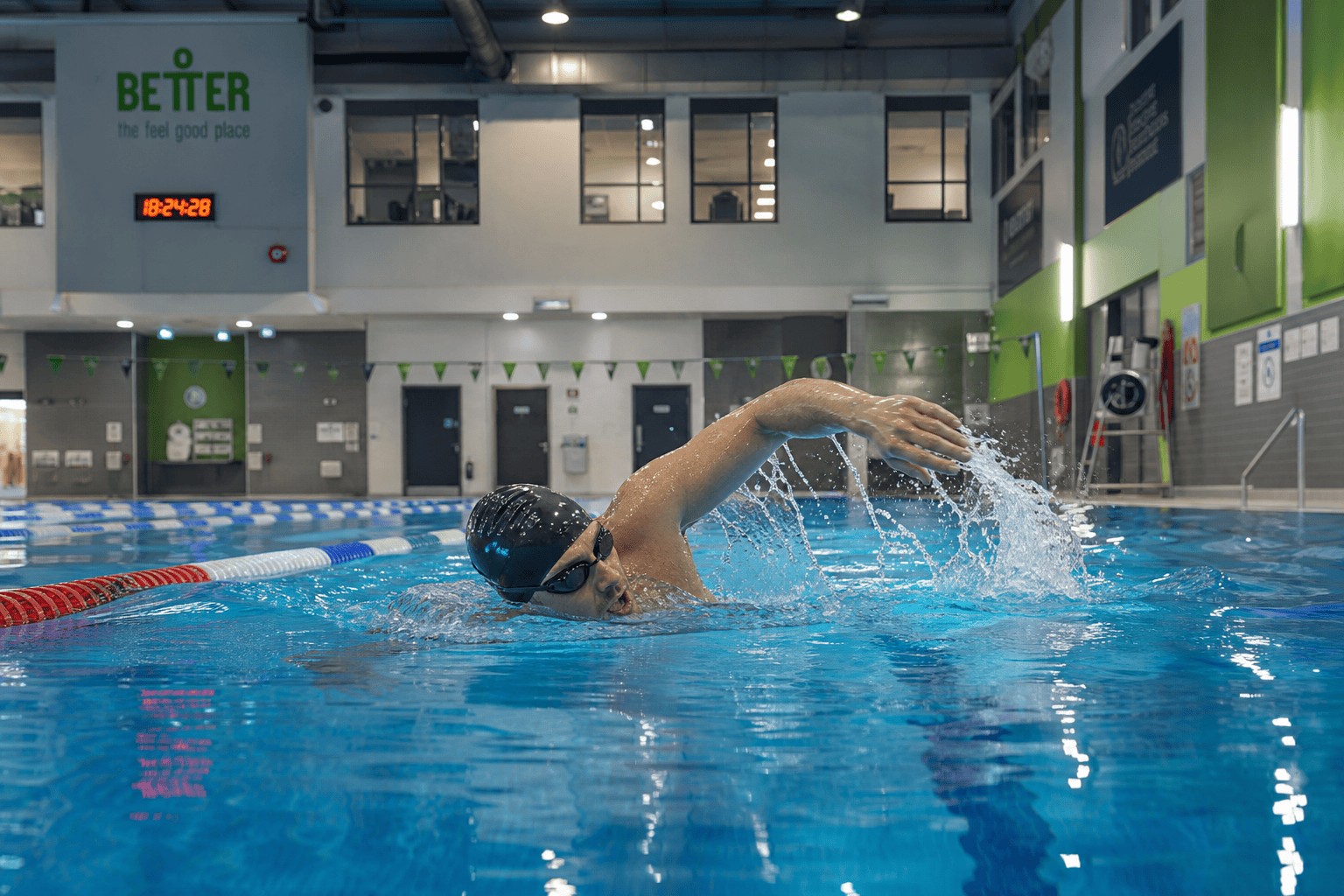
    Swimming is, without question, one of the most complete full-body workouts you can do. It builds strength, improves cardiovascular fitness, burns serious calories, and goes incredibly easy on your joints. Whether you are recovering from an injury, training for your first triathlon, or just looking for a way to get fit without dreading every session, the pool has something for you.

    And the good news? The UK is packed with places to swim — from local leisure centres charging a fiver a session to stunning outdoor lidos and world-class aquatic facilities. This guide covers everything you need to know to make the pool your secret fitness weapon.

    Why Swimming Delivers a Better Workout Than You Think

    Let us be straight with you: a solid 45-minute swim will burn somewhere between 400 and 700 calories, depending on your pace and stroke. That is comparable to an hour on a treadmill — but without the pounding on your knees and hips that puts so many people off running.

    What makes swimming genuinely special as a fitness tool is the muscle coverage. Every major muscle group is engaged in the water. Your lats, shoulders, and triceps pull you through each stroke. Your core stabilises your entire body position. Your legs kick continuously, working your glutes, hamstrings, and quads in a way that feels deceptively gentle but absolutely is not.

    According to Swim England’s key statistics, regular swimming can reduce the risk of serious long-term conditions including heart disease and type 2 diabetes by up to 40 per cent. It also improves lung capacity, lowers blood pressure, increases bone strength, and — because the water provides natural resistance — builds lean muscle mass without loading your joints.

    For anyone with a bad back, dodgy knees, or recovering from injury, swimming is often the first exercise a physio will recommend. The buoyancy of water reduces effective body weight by around 90 per cent, meaning you can work hard with almost zero impact. But do not mistake gentle for easy — water resistance is roughly 800 times denser than air. Every movement requires real effort.

    UK Swimming Venues: More Options Than You Probably Realise

    One of the biggest barriers people cite when it comes to swimming is access — but the UK actually has a remarkably dense network of swimming facilities if you know where to look.

    Council leisure centres are the backbone of recreational swimming in Britain. Almost every town has at least one, and session prices are typically affordable — often between £4 and £8 for an adult swim. Places like Ponds Forge International Sports Centre in Sheffield, Crystal Palace National Sports Centre in London, and Manchester Aquatics Centre are world-class facilities that anyone can book into for a casual lane swim.

    Private health clubs and gyms frequently include pools as part of their membership offer. Virgin Active, David Lloyd, and Nuffield Health all run pools across England, Wales, and Scotland. Membership prices are higher, but if you are already planning to use a gym regularly, a pool-inclusive club can be excellent value.

    Outdoor lidos and open-water spots have seen a huge resurgence in popularity over the last five years. London has Serpentine Lido, Tooting Bec Lido, and the Parliament Hill Lido. Bristol has Clifton Lido. The Outdoor Swimming Society maps hundreds of wild swimming spots across the UK, from coastal coves in Cornwall to river pools in the Yorkshire Dales. There is something about cold open water that unlocks a kind of primal fitness motivation that a chlorinated pool simply cannot match.

    Finding a venue near you has never been easier. GymPal lists swimming facilities across the UK — search by postcode, town, or region to find pools, lidos, and leisure centres with pool access near you.

    Building a Swimming Fitness Plan That Actually Works

    The number one mistake beginners make is turning up at the pool, swimming until they are exhausted, and then wondering why they dread going back. Swimming looks effortless when you watch elite swimmers glide through the water. It is not. Without solid technique, even a short swim can leave you gasping and going nowhere fast.

    Here is a sensible framework to build your swimming fitness from scratch:

    Beginners (0–4 weeks)

    • Aim for two sessions per week, 20–30 minutes each
    • Focus on front crawl or breaststroke — get comfortable in the water first
    • Rest between lengths — it is completely fine to swim one length, pause, then go again
    • Consider a single swim lesson to correct your technique early — it pays dividends forever

    Intermediate (4–12 weeks)

    • Increase to three sessions per week, 30–45 minutes each
    • Introduce interval sets: swim 100m at effort, rest 30 seconds, repeat
    • Mix strokes: front crawl for cardio, breaststroke for recovery lengths, backstroke to work different muscle groups
    • Use a pull buoy between your legs to isolate upper body on some lengths

    Advanced (3 months+)

    • Target 2,000–3,000 metres per session
    • Follow structured training programmes (Swim England and SwimTrek both publish free plans)
    • Add strength work on land — shoulder, back, and core conditioning complements pool training significantly
    • Consider joining a masters swimming club — the social element massively increases adherence

    Aqua Aerobics and Group Classes: Swimming That Does Not Feel Like Training

    Lane swimming is not for everyone, and that is absolutely fine. If the idea of swimming up and down in a straight line for 45 minutes sounds like mild torture, aqua aerobics might be your way in.

    Aqua aerobics classes — sometimes called aqua fit or water aerobics — are offered at the vast majority of UK leisure centres and pool-equipped gyms. They are typically 45 minutes of instructor-led exercise in the shallow end of the pool, involving jumping, squatting, lunging, and resistance work using the water. The water provides between four and 42 times more resistance than air (depending on movement speed), making it an extraordinarily effective workout that genuinely does not feel like hard work while you are doing it.

    The social atmosphere of a group class is also a powerful motivator. If you enjoy the energy of group exercise — the music, the instructor, the camaraderie — aqua aerobics scratches exactly that itch. It is also one of the few exercise formats that attracts a genuinely mixed age group, which can be refreshing. For those who also enjoy high-intensity land training, UK bootcamp fitness classes offer another high-energy group option worth pairing with your pool sessions.

    Other pool-based classes to look out for include:

    • Aqua Zumba — dance-based cardio in the water, enormous fun and a serious calorie burn
    • Aqua cycling — stationary bikes submerged in a pool, now available at specialist studios in London, Manchester, and Birmingham
    • Adult swimming lessons — if you cannot swim confidently, this is the best fitness investment you will ever make

    Most leisure centres post their class timetables online. When choosing a facility, look for one that runs multiple aqua classes across different times of the day — a well-structured pool class timetable with good coverage across mornings, lunchtimes, and evenings makes it far easier to build swimming into a realistic weekly routine.

    The Mental Health Case for Getting in the Water

    Ask anyone who swims regularly why they keep going, and within ten seconds the conversation will shift from calories and cardio to how it makes them feel. There is something about the water that is genuinely therapeutic in a way that differs from almost any other exercise.

    Research backs this up comprehensively. Over half of UK adults who swim cite stress relief as a primary motivator. Studies show that three to five moderate-intensity swimming sessions per week over four to sixteen weeks leads to a statistically significant reduction in depression symptoms. The rhythm of swimming — the repetitive stroke cycle, the muffled sound underwater, the full sensory immersion — produces what researchers call a meditative state, quieting the mind in a way that is genuinely difficult to replicate on land.

    Cold water swimming takes this even further. The shock of cold water triggers a flood of dopamine and noradrenaline — the same neurochemicals that many antidepressants target. The open-water swimming community in the UK has grown dramatically for precisely this reason, with wild swimming clubs springing up around reservoirs, rivers, and coastlines from the Highlands to the Jurassic Coast. You do not need to swim in a frozen lake to access the benefits — even ending a warm shower with thirty seconds of cold water has measurable effects on mood and alertness.

    What You Actually Need to Get Started

    One of swimming’s other great virtues is how little kit it requires. Compare the upfront cost to cycling, running (decent shoes are not cheap), or any racquet sport. Swimming asks for remarkably little.

    Essential kit for pool swimming:

    • Goggles — non-negotiable. A decent pair costs £15–£30 and lasts years. Speedo Biofuse and TYR Special Ops are solid mid-range options.
    • Swimsuit or swim shorts — board shorts create drag; a proper swim brief or jammers (knee-length race shorts) will make you noticeably faster and more comfortable
    • Swim cap — often required in lane sessions and for open water. Keeps hair out of your face and reduces drag.
    • Towel — a microfibre travel towel dries faster and packs far smaller than a standard bath towel

    Useful extras as you progress:

    • Pull buoy — foam float held between your legs; isolates your upper body stroke for targeted arm and shoulder work
    • Kickboard — held out front while kicking; isolates leg work
    • Fins — for kick drills; they make technique work feel far more manageable
    • Waterproof fitness tracker — swim-enabled versions of Garmin and Apple Watch automatically count lengths and track pace, which is genuinely motivating

    For open-water swimming, add a tow float (a bright inflatable bag that clips to your waist, making you visible to boats — mandatory at most organised open-water events) and a wetsuit if you plan to swim beyond late summer in UK waters.

    Find Your Perfect Pool With GymPal

    The UK has a genuinely impressive variety of swimming facilities — but finding the right one for your goals, location, and budget takes time if you are searching venue by venue. GymPal makes it easy.

    Search by your postcode or town at askgympal.co.uk/swimming to browse pools, leisure centres with pool access, health clubs, and outdoor venues near you. Each listing includes opening hours, pricing, and facilities so you can find a spot that fits your schedule and budget before you even unpack your swim bag.

    Whether you are after a quiet lane swim at 6am before work, a Saturday morning aqua aerobics class, or an outdoor lido to enjoy on a summer afternoon, GymPal has you covered.

    Start Swimming This Week

    Swimming asks very little of you to begin. You do not need to be fit. You do not need expensive kit. You do not need to be a fast or confident swimmer. You just need to show up at the pool and get in the water.

    The first few sessions will feel harder than you expect — swimming uses muscles and movement patterns that most adults never access in daily life or in a conventional gym. Stick with it for three or four sessions and you will feel the difference. By session eight or ten, you will understand why so many people who start swimming never stop.

    Your local pool is ready. All you need to do is book a lane.