Tag: fitness classes

  • Women-Only Gyms UK: Why They’re Booming in 2026

    Women-Only Gyms UK: Why They’re Booming in 2026

    Walk into a growing number of UK gyms right now and you’ll notice something: a dedicated women-only floor, a female-only class timetable, or an entire club that simply doesn’t admit men. This isn’t a niche trend anymore. Women-only gyms and women-only sessions are opening in high streets, retail parks and council leisure centres from Bradford to Brighton, and waiting lists at some of the busiest ones stretch for weeks.

    If you’ve ever cancelled a gym visit because you didn’t fancy being the only woman on the weights floor, or you’ve simply never set foot in one because the idea felt intimidating, this shift is worth understanding. It’s changing where and how a huge number of UK women choose to train.

    This guide covers why women-only gyms are growing so fast, what you can actually expect once you’re inside one, how they differ from mixed gyms that just run the odd “ladies’ hour”, and how to find the right one near you.

    The Rise of Women-Only Gyms in the UK

    The numbers behind this trend are hard to ignore. Sport England’s Active Lives Adult Survey has tracked a persistent activity gap between men and women for years, and gym anxiety specific to mixed-sex weights areas is consistently cited as one of the biggest barriers women report. Sport England’s own This Girl Can campaign was built directly off research showing that fear of judgement, not lack of motivation, keeps many women out of the gym altogether.

    Operators have responded. Chains like Contours Women’s Health Clubs have quietly built one of the largest women-only networks in the country, and mainstream leisure trusts such as GLL’s Better centres and Everyone Active now run dedicated women-only gym and swim sessions in dozens of towns, particularly in areas with large South Asian and Muslim communities in Bradford, Birmingham, Blackburn and parts of London where cultural and religious considerations make single-sex facilities essential rather than a nice-to-have. Independent boutique studios focused on strength training, Pilates and barre for women have opened in almost every major UK city over the last two years.

    Why Women Are Choosing Single-Sex Gym Spaces

    Ask women who’ve switched and the same reasons come up again and again: feeling watched, feeling judged on technique, or simply not wanting to navigate a crowded free-weights area dominated by men. This isn’t the same as general nervousness about starting a fitness routine, though the two often overlap. If unfamiliar equipment and busy gym floors already make you anxious, working through practical strategies for beating gymtimidation alongside choosing a single-sex environment can make that first month far less daunting.

    There’s also a safety and comfort dimension that shouldn’t be understated. Several women-only clubs report that members who’d previously avoided evening workouts entirely now train later because they feel safer in a space without men present, particularly for those training alone after dark in winter months.

    Beyond anxiety and safety, plenty of women simply prefer the culture. Women-only gyms tend to build community around shared goals rather than competition, and class timetables lean heavily towards strength, conditioning and mobility work rather than the bodybuilding-focused programming that dominates some mixed clubs.

    What to Expect From a Women-Only Gym or Studio

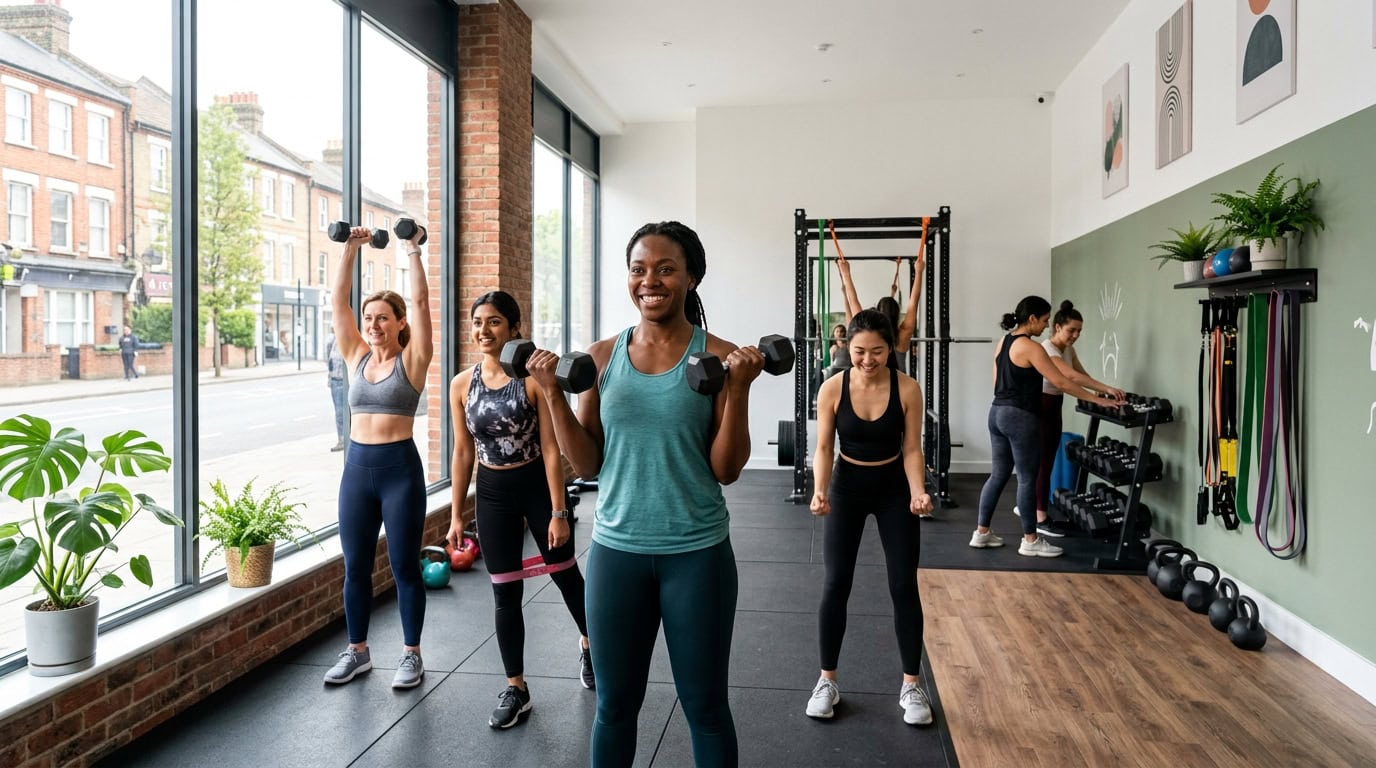
    Facilities vary a lot depending on whether you’re looking at a full women-only club or a boutique studio. A club like Contours typically offers a circuit-style resistance and cardio setup designed to be completed in 30 minutes, aimed at time-poor members who want an efficient session without a lengthy induction. Boutique studios lean more towards small-group classes: strength circuits, reformer Pilates, and barre-style workouts that blend ballet-inspired movement with isometric holds. If barre is new to you, it’s worth reading up on what a typical barre class involves and what it costs before booking your first session, since pricing and format differ significantly from a standard gym class.

    Free weights areas in women-only gyms are usually smaller than in a big mixed-sex chain, but staff-to-member ratios tend to be higher, and inductions are often more thorough. Expect female personal trainers and instructors as standard, changing rooms that don’t require communal showering if that’s a concern for you, and a generally slower, more patient pace to group classes aimed at building confidence rather than pushing intensity from week one.

    Women-Only Gyms vs Women-Only Sessions: What’s the Difference

    It’s worth separating two things that get lumped together. A genuine women-only gym, like Contours, is single-sex all the time — men simply aren’t members. A women-only session, on the other hand, is a set of hours at an otherwise mixed-sex gym or leisure centre reserved exclusively for women, often once or twice a week.

    Council-run leisure centres are the biggest providers of the second model. Many Better and Everyone Active sites run women-only gym floor and swim sessions, usually early evening or weekend slots, precisely because full single-sex membership isn’t commercially viable for every location but demand for some female-only time clearly exists. These sessions are typically included in a standard leisure centre membership rather than costing extra, which makes them one of the cheapest ways to try a single-sex environment before committing to a dedicated women-only club.

    The Cost Question: Are Women-Only Gyms More Expensive?

    Pricing sits roughly in line with mid-market mixed gyms rather than budget chains. Expect to pay somewhere between £25 and £45 a month for a dedicated women-only club membership, depending on region and whether classes are included, with boutique barre and Pilates studios often charging per-class or via a credit system starting around £15–£20 per session if you’re not on a monthly plan. Council women-only sessions are usually the most affordable route in since they’re folded into standard leisure centre membership, which can run as little as £20–£30 a month in many areas.

    Before signing anything, it’s worth working through the same due diligence you’d apply to any gym contract — checking notice periods, freeze policies and what’s actually included in the price rather than assuming it matches a big mixed-sex chain.

    How to Find the Right Women-Only Gym Near You

    Availability still varies enormously by region. Cities like London, Manchester, Birmingham and Glasgow have several genuine women-only clubs plus boutique studios, while smaller towns might only offer council-run women-only sessions rather than a dedicated club. Searching by facility type on GymPal is the quickest way to filter for women-only gyms and classes near your postcode rather than scrolling through generic gym listings that don’t specify.

    Once you’ve found a shortlist, treat the visit like you would any other gym decision. Many of the same fundamentals from a general gym choice checklist still apply here — opening hours, contract length, cleanliness, and whether the equipment matches what you actually want to do — on top of the women-only-specific questions below.

    Questions to Ask Before You Join

    A few things are worth confirming before you commit to a women-only club or studio, since “women-only” can mean quite different things in practice:

    Ask whether the club is genuinely women-only at all times or only during certain hours, whether male staff (maintenance, reception, personal trainers) ever have floor access during opening hours, what the changing room and shower setup actually looks like, and whether class timetables are fixed or rotate seasonally. If you’re specifically drawn to single-sex training for religious or cultural reasons, it’s also worth asking directly whether instructors and reception staff are exclusively female, since policies differ even among clubs that market themselves as women-only.

    For Gym Owners: Is It Worth Adding Women-Only Hours?

    If you run a mixed-sex gym or leisure centre, this trend is also a commercial opportunity worth taking seriously. Blocking out a few quiet hours a week for women-only access is one of the lowest-cost ways to open your doors to a segment of local demand you’re currently missing entirely — particularly in areas with significant Muslim or South Asian populations, where single-sex provision often isn’t optional for a meaningful share of potential members, it’s the difference between them joining at all or not.

    The operational lift is smaller than owners often assume. You don’t need to close the whole site or hire new female-only staff overnight — many gyms start with one or two off-peak evening slots, staffed by whichever female team members are already on the rota, and expand only once demand proves out. What matters more is communicating the policy clearly: confirming whether male staff retain any floor or reception access during those hours, and making sure changing facilities genuinely support privacy, since a poorly-defined “women-only hour” that still has male maintenance staff wandering through will undo the trust you’re trying to build fast.

    Marketing these sessions well matters just as much as running them. Local community groups, mosques, GP surgeries and school parent networks are often far more effective at spreading the word than social media ads, since word of mouth carries more weight for members who’ve been put off gyms before. Making sure your listing on GymPal clearly flags women-only sessions is also worth doing — it’s exactly the kind of filter women in your area are actively searching for, and a listing that doesn’t mention it is an easy way to lose a member to the club down the road that does.

    Final Thoughts

    Women-only gyms aren’t a passing fad — they’re a direct response to a well-documented confidence and safety gap that’s kept a huge number of women out of fitness spaces for years. Whether that means joining a dedicated club like Contours, booking into a council-run women-only session, or trying a boutique barre or Pilates studio, there’s now more genuine choice across the UK than at any point before.

    The best next step is simply seeing what’s actually available where you live, since provision still varies a lot by region. Search GymPal for women-only gyms, classes and sessions near you, compare a few options, and go and visit before you commit to anything.

  • Outdoor Bootcamps UK: What to Expect and What They Cost

    Outdoor Bootcamps UK: What to Expect and What They Cost

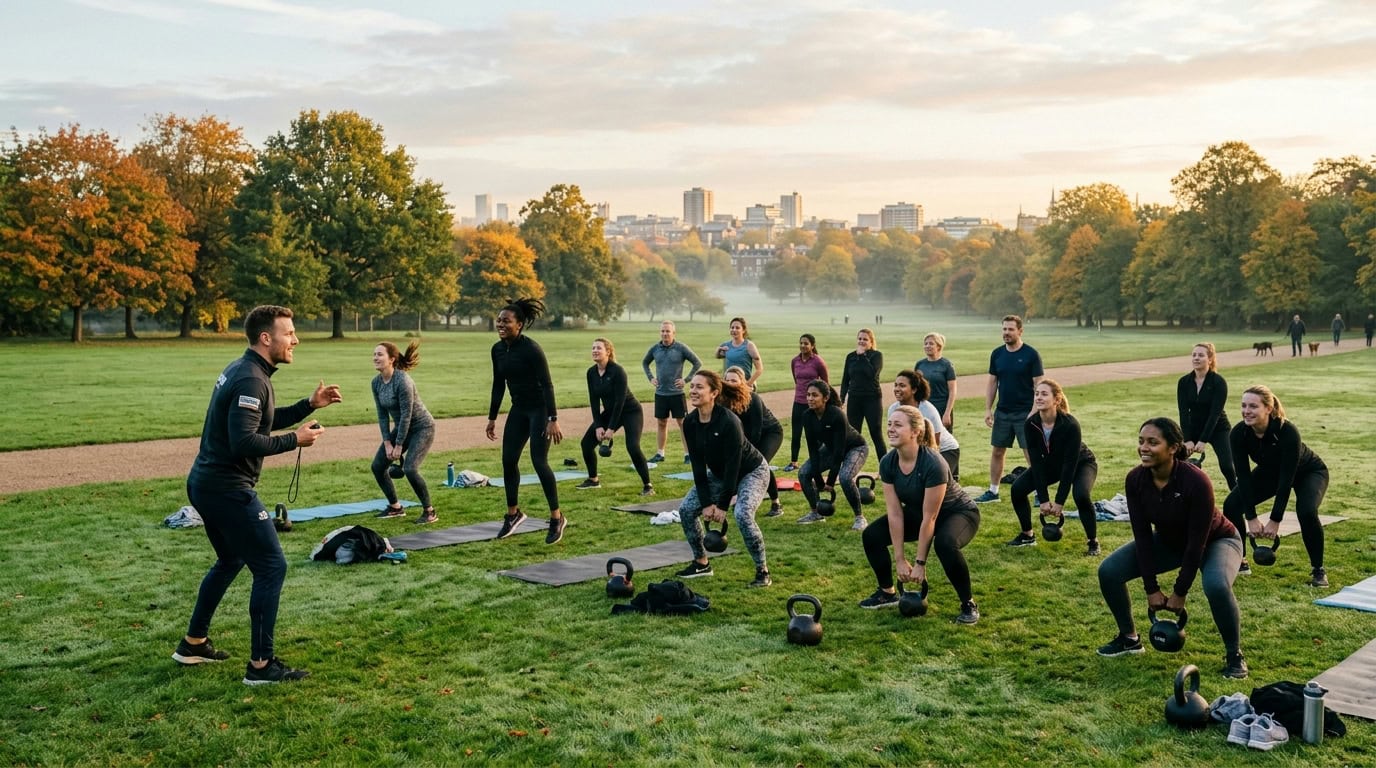
    If your idea of exercise doesn’t involve a squat rack, a bootcamp might be exactly what you’re after. Outdoor fitness bootcamps have quietly become one of the fastest-growing ways Brits are getting fit, blending military-inspired drills, circuit training and a healthy dose of mud with the kind of group energy a solo treadmill session just can’t match. You’ll find sessions running in parks from Bristol to Bradford, usually before work, at lunchtime, or on weekend mornings when everyone else is still in bed.

    But bootcamps aren’t for everyone, and they’re not all run the same way. Some are polished, well-insured operations with qualified instructors and progressive programming. Others are a bloke with a whistle and a bag of cones. Before you hand over your card details for a block booking, it’s worth knowing what you’re actually signing up for.

    This guide covers what a typical session looks like, who actually runs them, what it costs across the UK, what to bring, and how to spot a bootcamp that’s actually worth your time and money.

    What Actually Happens at a Bootcamp Session

    A standard UK bootcamp runs 45 to 60 minutes and follows a circuit format: a warm-up, several rounds of exercises performed in stations or intervals, and a cool-down. Expect a mix of bodyweight moves (press-ups, burpees, lunges), kettlebells or sandbags, sprint intervals, and partner drills like resistance-band rows or tyre flips if the venue has the kit. Good instructors scale everything up or down depending on who’s turned up that day, so a total beginner and a half-marathon runner can train side by side without either of them being short-changed.

    A typical circuit might rotate through six or eight stations: box jumps or step-ups, battle rope waves, sandbag carries, resistance-band rows, sprint shuttles between cones, and a core finisher like plank holds or mountain climbers. Instructors usually run 30-to-45-second work intervals with short rests, so the whole session feels less like “exercise” and more like it’s over before you’ve had time to dread it. Some operators build in a running warm-up loop around the park first, both to raise the heart rate and to make use of the space before the equipment-based stations start.

    Who Actually Runs Bootcamps in the UK

    The bootcamp scene in the UK ranges from national franchises to independent local operators. British Military Fitness (BMF) is probably the best-known name, running instructor-led outdoor sessions in parks across London, Manchester, Birmingham and beyond, with a format built around military-style circuit drills. Alongside the big franchises, most towns have at least one independent PT or small team running park-based bootcamps, often advertised through local Facebook groups or word of mouth rather than glossy marketing. Some gyms and studios also run “bootcamp” as an indoor class format using the same interval-and-circuit structure without the mud, which is worth knowing if you like the training style but not the British weather.

    Independent operators are often cheaper and more flexible than franchises, but the quality varies far more — which is exactly why checking qualifications and insurance (covered further down) matters more here than it would when signing up to a well-established chain.

    Most sessions are held outdoors year-round, rain or shine, which is part of the appeal but also the catch — you will get wet, muddy and cold at some point between October and March. Some operators move indoors to a sports hall or gym studio during the worst of winter, so it’s worth asking about their wet-weather policy before you commit to a multi-week pass.

    How Much Do UK Bootcamps Cost

    Pricing varies more than you’d expect for what’s essentially a park and some cones. As a rough guide across the UK in 2026:

    • Pay-as-you-go drop-in: £8–£15 per session
    • Weekly membership (2–3 sessions a week): £30–£55 per month
    • Unlimited monthly membership: £60–£100 per month
    • Block bookings (6–12 weeks, common for “transformation” style camps): £120–£300 upfront

    London and the South East sit at the top end of that range, while sessions in smaller towns and cities across the North and Midlands tend to land closer to £8–£12 a session. Many operators also offer a free trial session, which is worth taking up before you commit to anything longer than a single class — it’s the fastest way to judge coaching quality and group size.

    Bootcamp vs Gym: Which Suits You Better

    Bootcamps and traditional gyms solve different problems, and plenty of people end up doing both. A gym gives you control — train at 6am or 9pm, follow your own programme, and skip the small talk. A bootcamp gives you structure, accountability and a coach shouting your name when you want to stop three burpees early, which for a lot of people is the difference between a habit that sticks and a gym membership that quietly lapses in February.

    If you’re drawn to the high-intensity, no-equipment-needed style of training but want the option of doing it indoors when the weather turns, it’s worth comparing bootcamps against HIIT classes, which run on a similar interval-based format but happen in a studio with more consistent programming week to week.

    What to Wear and Bring

    Because most bootcamps happen outdoors regardless of season, kit matters more here than at your average gym class. A few essentials:

    • Trail or off-road trainers with decent grip — road running shoes slip on wet grass and mud
    • Layers you can strip off once you’ve warmed up, rather than one thick coat
    • A waterproof outer layer for autumn and winter sessions — this isn’t optional if you’re training through a British winter
    • A towel and a change of clothes for the drive or walk home, especially if there’s no changing facility on site
    • A reusable water bottle — most parks don’t have taps nearby

    Gloves are worth packing between November and February too, particularly if kettlebells or battle ropes are part of the programme — cold hands and heavy grip work don’t mix well.

    Injury Prevention and Staying Safe Outdoors

    Bootcamp injuries usually come from two things: uneven ground and going too hard, too soon. Grass hides tree roots, rabbit holes and uneven camber that a treadmill never will, so a proper ankle warm-up and a scan of the terrain before any sprint drill is worth the extra thirty seconds. Beginners are also the most likely group to push through fatigue in a group setting purely because everyone else seems to be coping fine — a good instructor will actively check in on new faces rather than assuming silence means everything’s fine.

    If you’re returning from a long break or managing an existing niggle, it’s worth having a quiet word with the instructor before the session starts rather than during the middle of a circuit. Most reputable operators will happily scale exercises down or suggest a lower-impact alternative on the spot — box step-ups instead of jump squats, or a plank hold instead of full burpees, for example.

    Finding a Reputable, Well-Run Bootcamp

    Not every bootcamp is run to the same standard, so a bit of due diligence before you pay for a block booking saves both money and injuries. Check that instructors hold a recognised qualification (Level 2 or 3 Gym Instructor/Personal Trainer as a minimum) and that the operator carries public liability insurance — any legitimate business will confirm this without hesitation if you ask. It’s also worth watching a session from the sidelines first: a well-run camp keeps group sizes manageable enough that the coach can actually see and correct everyone’s form, rather than just shouting motivational phrases from the front.

    If bodyweight training is what draws you to bootcamps in the first place, it’s worth reading up on calisthenics training as well, since many of the same movement patterns — press-ups, pull-ups, squats — form the backbone of most bootcamp programming, just with a coach and a group around you instead of a solo session in the park. GymPal’s directory is a straightforward way to compare bootcamps, ratings and prices in your area at askgympal.co.uk before you commit to anything.

    Bootcamp Fitness Tests and Challenges

    Plenty of bootcamp operators build towards a periodic fitness test or timed challenge — think a set circuit against the clock, repeated every 6 to 8 weeks so members can track progress. It’s a genuinely useful way to see improvement that the mirror doesn’t always show. If you enjoy that competitive, benchmark-driven side of training, it’s worth also looking at HYROX, the UK’s fastest-growing fitness race, which has become a natural next step for a lot of bootcamp regulars who want a bigger event to train towards.

    According to the NHS’s physical activity guidelines for adults, most people should aim for at least 150 minutes of moderate activity or 75 minutes of vigorous activity a week, plus strength work on two or more days — a twice-weekly bootcamp habit gets you a long way towards both targets in one go.

    Is a Bootcamp Right for You?

    Bootcamps work best for people who thrive on group energy, need a coach to push them past the point they’d normally stop, and don’t mind training outdoors in all weathers. If you’d rather train at your own pace, indoors, on your own schedule, a standard gym membership is probably the better fit — though there’s nothing stopping you from doing both.

    Either way, the best way to find out is to turn up to a free trial session near you. Search GymPal to compare bootcamps, gyms and fitness classes in your area, check real reviews, and book a taster before you commit to a membership.

  • HIIT Classes UK: What to Expect, What It Costs, and How to Find One Near You

    HIIT Classes UK: What to Expect, What It Costs, and How to Find One Near You

    Walk into any UK gym or fitness studio right now and you’ll find it: a room full of people doing burpees, box jumps and battle ropes to thumping music, looking like they’re one minute from collapse — and absolutely loving it. HIIT classes have become one of the most popular group fitness formats in Britain, and for very good reason.

    They deliver real results in a short amount of time, they require zero equipment knowledge, and the group energy makes you push harder than you ever would alone on a treadmill. Yet if you’ve never tried one, the prospect can feel genuinely intimidating. What actually goes on in there? Do you need to already be fit? Will everyone be staring at you when you’re gasping after the first set?

    This guide covers everything you need to walk into your first HIIT class in the UK feeling prepared rather than panicked — what to expect, what you’ll pay, and how to find the right class near you.

    What Actually Happens in a HIIT Class?

    HIIT — short for High Intensity Interval Training — is built around short bursts of hard effort followed by brief rest periods. That structure is what makes it so effective: you push your cardiovascular system hard, recover just enough to go again, and repeat. A typical class runs 30 to 45 minutes, which is a huge part of the appeal. You’re not slogging through an hour on the treadmill. You’re working smarter.

    The format varies between studios, but the core structure stays the same: work intervals followed by rest intervals. A typical UK HIIT class looks something like this:

    • Warm-up (5 minutes): Dynamic stretching, light cardio, mobility work to prime your body and reduce injury risk.
    • Main workout (25–35 minutes): Multiple rounds of exercises performed at high intensity. A common format is 40 seconds of work followed by 20 seconds of rest, cycling through eight to ten different movements per round.
    • Cool-down (5 minutes): Static stretches to bring your heart rate down and begin recovery.

    The exercises themselves vary by studio and instructor. Expect bodyweight movements (burpees, jump squats, mountain climbers), plyometrics (box jumps, lateral bounds), and sometimes kit-based exercises using dumbbells, kettlebells, resistance bands or rowing machines.

    F45 classes use functional training circuits with a mix of cardio and resistance. Barry’s Bootcamp — which has UK studios in London, Manchester and Edinburgh — splits sessions between treadmill sprints and floor work. Your local gym’s HIIT class might be simpler, but equally effective. The common thread is this: you’re expected to work at 80–90% of your maximum effort during work intervals. If you feel fine at the end of a work period, you weren’t pushing hard enough.

    How Fit Do You Need to Be?

    Here’s the honest answer: you don’t need to be fit to start HIIT. You need to be fit enough to walk through the door.

    HIIT classes are designed to be scalable. Every exercise has a lower-impact modification. Can’t do a burpee yet? Step out instead of jumping. Can’t do jump squats? Do regular squats. Can’t keep up with the pace? Slow down slightly. Good instructors make this explicit at the start of every class.

    What you will find hard — especially in your first few sessions — is the cardiovascular intensity. Your lungs and heart will be working harder than you’re used to, and that’s genuinely uncomfortable. That discomfort is temporary and it’s the mechanism by which HIIT works. Within three or four sessions, your body adapts remarkably quickly.

    A few sensible rules for session one:

    • Don’t go all-out. Aim for a 7/10 effort, not 10/10. You don’t know the exercises yet and your body needs time to learn the movements properly.
    • Tell your instructor it’s your first time. They’ll watch your form and offer modifications without you needing to ask.
    • Eat something beforehand. Not a full meal — a banana or small snack about an hour before works well. Running on empty in a high-intensity class is miserable.
    • Drink during rest intervals. The sessions are short but the sweat output is significant.

    If you have any underlying health conditions — particularly cardiac or orthopaedic — check with your GP before starting a high-intensity programme. The NHS recommends that adults aim for 75 minutes of vigorous activity per week, and HIIT counts towards that target. Two or three HIIT sessions per week easily gets you there.

    What Does a HIIT Class Cost in the UK?

    Pricing varies considerably depending on where you go. Understanding your options helps you find something that fits both your schedule and your budget — and there’s a much wider range than most people realise.

    Gym-based HIIT classes are the most affordable route. If you’re already a member at PureGym, The Gym Group, or JD Gyms, HIIT classes are typically included at no extra charge. These chains run at roughly £20–£35 per month, which — as the breakdown of UK gym membership costs in 2026 makes clear — represents genuinely strong value for unlimited group fitness sessions.

    Boutique HIIT studios charge a premium. Expect to pay:

    • Drop-in class: £18–£30
    • Monthly class pack (8–12 classes): £80–£150
    • Unlimited monthly membership: £100–£200

    Studios like F45 and Barry’s Bootcamp sit at the top of that range in UK cities. The production quality is higher — better equipment, pumping sound systems, instructors who perform as much as they coach — but you’re paying for that experience.

    Online and hybrid options have expanded significantly since 2020. Apps like Les Mills On Demand (£17.99/month) and popular YouTube channels from UK-based trainers offer solid HIIT workouts you can do at home. These lack the group energy that makes in-studio HIIT so effective, but they’re a useful low-commitment starting point.

    For most people beginning their HIIT journey, the smart move is to use your existing gym membership first. Once you know you genuinely enjoy the format, then consider whether upgrading to a boutique studio is worth the extra spend.

    HIIT vs Bootcamp: What’s the Difference?

    People often use HIIT and bootcamp interchangeably. They’re not quite the same thing, and knowing the difference helps you choose the right class.

    HIIT is a training methodology built on precise work-to-rest ratios. It’s primarily cardiovascular, though modern HIIT classes increasingly blend in resistance work. The defining characteristic is structured intervals: tracked work and rest periods, often displayed on-screen or called out by the instructor.

    Bootcamp is a broader group fitness style inspired by military training. It tends to involve longer, more varied work periods, less strict timing, and sometimes outdoor settings. The goal is general conditioning and functional fitness rather than heart rate manipulation specifically.

    In practice, many bootcamp sessions use HIIT principles — and many HIIT classes use bootcamp-style exercises. If you’re drawn to the results-focused, high-energy atmosphere of both, they’re more complementary than competing. The evidence on bootcamp training for weight loss suggests the calorie burn and metabolic effects overlap significantly with HIIT. The format that suits you depends on whether you prefer the structured timing of interval training or the more varied, instinctive feel of bootcamp.

    Both work. The best one is the one you’ll actually keep turning up for.

    Getting the Most From Your First Few Sessions

    HIIT is effective, but it’s also demanding. Here’s how to get results without getting injured or burning out early on.

    Don’t train HIIT every day. Two to three sessions per week is the sweet spot for most people. Your body needs recovery time between intense sessions — that’s when the adaptation actually happens. Fill the gaps with lower-intensity movement: a walk, a swim, or yoga gives you active recovery without adding physiological stress.

    Prioritise form before intensity. In your first few sessions, focus on getting movements right before going as fast or heavy as possible. A controlled burpee is more valuable than a fast, sloppy one — and in high-intensity environments, poor form is how people pick up avoidable injuries.

    Track how you feel, not just what you did. One of the genuinely satisfying things about HIIT is how quickly you improve. Your first session might feel absolutely horrific. By week four, you’ll be going harder during the rest breaks than you were during work intervals three weeks ago. Keeping a brief note after each session — even just a 1–10 effort rating — lets you see that progress clearly.

    Fuel and recover properly. Post-session nutrition matters. HIIT depletes muscle glycogen significantly. Eating something with protein and carbohydrates within 30–60 minutes of finishing helps recovery and reduces next-day soreness.

    If you want personalised guidance on exercise form or a programme built specifically around your goals, working with a personal trainer in the UK can make a substantial difference — especially in those early sessions when technique matters most.

    How to Find a HIIT Class Near You

    The UK has an enormous range of HIIT options — from national gym chains with classes included in membership to boutique studios, independent fitness spaces, and outdoor formats. The challenge is knowing what’s available near you and how to compare what’s on offer.

    GymPal is the UK’s largest fitness venue finder, with thousands of gyms, studios, bootcamp venues and fitness spaces you can search by location. Whether you’re after a budget gym with HIIT classes included, a premium studio with state-of-the-art equipment, or something closer to home, GymPal makes it straightforward to compare your options and find somewhere worth joining.

    When you’re evaluating a studio or gym, look for:

    • Class size: Smaller classes (under 20 people) mean more instructor attention and better form feedback — important when you’re starting out.
    • Instructor qualifications: A good HIIT instructor should hold a Level 3 Personal Training qualification or an accredited group fitness certification.
    • Free trial: Most boutique studios offer a first class free or heavily discounted. Use it. Don’t commit to a membership without trying the class first.
    • Timetable flexibility: HIIT’s 30–45 minute format is one of its biggest selling points. Check that the schedule has slots that genuinely fit your week before you sign up.

    The Bottom Line

    HIIT classes work — the evidence is solid, the format is time-efficient, and the group energy makes you push harder than most people ever manage training alone. You don’t need to be fit to start; you just need to show up and be willing to feel uncomfortable for half an hour.

    The UK has no shortage of options, from budget-friendly gym HIIT classes included in a basic membership to premium boutique experiences that turn exercise into an event. Start with what’s accessible and affordable, build the habit, and upgrade when it makes sense.

    Search for gyms and fitness studios near you on GymPal — find HIIT classes, bootcamps, and group fitness venues across the UK, all in one place.

  • Hot Yoga UK: What to Expect, Where to Try It, and Whether It’s Worth the Heat

    Hot Yoga UK: What to Expect, Where to Try It, and Whether It’s Worth the Heat

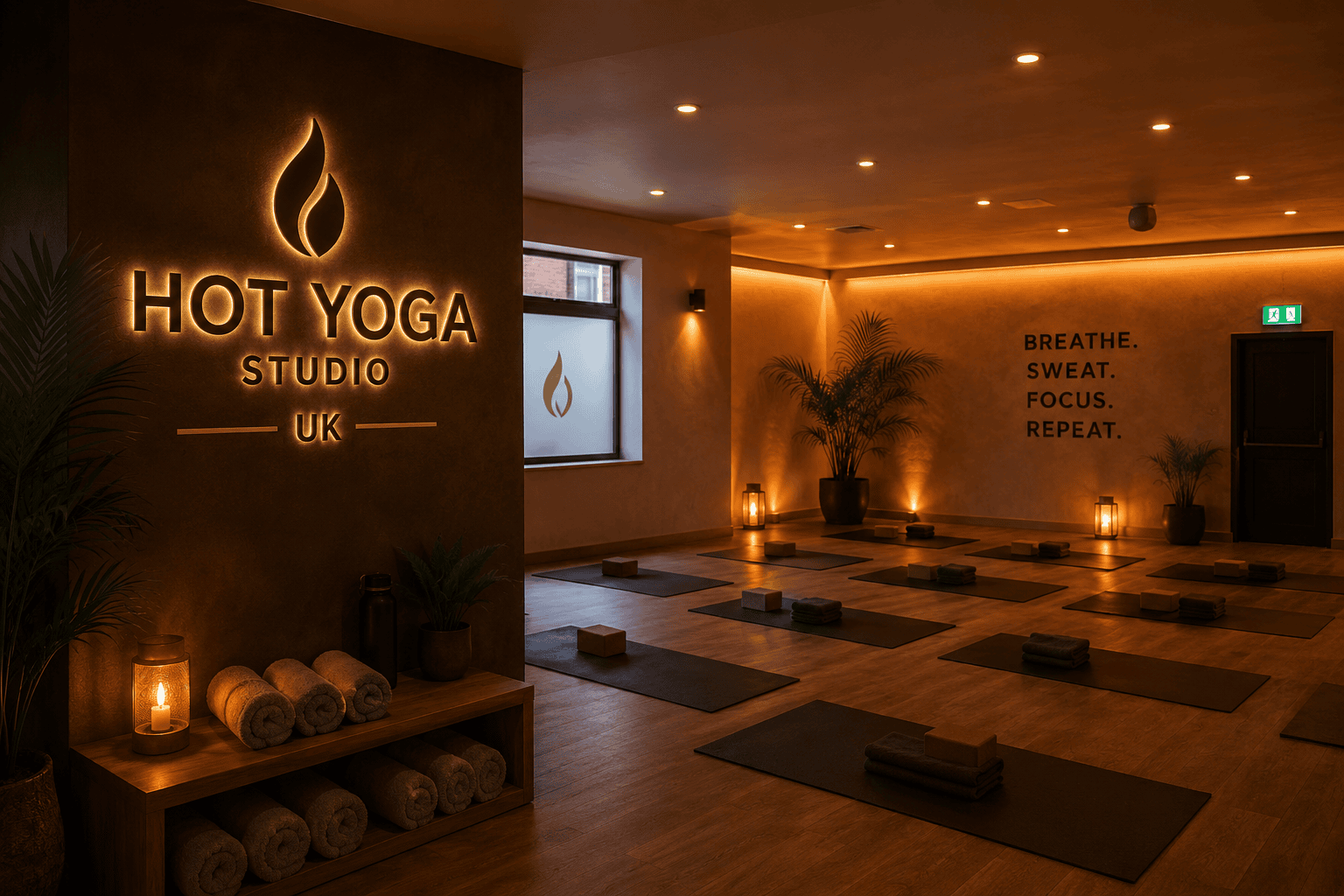
    The first time you walk into a hot yoga studio, the heat hits you before you’ve even unrolled your mat. It’s around 38–40°C in there, the humidity is thick, and someone nearby is already dripping. It sounds like a recipe for misery — and yet every class is packed.

    Hot yoga has quietly become one of the most popular fitness classes in the UK. From dedicated Bikram studios in central London to heated vinyasa classes tucked above coffee shops in Manchester and Edinburgh, the demand for sweaty, steamy yoga is growing fast. And there are genuinely good reasons for it.

    If you’ve been curious but not sure what to expect — or not sure if it’s actually worth the hype — this guide covers everything you need to know before you step into the heat.

    What Is Hot Yoga? (The Basics)

    Hot yoga is an umbrella term for yoga practised in a heated room. The most well-known version is Bikram yoga, developed by Bikram Choudhury in the 1970s. A Bikram class follows a strict sequence of 26 postures and 2 breathing exercises, practised in a room heated to exactly 40°C with 40% humidity. Each class lasts 90 minutes.

    But hot yoga isn’t exclusively Bikram anymore. Many studios now offer heated versions of other styles — heated vinyasa flow, hot yin yoga, or infrared yoga — typically in rooms between 32°C and 38°C, with more varied sequences and shorter class times (usually 60 minutes).

    The heat is the point. Studios argue it allows deeper stretches, increases cardiovascular demand, and helps flush toxins through sweat. Whether you fully buy into all of that or not, there’s no question the heat makes the practice feel genuinely different from a regular yoga class.

    Hot Yoga vs Regular Yoga: What’s the Real Difference?

    If you’ve done yoga before, you’ll recognise most of the postures in a hot yoga class — the heat is the main variable, not the movements themselves.

    That said, the experience is dramatically different. Your body warms up faster, which allows for deeper stretching earlier in the class. Your heart rate climbs higher than it typically would in non-heated yoga, making it a more intense cardiovascular workout. And you will sweat — a lot, in a way that takes some getting used to.

    The mental side shifts too. The heat creates a kind of forced presence. It’s harder to zone out when the environment demands your full attention. Many regular practitioners say the heat strips away distraction in a way that regular yoga or gym sessions don’t quite match.

    The main downside? It’s not for everyone. People who struggle with heat, or who have certain health conditions, need to approach it carefully — more on that shortly.

    What to Expect in Your First Hot Yoga Class

    First-timers often make the same mistakes: they don’t bring enough water, they wear too much clothing, and they don’t tell the instructor it’s their first time. Here’s how to get it right.

    What to bring:

    • A large water bottle (at least 750ml — ideally 1 litre)
    • A full-length yoga mat (thicker is better; the heat makes thin mats slippery)
    • A hot yoga towel to lay over your mat
    • A small face towel
    • A change of clothes — you will be completely soaked by the end

    What to wear: Less is genuinely more here. Most women wear a sports bra and shorts or leggings. Men typically wear shorts only. Loose cotton clothing is a bad idea — it gets heavy and uncomfortable fast. Moisture-wicking or technical fabrics work much better.

    Arrive early: Getting there 10–15 minutes before class gives you time to acclimatise to the room temperature before you start moving. Jumping straight from a cold street into a hot class is a shock your body doesn’t need.

    It’s completely normal to feel overwhelmed in your first class. If you need to lie down on your mat and skip a posture, do it — most instructors actively encourage this for beginners. The confidence to try something new and go at your own pace is more important than keeping up with the person next to you.

    The Benefits of Hot Yoga (What the Evidence Actually Says)

    Hot yoga studios make a lot of claims. Some hold up better than others.

    Improved flexibility: This one’s well supported. Warm muscles and connective tissue are more pliable, which genuinely does allow for a greater range of motion. Regular hot yoga practitioners typically notice significant flexibility gains within a few weeks.

    Cardiovascular fitness: A heated yoga class can raise your heart rate into the same zone as a moderate-paced jog. Research published in journals including the Journal of Strength and Conditioning Research has shown measurable cardiovascular improvements from regular Bikram practice.

    Stress reduction and mental clarity: The heat forces you to focus, and the combination of breathwork and movement reliably reduces cortisol levels. Many practitioners describe leaving class feeling unusually calm and clear-headed.

    The “detox” claim: This one is overstated. Your liver and kidneys handle detoxification — sweat removes a tiny fraction of waste products. That said, the sweating does feel cleansing, and there are real benefits to the deep hydration and electrolyte awareness that hot yoga practitioners tend to develop.

    The NHS recommends staying well hydrated before, during, and after any exercise in the heat — drinking little and often throughout a class rather than waiting until you feel thirsty. According to NHS exercise guidance, adults should aim for 150 minutes of moderate physical activity per week, and activities like hot yoga can absolutely count toward that.

    Hot Yoga Studios Across the UK: What to Expect and What It Costs

    Hot yoga has spread well beyond London, though the capital still has the highest concentration of dedicated studios.

    London: Studios like Fierce Grace (multiple London locations), Triyoga (Camden, Chelsea, Soho), and Hot Bikram Yoga have built loyal followings. Drop-in classes typically run £18–£25. Monthly unlimited memberships range from £100–£160 depending on location.

    Manchester: The city has a solid hot yoga scene with studios including Bikram Yoga Manchester and several independent heated yoga rooms in areas like Didsbury and Ancoats. Classes here tend to run £12–£18 per session.

    Birmingham: A growing number of studios, particularly in Edgbaston and the Jewellery Quarter, now offer heated yoga. Prices are comparable to Manchester.

    Edinburgh and Glasgow: Scotland’s two major cities both have dedicated hot yoga studios. Edinburgh’s Dynamic Yoga and several Glasgow independents offer Bikram and heated vinyasa sessions, typically £10–£18 per class.

    Many studios offer intro deals for new members — two weeks of unlimited classes for £20–£30 is fairly common, and it’s the best way to properly try it before committing to a membership.

    If you’re already into mind-body movement, hot yoga often pairs well alongside pilates for building core strength — the two disciplines complement each other well, with yoga adding flexibility and breathwork that transfers directly into your pilates practice.

    Is Hot Yoga Right for You?

    Hot yoga suits most healthy adults who enjoy structured group fitness classes and are looking for something that works both the body and the mind. It’s particularly well-suited to people who:

    • Want to improve flexibility and mobility
    • Enjoy the focus and discipline of a set sequence
    • Find traditional gyms or weight rooms uninspiring
    • Are looking for a fitness class with a genuine stress-relief component
    • Are already comfortable with yoga and want more intensity

    Exercise caution if you:

    • Are pregnant (check with your midwife — many recommend avoiding heated environments)
    • Have a heart condition or high blood pressure
    • Are prone to fainting or dizziness in heat
    • Have severe asthma that’s triggered by humidity

    If you’re unsure, speak to your GP before your first class, and always tell the instructor about any health concerns before stepping into the room.

    Interestingly, hot yoga sits at the opposite end of the temperature spectrum from cold water therapy and ice baths — another wellness trend with a passionate UK following. Some serious wellness enthusiasts do both, alternating between heat and cold exposure as a deliberate recovery and performance strategy.

    How to Find a Hot Yoga Studio Near You

    The best way to find a quality hot yoga studio in your area is to look specifically for heated yoga classes rather than just “yoga.” The difference matters — a standard yoga class in a slightly warm room isn’t the same experience, and the benefits attributed to hot yoga come specifically from properly heated environments.

    GymPal lists yoga studios and fitness venues across the UK, including dedicated hot yoga spaces. Use the GymPal yoga studio finder to search by location and find studios near you — you can see class types, facilities, and contact details all in one place.

    Final Word: Worth the Sweat?

    Hot yoga isn’t for everyone, and it doesn’t need to be. But for the people it suits, it tends to become a genuinely consistent part of their fitness routine — something they keep coming back to because it delivers in a way that’s hard to replicate elsewhere.

    The combination of heat, movement, and breathwork creates a specific kind of intensity that you either fall in love with or don’t. There’s really only one way to find out which camp you’re in: book a class, bring a big water bottle, and prepare to sweat.

  • Martial Arts Gyms UK: Your Complete Guide to Muay Thai, BJJ, Judo and MMA

    Martial Arts Gyms UK: Your Complete Guide to Muay Thai, BJJ, Judo and MMA

    If you’ve been grinding through the same treadmill sessions and machine circuits for months, you’re not alone — and you’re probably a bit bored. Martial arts training offers something most gym routines simply can’t: genuine engagement. Every session demands your full concentration, your body, and yes, a bit of your ego.

    Across the UK, martial arts gyms and academies have never been more accessible. Whether you’re drawn to the striking power of Muay Thai, the tactical ground game of Brazilian jiu-jitsu (BJJ), the Olympic tradition of Judo, or the all-encompassing challenge of MMA, there’s almost certainly a club within easy reach of where you live. This guide explains what each discipline involves, what to expect as a complete beginner, what it costs, and how to find the right gym for you.

    You don’t need to want to compete. Most people who train martial arts never set foot in a competition. They train because it builds fitness that actually transfers to real life — endurance, strength, coordination, and mental resilience — and because it’s simply far more enjoyable than another solo session in a weights room.

    Why UK Martial Arts Gyms Are Seeing Record Growth

    The UK martial arts scene has transformed over the past decade. The global rise of the UFC drove a wave of interest in BJJ and MMA from around 2015 onwards, while Muay Thai — long popular in London, Manchester, and Glasgow — expanded steadily into smaller towns and suburbs. Judo and Karate gained fresh audiences following increased Olympic exposure at Tokyo 2020 and Paris 2024.

    The result is a martial arts landscape that’s broader and more accessible than ever. Today, you’ll find dedicated Muay Thai gyms in market towns, BJJ academies attached to CrossFit boxes, and MMA facilities with classes running seven days a week at beginner-friendly times. Many mainstream gym chains now include boxing and martial arts zones in their layouts, which has exposed a new generation of gym-goers to the basics.

    According to Sport England’s Active Lives research, participation in combat and martial arts activities has grown consistently among adults aged 18–35, and women now represent a significant and growing share of martial arts class participants across the country — a shift from a decade ago when most clubs were overwhelmingly male.

    The appeal, ultimately, is the same for everyone: martial arts training gives you a reason to show up that goes beyond aesthetics or habit. When a training partner is relying on you for pad work or sparring, skipping class feels different.

    Muay Thai: The UK’s Favourite Striking Art

    Muay Thai — sometimes called Thai boxing — is a striking martial art that uses punches, kicks, elbows, and knee strikes. That’s eight points of contact compared to boxing’s two, which is where its nickname “the art of eight limbs” comes from. It’s both a competitive sport and one of the most physically demanding fitness workouts available.

    What a typical UK class looks like: Classes usually run 60–90 minutes and follow a recognisable format. You’ll start with skipping rope and shadow boxing to warm up, then move into pad rounds — pairing up with a partner, one person striking while the other holds pads. Bag work follows, then conditioning circuits. Full-contact sparring is generally kept optional and is reserved for more experienced students.

    Why it works for fitness: A single Muay Thai class burns between 500 and 900 calories depending on intensity and body weight. You’ll develop cardiovascular endurance quickly, build leg and core strength through kicks and knee strikes, and improve your coordination in ways that cardio machines simply don’t replicate. The technical focus — learning combinations, timing, and footwork — also means your brain is as engaged as your body.

    Cost in the UK: Monthly unlimited membership at a dedicated Muay Thai gym typically runs £55–£90. In London and major city centres, expect the upper end; many clubs outside the M25 charge significantly less. Drop-in sessions are usually available at £8–£15 each. Most gyms include wraps and loan you gloves for your first few sessions while you find your feet.

    Respected UK Muay Thai clubs include: KO Thai Boxing in Manchester, London Fight Factory, Thai Kickboxing Academy Birmingham, TKB Gym in Glasgow, and Base Bristol. These aren’t the only options — there are hundreds of quality clubs nationwide, and GymPal can help you find local ones with verified listings.

    Brazilian Jiu-Jitsu: The Ground Game That Changes Everything

    Brazilian jiu-jitsu (BJJ) is a grappling martial art focused on taking opponents to the ground, controlling them, and submitting them via chokes and joint locks. Unlike striking arts, BJJ doesn’t rely on power or aggression — it favours technique, positioning, and patience. A skilled smaller practitioner can genuinely control a bigger opponent, which gives it a unique appeal.

    What training involves: Classes typically open with drilling — practising specific techniques repeatedly with a partner — before moving into “rolling,” which is live sparring from the ground. Rolling is full resistance but with submissions applied slowly and safely; you tap to signal you’re caught. It’s genuinely exhausting and relentlessly technical.

    BJJ has a belt system running white → blue → purple → brown → black. Reaching blue belt typically takes two to three years of consistent training. The progress is visible, measured, and deeply motivating — and the community at most BJJ gyms is famously welcoming to beginners.

    The fitness case: An hour of rolling is one of the most complete physical workouts available — combining cardiovascular endurance with muscular strength, grip strength, flexibility, and problem-solving. The physical demands are substantial, but they’re self-regulating: you go as hard as your training partner and your body allow.

    If you’re drawn to combat sports more broadly, it’s worth knowing that many practitioners combine BJJ with a striking art. [Boxing gyms across the UK](https://askgympal.co.uk/blog/boxing-gyms-uk-best-workout/) often integrate striking fundamentals that complement BJJ’s ground game — a combination that forms the foundation of MMA.

    UK BJJ costs: Unlimited BJJ membership generally runs £60–£100/month. A significant number of UK BJJ academies operate out of multi-discipline gyms, so a membership may also include access to wrestling, no-gi grappling, and sometimes MMA sessions.

    Judo, Karate and Traditional Martial Arts in the UK

    Judo and Karate have deep roots in the UK, with organised clubs in virtually every town across England, Scotland, Wales, and Northern Ireland. Both disciplines are Olympic sports with structured gradings and competition pathways, but both are equally accessible as non-competitive training pursuits.

    Judo: A throwing and grappling art, Judo focuses on off-balancing opponents and throwing them to the mat, followed by ground control and submission. It’s extraordinarily dynamic — elite Judo throws are some of the most spectacular athletic actions in any sport — and builds explosive strength, coordination, and balance. UK Judo clubs tend to be community-run and notably affordable, with sessions often costing £5–£8 per class or £25–£40/month.

    Karate: Karate encompasses multiple styles (Shotokan, Kyokushin, Goju-ryu, and others), each with slightly different emphases on striking, kata (forms practice), and sparring. Kyokushin in particular is a full-contact style with a ferocious reputation for conditioning. Many UK towns have established Karate clubs with long lineages, and prices are typically among the most affordable in martial arts — £25–£50/month is common.

    Krav Maga and self-defence systems: Cities like London, Manchester, and Edinburgh have a strong showing of Krav Maga and reality-based self-defence clubs, which attract people specifically interested in practical self-defence rather than sport competition. Classes are typically structured, beginner-friendly, and focused on situational awareness alongside physical technique.

    MMA: The Complete Martial Arts Workout

    Mixed martial arts (MMA) combines striking, wrestling, and ground fighting into one training system. You don’t need to be working towards a cage fight to benefit from MMA training — many practitioners simply want a varied, complete programme that develops all aspects of physical fitness simultaneously.

    A typical MMA class might include pad work standing, wrestling takedowns and clinch work, and ground-based BJJ or submission wrestling — often all within a single session. It’s demanding, varied, and never boring.

    The social accountability that makes [bootcamp classes so effective for many UK gym-goers](https://askgympal.co.uk/blog/bootcamp-classes-uk-guide-2/) operates identically in MMA training — when your partner is expecting you for sparring or drilling, you show up. That consistency is one of the most underrated drivers of long-term fitness progress.

    UK MMA gym costs: Expect to pay £60–£100/month for an MMA-focused facility with comprehensive class timetables. Most quality MMA gyms in the UK now offer structured beginner programmes specifically designed for people with no prior martial arts experience — you don’t need to know anything walking through the door.

    Well-regarded UK MMA facilities include: SBG Ireland UK facilities, Next Generation Manchester, Team Kaobon Liverpool, and Rough House MMA London. London, Manchester, Liverpool, and Leeds have strong clusters of quality clubs; regional cities across Scotland, Wales, and the Midlands are increasingly well-served too.

    How to Choose Your First Martial Arts Gym

    The best martial arts gym is the one you’ll actually attend. Here’s what to look for beyond the headline discipline:

    Beginner provision: Look for gyms that run dedicated beginner programmes or foundations classes, not just open sessions where experience levels are mixed. A good gym separates beginners long enough to build confidence and basic safety awareness.

    Qualified coaches: In Muay Thai and BJJ specifically, check the credentials of the lead coaches. For BJJ, a black belt from a recognised lineage is meaningful. For Muay Thai, look for coaches with competitive experience in Thailand or recognised UK shows, or qualifications from a body like the British Thai Boxing Council.

    Trial sessions: Most quality UK martial arts gyms offer a free or heavily discounted trial session. Take it. How you feel in the first class — the culture, the coaching style, the mix of people — tells you most of what you need to know.

    Supplementary individual coaching: Some practitioners supplement their group training with one-to-one technical sessions. If you’re considering that route, [finding a personal trainer with a combat sports background](https://askgympal.co.uk/blog/how-to-find-personal-trainer-uk/) can accelerate your development in the early months considerably.

    Using GymPal to find options: GymPal lists hundreds of martial arts gyms, clubs, and academies across the UK — from Muay Thai gyms in Edinburgh to BJJ academies in Cardiff. You can search martial arts venues near you on GymPal and filter by discipline, location, and facilities to shortlist your options quickly.

    What to Expect in Your First Month

    The first month of martial arts training is almost universally humbling — and almost universally positive. Here’s an honest picture of what to expect:

    You’ll be terrible, and that’s fine. Everyone is. The experienced students at your gym were exactly where you are. The culture at most martial arts clubs in the UK is notably supportive of beginners — more so, anecdotally, than many mainstream gyms.

    You’ll be exhausted. Martial arts uses muscles in unfamiliar patterns and keeps your heart rate elevated for sustained periods. The first few weeks will feel more tiring than they do once your body adapts.

    You’ll get better faster than you expect. The learning curve in martial arts is steep early on — technique improvements are visible week-to-week in a way that isn’t always the case with weight training progress.

    What to bring: Comfortable workout clothes, hand wraps (usually available to buy at the gym), and water. Most clubs loan gloves to beginners. For BJJ, a gi (training uniform) becomes necessary fairly quickly; entry-level gis cost £40–£80 from UK suppliers like Scramble or Fuji.

    Finding Martial Arts Gyms Near You

    The UK has martial arts clubs of every kind within reach of most towns and cities. Whether you’re after an Olympic sport like Judo with roots in your local community, a purpose-built Muay Thai gym, or a modern MMA facility with a full weekly timetable, the options are there.

    GymPal makes finding them straightforward. Our listings cover martial arts gyms, boxing clubs, BJJ academies, and traditional martial arts clubs across the UK — all with verified information, contact details, and where available, member reviews. Search martial arts venues near you on GymPal and take that first step.

    The hardest part of starting martial arts training isn’t the sparring. It’s walking through the door the first time. Everything after that tends to take care of itself.